Understanding Grid-Interactive Water Heaters
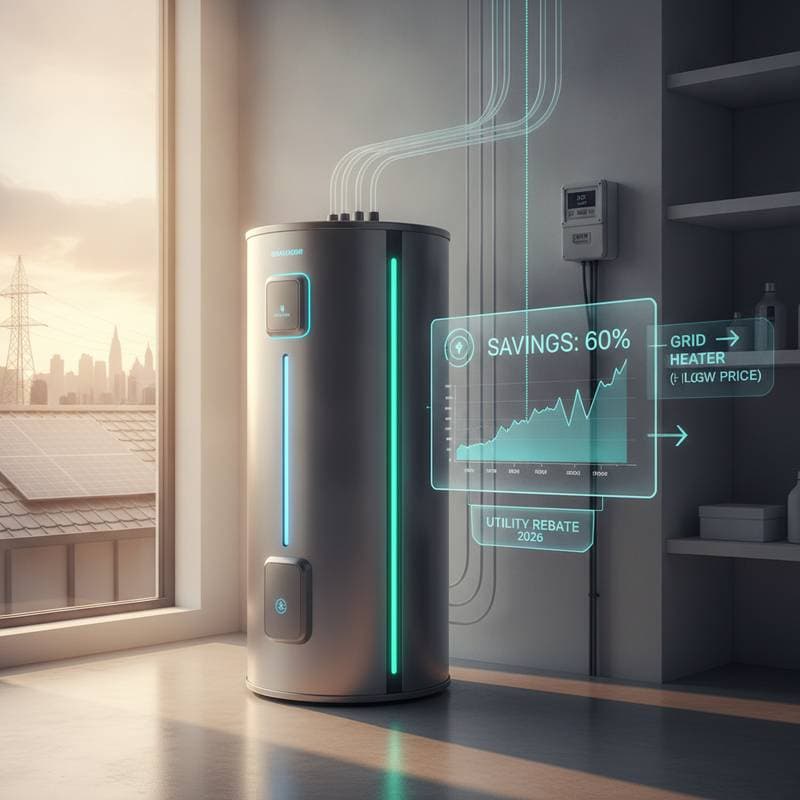
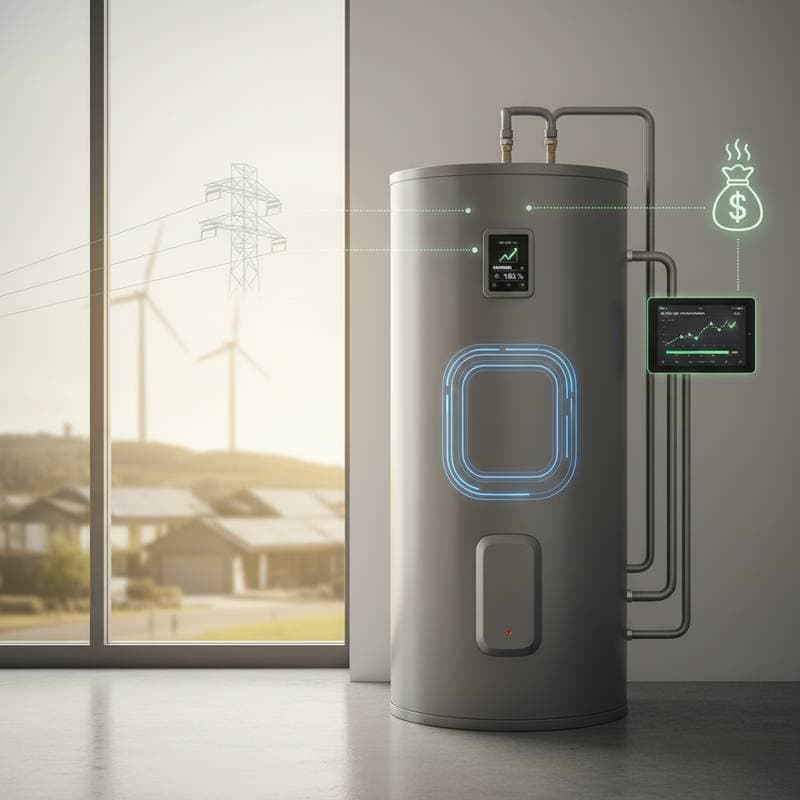
Grid-interactive water heaters represent a shift in home energy management. These devices connect to the power grid through smart controls, allowing them to adjust operations based on real-time demand signals from utilities. By storing excess energy as hot water during low-demand periods, they function as distributed thermal storage units.
This integration helps balance electricity supply and demand across neighborhoods. Homeowners benefit from automated participation in demand response programs, which provide financial incentives without interrupting daily routines. The technology aligns personal energy use with broader grid needs, fostering efficiency and reliability.
The Mechanics of Energy Storage and Response
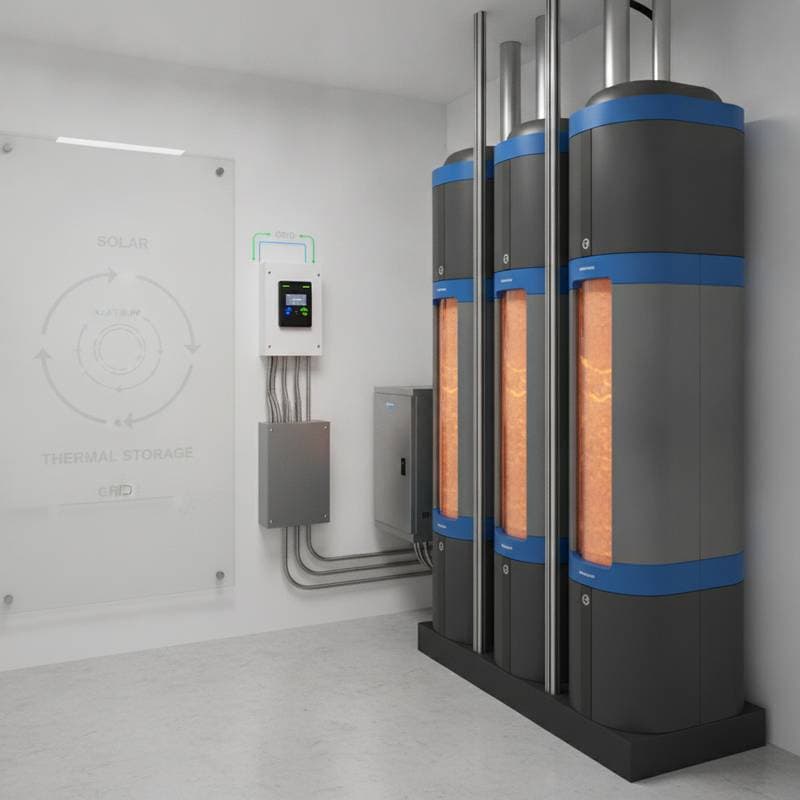
At the core, these water heaters operate as thermal batteries. They heat water using electricity when supply exceeds demand, typically during times of high renewable generation like midday solar peaks. During high-demand events, such as evening rushes, the heaters reduce or pause operation to ease grid pressure.
Utilities communicate with the devices via secure protocols, ensuring seamless adjustments. For instance, a signal might delay heating by an hour, drawing from stored hot water instead. This process maintains water temperature within safe ranges, preserving user comfort while contributing to system-wide stability.
Financial Incentives and Savings Potential
Participation in utility programs delivers direct rewards. Many providers offer bill credits or direct payments for allowing remote control during peak events. Annual earnings range from $50 to $300, varying by program structure and event frequency.
Additional savings arise from time-of-use electricity rates. By scheduling heating for off-peak hours, households avoid higher costs associated with peak pricing. Over time, these combined benefits can offset the initial investment, often within three to five years.
Rebates further accelerate returns. Utilities in supportive regions provide $200 to $800 toward purchase and installation of compatible models. This structure makes adoption accessible for many homeowners seeking long-term value.
Environmental and Grid Stability Advantages
These systems advance renewable energy adoption by aligning water heating with clean power availability. When solar or wind output surges, the heaters capture that energy, reducing the need for fossil fuel backups. This shift lowers household carbon emissions and supports broader decarbonization efforts.
On a larger scale, widespread use prevents grid overloads. Collective load reduction during stress events averts blackouts and delays the construction of costly peaker plants. The result is a more resilient infrastructure capable of handling variable renewable inputs.
Homeowners also gain from enhanced property appeal. Energy-efficient, grid-ready appliances signal modern sustainability, potentially increasing resale value. Programs often tie into community initiatives, connecting individual actions to regional progress.
Essential Setup and Compatibility Factors
Selecting the right system requires attention to integration details. Prioritize models with built-in smart controllers that support standards like CTA-2045 for broad utility compatibility. Wi-Fi connectivity enables app-based monitoring and manual overrides.
Tank size influences performance. Units with 50 to 80 gallons store more thermal energy, accommodating larger households and maximizing incentive potential. Ensure the design includes insulation to retain heat longer, extending usability during response events.
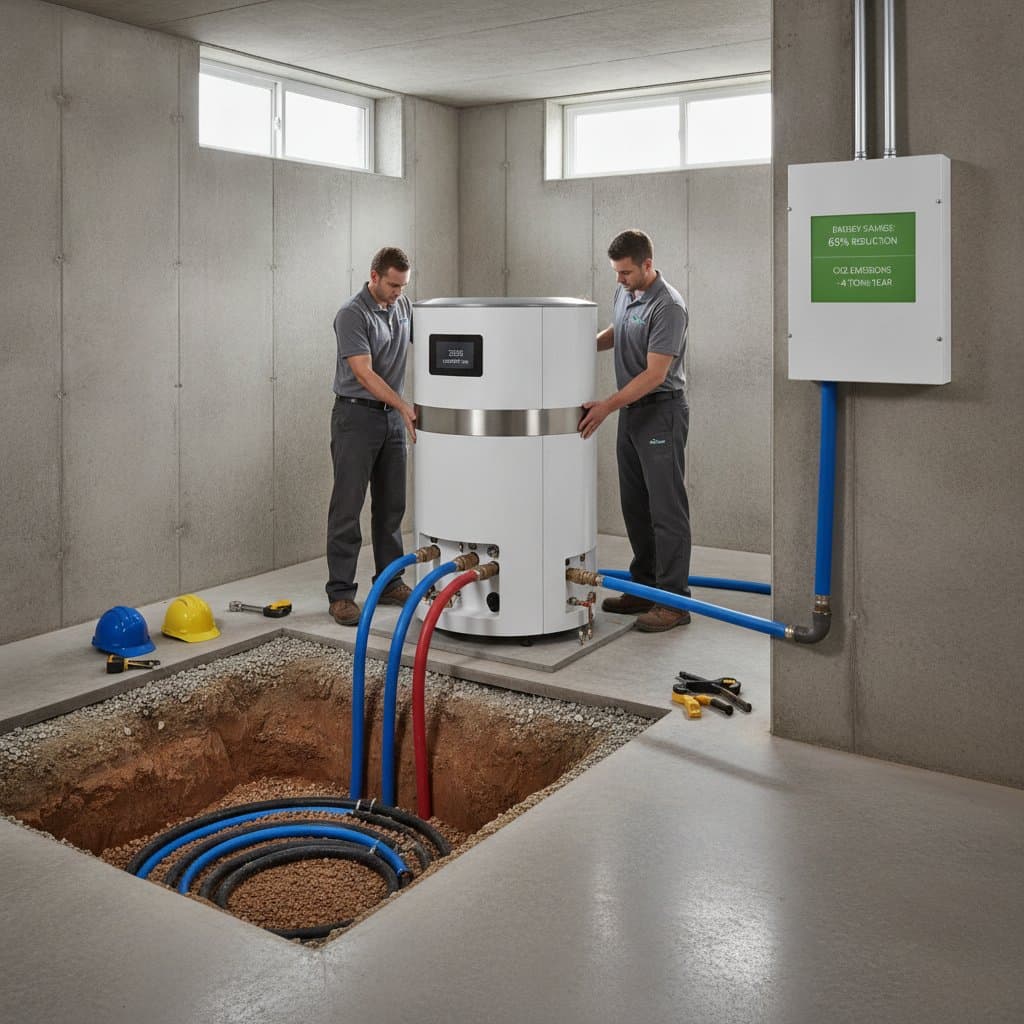
Installation mirrors standard electric water heaters but may include wiring for communication modules. Consult certified installers familiar with local utility requirements. Some programs subsidize costs, offering discounted units or waived fees for enrollees.
Efficiency Innovations in Modern Designs
Heat pump water heaters stand out for their superior performance. These models extract heat from surrounding air, achieving efficiencies up to three times higher than resistance-based units. In moderate climates, they reduce energy consumption by 60 percent or more.
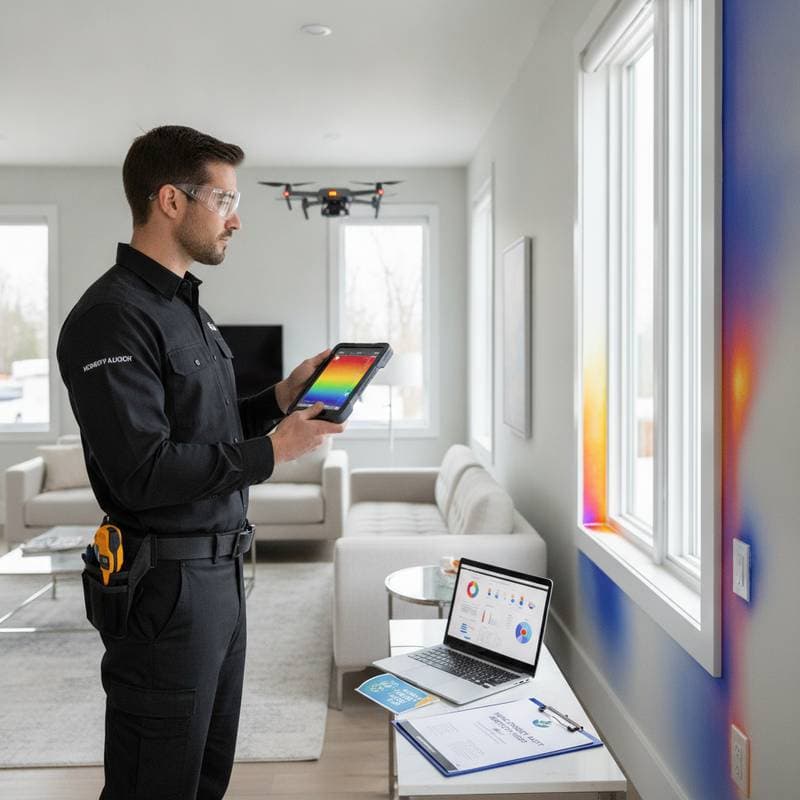
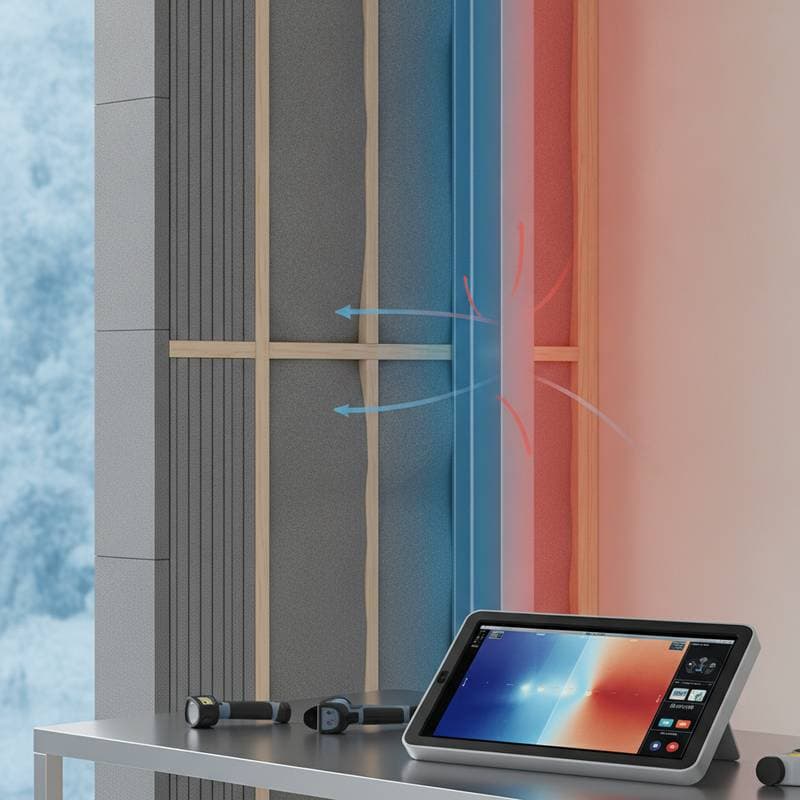
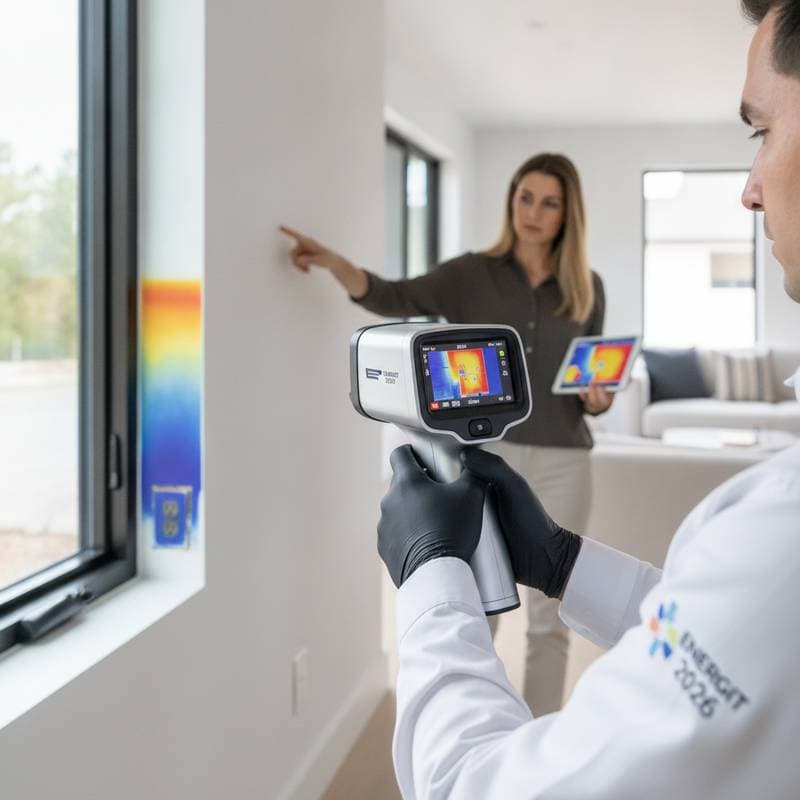
Smart features optimize operations further. Algorithms predict usage patterns, preheating tanks during low-cost windows and curtailing during peaks. Integrated sensors detect inefficiencies, such as insulation gaps, prompting timely maintenance.
Hybrid options combine heat pump technology with electric backups for cold weather reliability. This versatility ensures consistent output year-round. Users access performance data via mobile apps, empowering informed adjustments to daily habits.
Regional and Household Variables
Outcomes depend on local conditions. Areas with established demand response networks yield higher rewards, while emerging markets offer growing opportunities. Check utility websites for current programs and enrollment processes.
Household dynamics play a role. Larger families with frequent hot water needs amplify energy shifting benefits. Time-of-use rates, common in many regions, enhance savings by rewarding off-peak consumption.
Climate affects model choice. Heat pumps excel in temperate zones but include resistive elements for sub-zero temperatures. Even in less ideal settings, grid-interactive features provide value through program participation.
Cost Analysis and Return on Investment
Initial costs for a grid-interactive unit range from $1,000 to $2,000, including installation. This premium over basic models covers advanced controls and efficiency upgrades. Factor in utility rebates to lower the effective outlay.
Ongoing returns include incentive payments and reduced bills. For a typical home, time-of-use savings add $100 to $200 annually. Total payback occurs in three to five years, with longer-term gains from lower operating costs.
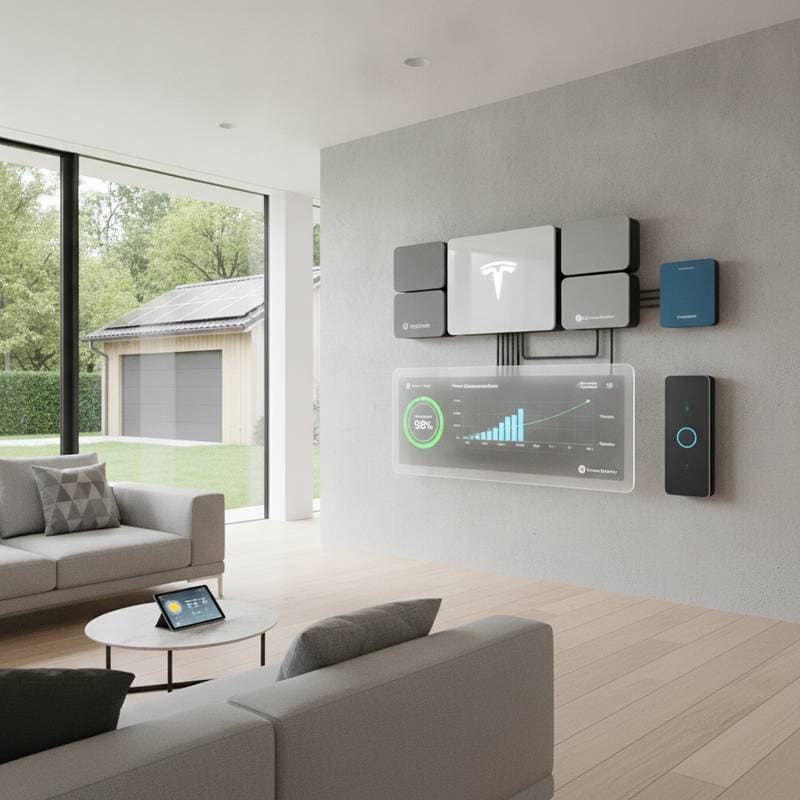
Resilience adds intangible value. Stored hot water serves as an emergency resource during outages. Pairing with home solar or batteries creates a comprehensive energy ecosystem, further boosting independence.
Frequently Asked Questions
How do I enroll in a demand response program?
Contact your utility to verify eligibility and compatible devices. Installation of a grid-ready water heater qualifies most homes. The provider handles signal integration, with enrollment completed via a simple online form.
Does this impact hot water availability?
Systems maintain temperatures above 120 degrees Fahrenheit during events. Overrides allow immediate heating if needed, ensuring uninterrupted supply for showers or appliances.
Can I upgrade an existing water heater?
Retrofit kits add smart controls to functional units, though full replacement offers better efficiency. Assess your current model's age; units over 10 years old benefit most from upgrades.
What safety measures are in place?
Devices comply with UL standards and use encrypted communications to prevent unauthorized access. Regular software updates address vulnerabilities, maintaining operational integrity.
How do I monitor system performance?
Apps display real-time data on energy use, event participation, and earnings. Set alerts for maintenance needs, keeping the unit at peak efficiency.
Steps to Adopt Grid-Interactive Technology
Start by reviewing utility offerings in your area. Identify rebates and programs that match your home's needs. Schedule a consultation with a qualified installer to evaluate compatibility.
Choose a model balancing capacity, efficiency, and features. Complete installation and enrollment to activate incentives. Monitor initial performance to refine settings for optimal results.
This adoption not only cuts costs but also positions your home within a sustainable energy network. Simple steps today yield enduring benefits for comfort, finances, and the planet.