Key Points
- Electrifying residential systems lowers energy expenses, enhances daily comfort, and minimizes ongoing maintenance requirements.
- Transitioning from gas-based appliances to electric alternatives, especially those supported by renewable sources, purifies indoor environments and diminishes overall carbon emissions.
- Targeted investments in technologies like heat pump water heaters, induction cooktops, and intelligent electrical panels generate substantial long-term financial returns and elevate property worth.
- Comprehensive evaluation of electrical infrastructure, available rebates, and anticipated demands facilitates seamless implementation and prevents unexpected expenditures.
Essential Planning Considerations
Approach home electrification as a comprehensive, forward-thinking initiative rather than isolated modifications. This mindset ensures that each change aligns with broader goals of efficiency, sustainability, and practicality. By mapping out your strategy early, you position your home for optimal performance and adaptability.
1. Evaluate Electrical Infrastructure Capacity
Examine your home's primary electrical panel as the foundation of any upgrade. Homes constructed before the 1980s often feature 100-amp services, which may prove insufficient for simultaneous operation of advanced electric devices such as heat pumps and electric vehicle chargers. Consider advancing to a 200-amp or higher service, or integrate a smart load management solution that dynamically allocates power to prevent overloads. These adjustments not only support current needs but also accommodate expansions like home battery storage.
2. Prioritize Upgrades by Potential Benefits
Each electrification step offers distinct advantages, from immediate cost savings to gradual improvements in livability. To maximize impact, sequence your projects based on energy consumption patterns and personal priorities. Begin with high-usage areas that promise the fastest returns:
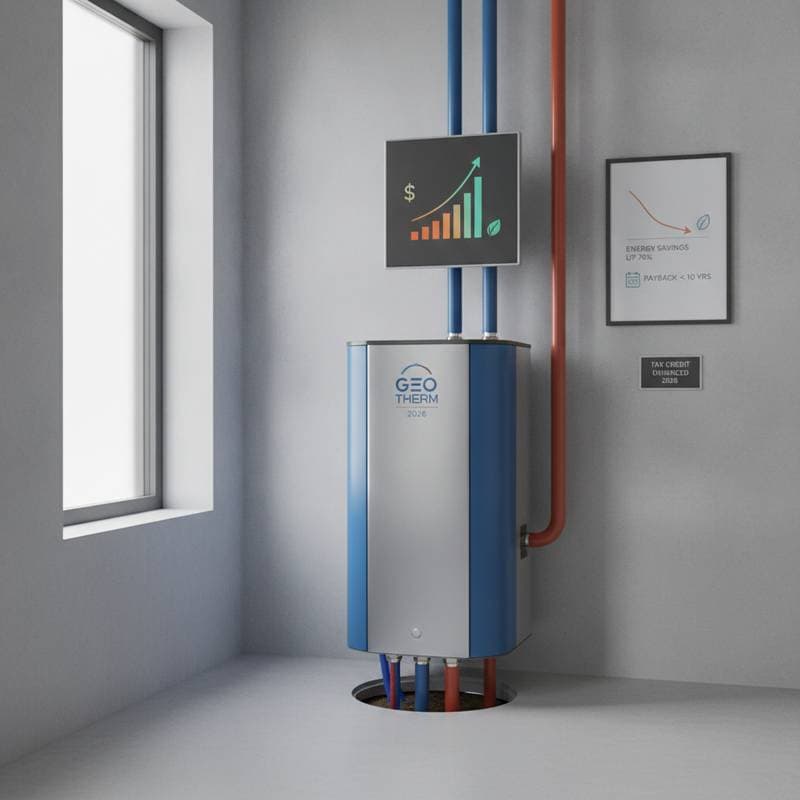
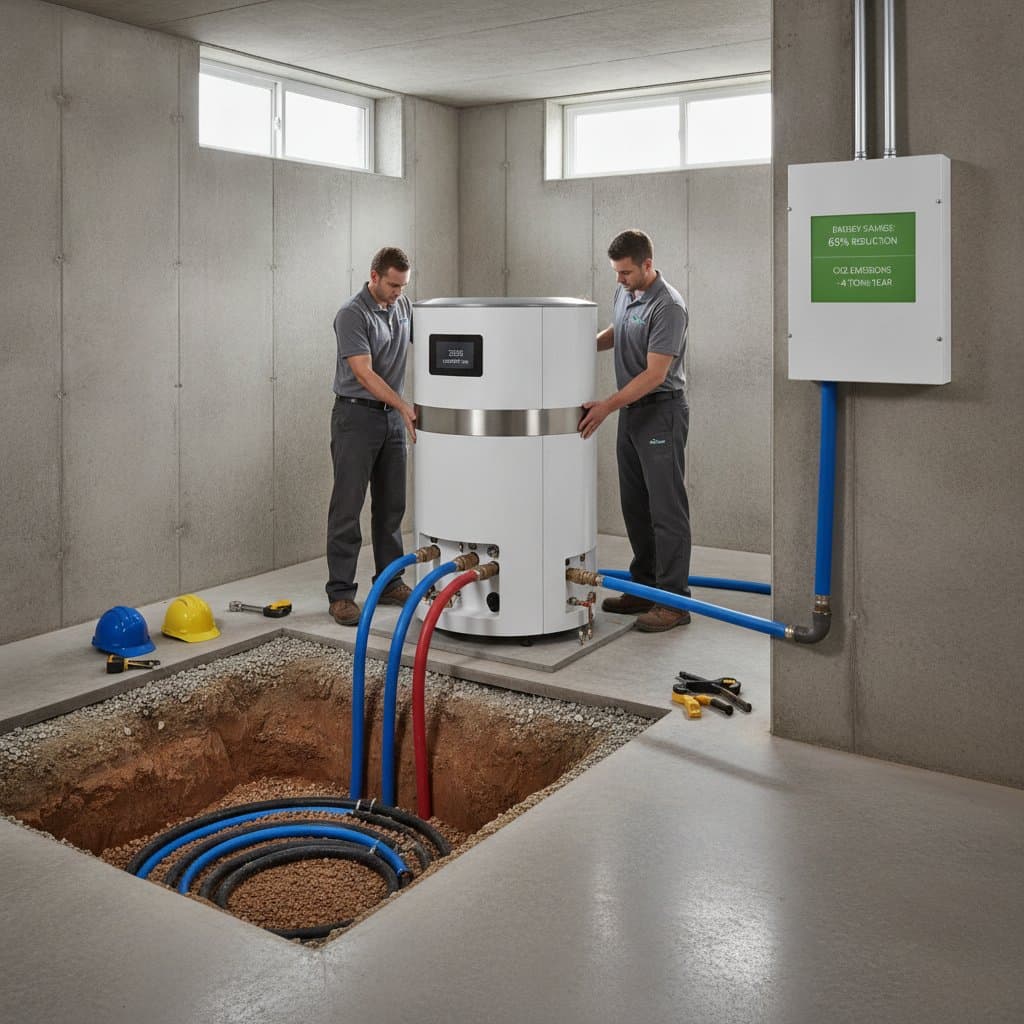
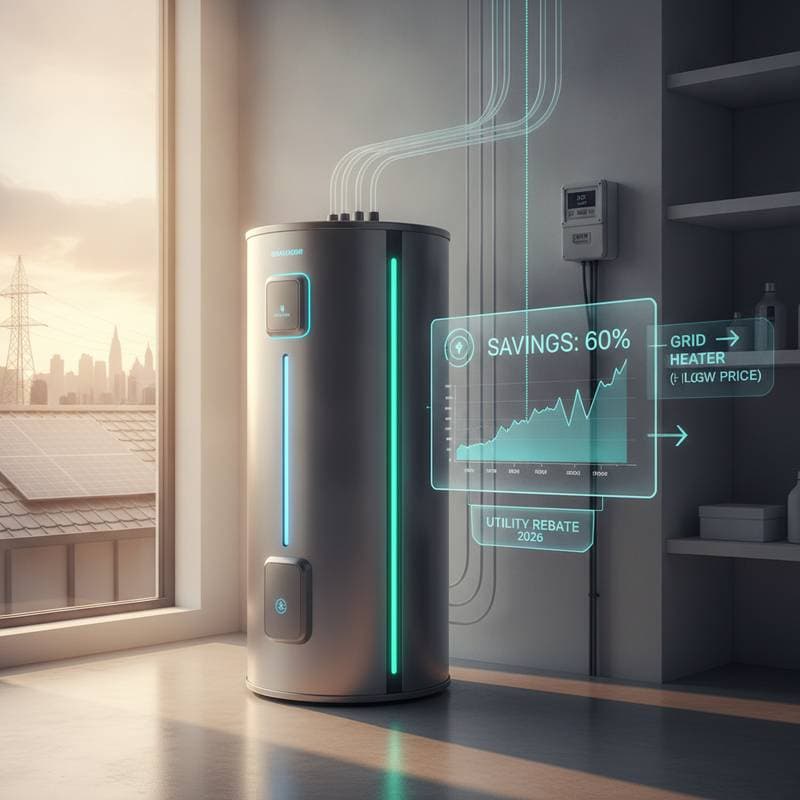
- Water Heating: Install a heat pump water heater, which extracts ambient heat from the air to warm water, using up to 60 percent less energy than traditional models.
- Heating and Cooling: Adopt a ductless or central heat pump system for versatile climate control, providing both heating and cooling with superior efficiency in moderate temperatures.
- Cooking: Switch to an induction cooktop, which delivers precise temperature control and rapid heating, reducing cooking times and energy waste.
These priorities target over 70 percent of typical household energy demands, creating a ripple effect of savings across your entire setup.
3. Research Available Incentives and Rebates
Local utilities, state programs, and federal initiatives frequently provide financial support for electrification efforts. For instance, rebates can cover a significant portion of costs for qualifying heat pumps or efficient appliances, while tax credits may apply to panel upgrades. Layer these with manufacturer promotions to accelerate your return on investment, potentially recouping 30 to 50 percent of upfront expenses within the first few years. Consult your utility provider or energy department website to identify current offerings tailored to your region.
4. Integrate with Broader Efficiency Improvements
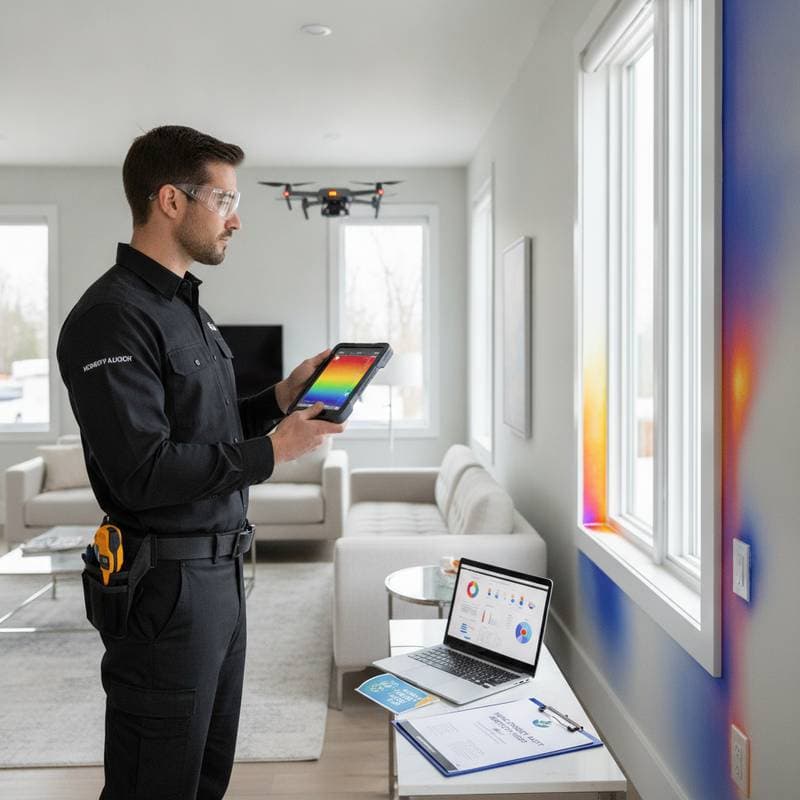
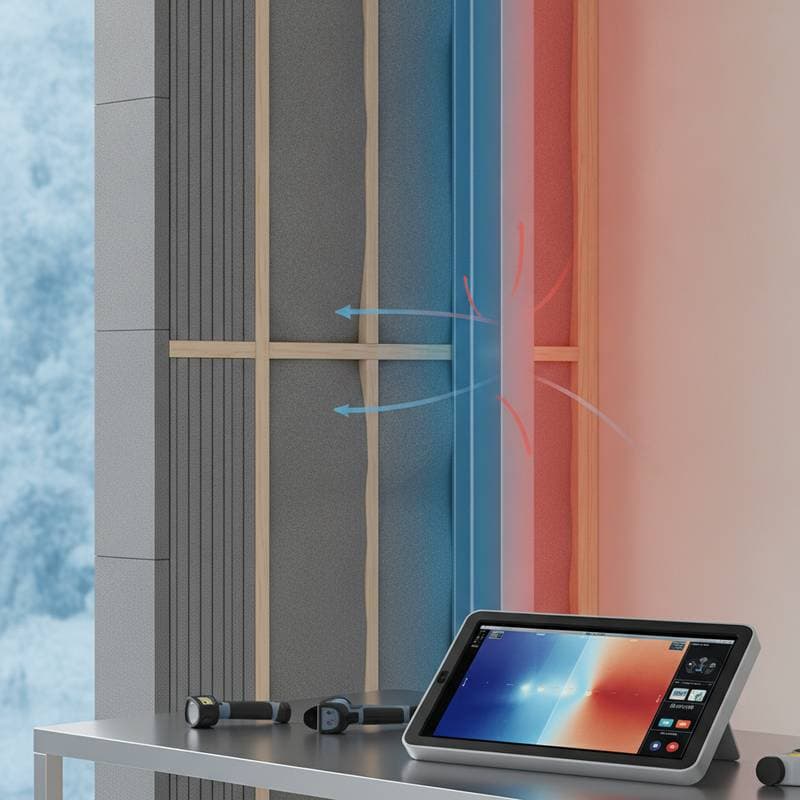
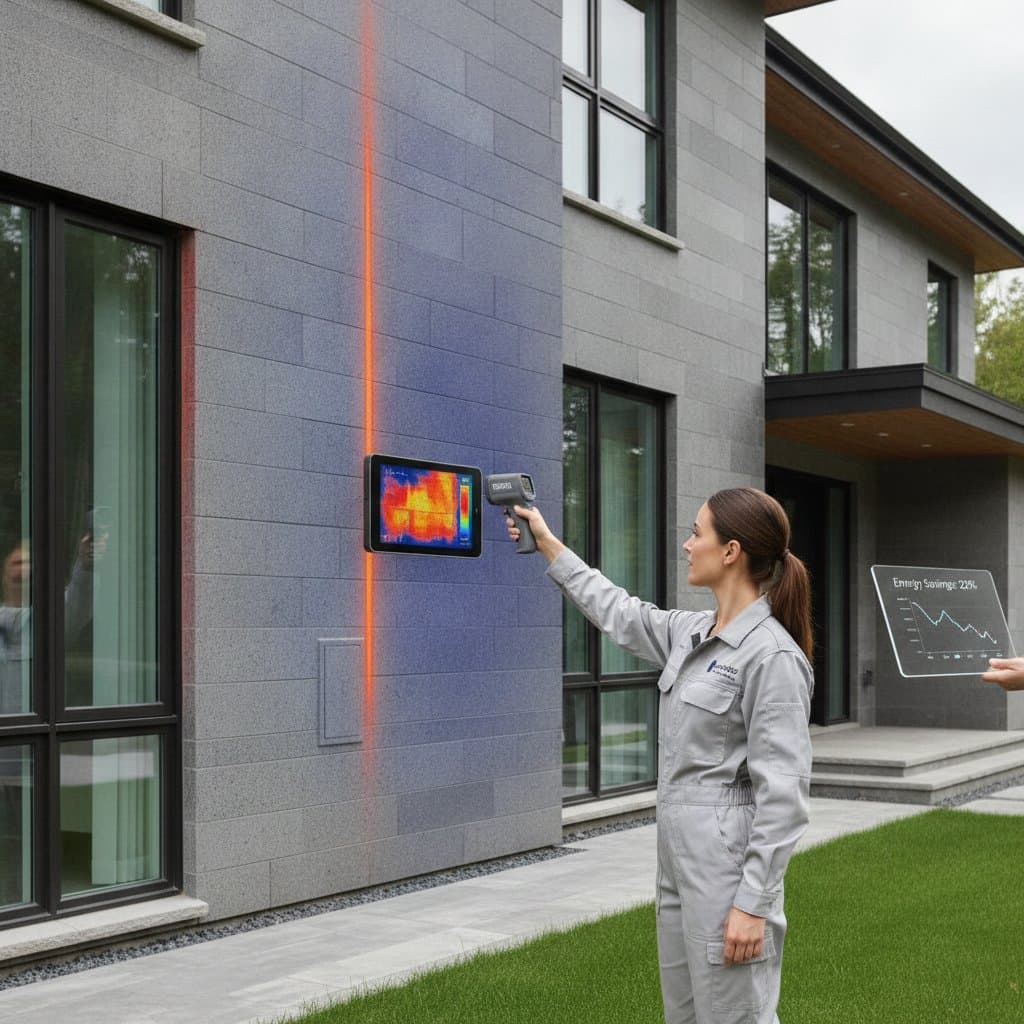
Electrification shines brightest when combined with foundational enhancements like enhanced insulation, weatherproofing, and airtight sealing. These measures curb energy loss, allowing your new electric systems to operate at reduced capacity without sacrificing performance. The result is a more compact, affordable installation that aligns with sustainable living principles and amplifies overall system longevity.
Innovative Design and Layout Approaches
Beyond mere appliance replacement, electrification invites a fresh perspective on spatial organization and functionality. Thoughtful design choices can streamline operations, enhance safety, and integrate seamlessly with your lifestyle.
Kitchen Transformations
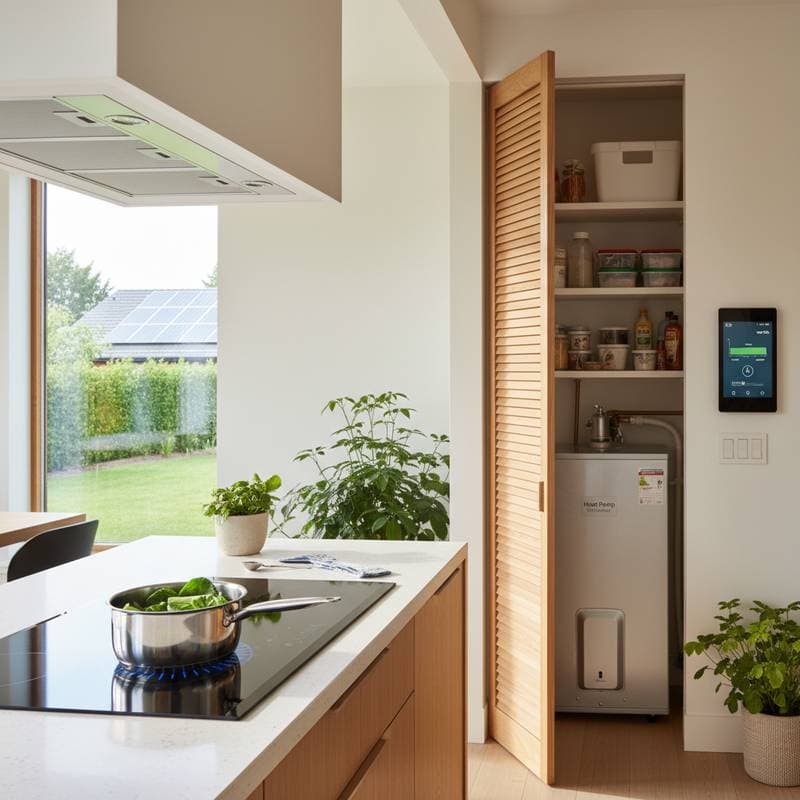
Induction cooking surfaces generate heat through electromagnetic fields in the cookware itself, keeping countertops relatively cool and reducing burn risks. This technology suits compact urban kitchens or family spaces with young children, offering precise control for everything from simmering sauces to searing steaks. If your kitchen relies on gas lines, repurposing that infrastructure for electrical conduits eliminates bulky venting requirements and opens up design possibilities, such as island expansions or minimalist cabinetry.
Optimizing Laundry Spaces
Heat pump dryers capture and reuse heated air within a closed loop, slashing energy use by up to 28 percent compared to conventional vented models. Their ventless design proves invaluable in condos, basements, or urban dwellings where external ducting poses challenges. Compact and quiet, these units fit neatly into tight spaces, and pairing them with cold-water washing machines further boosts efficiency while preserving fabric quality.
Streamlining Mechanical Zones
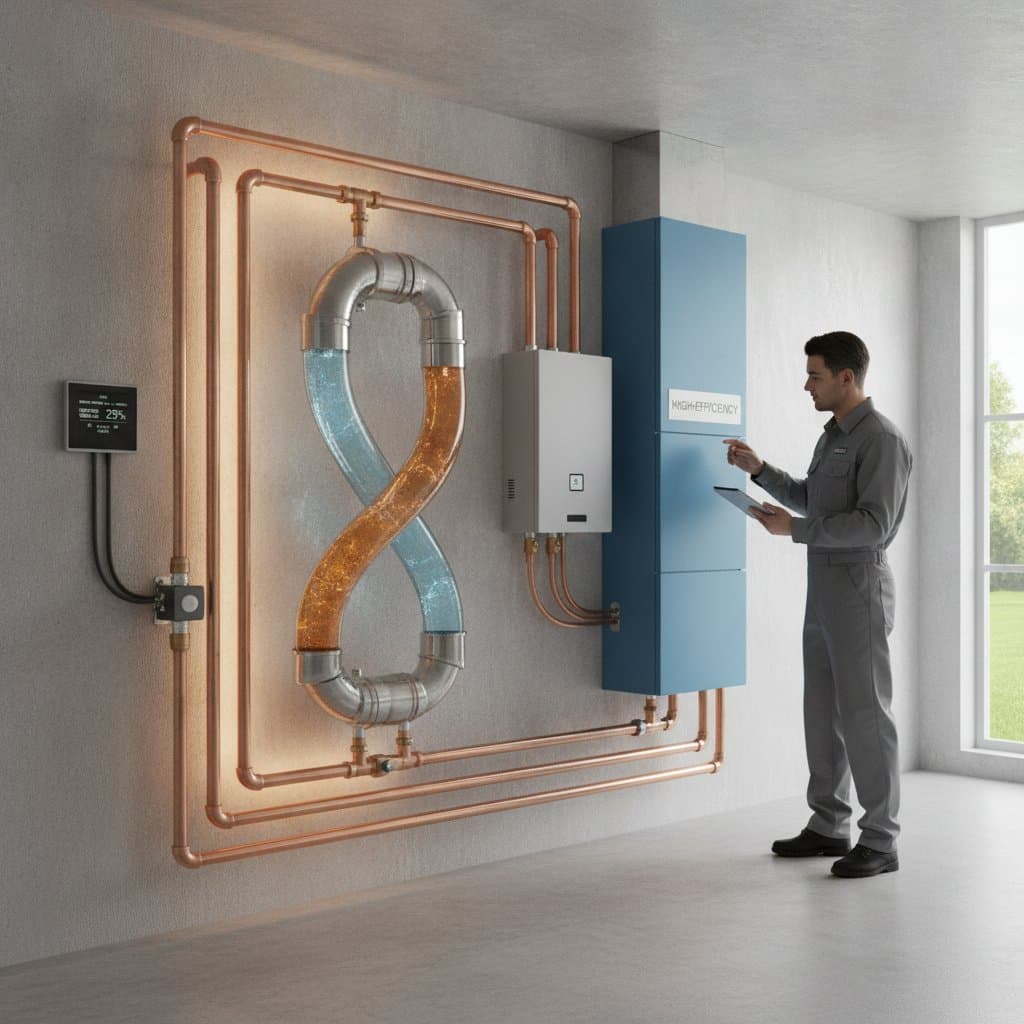
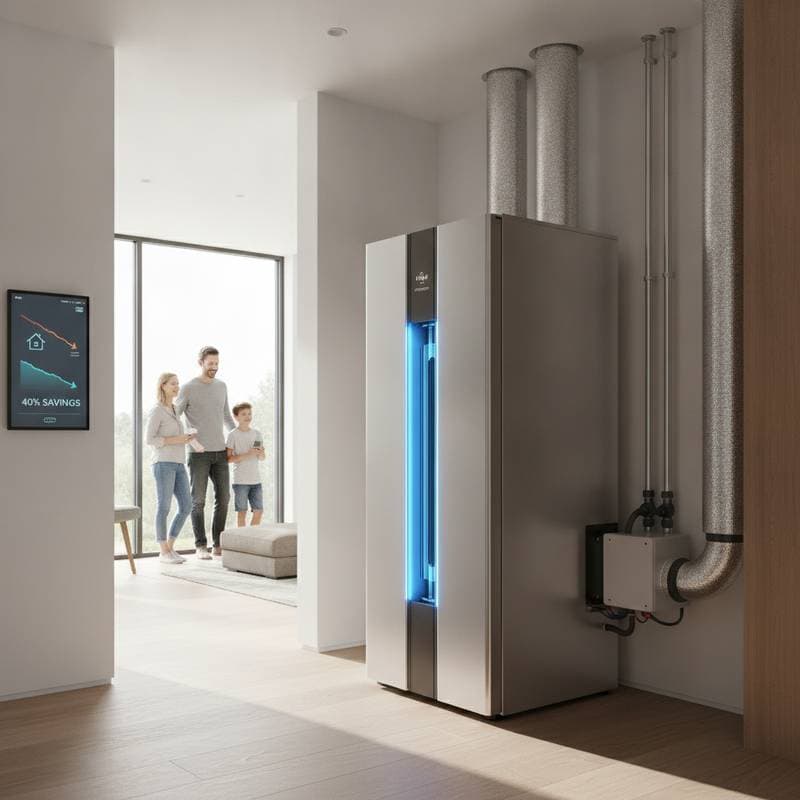
When updating furnaces or water heaters, prioritize locations that ease routine servicing and future modifications. Position equipment adjacent to your electrical panel or in insulated utility rooms to minimize heat loss and wiring runs, thereby cutting installation expenses. This strategic placement also supports integration with smart home controls, enabling remote monitoring and automated adjustments for peak efficiency.
Key Variables Shaping Your Project
The scale, timeline, and budget of an electrification endeavor depend on several interconnected elements. Understanding these helps you anticipate challenges and refine your approach for better outcomes.
- Age and Structural Integrity of the Home: Vintage properties may require comprehensive rewiring or subpanel additions to safely accommodate increased loads, adding to initial outlays but ensuring code compliance.
- Regional Climate Conditions: In temperate zones, standard heat pumps excel, but harsh winters demand cold-climate variants with enhanced defrost cycles and insulation to sustain output below freezing.
- Comparative Fuel Pricing: Regions with elevated natural gas rates see quicker financial breakeven on electric switches, as efficient models often consume less overall energy despite higher per-unit electricity costs.
- Availability of Qualified Tradespeople: Demand for electricians and HVAC specialists varies; in high-growth areas, book appointments early to secure competitive bids and avoid delays.
- Adaptability for Emerging Innovations: Reserve space for conduits and outlets to future-proof against advancements, such as bidirectional EV chargers that supply power back to the home or integrated solar inverters.
Frequently Asked Questions
How can I determine if existing wiring supports additional electric demands?
Engage a certified electrician to conduct a detailed load analysis, reviewing circuit capacities and projecting usage from new appliances. This assessment identifies headroom or flags necessary enhancements like service expansions.
Can heat pumps perform effectively in frigid weather?
Contemporary models engineered for low temperatures retain high efficiency down to minus 15 degrees Fahrenheit, thanks to variable-speed technology and low-global-warming-potential refrigerants that optimize heat transfer.
What cookware is compatible with induction surfaces?
Only ferromagnetic materials like cast iron or certain stainless steels respond to the magnetic field. Test compatibility by checking if a refrigerator magnet adheres firmly to the pan's base.
Does adopting electric appliances necessarily increase monthly electricity charges?
Initial bills may rise slightly due to higher usage, yet total household energy expenditures typically decline owing to the inherent efficiency of electric technologies. Enhance savings by incorporating rooftop solar panels or enrolling in utility time-of-use pricing plans that favor off-peak consumption.
Steps to Launch Your Electrification Initiative
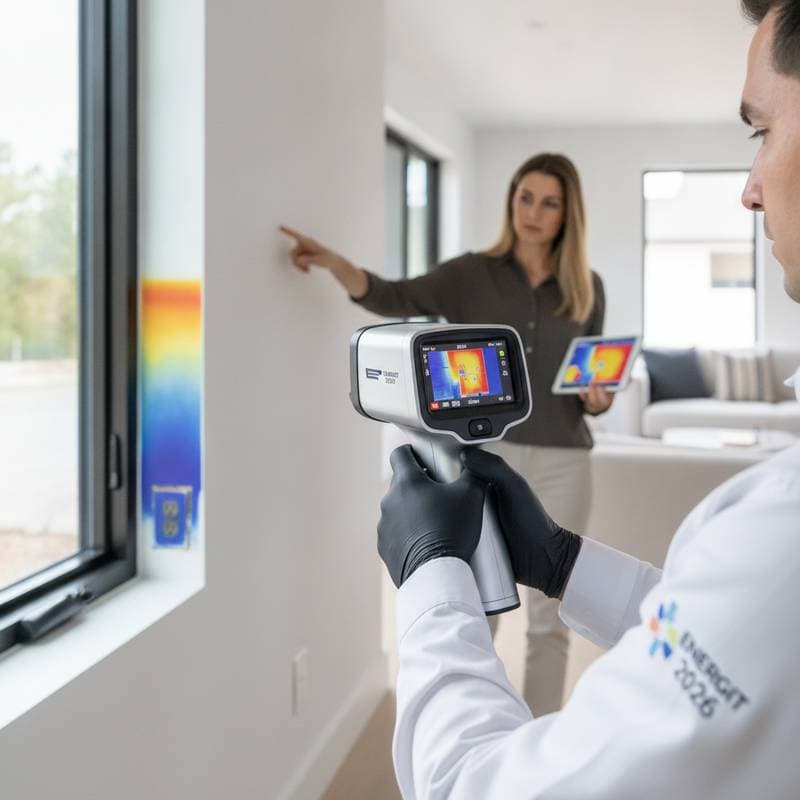
Embark on this journey by cataloging your gas-dependent appliances, noting their models, ages, and annual operating costs. Follow with a professional audit of your electrical setup to pinpoint capacity gaps and high-impact opportunities. Secure quotes from vetted contractors, factoring in incentives to build a realistic budget.
View each implemented change as a building block toward energy independence and environmental stewardship. This proactive stance not only curbs expenses but also cultivates a healthier, more resilient home equipped for tomorrow's demands.