Thermal Scans Reveal Your Home's Hidden Energy Leaks
Homes often lose heat or cool air through unseen paths, leading to higher utility bills and uneven temperatures. Thermal imaging provides a visual map of these losses by detecting temperature differences across surfaces. This technology empowers homeowners to address inefficiencies directly and improve overall energy performance.
Key Points
- Thermal imaging uses infrared sensors to capture subtle temperature variations, highlighting areas of heat escape or cold intrusion.
- Residential structures typically lose 25 to 30 percent of heating and cooling energy due to air leaks and insufficient insulation.
- Professional thermal audits range from $250 to $600 and can yield annual savings of $200 to $500 on energy costs.
- Smartphone-compatible thermal cameras, priced at $200 to $400, allow homeowners to perform initial scans without expert help.
- Combining thermal imaging with full energy audits uncovers comprehensive opportunities for efficiency upgrades.
What a Thermal Scan Reveals
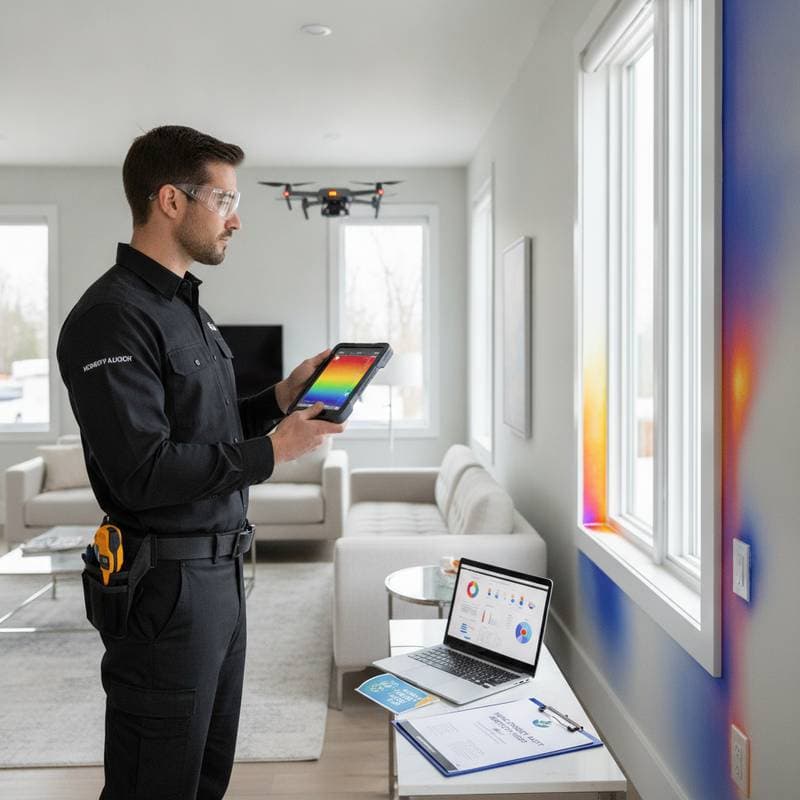
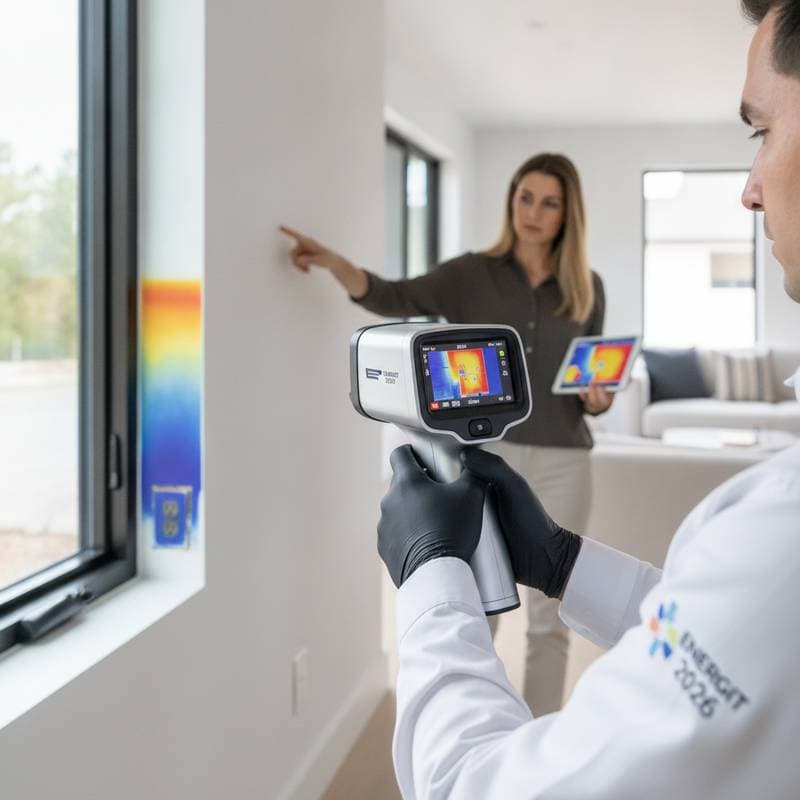
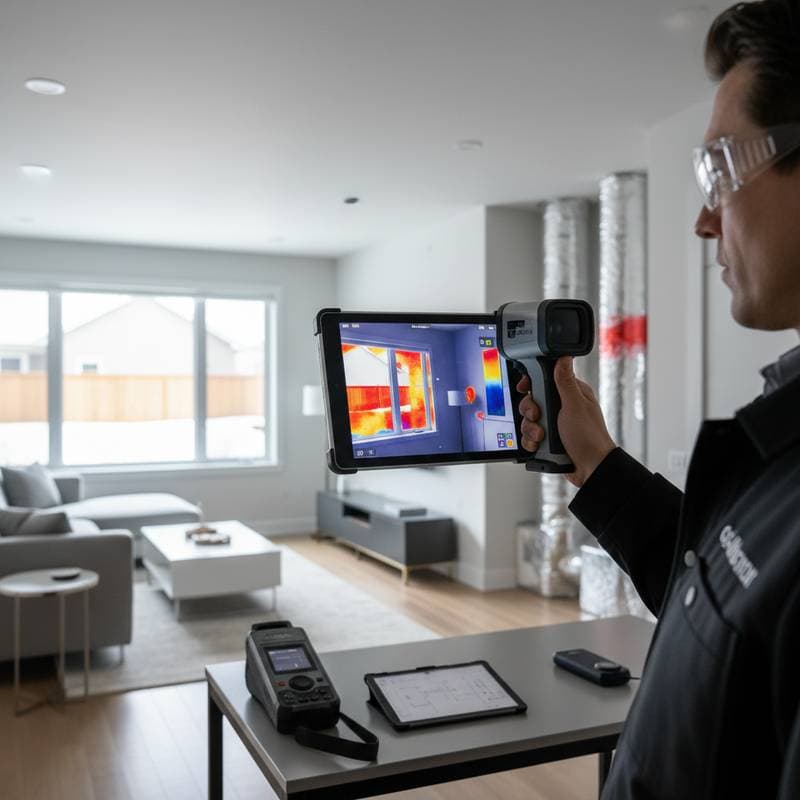
Thermal scans utilize infrared cameras to create images based on surface temperatures. Hotter zones appear in warmer colors like red or yellow, while cooler areas show in blues or purples. This approach exposes heat loss from walls, roofs, and foundations, as well as cold air entry points around doors and windows.
The U.S. Department of Energy estimates that air leakage and inadequate insulation account for about 25 percent of energy waste in typical homes. Thermal imaging locates these issues precisely, such as missing insulation in attics or drafts near outlets. Even well-maintained homes reveal surprises, like uneven coverage under floors or behind siding.
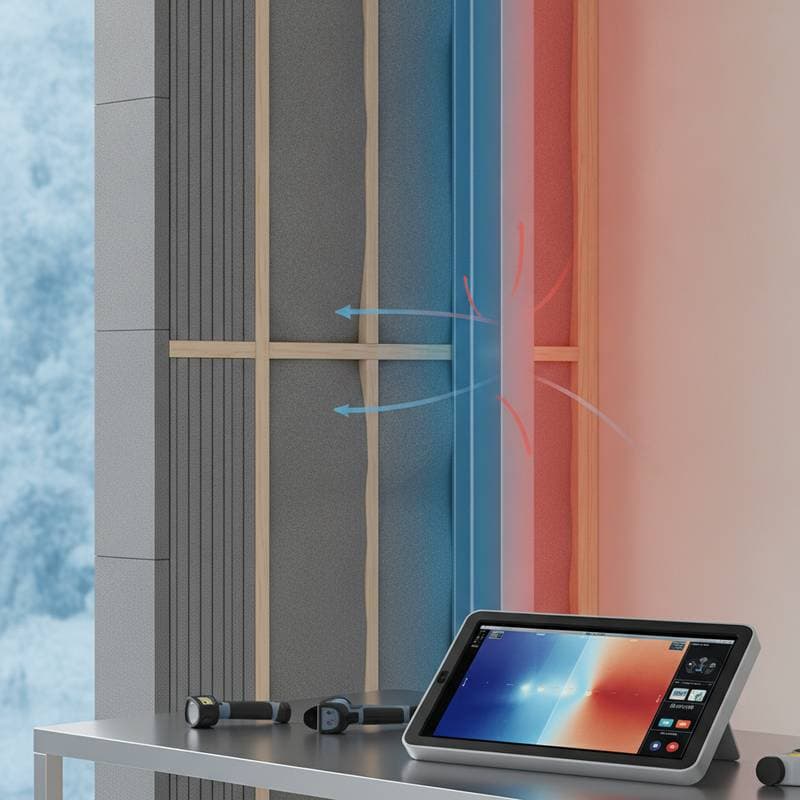
Advanced professional cameras detect temperature differences as low as 0.1 degree Celsius. These devices uncover problems invisible during standard visual checks. For example, a solid-looking wall might show thermal bridges where heat flows rapidly through structural elements.
Common Sources of Hidden Energy Loss
Thermal scans consistently identify patterns of inefficiency in home construction and maintenance.
| Area | Typical Issue | Potential Energy Loss |
|---|---|---|
| Attic and Roof | Missing or settled insulation | Up to 25 percent |
| Windows and Doors | Gaps in seals or frames | 10 to 20 percent |
| Walls | Heat conduction via studs or gaps | 15 percent |
| Floors and Basements | Cracks in foundations or subfloors | 5 to 10 percent |
| HVAC Ducts | Uninsulated sections or joints | 20 to 30 percent of system output |
Unexpected vulnerabilities often appear in modern builds. An attic access panel without weatherproofing can create significant drafts. Similarly, recessed ceiling lights may allow conditioned air to escape into uninsulated spaces above.
Professional Versus DIY Thermal Scanning
Homeowners weigh options between hiring specialists and using personal tools for thermal assessments. Each method offers distinct advantages in accuracy and convenience.
Professional Scans
- Produce detailed, high-contrast images using calibrated equipment.
- Include interpretations from trained auditors who spot subtle anomalies.
- Often pair with diagnostic tests like pressure measurements for deeper insights.
DIY Scans
- Involve attachments for smartphones or standalone cameras costing $200 to $400.
- Enable repeated checks on specific areas, such as after weather changes.
- Require attention to environmental factors to avoid misleading readings from glare or uneven lighting.
A hybrid approach maximizes effectiveness. Start with DIY scans to flag potential problems, then consult professionals for confirmation and repair recommendations.
Interpreting Thermal Images
Effective interpretation of thermal images involves more than observing color shifts. A warm spot near a sill might indicate a leak or simply solar gain on the surface. Professionals account for variables by scanning during stable conditions with at least a 20-degree Fahrenheit difference between indoors and outdoors.
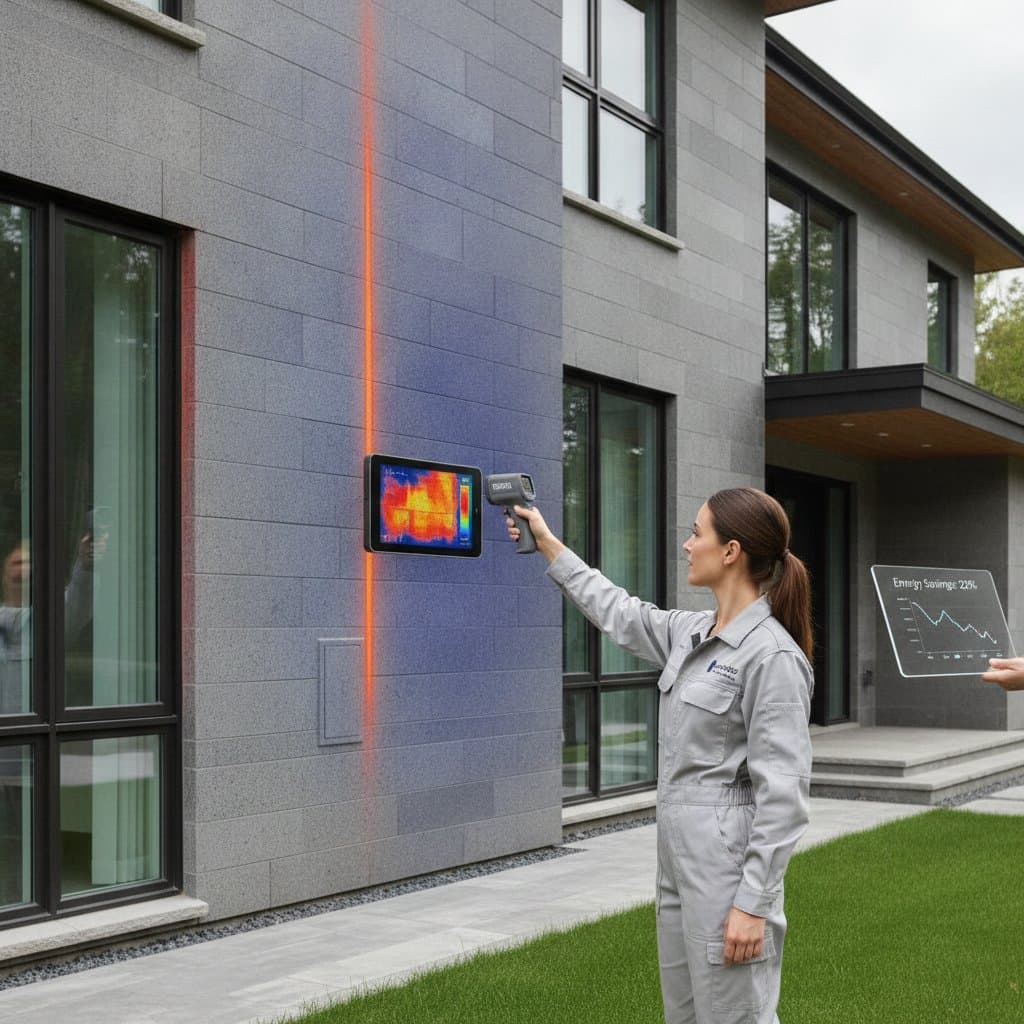
Focus on consistent patterns rather than isolated spots. Continuous cool lines along wall edges point to air infiltration, while broad cold patches suggest insulation deficiencies. Distinguish between issues by noting shapes: leaks create linear trails, whereas moisture problems produce diffuse cooling across larger areas.
Implementing Fixes from Scan Results
Once scans identify weaknesses, targeted repairs deliver quick improvements. Seal minor gaps around doors and windows with foam tape or silicone caulk to block drafts immediately.
For insulation gaps, install blown-in materials like fiberglass or cellulose through small access points. Duct repairs involve applying metal-backed tape or sealant to joints, potentially recovering 20 percent of lost HVAC efficiency.
Most fixes recoup costs within two to four years through lower bills. Expect 10 to 25 percent reductions in annual energy use, depending on the extent of upgrades implemented.
Integrating Thermal Scans with Energy Audits
Thermal imaging enhances the value of complete energy audits. During a blower door test, technicians pressurize the home to exaggerate leaks, making them visible under infrared. This pairing provides both visual confirmation and quantitative data on air movement.
Conduct scans before and after repairs to measure improvements objectively. Such documentation supports claims for incentives from utility companies.
Many providers offer rebates covering 50 to 100 percent of audit costs, along with low-interest loans for qualifying enhancements.
Optimal Timing and Practical Tips
Schedule scans when temperature differentials are greatest, such as on cool fall days or warm summer evenings. Avoid midday sun, which can warm exteriors and obscure true patterns.
In moist environments, reduce indoor humidity with ventilation or dehumidifiers prior to scanning. For larger properties, complete assessments in phases to maintain consistent conditions across sessions.
Steps to Conduct Your Scan and Secure Savings
Thermal imaging transforms abstract energy concerns into visible priorities. Integrate it into home maintenance routines, pre-sale preparations, or renovation plans.
Purchase an entry-level infrared device and systematically scan key areas like attics and exteriors. Record findings with photos and notes, then schedule a professional review for complex issues. Execute prioritized repairs and track utility statements to verify reductions.
These efforts result in consistent indoor climates, lower expenses, and greater home resilience.