Key Points
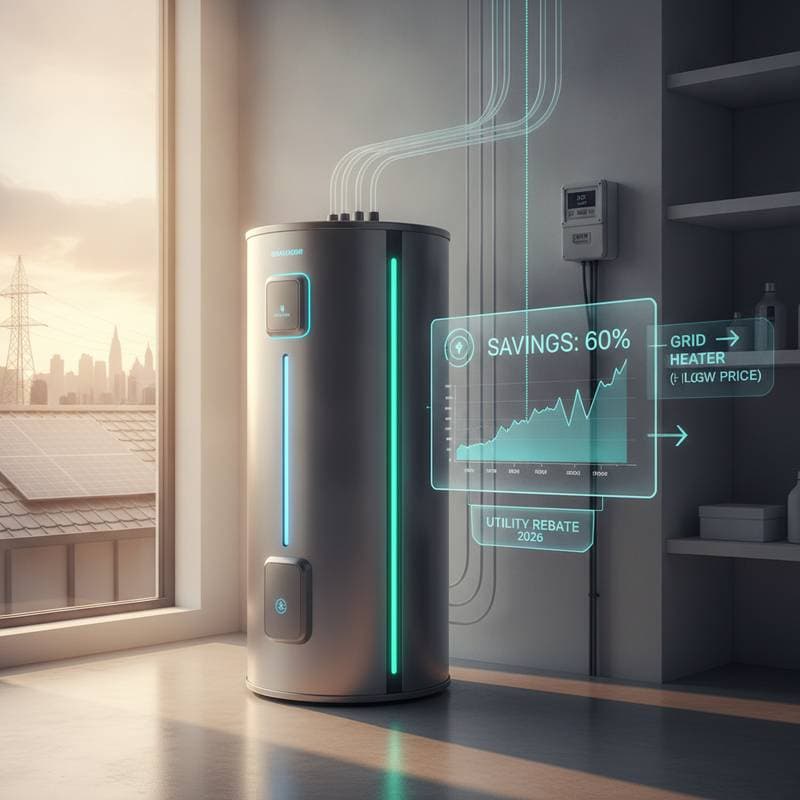
- Grid-interactive water heaters reduce household energy bills by up to 50 percent through effective grid management.
- These devices coordinate with the electric grid to store and deploy heat according to supply and demand, yielding financial and environmental advantages.
- Homeowners gain access to incentive programs, off-peak pricing benefits, and enhanced energy system reliability.
- Implementation requires smart controls and expert installation to guarantee safety, optimal performance, and enduring returns.
The Everyday Power Problem
Imagine preparing breakfast while the dishwasher cycles and the water heater activates simultaneously. This surge in energy use strains the grid, elevating costs across the board. When scaled to millions of homes, the pressure intensifies, underscoring the need for solutions that distribute demand more evenly.
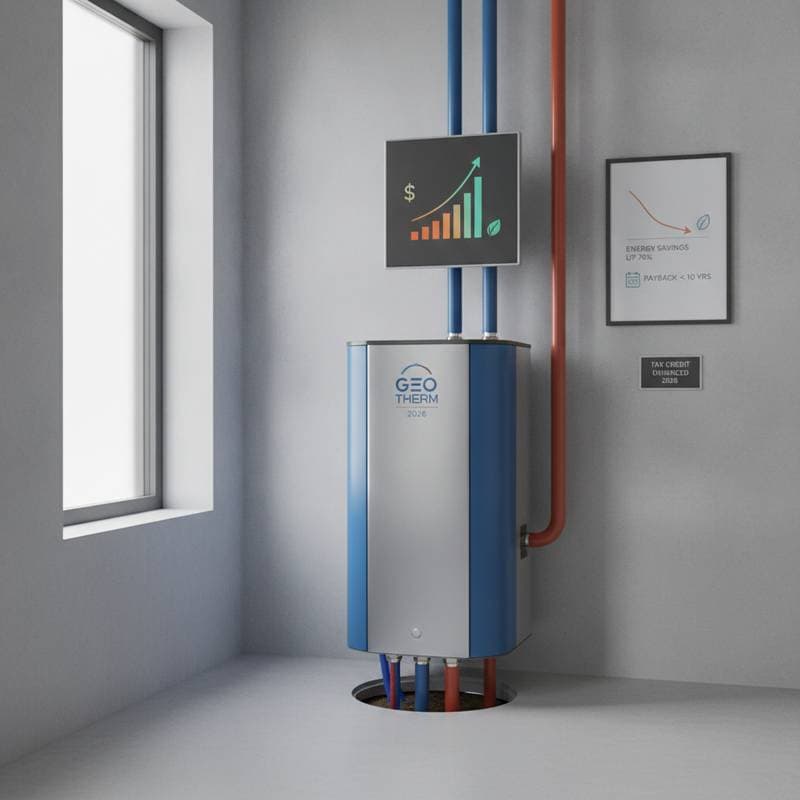
Grid-interactive water heaters address this challenge through advanced technology that merges intelligent controls, thermal storage, and utility communication. Beyond simply heating water, these units stabilize the grid and lower personal expenses. They function like an efficient coordinator, preheating during low-cost periods and conserving energy when demand peaks.
Why This Matters for Homeowners
With energy prices varying widely, families seek dependable methods to manage expenses. Water heating represents 15 to 20 percent of a typical home's energy use, making it a prime target for optimization. Adopting a grid-interactive system enables enrollment in demand-response initiatives, which compensate for shifting consumption to times of abundant, low-cost power.
This approach extends beyond savings to foster a more robust energy infrastructure. Collective participation from households diminishes the need for fossil-fuel activation during high-demand intervals, curbing emissions and enhancing grid stability. Setup automation ensures these benefits occur seamlessly, requiring minimal ongoing effort.
How Grid-Interactive Water Heaters Work
These heaters resemble conventional electric units but incorporate sophisticated communication features. They receive directives from utilities or grid managers to adjust operations dynamically. During surplus renewable output, the heater builds reserves of hot water; under stress, it reduces draw or pauses briefly.
This process effectively relocates energy usage without compromising daily needs like hot showers or dishwashing. Core elements include:
- Smart controls that interface with the grid and orchestrate heating sequences.
- Thermal storage enabling the tank to retain heat over time with minimal degradation.
- Automated alignment with tariff signals or incentive structures for optimal timing.
Planning the Upgrade
To pursue this upgrade, first inspect your current water heater. Retrofitting smart modules works well for existing electric tanks, whereas gas systems often necessitate complete replacement for grid compatibility.
Consider these elements:
- Tank capacity: Opt for larger sizes to enhance storage and grid-response capabilities.
- Usage patterns: Homes with consistent hot water demands benefit most from scheduled cycles.
- Network reliability: Ensure stable Wi-Fi or direct utility connections for seamless operation.
- Regional incentives: Research utility rebates or credits available for demand-response enrollment.
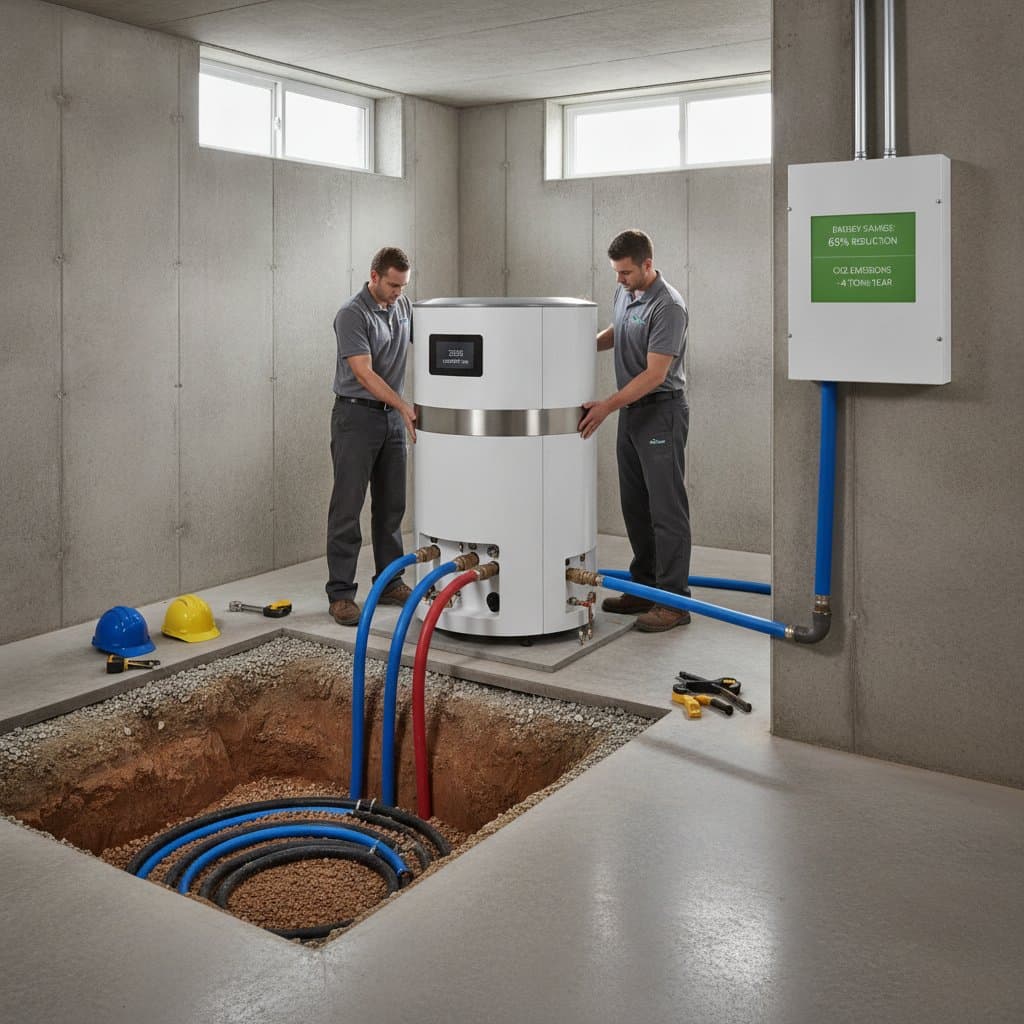
Engage a certified professional for installation. They will confirm electrical suitability, adhere to codes, and configure software correctly.
Cost Breakdown and Return on Investment
Upfront expenses for grid-interactive models exceed standard electric heaters by 20 to 40 percent, primarily due to integrated controls and connectivity. Installation fees depend on local rates and upgrades needed, yet many recoup costs via bill reductions in three to five years.
Projected savings vary by engagement and pricing models:
- **Time-of-use ** Yields 10 to 15 percent yearly reductions.
- Full demand-response involvement: Offers 20 to 50 percent potential cuts.
- Incentive programs: Provide direct offsets like rebates to ease initial outlay.
Long-term, these heaters extend unit longevity by mitigating peak loads and boost property appeal amid rising demand for efficient homes.
Sustainable Features and Efficiency Improvements
These systems advance environmental goals by synchronizing with renewable sources, facilitating greater solar and wind incorporation. This strategy lessens dependence on fossil reserves, directly lowering carbon outputs.
Integrated heat pump variants draw ambient heat for water warming, achieving up to three times the efficiency of resistive methods. Paired with grid syncing, they deliver reduced costs, minimized ecological footprint, and consistent comfort.
For advanced setups, combine with solar panels or batteries. Excess daytime generation can preheat water, converting the tank into an efficient thermal reservoir.
Addressing Common Challenges
Concerns about hot water availability during grid events are understandable but infrequent. Algorithms prioritize comfort by adjusting schedules rather than temperatures.
Network disruptions pose another issue; in such cases, the unit defaults to standard operation until restored. Annual updates safeguard against vulnerabilities.
Mitigate risks by:
- Securing and stabilizing home internet.
- Arranging yearly technician checkups.
- Using the app to oversee efficiency and track reductions.
Frequently Asked Questions
Can I install a grid-interactive water heater independently?
Hire a licensed electrician or plumber. Proper handling of wiring, circuits, and programming requires specialized knowledge for safe, compliant results.
Do these heaters suit every climate?
They adapt well, with variations in output. Heat pumps excel in temperate zones, while hybrids ensure performance in cooler regions.
What occurs during outages?
Insulated tanks preserve heat for hours post-interruption. Upon restoration, the system resumes its programmed routine automatically.
Are privacy risks involved?
Communications adhere to rigorous standards, transmitting only essential operational data without revealing personal habits.
How to verify utility support for demand-response?
Consult online resources or account portals. Absent programs, the heater functions as an efficient independent device.
Realizing Ongoing Value
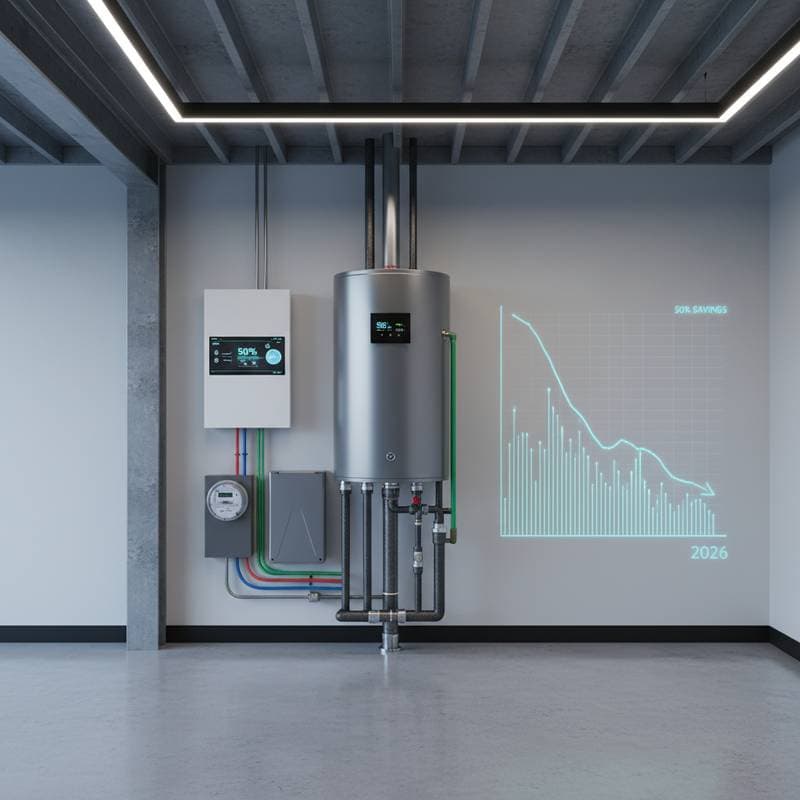
Grid-interactive water heaters position households for sustained savings and resilience as energy landscapes evolve. By 2026, widespread adoption promises halved bills for proactive owners, alongside broader grid enhancements. Start assessing options today to secure these advantages and contribute to a cleaner energy future.