Home Microgrids: Ensuring Reliable Power During Storms
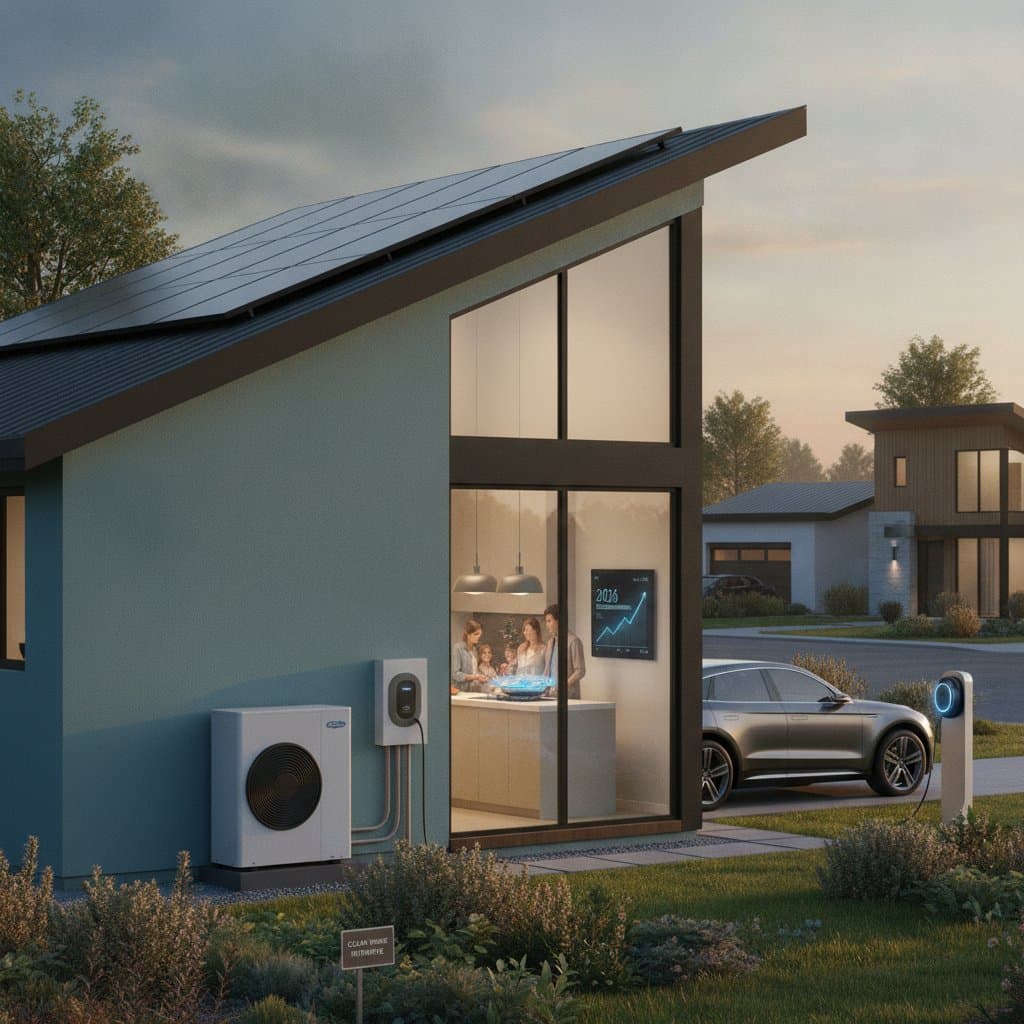
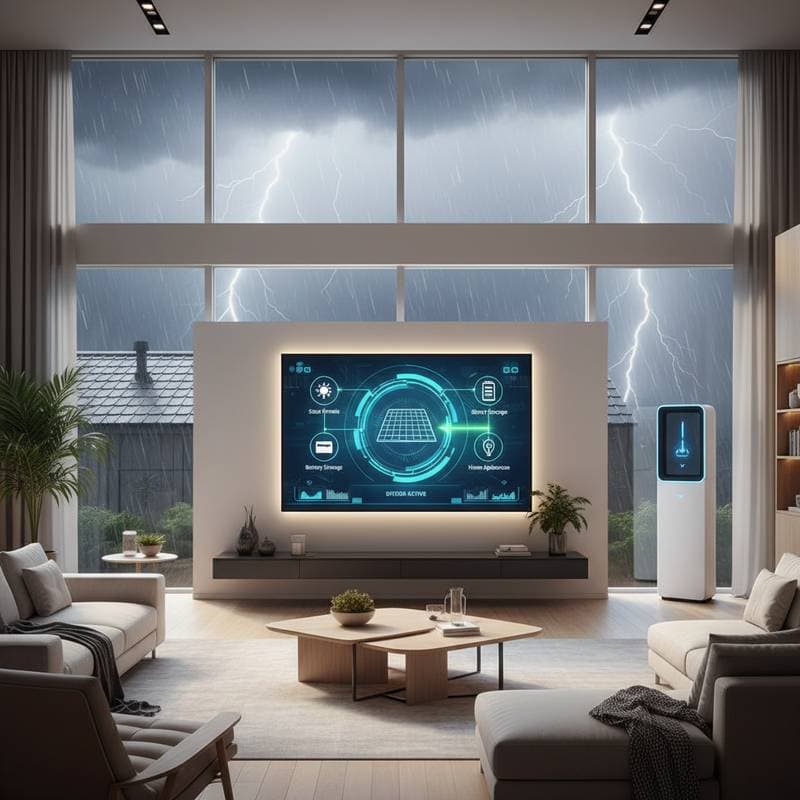
Homeowners face growing challenges in maintaining electricity amid severe weather. Home microgrids offer a strong solution by combining solar panels, battery storage, and smart controls into self-contained energy networks. These systems deliver continuous power while advancing sustainability and reducing expenses.
Energy experts report that homes with well-designed microgrids cut annual utility bills by as much as 40 percent. The setups function independently when the main grid goes down, providing protection from storms and blackouts. Technology in this field evolves quickly, with forecasts showing broad use by 2026 to strengthen energy self-sufficiency.
Understanding Home Microgrids
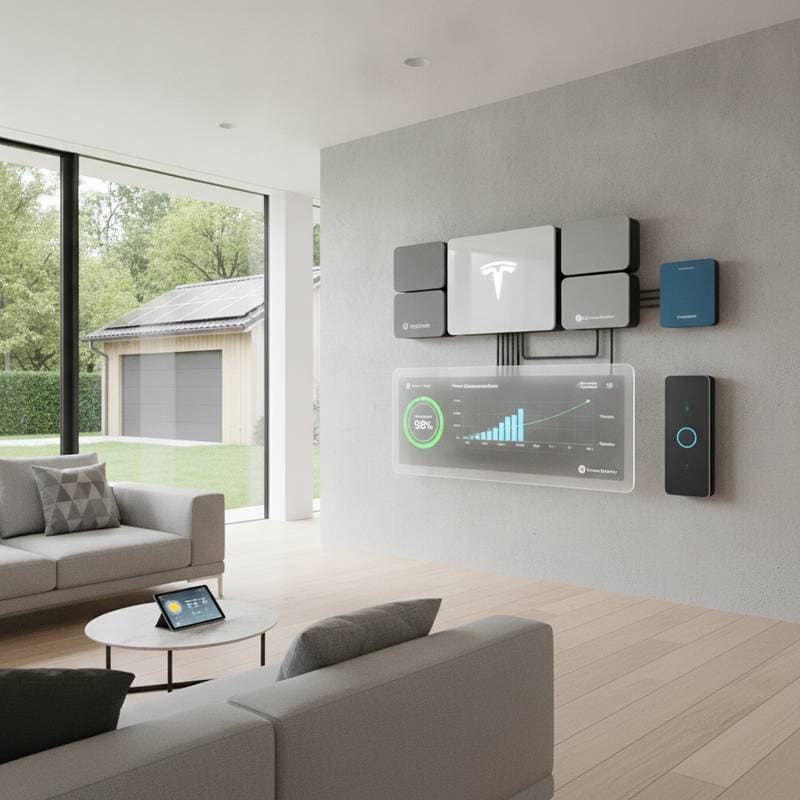
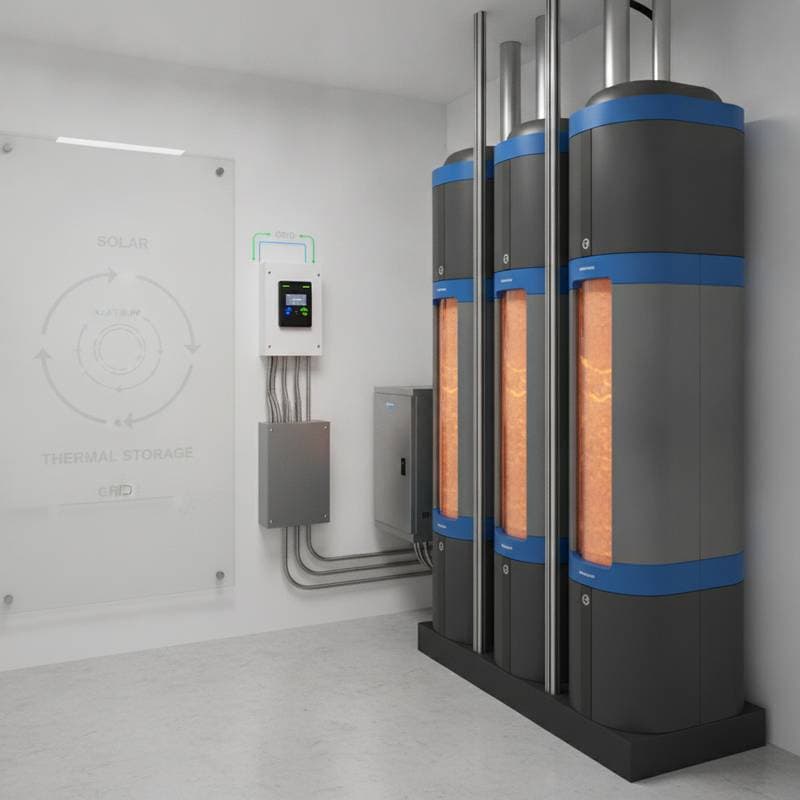
A home microgrid serves as a compact energy system that runs alone or alongside the utility grid. Key elements consist of photovoltaic panels for power creation, inverters for alternating current conversion, and batteries for energy retention. Intelligent software directs energy distribution, focusing on vital appliances during interruptions.
The process starts with an evaluation of the property to gauge sunlight access and electricity demands. For example, a standard three-bedroom residence often needs 5 to 10 kilowatts of solar capacity along with 10 to 20 kilowatt-hours of battery storage. This arrangement meets routine requirements and holds reserves for high evening use or crises.
Advantages surpass mere dependability. Microgrids reduce carbon emissions through greater use of renewables and decrease expenses via net metering options. In areas vulnerable to hurricanes or power failures, they provide reassurance by keeping refrigerators, medical equipment, and communication devices operational.
Expert Tips to Boost Your Home’s Eco-Efficiency
Optimal results demand careful preparation. Experts suggest these measures to enhance performance and durability.
-
Evaluate Local Conditions: Examine roof angle, direction, and obstacles like trees or structures. Local sunlight availability, which averages 4 to 6 peak hours per day across much of the United States, shapes energy yield. Hire an energy auditor to simulate output with tools such as PVWatts for accurate system sizing.
-
Plan for Scalability: Choose modular parts, including stackable batteries and adaptable inverters. Future expansions, such as electric vehicle charging stations or pool heating units, connect without major redesigns. Design for at least 20 percent increase in energy needs over the next five years.
-
Optimize Storage: Select lithium-ion batteries for superior efficiency and discharge rates up to 90 percent. Residential models cost between $8,000 and $15,000, with service lives of 10 to 15 years during typical use. Integrate with management software to release stored power during peak pricing times for greater savings.
-
Stay Code Compliant: Follow regulations such as NEC 690 for solar installations and UL 9540 for storage systems. Licensed installers handle permits, checks, and grid connections with ease. Compliance avoids penalties or modifications and includes fire safety features like rapid shutdown mechanisms.
Green building professionals stress expertise in hybrid functions. Systems transition smoothly from grid-connected operation, where excess power feeds back, to isolated mode for self-reliance, preserving stable voltage at all times.
Practical Considerations for Cost and Maintenance
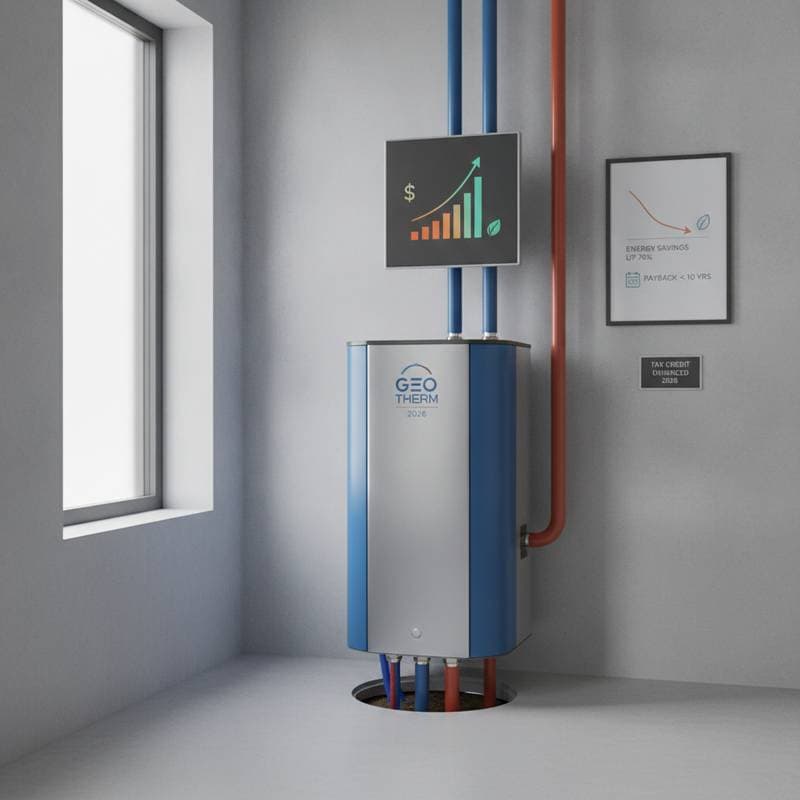
Upfront expenses for a full home microgrid fall between $20,000 and $40,000, based on scale and options. Federal programs, such as the 30 percent Investment Tax Credit, plus state incentives, often halve the net cost. Return on investment typically occurs in 5 to 10 years through reduced utility payments and income from excess energy sales.
Routine upkeep remains simple and accessible. Homeowners perform monthly checks to remove panel debris and review app notifications for irregularities. Yearly expert reviews examine battery condition, connections, and software updates, at a cost of $200 to $500.
These systems operate quietly, featuring few moving components aside from enclosure fans. Built-in protections, including overcharge prevention and fault detection, function automatically. Owners note increased home values, as microgrids attract environmentally aware purchasers and qualify for insurance reductions on resilient properties.
Energy consultant Maria Chen observes, “The smartest microgrids blend technology with user awareness. When homeowners understand how their system behaves, they unlock its full savings potential.” This view highlights education's role; ongoing analysis of consumption habits enables adjustments for peak efficiency.
Steps to Implement Your Microgrid
Begin the shift by reviewing your energy usage. Collect one year of utility statements to pinpoint high-demand periods and average costs. Use web-based estimators to project solar contributions according to your region and family size.
Then, engage qualified specialists via trusted associations. These professionals perform site visits, developing tailored plans that incorporate available rebates and weather patterns. In sun-rich Southwest locations, larger panel arrays receive focus; in fluctuating Midwest settings, expanded storage becomes essential.
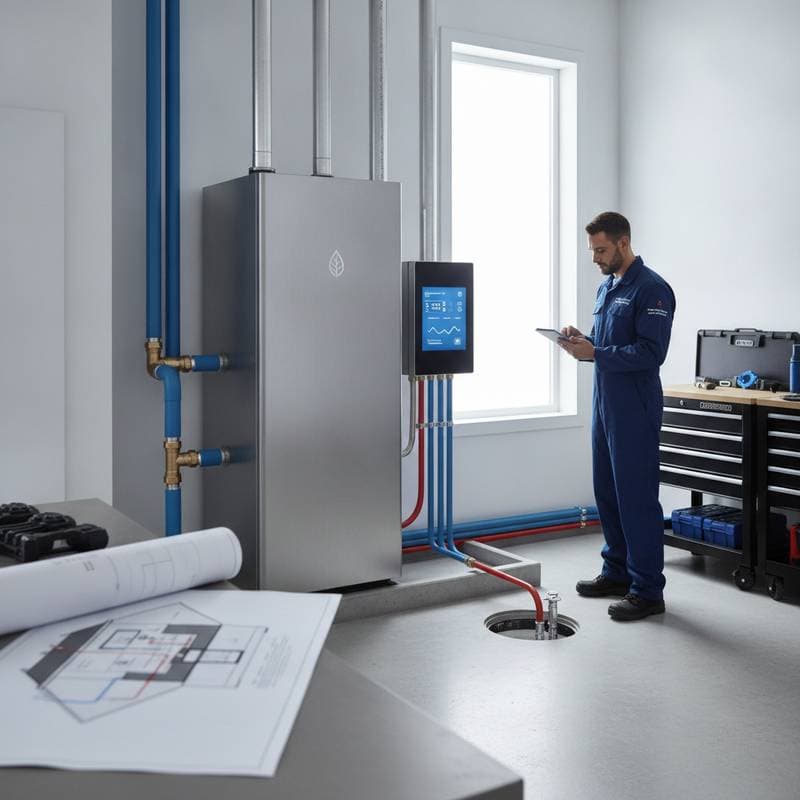
Installation proceeds in stages: mounting hardware, wiring connections, and final testing. After completion, orientation covers interface use and backup procedures. This methodical method ensures year-round reliability.
Realizing the Benefits of Energy Independence
Installing a home microgrid turns potential weaknesses into assets. Families maintain steady electricity for everyday activities, from illuminating meals to powering gadgets in prolonged outages. On the environmental side, each installation prevents thousands of pounds of carbon dioxide emissions each year, aiding larger conservation goals.
Economically, benefits accumulate via smaller bills and self-sufficient operations. Neighborhoods gain as clustered microgrids ease pressure on shared networks during high-demand incidents. In essence, this choice fortifies a residence that balances individual security with global well-being.
Frequently Asked Questions
Q: How long does it take to install a home microgrid?
A: Residential installations generally span 4 to 8 weeks from planning to operation, influenced by approvals and supply timelines.
Q: What size microgrid suits an average household?
A: A 5 to 10 kilowatt solar setup paired with 13 kilowatt-hours of storage meets core needs for a four-person family, sustaining lights, appliances, and heating for a full day off-grid.
Q: Can microgrids integrate with existing home systems?
A: Yes, connections through transfer switches target key circuits, providing smooth support without full-house rewiring.
Q: Are there risks associated with battery storage?
A: Current designs incorporate heat regulation to lower fire hazards, and setups comply with codes that position units safely distant from occupied spaces.