Key Points
- Geothermal HVAC systems utilize stable underground temperatures to provide efficient heating and cooling for homes.
- Installation costs range from moderate to high initially, yet they yield 30 to 70 percent savings on energy over time.
- Equipment lasts for decades with low maintenance, ensuring strong returns on investment.
- These systems suit nearly all climates and work for both new builds and existing structures.
- Financing options, tax credits, and incentives substantially reduce upfront expenses.
Addressing Seasonal Comfort Challenges
Homeowners everywhere encounter the challenge of maintaining comfortable indoor temperatures without excessive energy use or environmental impact. Conventional air conditioning depends on variable outdoor air temperatures, which makes compressors strain during peak demand periods. This leads to elevated utility bills, increased repair needs, and a larger carbon footprint.
Geothermal HVAC provides a reliable solution. These systems draw on the steady temperatures beneath the earth's surface to regulate indoor environments with greater efficiency. Although the technology dates back decades, recent advancements have established it as a dependable and eco-friendly option for home climate control.
The Growing Importance of Geothermal Systems
Rising energy prices prompt homeowners to balance financial savings with environmental stewardship. Geothermal HVAC meets these demands by slashing operating expenses and advancing sustainability objectives.
A geothermal heat pump exchanges heat between the home and the ground, bypassing reliance on outdoor air. The earth holds a nearly constant temperature throughout the year, so the system functions with little wasted energy. In summer, it extracts heat from the home and releases it into the ground. In winter, it reverses to draw heat from the earth into the living space.
System Mechanics Explained
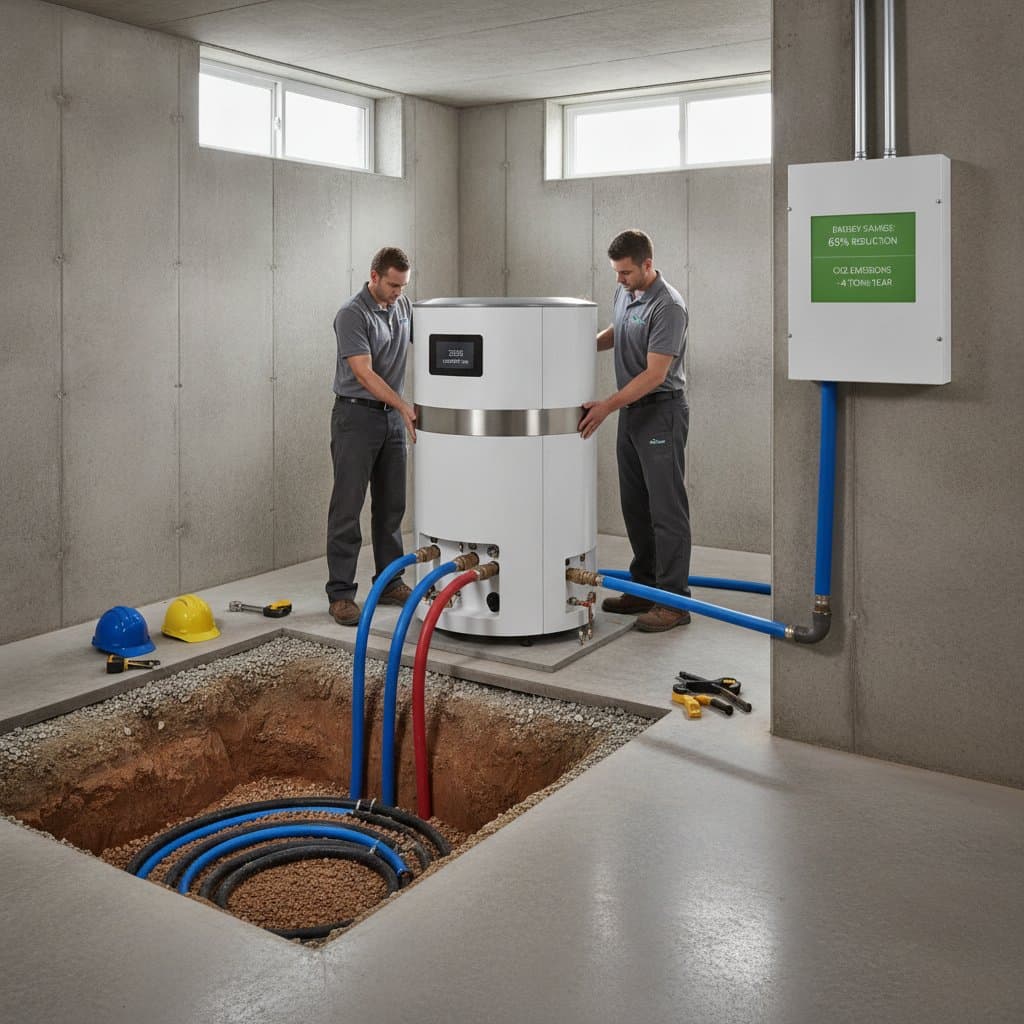
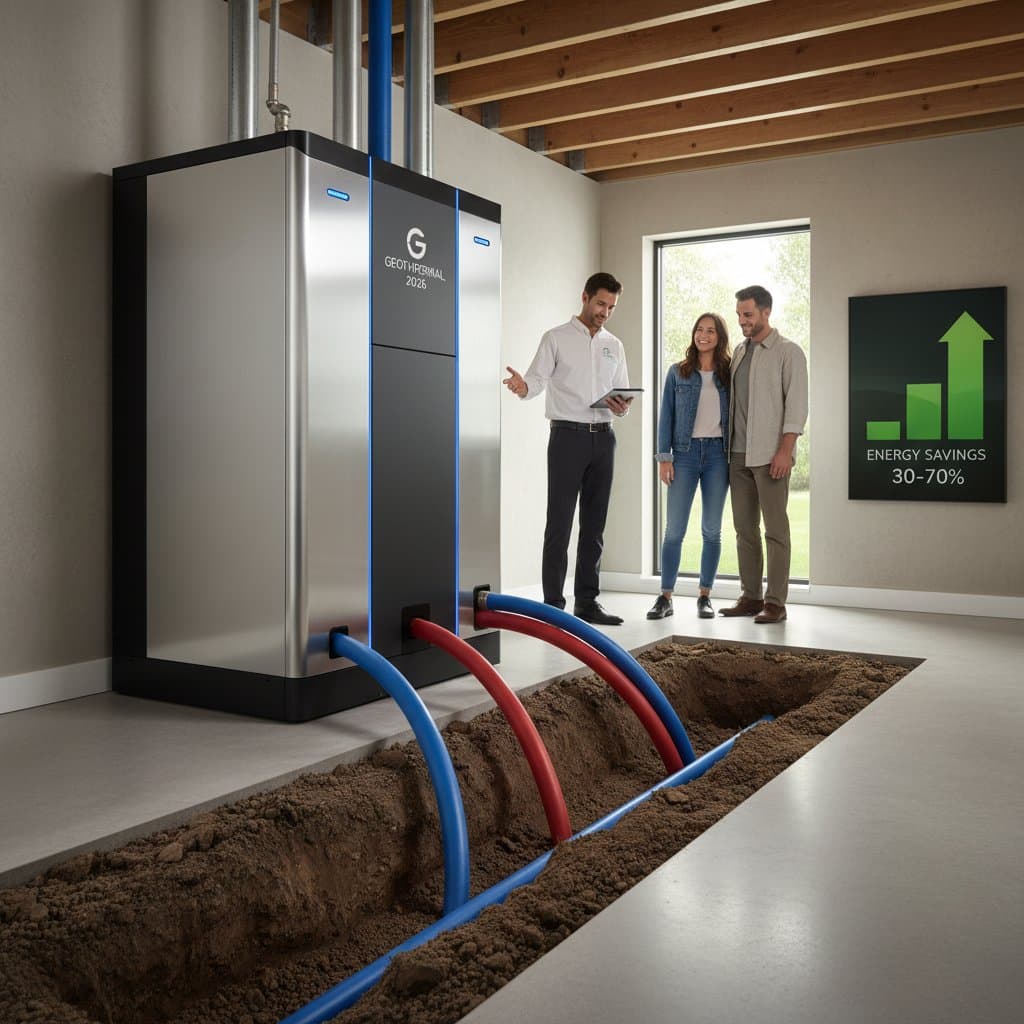
The core of a geothermal setup involves a closed-loop network of pipes known as the ground loop, installed horizontally or vertically based on site specifics like space and soil type. This loop circulates a fluid mixture that absorbs and transfers heat to or from the ground. Inside the home, the heat pump processes this energy and distributes it via standard ducts or radiant heating elements.
Efficiency stands out as the primary benefit. Geothermal systems produce three to five units of heating or cooling for each unit of electricity consumed by the pump. This results in performance ratings of 300 to 500 percent, surpassing air-source alternatives by a wide margin.
Essential Components
- Ground Loop: Underground pipes that facilitate heat exchange between the earth and the residence.
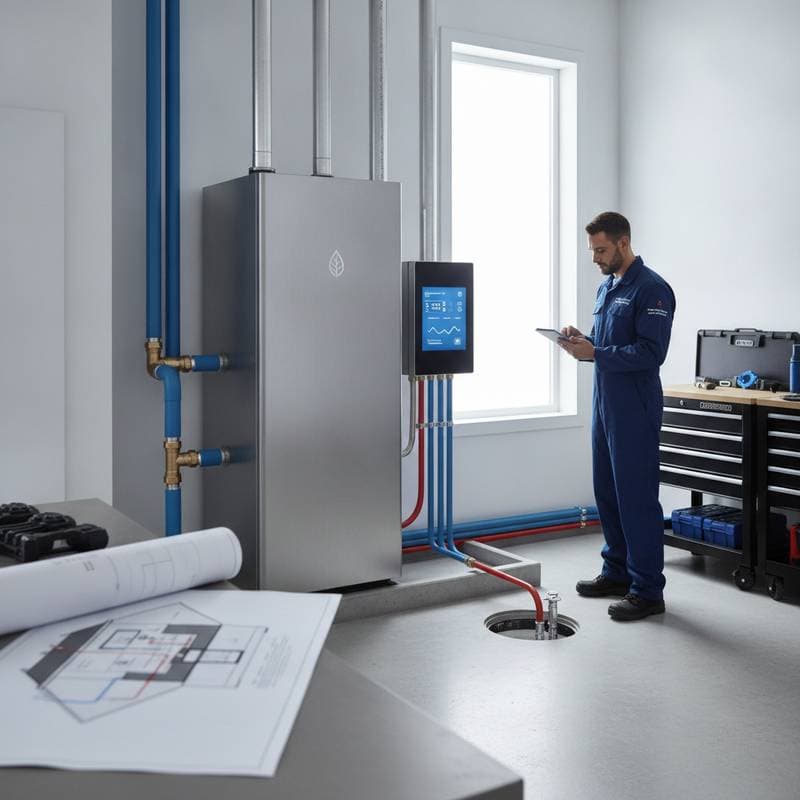
- Heat Pump Unit: The central device that directs heat flow based on seasonal requirements.
- Distribution System: Networks of ducts, underfloor heating, or fan coils that circulate conditioned air or water throughout the home.
These elements endure for extended periods. The ground loop often lasts 50 years or longer, and the indoor heat pump functions effectively for 20 years or more with routine maintenance.
Evaluating Costs and Returns
Upfront expenses deter some prospective users. For an average home, installation varies from moderate to high based on factors such as location and system scale. However, a full lifecycle assessment reveals geothermal as a prudent financial choice.
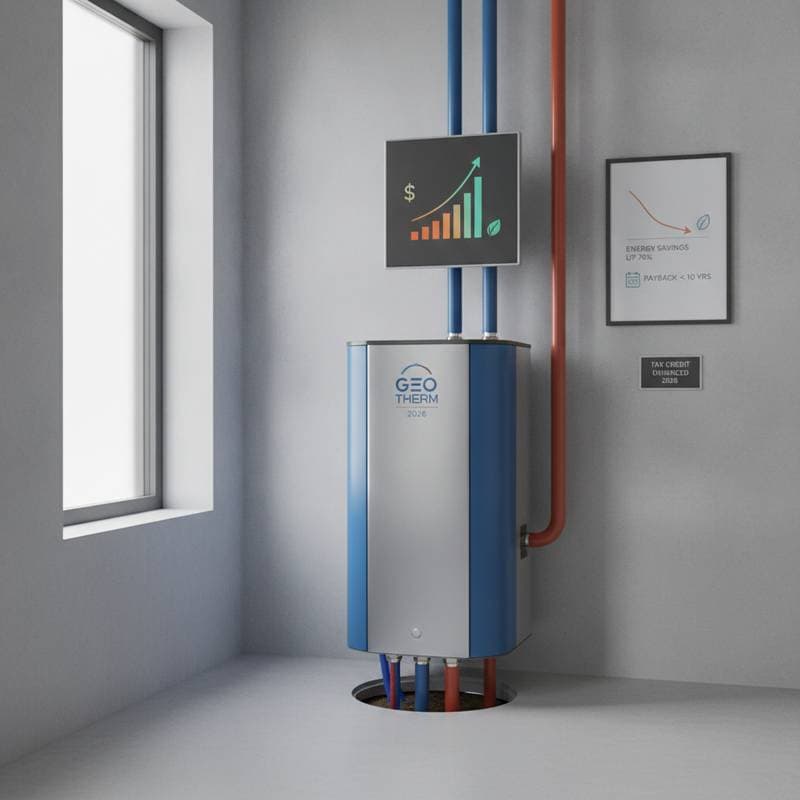
Compared to traditional systems, energy reductions typically fall between 30 and 70 percent. These savings build over years, often recouping the initial outlay through lower utility and upkeep costs within 5 to 10 years.
Geothermal installations also elevate home worth. Prospective buyers value energy-efficient, low-maintenance features. Industry experts note that such upgrades can raise resale prices by 3 to 5 percent and shorten listing times.
Cost Comparison Overview
| Factor | Traditional HVAC | Geothermal HVAC |
|---|---|---|
| Initial Cost | Lower | Higher |
| Operating Cost | High | Low |
| Maintenance | Frequent | Minimal |
| Lifespan | 15 years | 25+ years |
| Energy Use | Inconsistent | Consistent and efficient |
Environmental and Health Advantages
Geothermal HVAC taps into renewable earth energy, decreasing dependence on fossil fuels and curbing emissions. Without outdoor compressors, it preserves quieter surroundings for communities.
Home interiors benefit from even temperatures, eliminating the fluctuations typical of standard units. Enhanced air quality arises from steady humidity levels and no combustion residues. Families dealing with respiratory issues often experience improved well-being from this consistent environment control.
Versatility in Diverse Settings
Geothermal technology excels in adaptability. Ground temperatures remain stable mere feet underground, enabling reliable performance from humid tropics to arid deserts and cold mountains.
Design choices hinge on local variables. Soil composition, water availability, and land size determine loop orientation. Experts conduct thermal tests and site surveys to tailor the setup for maximum effectiveness.
Funding and Support Options
Several avenues ease the financial entry point for geothermal adoption.
- Specialized Loans: Banks provide low-interest loans targeted at energy-efficient improvements.
- Equity-Based Loans: Leverage home equity to finance the project, potentially enhancing overall asset value.
- Public Programs: Regional tax credits, rebates, and grants can offset 30 percent or more of costs.
Layering these approaches minimizes immediate outlays, enabling quick access to savings during repayment.
Installation and Upkeep Essentials
Professional skills prove essential for geothermal deployment. Configurations must align with soil properties, home insulation, and usage patterns. Accredited technicians adhere to rigorous protocols for safety and performance.
Installation Phases
- Site Assessment: Examine soil, space, and heating-cooling needs.
- Design Planning: Select loop type, pump size, and compatibility with current infrastructure.
- On-Site Work: Excavate for loops, install pipes, and position the indoor equipment.
- Performance Check: Test operations and adjust settings for peak efficiency.
Ongoing care remains straightforward. Replace filters periodically, monitor fluid, and check pressures. An annual professional inspection suffices to maintain optimal function.
Durability and Reliability Features
Geothermal systems shine in longevity. Subsurface loops shield against elements, rust, and damage. Internal parts face even loads, minimizing breakdowns.
Free from burning fuels, they eliminate risks like gas leaks. In severe weather, performance holds steady, unaffected by surface extremes. This robustness ensures dependable operation over generations.
Enhancing Home Wellness
Beyond basic climate regulation, geothermal fosters healthier spaces. Silent functionality lowers noise pollution, balanced moisture deters allergens, and pure energy use promotes eco-conscious living.
It complements wellness initiatives, such as superior filtration, non-toxic finishes, and nature-inspired interiors. These integrations cultivate environments that nurture physical health and mental tranquility.
Preparing for Energy Transitions
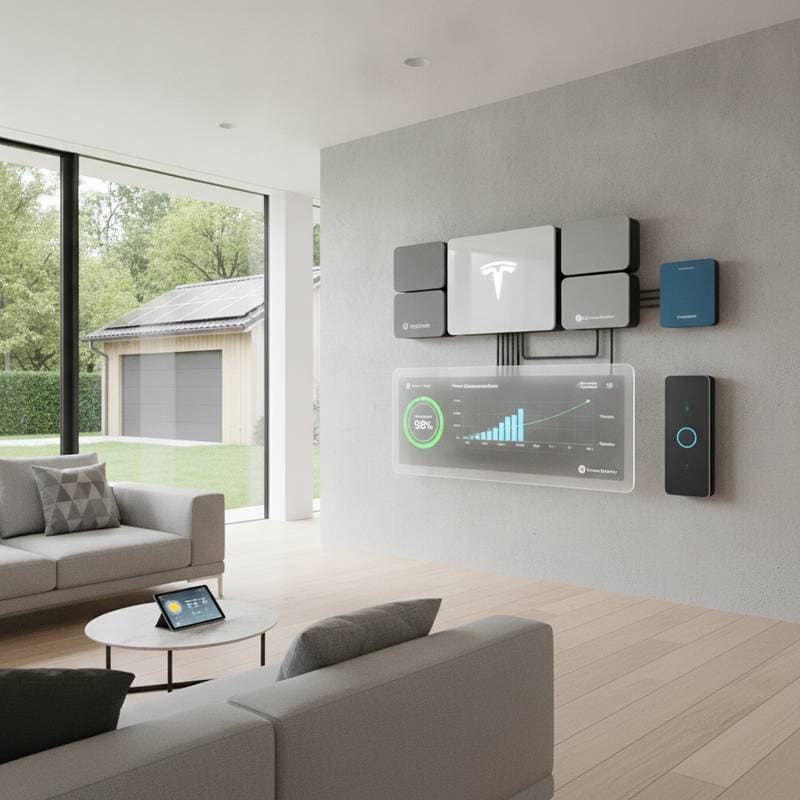
Evolving regulations favor efficient designs, placing geothermal adopters in compliance. It pairs effortlessly with solar arrays for near-zero energy homes.
The infrastructure accommodates expansions, from room additions to automated controls. Homeowners gain insulation against fluctuating fuel prices through earth's reliable thermal resource.
Steps to Adopt Geothermal HVAC
Begin with a consultation from qualified specialists in ground-source technology. Obtain detailed estimates covering design, materials, and anticipated reductions in costs. Evaluate bids based on efficiency projections and guarantees, not just expense.
Geothermal HVAC merges innovation with everyday utility. It redefines home comfort by converting subterranean stability into efficient, enduring climate solutions. For those prioritizing lasting benefits, this approach delivers tangible results today.