Geothermal HVAC Cuts Energy Bills 40 to 70 Percent
Key Considerations at a Glance
- Evaluate site soil conditions and available space before selecting loop type.
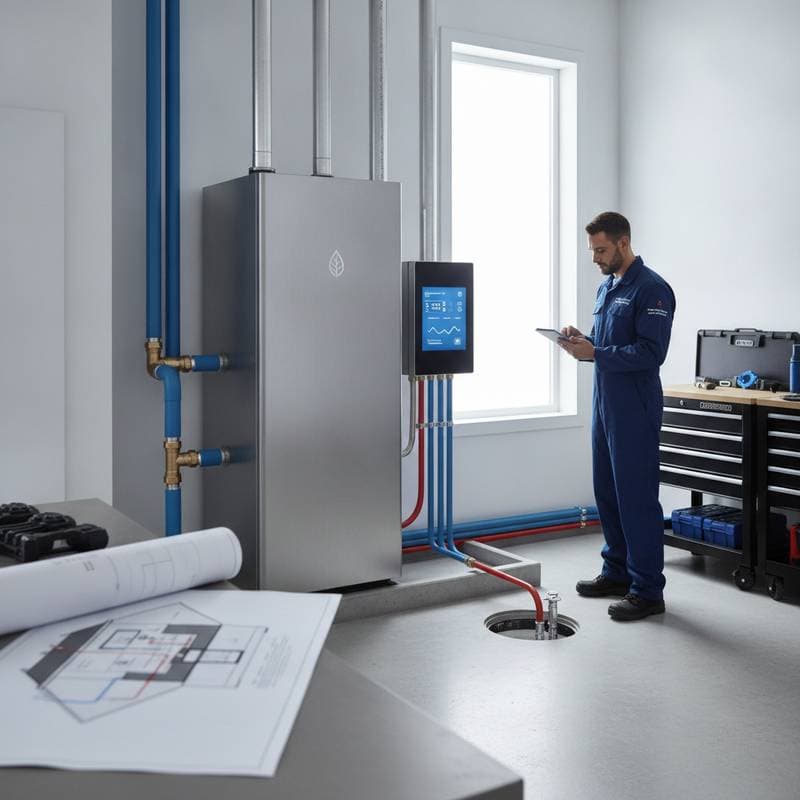
- Engage certified installers for accurate sizing and design.
- Compare upfront costs against projected energy savings over 5 to 10 years.
- Review local permitting rules for open loop versus closed loop options.
- Plan integration with existing ductwork or radiant systems during the design phase.
How Geothermal Systems Deliver Steady Comfort
Geothermal HVAC relies on ground source heat pumps that exchange heat with stable subsurface temperatures. This approach avoids the energy losses common in air source units that battle fluctuating outdoor conditions. Homeowners experience quiet operation and consistent indoor temperatures throughout the year.
The technology has moved from niche applications to broader adoption as energy prices rise and efficiency incentives expand. Systems draw heat from the ground in winter and reject heat into the ground in summer. The result is lower utility consumption without sacrificing comfort.
Financial and Environmental Returns
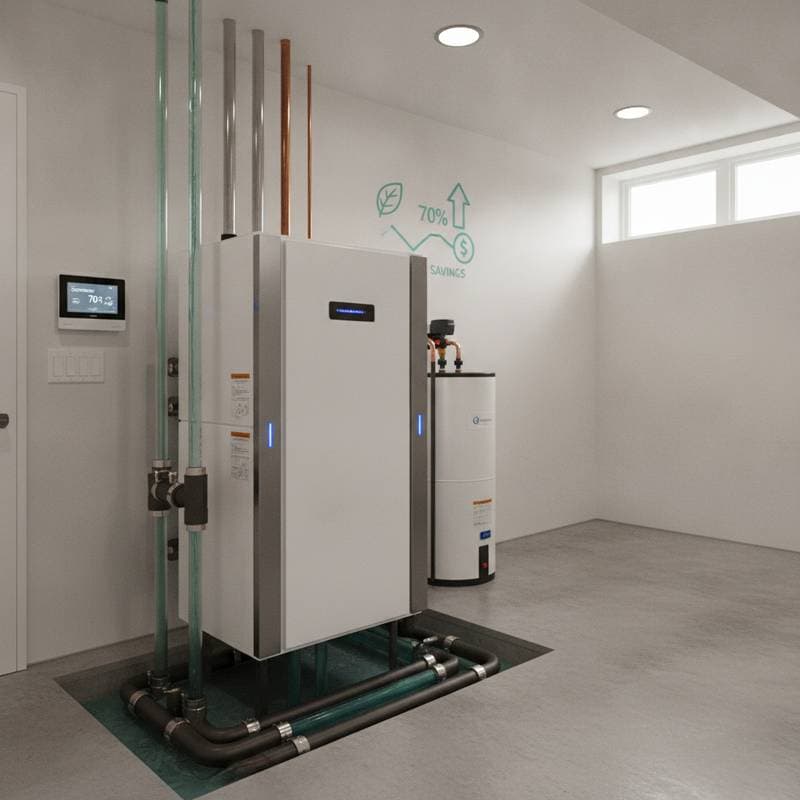
Installation costs range from 15000 dollars to 40000 dollars depending on property size and loop configuration. These figures exceed typical air source heat pump expenses yet produce energy bill reductions of 40 to 70 percent in most climates. Payback periods generally fall between 5 and 10 years when local utility rates and available incentives are factored in.
After the initial recovery period, operating costs remain low for decades. Underground piping often carries warranties beyond 50 years while indoor components last 20 to 25 years. Emission reductions exceed 50 percent compared with fossil fuel systems, supporting both household budgets and broader sustainability targets.
Site and System Planning Steps
Soil composition and moisture levels determine whether horizontal trenches or vertical boreholes offer the best performance. Wet conductive soils improve efficiency while rocky terrain may raise drilling expenses. Professional load calculations prevent oversizing that wastes energy or undersizing that reduces comfort.
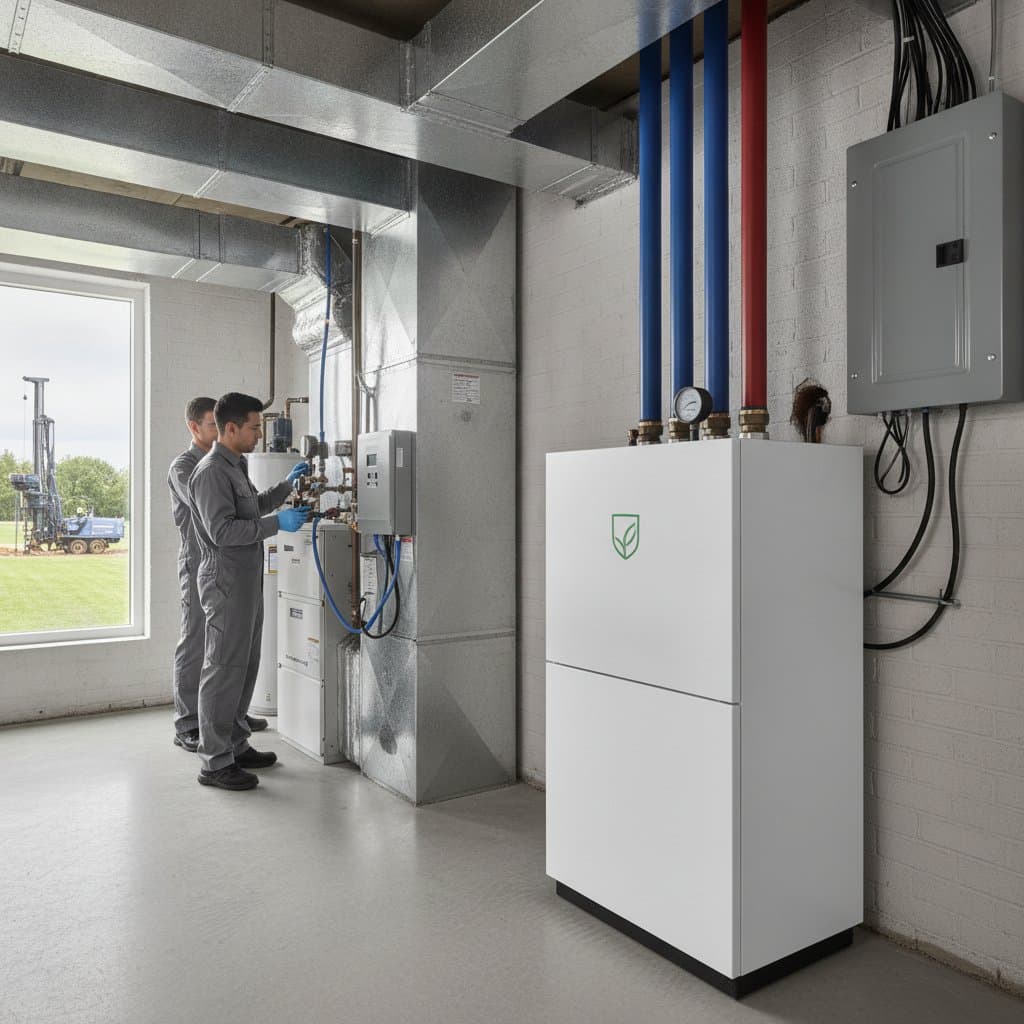
Closed loop configurations circulate fluid through sealed pipes and require minimal maintenance. Open loop designs draw groundwater directly where regulations permit. Retrofitting an existing home may involve ductwork modifications or radiant floor adjustments to match the new distribution needs.
Design Options That Preserve Property Aesthetics
Horizontal loops suit larger lots and can be concealed beneath restored landscaping. Vertical loops minimize surface disruption on smaller parcels through deep boreholes. Properties with stable ponds or lakes can use submerged coils for high efficiency and reduced excavation.
Pairing the system with variable speed air handlers or radiant floor heating maintains even temperatures without frequent cycling. These combinations further improve comfort and reduce wear on components.
Performance Metrics and Long Term Value
Coefficients of performance typically range from 3.5 to 5.0, meaning each unit of electricity delivers multiple units of heating or cooling. This efficiency holds across extreme climates because the ground temperature remains constant. Homes equipped with geothermal systems often sell faster and at higher prices as buyers recognize the lower operating costs.
Requirements for Successful Installation
Upfront capital can be managed through energy efficiency financing programs. Local codes may restrict groundwater use, so early consultation with permitting authorities is essential. Contaminated or low conductivity soils may limit feasibility and require alternative approaches.
Selecting experienced certified contractors ensures proper design and reliable long term operation. Filter changes and annual inspections constitute the primary ongoing maintenance tasks.
Common Questions About Geothermal Upgrades
Geothermal systems operate efficiently in all climates because they exchange heat with the ground rather than outdoor air. Retrofit projects succeed when contractors evaluate existing distribution systems and recommend targeted modifications. Limited yard space does not preclude installation because vertical or pond loops can fit constrained sites.
Most projects finish within several weeks once drilling or trenching is complete. Sealed loops require no routine service after installation, leaving only standard filter maintenance for homeowners.