Geothermal HVAC: Achieve Sustainable Home Comfort in 2026
Imagine entering your home on a chilly winter day to find steady, even warmth enveloping the space. Traditional systems powered by fossil fuels deliver this comfort but impose environmental burdens and escalating expenses. Geothermal HVAC systems provide a superior option by drawing on the earth's consistent underground temperatures for heating and cooling. As homeowners prioritize eco-conscious choices, this technology transitions from specialized application to widespread adoption.
Essential Benefits
Geothermal HVAC systems cut heating and cooling energy consumption by up to 50 percent relative to standard setups. Operating expenses typically drop by 25 to 50 percent, varying with regional energy rates and ground conditions. Numerous areas provide tax credits or rebates that cover a large share of setup expenses. These ground-source installations endure longer than air-dependent models, often sustaining peak efficiency for decades with basic care. The systems handle both heating and cooling duties, ensuring all-season performance.
Analyzing Expenses and Returns
Setting up a geothermal system demands a greater initial outlay than conventional furnaces or air conditioners, generally between $18,000 and $32,000 for a typical residence. This figure accounts for excavating or boring to place the underground loops. However, the financial advantages emerge over years of use.
| Cost Category | Conventional HVAC | Geothermal HVAC |
|---|---|---|
| Installation | $7,000 - $15,000 | $18,000 - $32,000 |
| Average Lifespan | 15 years | 25+ years |
| Annual Energy Cost | $1,500 - $2,500 | $700 - $1,200 |
| Maintenance | Moderate | Low |
Energy reductions frequently recoup the added startup expense. Owners often recover their investment in seven to ten years, particularly with available rebates. Certain utilities extend low-interest loans for renewable installations, easing the financial shift.
Planning the Installation
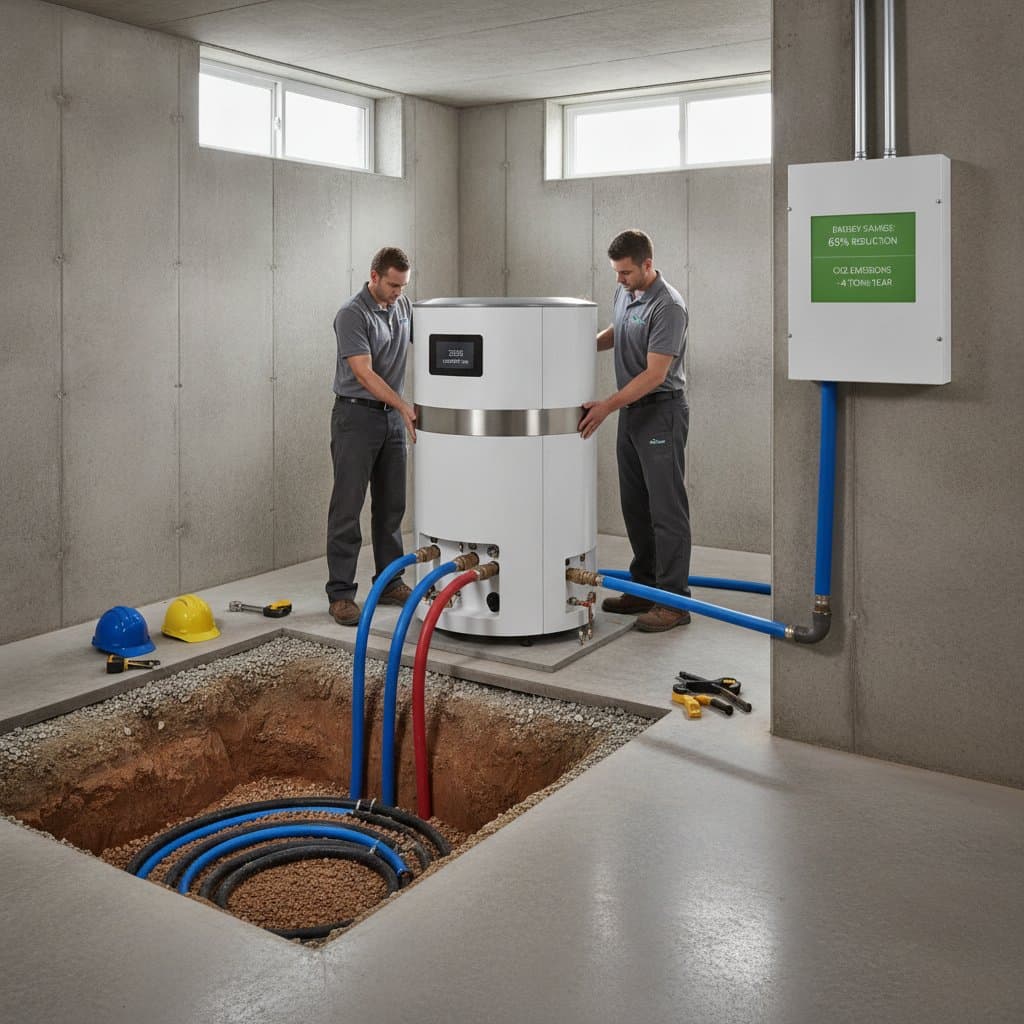
Effective geothermal HVAC deployment involves precise site assessment and design. Common loop arrangements include:
-
Horizontal Loops: Lay pipes in trenches four to six feet underground. This approach suits sites with ample yard space.
-
Vertical Loops: Drill boreholes hundreds of feet deep for the tubing. It adapts well to compact or city properties.
-
Pond or Lake Loops: Position coils underwater in adjacent bodies for leveraging steady aquatic temperatures.
Factors such as soil type, water retention, and geological features affect output. Experts perform thermal conductivity evaluations to select the optimal configuration. Consider linking to current ducts or adding radiant flooring, which complements geothermal efficiency seamlessly.
Ensuring Durability Through Maintenance
Geothermal systems require minimal ongoing attention after installation. The subsurface loops endure over 50 years, with interior units needing updates roughly twice during that span. Standard tasks encompass monitoring fluid volumes, replacing filters, and verifying air circulation.
Shielded from surface elements, these setups evade the degradation common in outdoor-exposed equipment. Service providers often propose yearly inspection plans to sustain optimal function and avert issues.
Observed Results in Everyday Use
Those adopting geothermal HVAC report reduced bills alongside enhanced living conditions. The technology maintains uniform room temperatures, eliminating the drafts or surges from conventional forced-air methods. It excels in managing humidity, drying air naturally in summer and introducing subtle hydration in winter.
An industry poll revealed that over 85 percent of users rate their geothermal experience above prior traditional systems. Respondents highlighted even comfort, silent operation, and decreased energy expenditures as key advantages.
Addressing Frequent Concerns
A prevalent belief holds that geothermal works only in mild climates, yet it thrives across diverse environments. Subsurface earth temperatures stay steady irrespective of surface fluctuations.
Space demands for horizontal loops can deter some, but vertical options require minimal footprint, fitting typical neighborhoods. Urban dwellings frequently support vertical or community-shared loops.
Upfront pricing raises questions, though rebates from governments and providers offset up to 30 percent in eligible zones. Paired with enduring savings, this positions geothermal as a prudent, accessible upgrade.
Emerging Trends in Geothermal Adoption
Renewable energy momentum builds rapidly, with geothermal HVAC central to green construction practices. Innovations in boring methods, advanced pump designs, and integrated smart controls lower barriers and costs.
New builds increasingly embed geothermal infrastructure from the outset, while upgrades for older structures grow viable. Analysts forecast geothermal integration into building regulations, establishing it as a go-to for homes and businesses alike.
Steps to Implement Geothermal HVAC
To pursue geothermal for your property, initiate with a professional energy assessment of insulation and sealing. Optimized envelopes permit downsized systems, trimming expenses and consumption further. Consult certified installers to map your site's potential and explore financing paths. This proactive approach secures lasting efficiency and comfort tailored to your needs.