Key Points
- Mycelium-based insulation reduces remodel costs by nearly 50 percent when compared to traditional materials such as fiberglass or foam.
- Its production process demands low energy input and results in a carbon-negative outcome, positioning it among the most environmentally friendly choices.
- This insulation provides excellent thermal performance, effective soundproofing, and robust fire resistance, all while remaining completely biodegradable.
- Builders and homeowners benefit from a streamlined supply chain, minimal waste generation, and enhanced indoor air quality.
- Experts in the industry forecast broad adoption of mycelium materials for residential retrofits and sustainable construction initiatives.
How Mycelium Insulation Functions
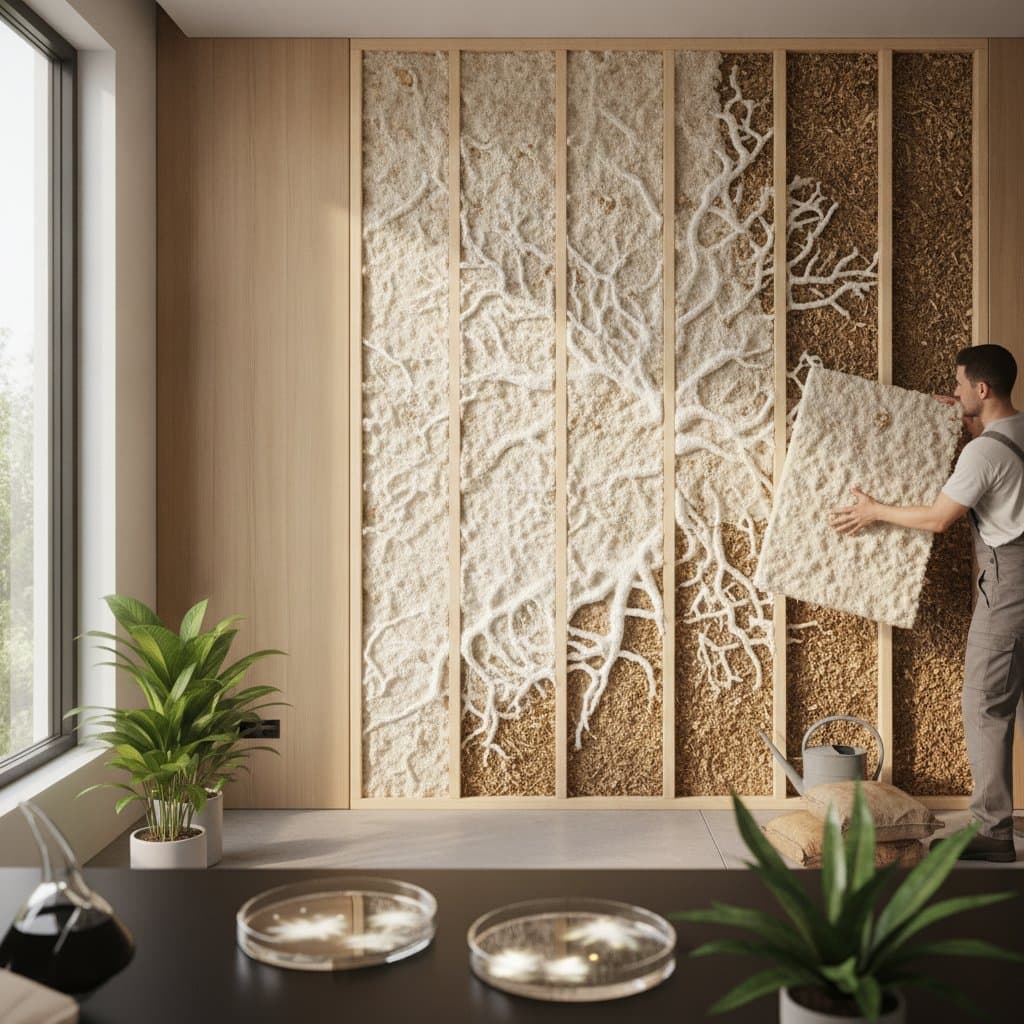
Mycelium serves as the root-like network of fungi, which binds organic substrates such as sawdust or agricultural residues like corn stalks. Under controlled environmental conditions, it expands through the substrate to create a compact, sponge-like composite. The growth halts upon drying, preserving a lightweight and durable form suitable for insulation applications.
This cultivation method requires limited energy and avoids the use of harmful chemicals. One production cycle completes in under two weeks, utilizing discarded materials that might otherwise contribute to landfill accumulation. In contrast, synthetic insulation production often relies on intense heating and petroleum-derived components, resulting in a substantially higher carbon footprint for mycelium alternatives.
Thermal evaluations demonstrate that mycelium insulation attains R-values similar to those of standard foam boards or mineral wool products. The R-value quantifies a material's resistance to heat flow, with higher values indicating superior insulating capability and reduced heating expenses. Test results indicate R-values ranging from 3.5 to 4 per inch for mycelium panels, matching polyurethane foam performance without associated ecological concerns.
Advantages Extending Past Energy Efficiency
1. Indoor Air Quality
Fiberglass and foam insulations often emit volatile organic compounds, but mycelium insulation avoids such releases entirely. This eliminates chemical odors, off-gassing, and common allergens within living areas. Individuals with sensitivities to synthetic substances find this natural option promotes better air circulation and overall respiratory health.
2. Fire Resistance
Upon flame exposure, mycelium insulation forms a char layer rather than melting or emitting hazardous gases. This char acts as a self-extinguishing shield that impedes fire progression. Laboratory assessments confirm that mycelium composites endure temperatures up to 200 degrees Celsius prior to any structural compromise.
3. Sound Absorption
The inherent porosity of mycelium captures sound waves with high efficiency, serving as an effective acoustic barrier. Construction professionals apply it in walls and ceilings to foster serene indoor spaces, eliminating the need for supplementary sound-dampening layers.
4. Moisture Management
Mycelium inherently balances humidity levels by absorbing excess moisture and releasing it as conditions change. This property discourages mold development, which frequently plagues traditional insulations where water becomes enclosed.
Implementation Advice for Homeowners and Builders
Selecting Appropriate Products
Mycelium insulation appears in primary formats: rigid panels and sprayable fills. Rigid panels suit standard applications in walls, floors, and ceilings, whereas sprayable versions adapt well to uneven areas or existing structures during retrofits. Verify compliance with local building codes, noting that certification processes continue to evolve in certain regions.
Installation Recommendations
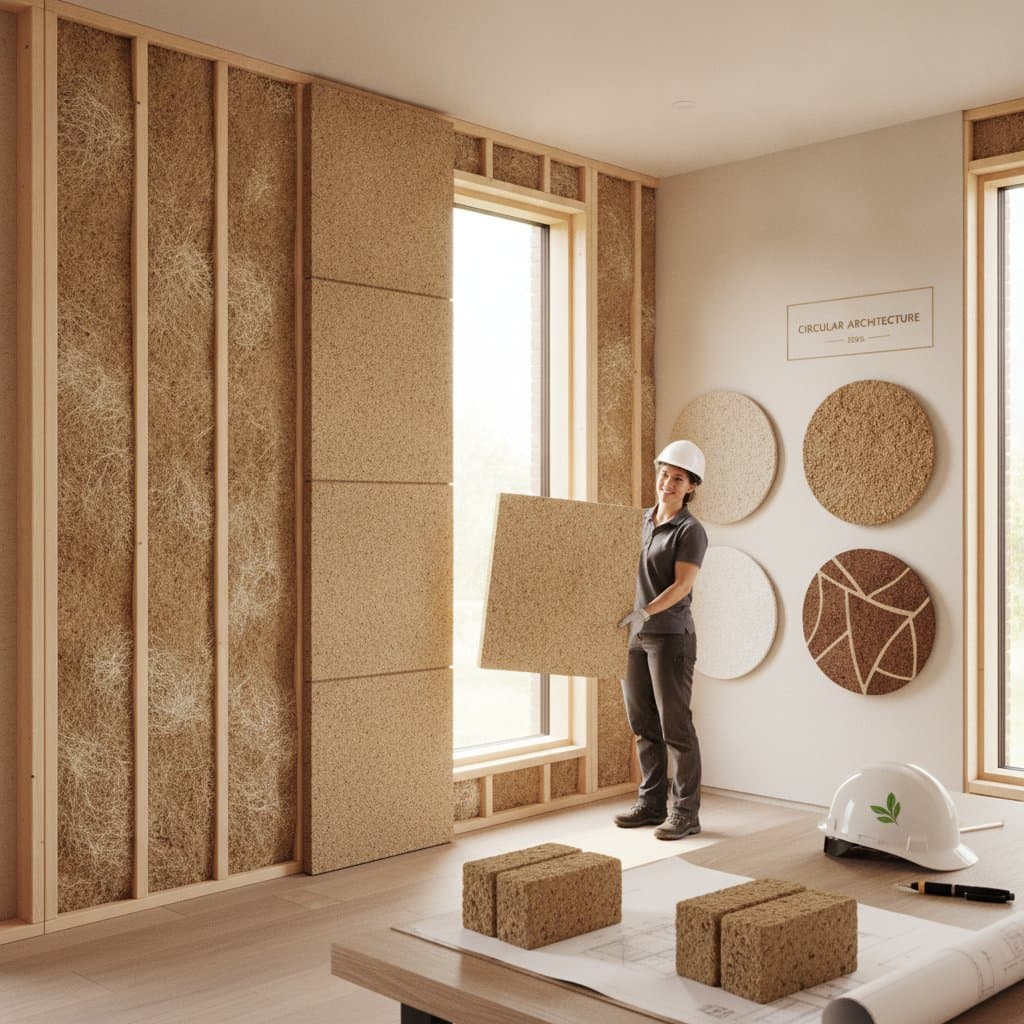
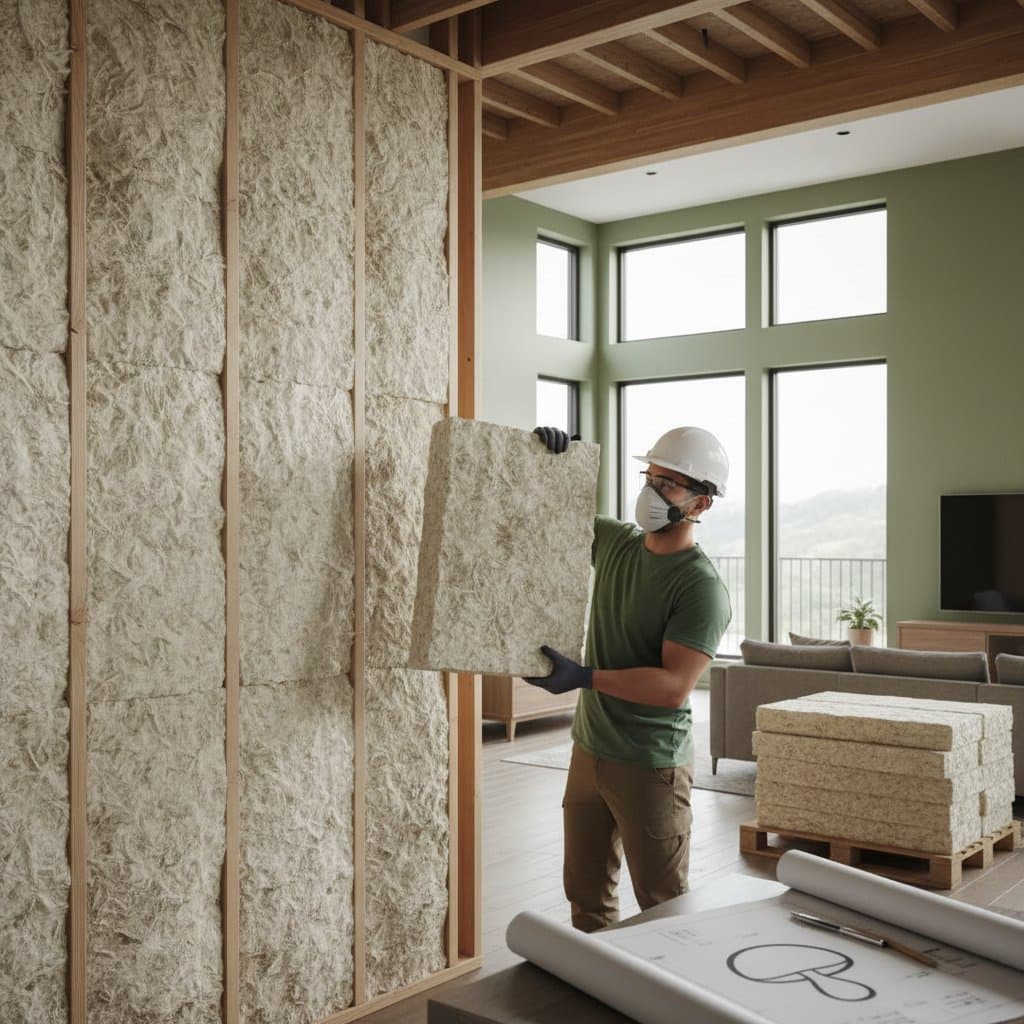
The light weight of mycelium insulation allows handling with standard hand tools. Cut panels to precise dimensions and secure them between framing members, mirroring conventional installation techniques. Pair them with vapor barriers or natural finishes for enhanced durability, and store materials in dry conditions beforehand to preserve integrity.
Cost Analysis and Return on Investment
Initial expenses generally fall below those of synthetic counterparts, with ongoing energy reductions amplifying value. Expect recovery of costs within two to three heating cycles through lower utility payments. Eligibility for incentives on green materials further accelerates financial benefits.
Upkeep and Durability
When installed correctly, mycelium insulation endures as long as typical alternatives. Its dried state lacks appealing nutrients, providing inherent pest resistance. During subsequent renovations, remove and compost it or repurpose as a soil enhancer, avoiding waste disposal fees.
Builders Embrace Fungal Solutions
Rising material costs and rigorous environmental mandates challenge the construction sector, yet mycelium insulation delivers affordability alongside ecological advantages. Its scalability appeals to builders, while homeowners prioritize the enhanced comfort and wellness it provides. This material integrates seamlessly into contemporary designs or legacy upgrades, requiring no advanced equipment or specialized skills.
In communal housing developments, mycelium applications have curtailed material waste by as much as 60 percent. For business premises, its sound and fire attributes diminish expenses on separate safety measures. Such efficiencies enable competitive bids for environmentally aware customers, rendering fungal insulation both pragmatic and principled.
Steps to Adopt Mycelium Insulation
Homeowners embarking on remodels should investigate mycelium options to advance toward more efficient and earth-friendly residences. Contact regional providers of eco-materials and obtain sample panels to assess handling and efficacy firsthand.
Builders incorporating mycelium into projects bolster their green profiles and draw clients desiring forward-thinking approaches. Momentum builds for regenerative building practices, rewarding pioneers with economic edges and industry acclaim.
Mycelium insulation transcends mere upgrades; it forges a viable route to sturdy, planet-positive construction that serves residents, professionals, and ecosystems alike.