Key Points
- Geothermal HVAC systems leverage stable underground temperatures to heat and cool homes with high efficiency.
- With proper installation, these systems reduce utility bills by 40 to 70 percent relative to conventional setups.
- Initial expenses exceed those of traditional systems, yet rebates, enduring savings, and minimal maintenance justify the outlay.
- Ground-source heat pumps adapt to diverse climates when designers account for soil properties and site specifics.
- Certified professionals must handle installation to guarantee secure excavation, precise loop configuration, and peak operation.
Rethinking Home Comfort Through Geothermal Technology
In my role as a green building professional, I have observed homeowners grapple with escalating energy expenses amid sweltering summers and biting winters. Conventional HVAC units strain against erratic outdoor conditions, consuming vast amounts of power. Envision a residence that maintains ideal temperatures throughout the seasons, drawing from the earth's unchanging subsurface warmth. Geothermal HVAC delivers this reality by harnessing underground stability instead of battling atmospheric variability.
Residents in areas with prolonged heating or cooling demands face similar challenges. Increasing numbers seek geothermal solutions for sustainable ease. Based on extensive field experience, this approach extends beyond novelty; it forms the foundation of resilient, environmentally conscious dwellings.
The Surge in Geothermal Adoption
Nationwide, homeowners and contractors embrace geothermal systems for their superior performance. Subsurface layers, mere feet below ground, sustain temperatures from 45 to 75 degrees Fahrenheit, varying by region. A geothermal heat pump accesses this reservoir, channeling earth's heat indoors in winter and expelling excess warmth outdoors in summer.
The mechanism relies on soil-stored renewable energy, supplemented by electricity for the pump and fluid circulation. By transferring rather than generating heat, the system yields up to four units of heating or cooling per unit of electrical input. Such proficiency yields substantial financial benefits and diminishes fossil fuel dependence.
Dr. Elena Ruiz, a renewable systems engineer, noted, "Homeowners are realizing that geothermal is not futuristic anymore. It is reliable, proven, and ready for mainstream use."
Core Components and Operations
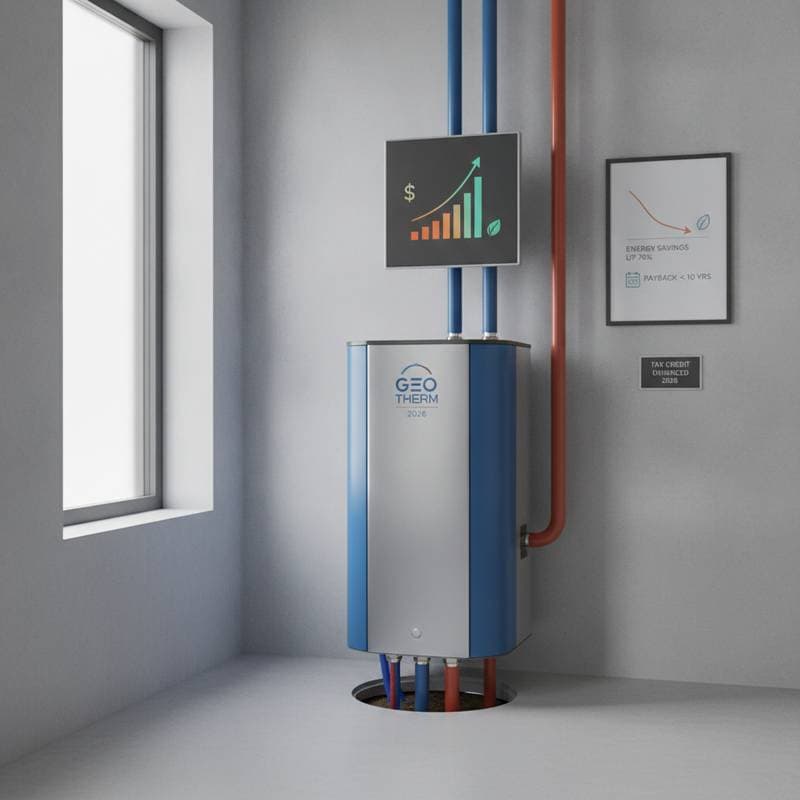
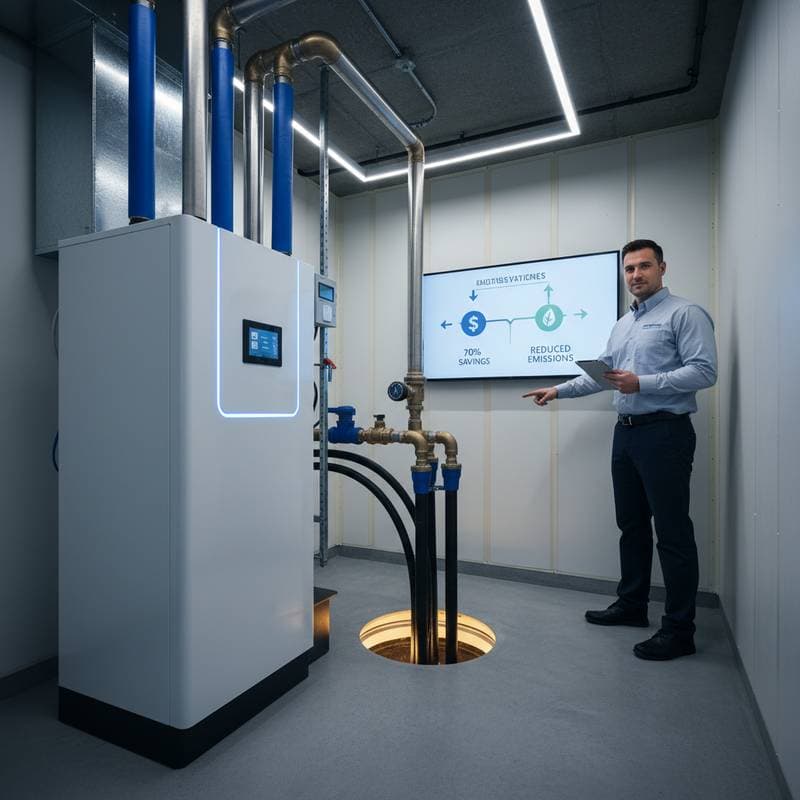
A geothermal HVAC setup comprises three essential elements:
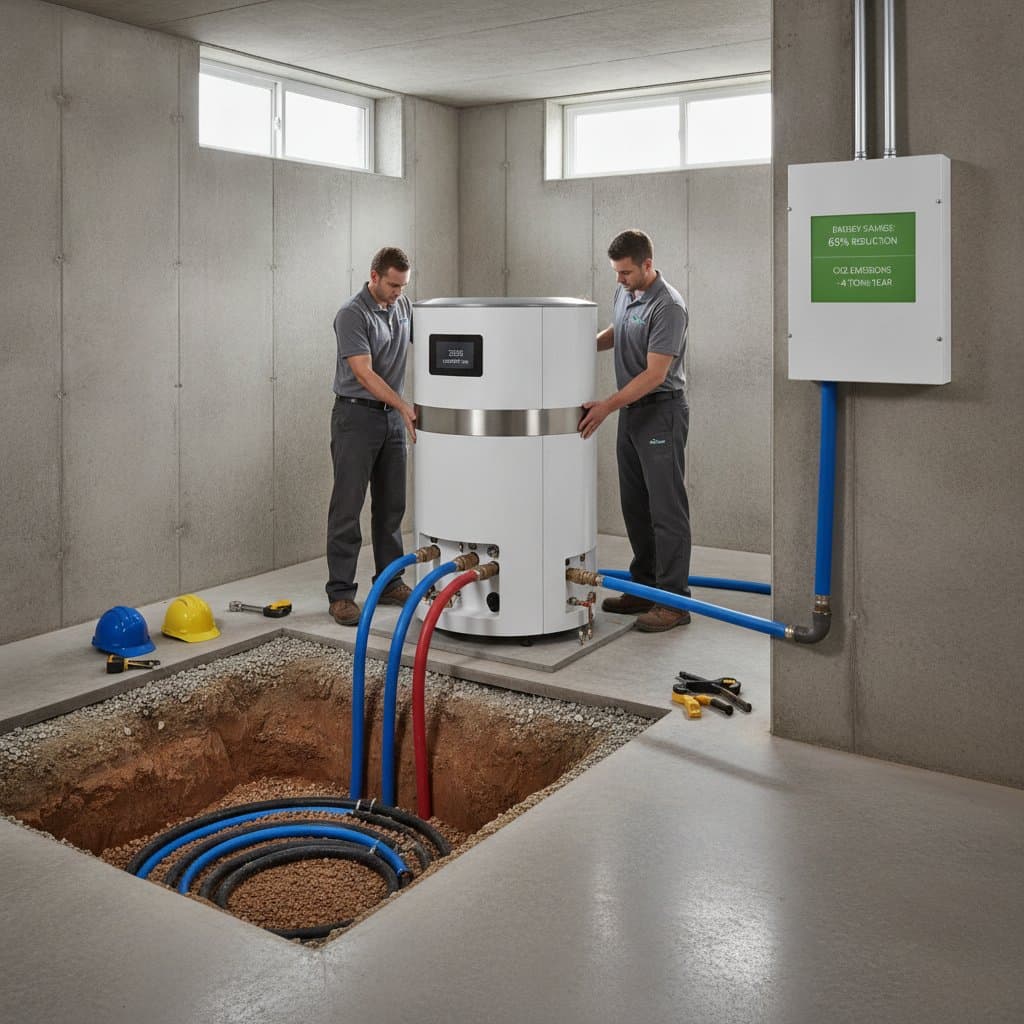
- Ground Loop: Buried pipes, arranged horizontally or vertically, that cycle a water-antifreeze mixture to exchange heat with soil.
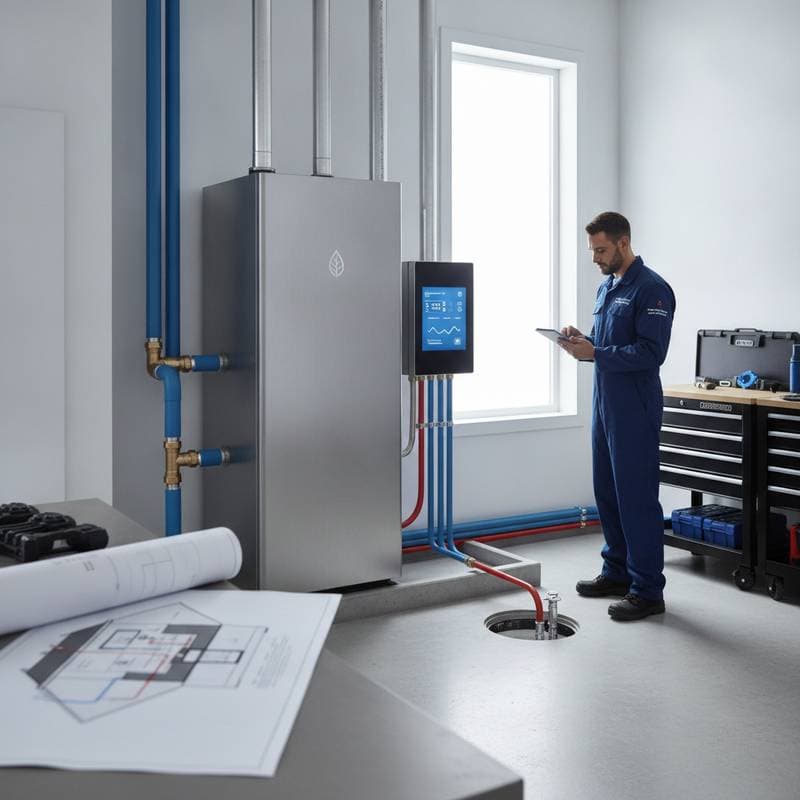
- Heat Pump Unit: An indoor apparatus that shuttles heat between the loop and the home's air handler.
- Distribution System: Ductwork or radiant flooring that circulates treated air or water-based heating.
In summer, the unit draws indoor heat into the loop for ground absorption. Winter operation inverts this flow, extracting soil heat for interior delivery. The ground loop functions as an underground thermal conduit, synchronizing home climate with earth's equilibrium.
Steps to Enhance Home Efficiency
Prospective adopters should prepare methodically for geothermal integration. Consider these targeted actions:
- Conduct a Comprehensive Energy Audit: Pinpoint deficiencies in insulation, duct integrity, or window seals prior to equipment purchase. Envelope enhancements prevent system strain and ensure proportional sizing.
- Assess Site Geology and Layout: Loops demand suitable soil conductivity and unobstructed space. Experts evaluate horizontal versus vertical configurations based on lot dimensions.
- Determine Precise System Capacity: Load assessments via Manual J calculations avoid under- or over-provisioning, optimizing energy use and comfort.
- Research Financial Supports: Federal tax credits and state programs often subsidize 20 to 40 percent of costs; verify eligibility through utility providers.
- Select Accredited Specialists: Engage installers certified by the International Ground Source Heat Pump Association to uphold warranty terms and operational standards.
Tangible Benefits of Geothermal Systems
Beyond bill reductions, geothermal installations offer multifaceted advantages:
- Silent Functionality: Absence of external compressors ensures tranquility indoors and out.
- Extended Durability: Loops endure over 50 years; indoor units surpass 20 years with routine servicing.
- Superior Indoor Air: Combustion-free design eliminates combustion byproducts and improves filtration.
- Uniform Temperature Control: Minimal swings foster a stable, healthful atmosphere.
- Sustainability Gains: Lower energy draw curtails emissions equivalent to planting hundreds of trees annually.
Field observations reveal that users frequently hail their initial geothermal season as transformative. Cooling emerges as subtle yet effective, regulating moisture without abrupt chills.
Investment Analysis and Returns
Cost concerns dominate initial discussions. Geothermal setups range from $18,000 to $35,000, influenced by residence scale, terrain, and loop type, surpassing standard HVAC at $8,000 to $12,000. Long-term economics shift the equation favorably.
Annual savings average $1,000 to $2,000 for typical homes. Payback periods span six to ten years, followed by decades of net gains. Property appraisals reflect premiums for such energy-efficient features, appealing to eco-aware buyers.
Positive Environmental Footprint
Each geothermal unit offsets fossil fuel consumption, averting thousands of pounds of CO2 over its lifespan. Integration supports certifications like LEED or ENERGY STAR through verified performance metrics.
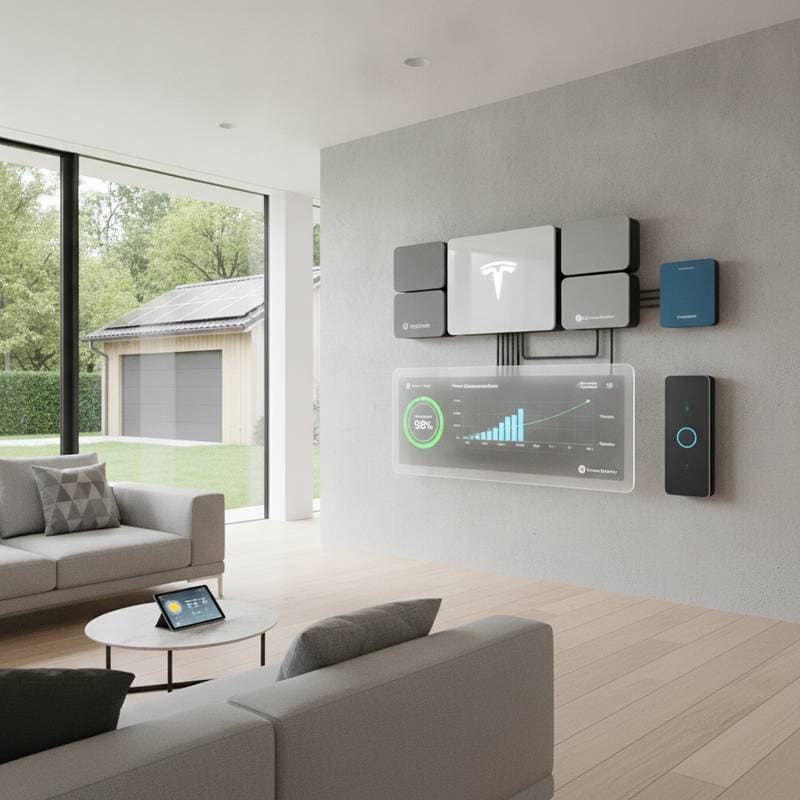
For locales targeting net-zero emissions, geothermal proliferation accelerates progress. Pair it with photovoltaic arrays, advanced insulation rated at R-30 or higher, and automated controls to forge an integrated, low-impact habitat.
Dispelling Prevalent Misconceptions
-
Myth 1: Limited to Mild Climates.
Reality: Consistent subsurface conditions support efficacy across extremes, from arctic colds to tropical heats. -
Myth 2: Major Landscape Damage.
Reality: Trained crews employ phased excavation, backfilling promptly to preserve aesthetics and functionality. -
Myth 3: High Upkeep Demands.
Reality: Sealed loops require scant intervention; yearly inspections suffice for reliability. -
Myth 4: Aquifer Contamination Risk.
Reality: Closed circuits contain all fluids, isolating them from natural water sources.
Essential Pre-Installation Factors
Address these elements to streamline the process:
- Project Duration: Expect two to three weeks for site preparation, loop placement, and commissioning.
- Site Constraints: Vertical designs conserve surface area via bore depths of 150 to 400 feet; horizontal variants suit expansive, level terrain.
- Regulatory Compliance: Secure permits for subsurface work; contractors navigate zoning and environmental codes.
- Supplementary Heating: In marginal climates, integrate electric resistance for rare peak loads.
- Performance Tracking: Deploy IoT-enabled monitors to log usage patterns and flag anomalies.
Experts manage these logistics; homeowners benefit from proactive inquiries aligned with site and lifestyle needs.
Advancing Toward Geothermal Implementation
Adopting geothermal HVAC marks a commitment to enduring efficiency. Consult certified experts via specialized directories for customized assessments, including feasibility studies and rebate navigation.
Post-installation, benefits extend to serene acoustics, unwavering climate control, and ecological alignment. Envision returning from outdoor exertions to an interior refreshed by subterranean coolness. This synergy elevates daily living while safeguarding resources.
Success hinges on due diligence: audit existing infrastructure, leverage incentives, and partner with versed professionals. Such measures convert residences into exemplars of prudent, planetary-friendly habitation.
Frequently Asked Questions
What climates suit geothermal HVAC?
Geothermal systems perform reliably in all regions, as underground temperatures remain stable regardless of surface extremes.
How long does installation take?
Most projects complete in two to three weeks, depending on site access and loop complexity.
Are rebates available?
Yes, federal incentives like the Investment Tax Credit cover up to 30 percent, with additional state programs varying by location.
Does it require much yard space?
Vertical loops minimize surface impact; horizontal options need about 400 to 600 square feet per ton of capacity.
What maintenance is involved?
Annual filter changes and professional inspections ensure longevity; loops demand no routine attention.