Key Points
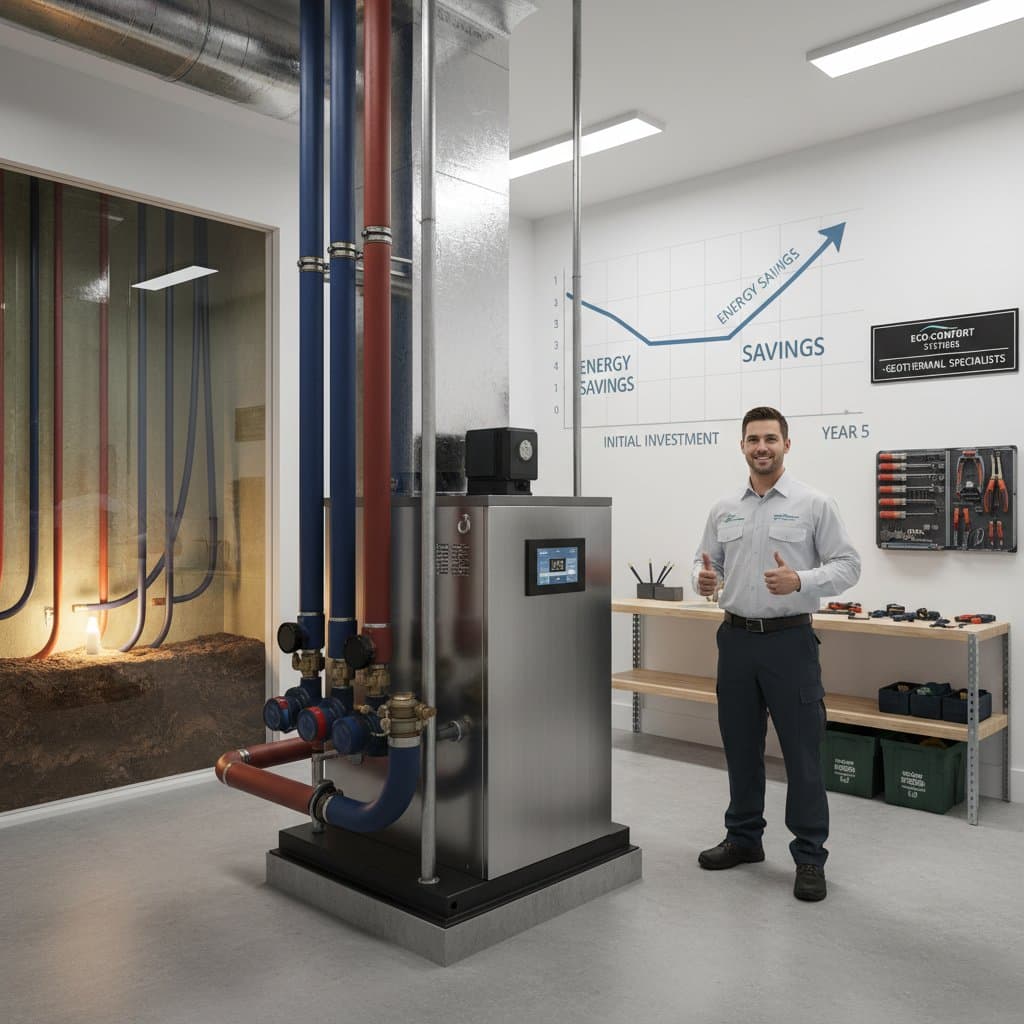
- Homeowners can realize payback on geothermal HVAC investments in approximately five years by prioritizing accurate system sizing, accessing financial incentives, and implementing complementary energy efficiency upgrades.
- Ground-source heat pumps lower operating costs by 40 to 70 percent compared to conventional heating and cooling options.
- Key influences on the break-even timeline include installation methods, local soil characteristics, and available financing structures.
- Combining geothermal systems with improvements to the building envelope, smart automation, or additional renewables accelerates the return on investment.
- These systems enhance overall home value through reduced utility bills, improved air quality, and minimal ongoing upkeep.
- Professional site evaluations ensure systems match specific property needs for maximum efficiency and savings.
Understanding the Value of Geothermal HVAC Systems
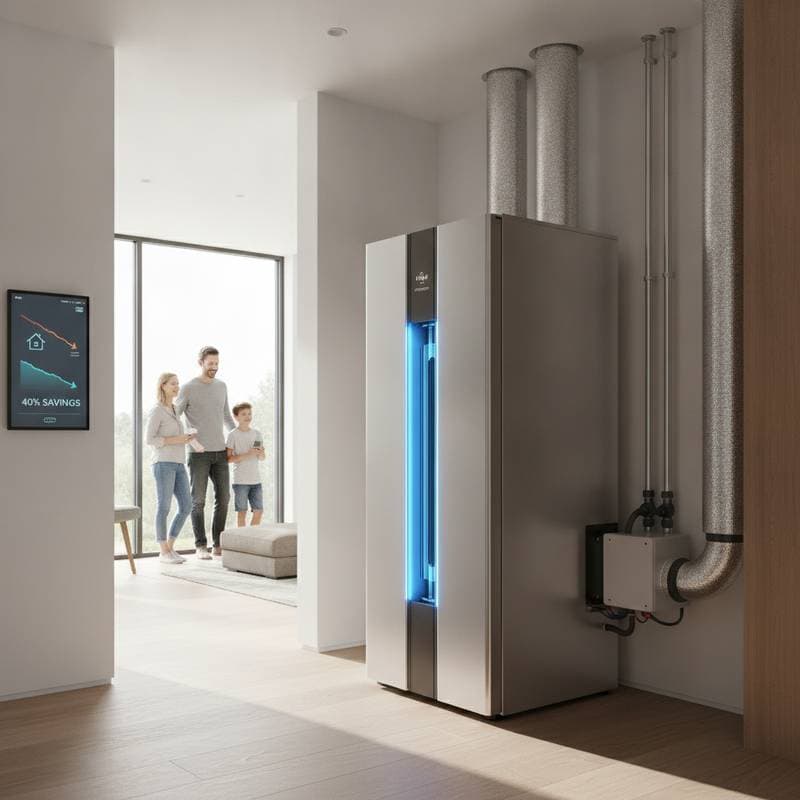
Geothermal HVAC systems harness the stable temperatures beneath the earth's surface to heat and cool residential spaces with exceptional efficiency. Ground-source heat pumps facilitate the transfer of thermal energy between the home and a network of underground loops embedded in the soil. Because subsurface temperatures fluctuate far less than ambient air, these systems avoid the energy losses associated with outdoor weather variations, delivering consistent comfort, near-silent operation, and substantial decreases in monthly utility bills.
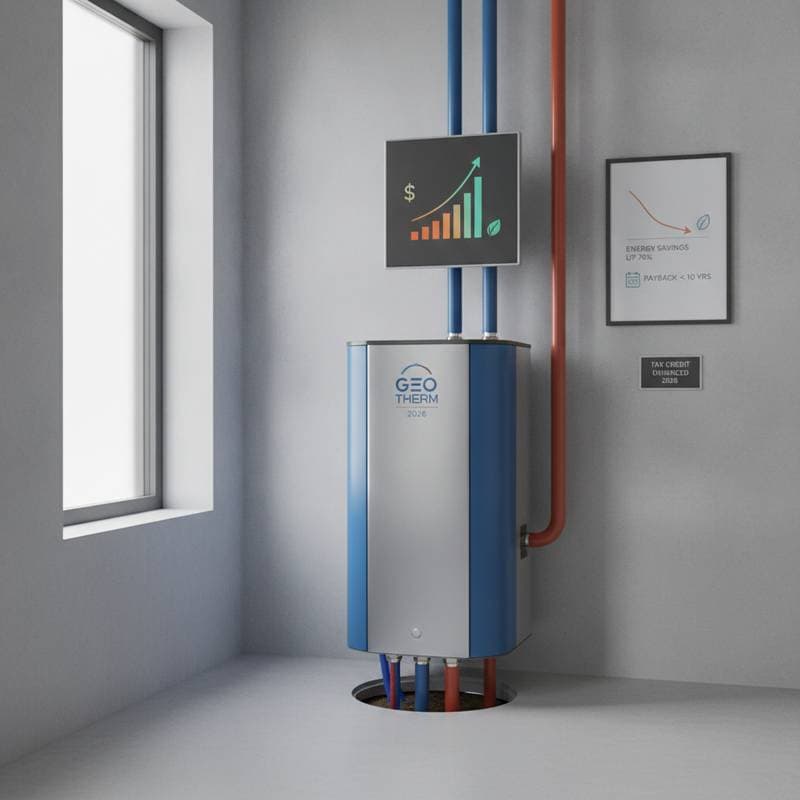
Financially, geothermal installations reduce heating and cooling expenses by 40 to 70 percent over traditional systems. Federal tax credits, such as those under the Inflation Reduction Act, along with state-specific rebates and utility incentives, substantially lower initial outlays. Environmentally, the absence of on-site fossil fuel combustion cuts greenhouse gas emissions and improves both indoor and outdoor air quality. Additionally, these systems require far less maintenance, with components lasting twice as long as those in standard furnaces or air conditioners, often exceeding 25 years for the ground loops.
Factors Influencing the Payback Period
The duration required to recover the cost of a geothermal system depends on several interconnected variables. Homeowners who evaluate these elements thoroughly can make informed choices that optimize their financial outcomes and align with property specifics.
Local Energy Prices and Climate Conditions
Higher costs for electricity, natural gas, propane, or heating oil shorten the payback timeline for geothermal systems. Properties in areas with severe winters or prolonged heating seasons yield the greatest savings, as the technology excels in high-demand scenarios. Even in temperate regions, benefits remain significant, since a single geothermal unit manages both heating and cooling duties more effectively than separate systems, reducing overall energy consumption year-round.
Overall Building Efficiency
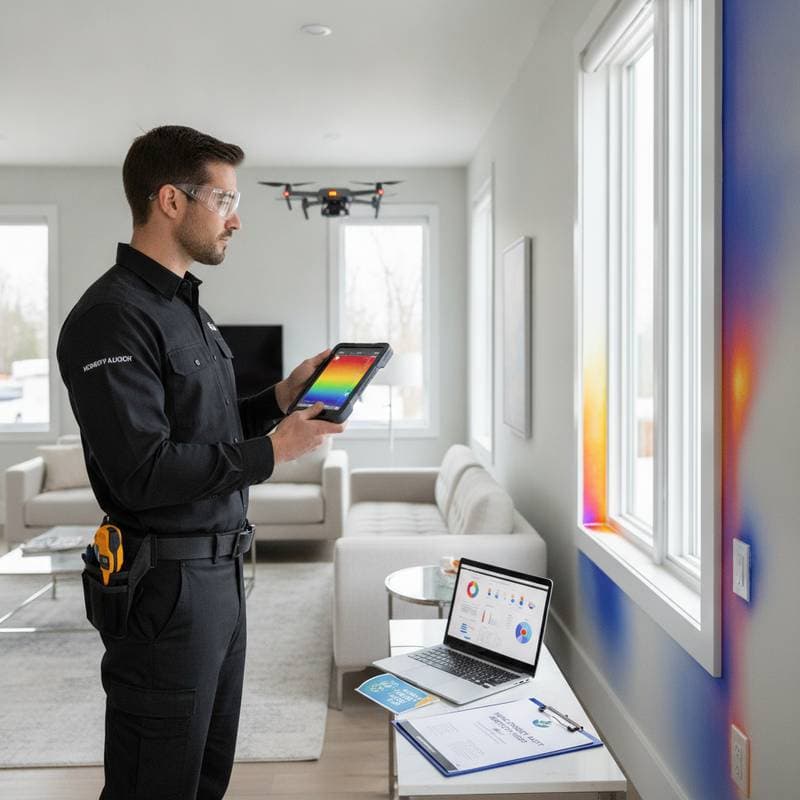
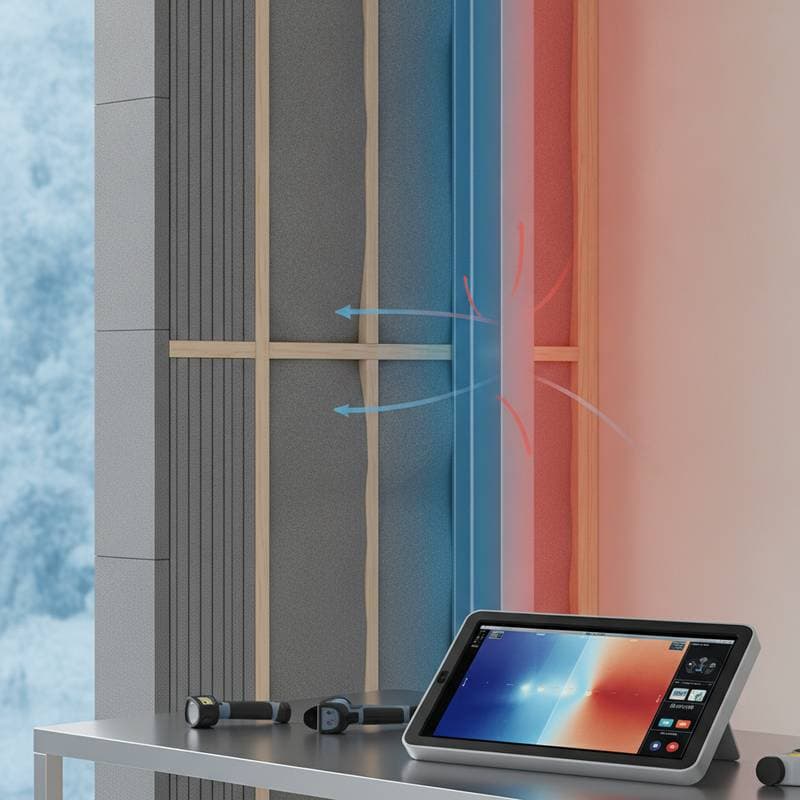
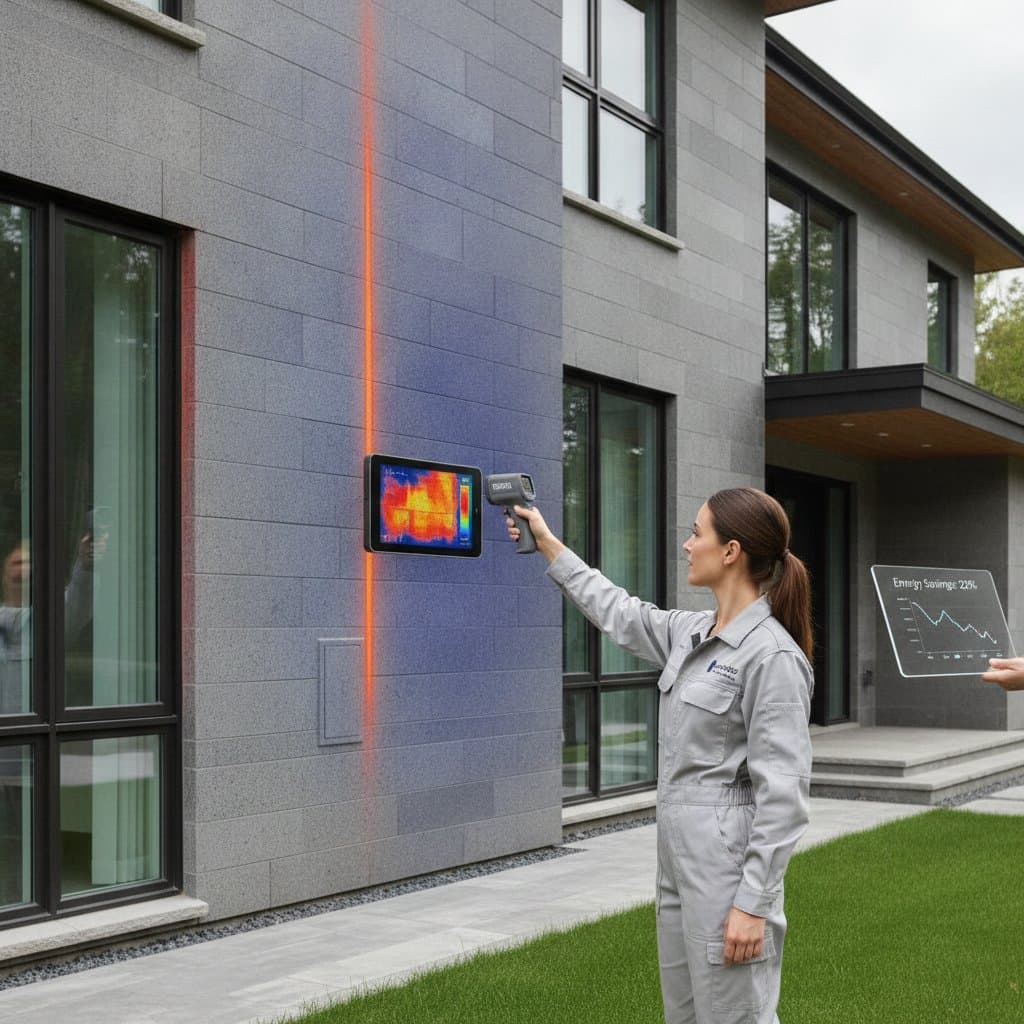
Homes with superior insulation and airtight construction maximize the performance of geothermal setups. Simple upgrades, such as sealing drafts around doors and windows, installing double-pane energy-efficient glazing, or adding blown-in insulation to attics and walls, decrease the total thermal load on the system. These enhancements allow for the selection of smaller, less expensive heat pumps while amplifying savings, often cutting the payback period by one to two years.
System Design and Proper Sizing
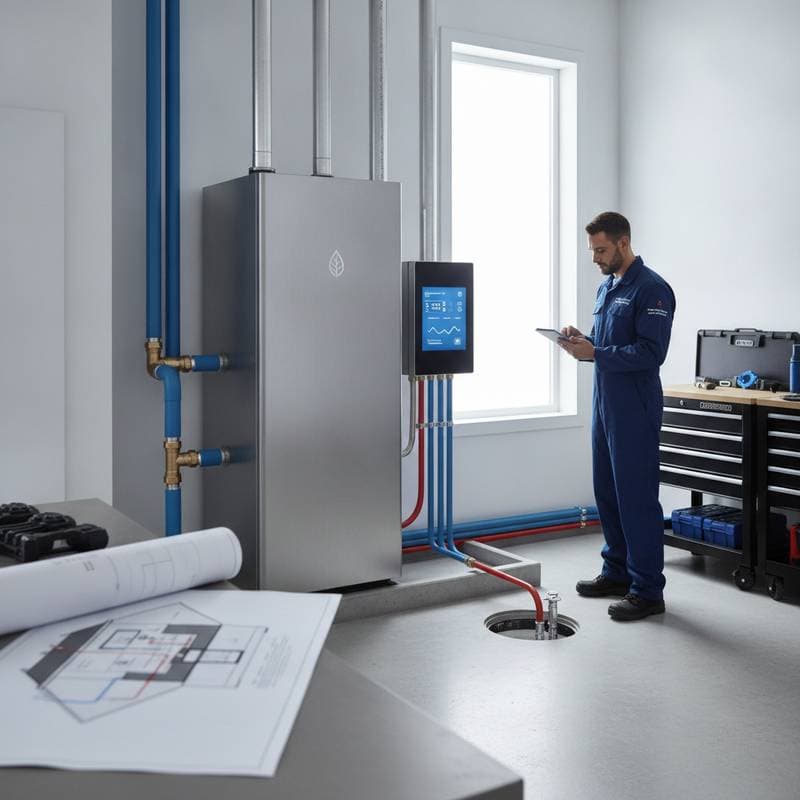
Oversized or undersized systems lead to reduced efficiency and inflated long-term costs. Consult an accredited geothermal designer to conduct a detailed Manual J load calculation, analyze soil conductivity and moisture levels, and determine the best loop type, whether horizontal trenches for spacious lots, vertical boreholes for limited areas, or pond-loop configurations where water sources exist. This precision ensures the heat pump operates within its most efficient range, typically boosting energy savings and expediting cost recovery.
Available Financing Strategies
Paying upfront works for those with available capital, but many choose specialized low-interest loans for renewable energy projects or roll installation costs into a home equity line of credit. Under advantageous financing, monthly energy savings often exceed loan payments, generating positive cash flow from day one. Explore options through programs like those offered by the Department of Energy or local credit unions to minimize interest burdens and align repayments with realized efficiencies.
Boosting Health and Comfort with Geothermal Technology
Financial advantages represent only part of the appeal; geothermal systems also transform daily living through unmatched comfort and health protections. Even distribution of conditioned air maintains steady indoor temperatures, free from the hot spots or chilly drafts common in forced-air alternatives. The elimination of combustion processes removes any risk of carbon monoxide leaks, a serious concern with gas-fired equipment.
Users frequently note improvements in air quality, as these systems incorporate advanced filtration and dehumidification to control moisture levels. This environment discourages the growth of mold, dust mites, and other allergens, benefiting those with allergies or respiratory conditions. Over time, stable humidity and cleaner air preserve furnishings, flooring, and walls, extending the lifespan of interior elements and reducing replacement needs.
Frequently Asked Questions
Can my property accommodate a geothermal installation?
Most locations support ground-loop systems, with configurations tailored to available space and geology, including horizontal layouts for large yards, vertical drilling for compact sites, or open-loop designs using nearby ponds or wells.
What happens if I sell the home before reaching full payback?
Energy-efficient upgrades like geothermal systems increase marketability, often leading to faster sales and higher offers, as buyers value lower utility costs and sustainability features that can offset remaining investments.
How disruptive is the installation?
The process typically spans three to seven days, involving targeted excavation or drilling for loops and indoor equipment setup. Landscaping restores the site promptly, and routine maintenance afterward consists of straightforward annual servicing.
Do I need backup heating elements?
Properly designed systems handle demands in nearly all conditions, though some include small electric auxiliaries for infrequent extreme cold snaps, ensuring uninterrupted performance without significant added cost.
What maintenance does the system demand long-term?
Replace air filters every three to six months and schedule professional inspections annually to check refrigerant levels and loop integrity. The sealed underground components require no intervention and function reliably for 50 years or more.
Guide to Installing Your Geothermal System
Begin the process by scheduling a consultation with a certified geothermal specialist for a thorough site evaluation, including soil tests and energy audits, to develop a tailored installation plan. Research incentives via resources like the Database of State Incentives for Renewables and Efficiency to claim applicable credits and rebates that reduce upfront costs by 30 percent or more.
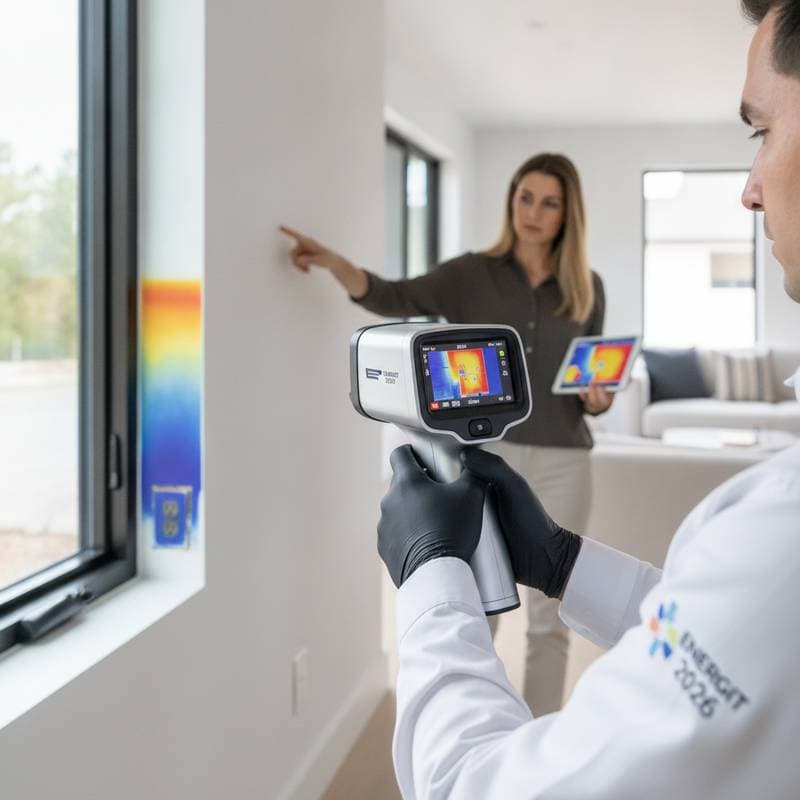
Integrate the project with a home energy assessment to pinpoint synergies, such as upgrading to LED lighting, sealing ducts, or installing programmable thermostats for further efficiency gains. After completion, monitor utility bills and system performance through built-in diagnostics or apps to confirm projected savings and make minor adjustments if necessary.
This structured approach not only accelerates your path to payback but also positions your home for decades of reliable, cost-effective climate control and environmental stewardship.