Key Points
- Expanded federal tax credits for 2025 provide homeowners with substantial rebates on geothermal heating and cooling installations.
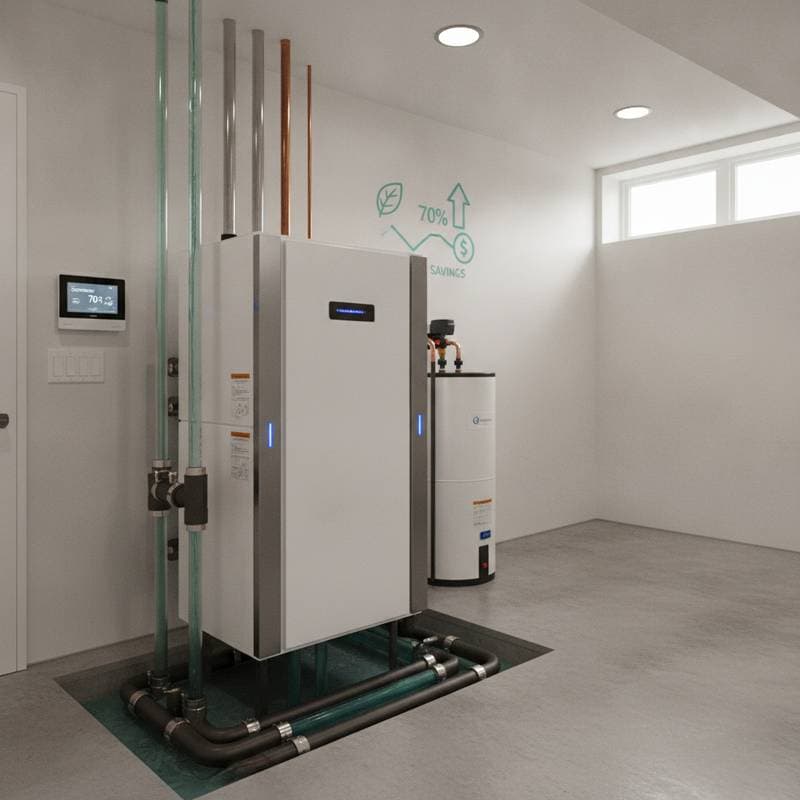
- These systems reduce utility bills by up to 70 percent and deliver consistent indoor comfort throughout the year.
- Eligibility depends on system efficiency standards; proper documentation ensures full credit claims.
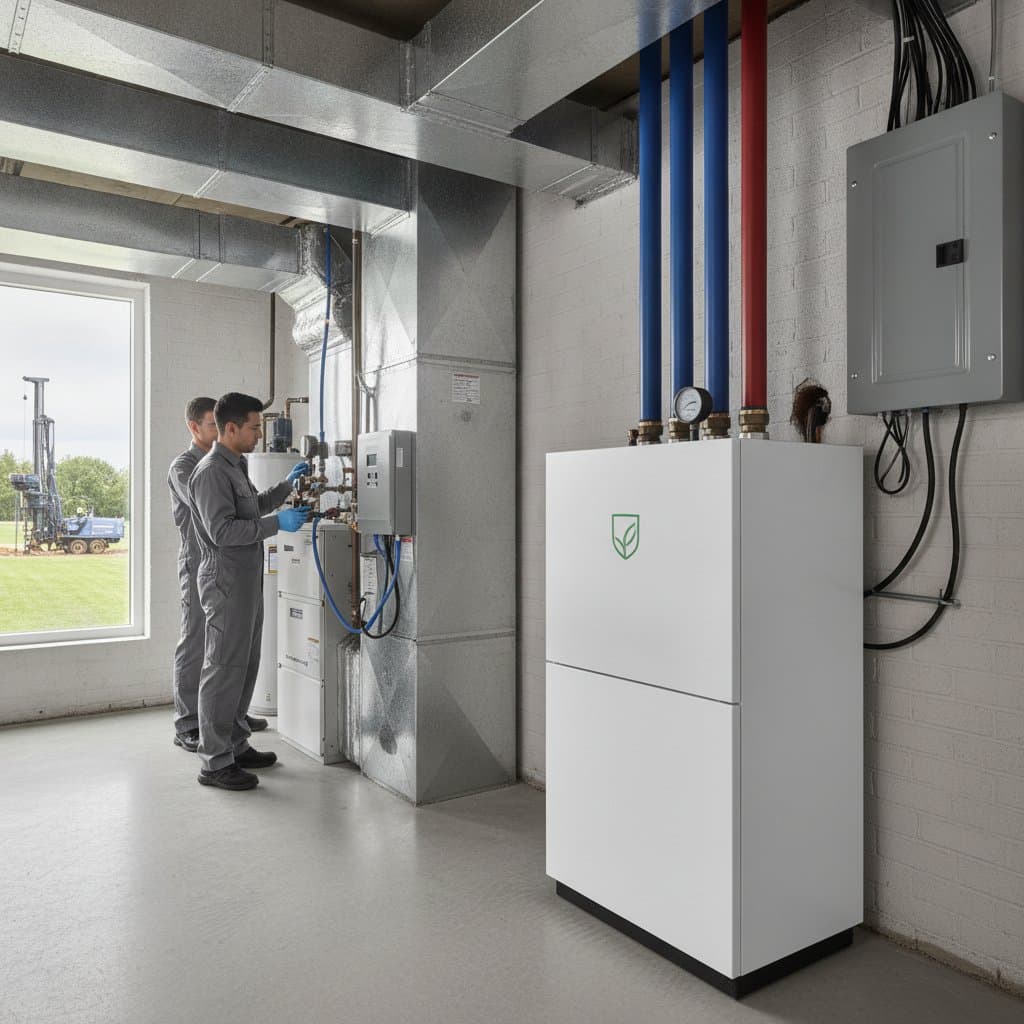
- Certified installers handle site assessments, permitting, and compliance to optimize performance and savings.
Visualize Earth-Powered Comfort in Your Home
Envision entering your residence after a sweltering day, greeted by evenly tempered air rather than the clamor of a straining air conditioner. The environment feels balanced, the equipment operates with minimal noise below ground, and monthly energy expenses have diminished substantially. Geothermal heating and cooling systems deliver this level of seamless efficiency.
In my role as a green building specialist, I have assisted numerous property owners in adopting this technology. Initial concerns about initial expenses or installation intricacies often fade upon reviewing incentive programs and projected reductions in operating costs. These advancements position geothermal solutions as premier options for energy-efficient climate control, supported by enhanced financial incentives.
The Appeal of Ground-Source Energy for Residential Use
Geothermal systems, known formally as ground-source heat pumps, leverage the earth's stable subsurface temperatures to regulate home heating and cooling. Fluid circulates through buried loops to transfer heat to or from the ground, avoiding the inefficiencies of air-based units that contend with fluctuating weather. This approach yields dependable performance with reduced energy consumption.
Field observations confirm the versatility of geothermal technology across diverse environments. Northern areas benefit from effective winter heating during subzero conditions, while southern regions experience efficient summer cooling amid prolonged heat waves. The uniform ground temperature supports reliable operation in most locations.
Upfront investments have historically posed barriers, with complete systems costing between $15,000 and $35,000 based on site specifics like lot size and geology. Recent federal incentives, however, substantially alleviate this burden, accelerating return on investment.
Impact of Updated Federal Incentives on Geothermal Adoption
Revised tax credits for geothermal installations reimburse a significant share of expenses, encompassing both materials and labor. These benefits apply to upgrades that enhance overall home energy performance, offering direct reductions on federal tax liabilities.
Key elements of the incentive framework include:
- Generous Cost Recovery: Eligible projects qualify for a high percentage rebate, directly lowering net outlay.
- Broad Applicability: Incentives extend to new constructions and renovations alike, regardless of home age.
- Comprehensive Coverage: Expenses for ground loops, circulation pumps, and interior units all contribute to the credit amount.
Professionals advise securing detailed records from installers verifying compliance with efficiency criteria. The Internal Revenue Service mandates evidence of adherence to established performance benchmarks for validation.
Guide to Qualification and Incentive Claim Process
Navigating the adoption process requires structured steps, which I outline for clients to ensure efficiency.
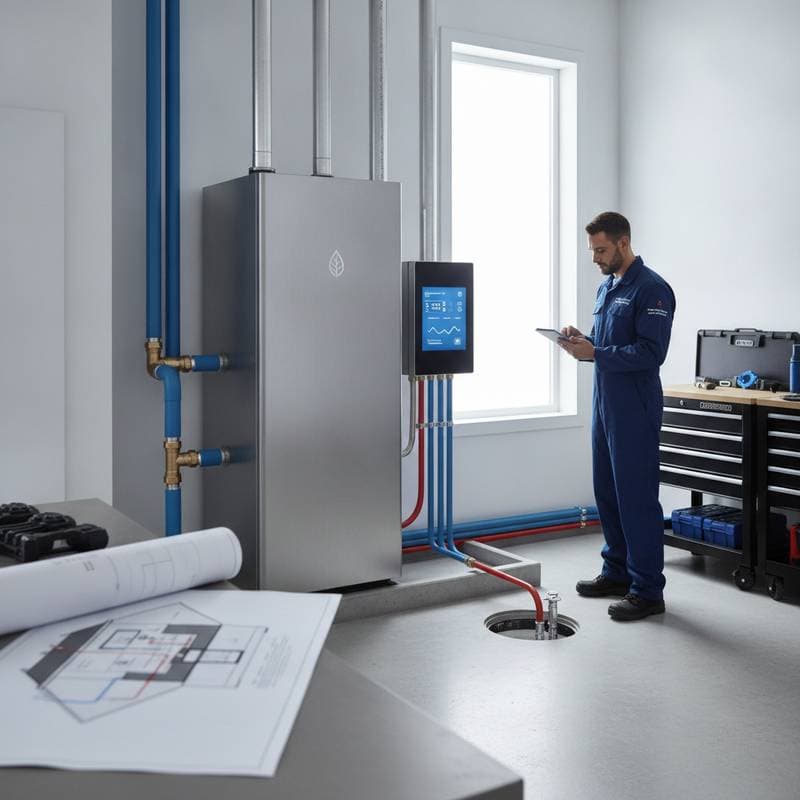
- Conduct Site Analysis: Engage a licensed contractor for an on-site review. Factors such as soil type, available space, and duct integration influence system configuration.
- Choose Appropriate Configuration: Opt for vertical loops on compact properties or horizontal arrays on expansive grounds. Water-body integrations serve viable alternatives where geography permits.
- Verify Efficiency Compliance: Select equipment certified under ENERGY STAR or comparable programs, essential for incentive eligibility.
- Document Expenditures: Retain comprehensive records of all purchases and labor charges.
- Submit Tax Documentation: Incorporate the residential energy credit form with your return, including requisite proofs.
Partnering with accredited professionals streamlines these requirements. Many specialists prepare submission materials compatible with tax advisors.
Strategies to Enhance System Performance and Sustainability
Post-installation, geothermal setups integrate into a comprehensive eco-friendly framework. Implement these targeted practices to maximize benefits:
- Incorporate Intelligent Thermostats: Devices with scheduling capabilities align operations with daily routines, optimizing energy use.
- Improve Building Envelope: Enhance insulation and sealing to minimize heat transfer, amplifying system effectiveness.
- Schedule Routine Maintenance: Professional inspections annually preserve peak operation and prolong component durability.
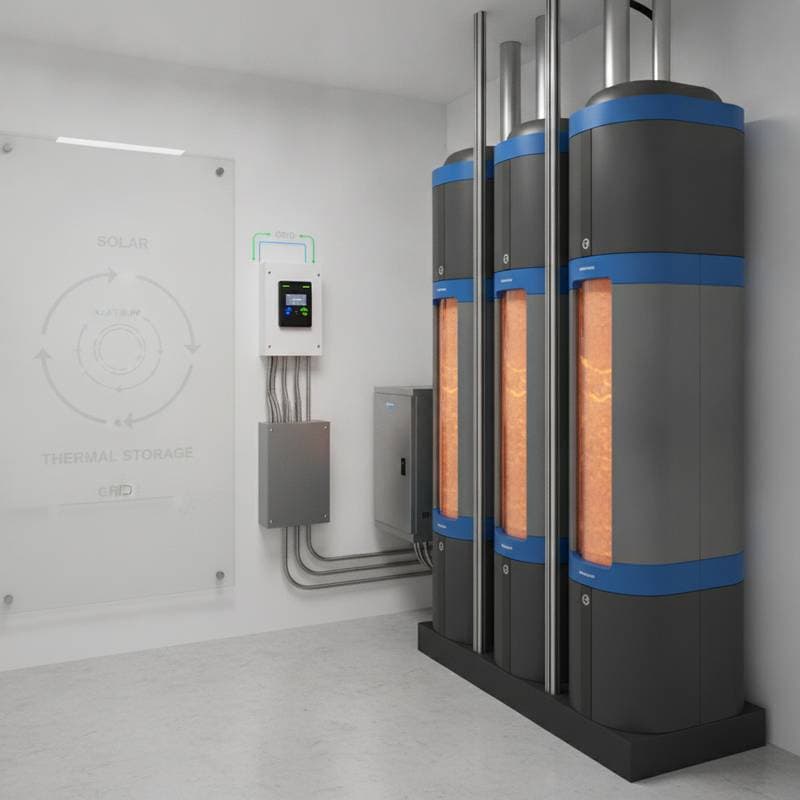
- Combine with Solar Integration: Linking to photovoltaic arrays further diminishes reliance on grid power.
Energy assessments indicate that properly serviced systems endure 25 to 50 years for buried elements and 20 to 25 years for above-ground parts. This longevity surpasses traditional HVAC units, which typically last 10 to 15 years, underscoring superior economic viability.
Essential Factors in Geothermal Investment Decisions
Prospective adopters must evaluate practical aspects to inform choices.
- Budget Expectations: System pricing spans $15,000 to $35,000, tailored to site demands and scale.
- Projected Reductions: Annual heating savings reach 30 to 70 percent, with cooling efficiencies at 20 to 50 percent.
- Recovery Timeline: Incentives shorten payback to 5 to 10 years via cumulative efficiencies.
- Regulatory Navigation: Secure local permits and assessments; select contractors versed in area stipulations.
- Operational Attributes: Units produce negligible noise and require limited exterior space versus conventional alternatives.
Rising utility rates amplify the rationale for such transitions. Geothermal enhancements not only secure financial stability but also elevate property marketability, as efficiency features command higher valuations.
Insights from Geothermal Professionals
"Property owners frequently express astonishment at the installation's simplicity," notes Dana Liu, a certified geothermal specialist. "Their initial utility statements confirm the promised outcomes: unwavering comfort paired with reduced consumption."
Client feedback in my practice echoes this sentiment. Individuals report satisfaction with the unobtrusive functionality, uniform climate regulation, and alignment with environmental stewardship.
Securing Geothermal Benefits Through Expert Action
To initiate geothermal integration, consult verified specialists via established networks. Arrange complimentary site reviews for tailored pricing and insights into supplementary local programs, which often complement federal support.
Success hinges on meticulous preparation and specialist input. Optimal designs yield enduring advantages in comfort, cost control, and ecological harmony. Capitalizing on available incentives transforms this into a strategic enhancement for residential living and planetary health.
View geothermal adoption as a pivotal shift in home energy dynamics. Subsurface resources offer abundant, stable potential. Harnessing them fosters residences that embody efficiency, reliability, and enduring worth.
Frequently Asked Questions
Q: How much can I actually save with a geothermal system and the tax credit combined?
A: Between the federal incentive and annual utility savings, many homeowners recover up to half their installation cost within the first several years. The total return depends on local energy rates and system size.