Introduction to Mycelium Insulation
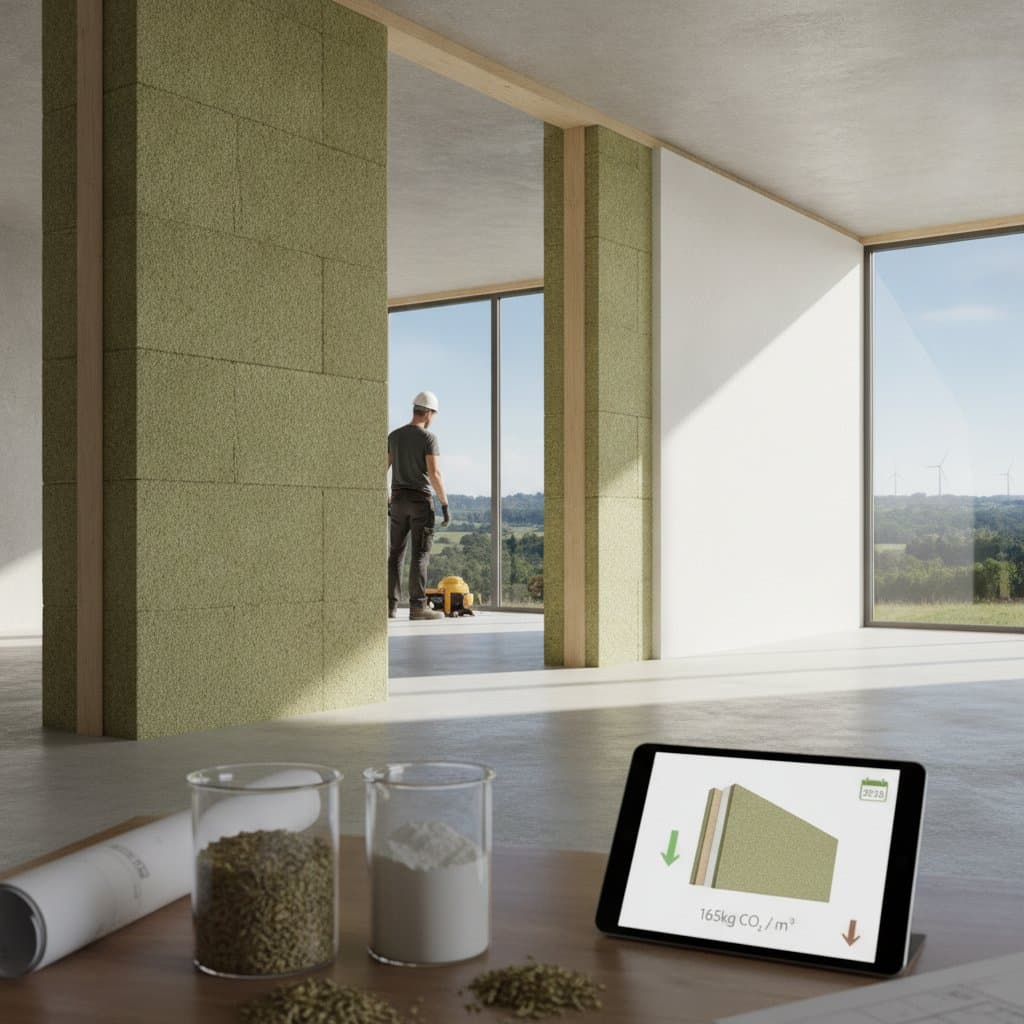
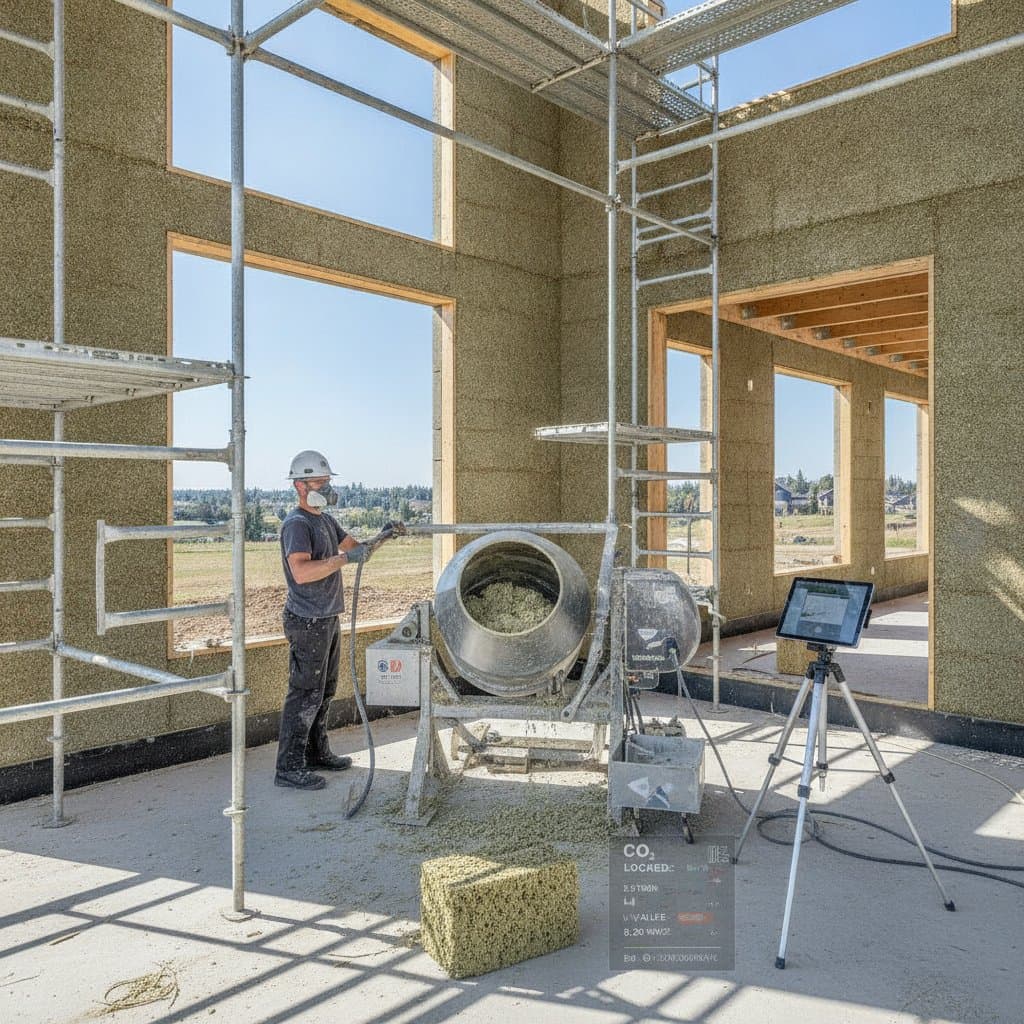
Mycelium insulation emerges as an innovative solution in the realm of sustainable building materials. Derived from the root-like structures of fungi, this substance utilizes agricultural byproducts such as straw, sawdust, and corn husks. Growers inoculate these wastes with mycelium spores, allowing the network to bind the particles into solid, lightweight panels over a period of days.
This process requires minimal energy compared to traditional manufacturing techniques. Factories produce conventional insulation through high-heat extrusion or chemical bonding, which generates significant carbon emissions. In contrast, mycelium grows at ambient temperatures, aligning with circular economy principles by repurposing waste that might otherwise decompose in landfills.
Homeowners and builders increasingly adopt this material for its compatibility with green certifications like LEED. As awareness grows, mycelium insulation positions itself as a viable alternative for retrofitting existing structures or constructing new energy-efficient homes.
Understanding Mycelium as a Building Material
Mycelium consists of thread-like hyphae that form a dense mat when cultivated on substrates. In insulation applications, developers compress this mat into rigid boards or flexible mats suited for walls, roofs, and floors. The resulting product exhibits a natural, organic texture that integrates seamlessly with biophilic design trends.
Unlike synthetic foams, mycelium decomposes naturally at the end of its lifecycle, eliminating long-term environmental persistence. Researchers test its durability under various conditions, confirming resistance to mold when properly treated and sealed. This material also avoids off-gassing volatile organic compounds, ensuring indoor air quality remains high.
Production scales from small-scale DIY setups to industrial facilities. Community workshops demonstrate how individuals contribute to larger sustainability efforts by growing batches locally, reducing transportation emissions associated with commercial products.
Key Benefits of Mycelium Insulation
Mycelium insulation delivers multiple advantages for thermal performance and occupant health. Its cellular structure traps air pockets effectively, achieving R-values between 2.5 and 3.5 per inch, comparable to fiberglass without the itch or irritation during installation.
The material regulates humidity by absorbing excess moisture and releasing it when conditions dry out, preventing condensation issues common in vapor-barrier systems. This breathability reduces the risk of structural damage in humid climates.
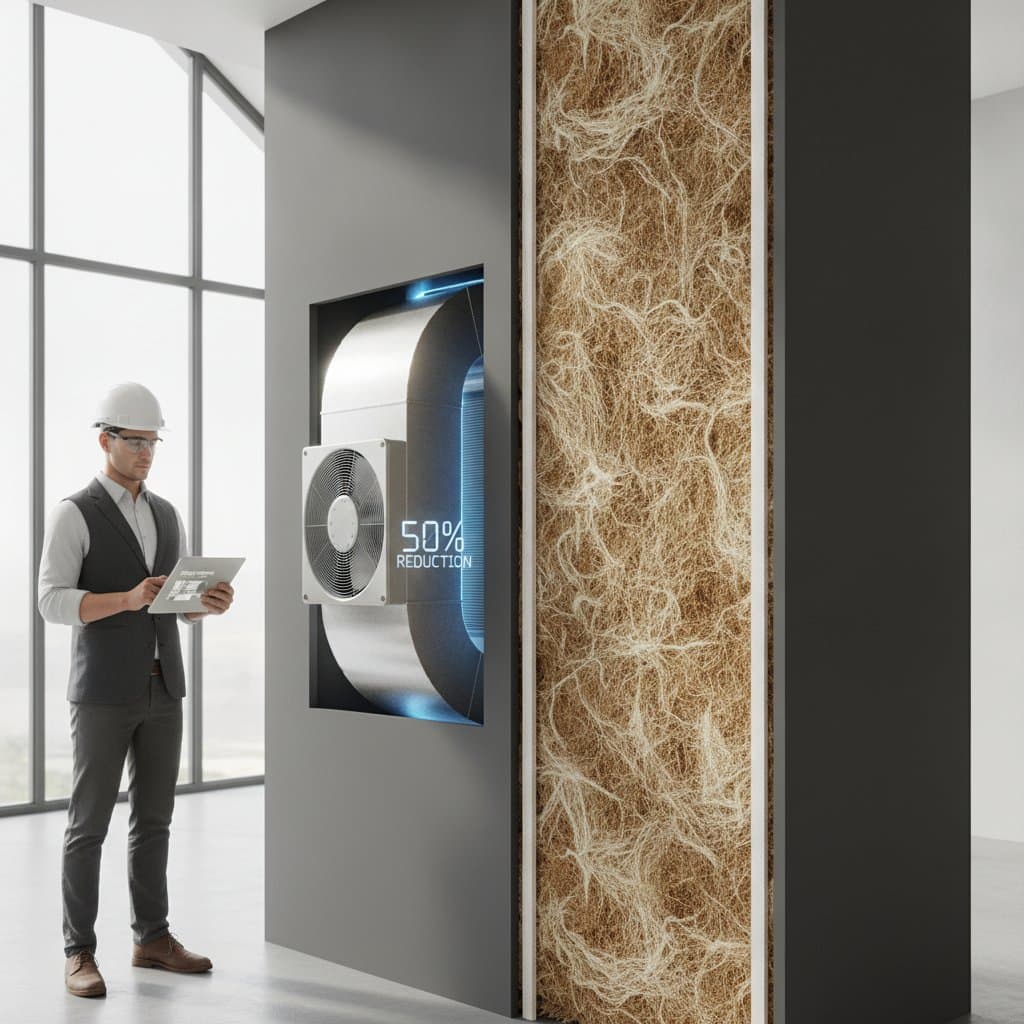
Fire resistance stands out as another strength; mycelium chars rather than ignites, earning Class A ratings in standardized tests. Acoustic properties further enhance its appeal, with panels absorbing sound waves to create quieter living spaces.
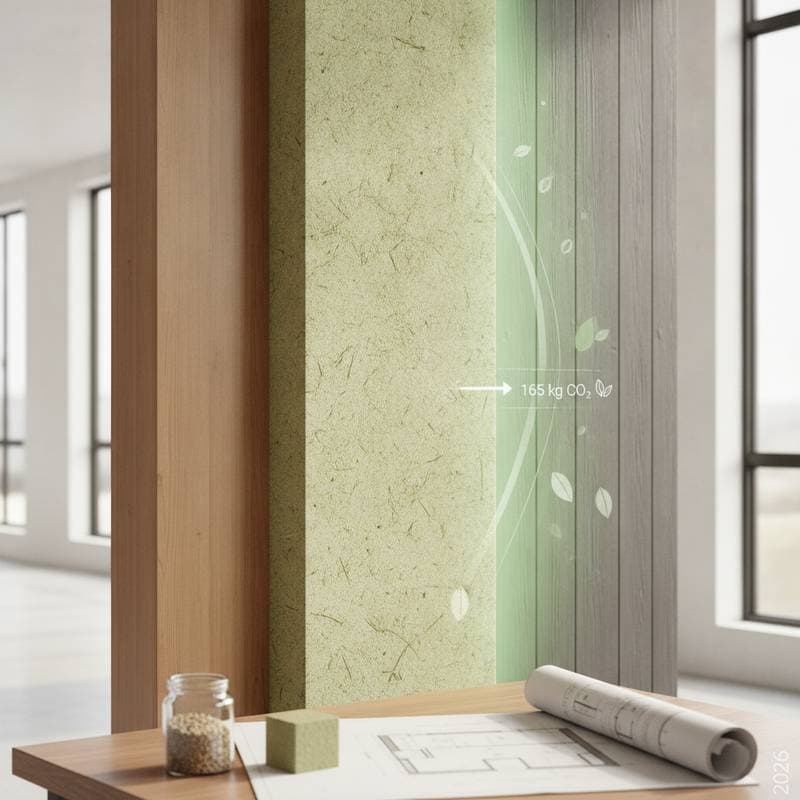
From an ecological perspective, sourcing from farm waste diverts tons of organic matter from disposal sites annually. Lifecycle assessments indicate that mycelium production emits up to 90 percent less greenhouse gases than polystyrene alternatives.
DIY Guide: Growing Your Own Mycelium Insulation
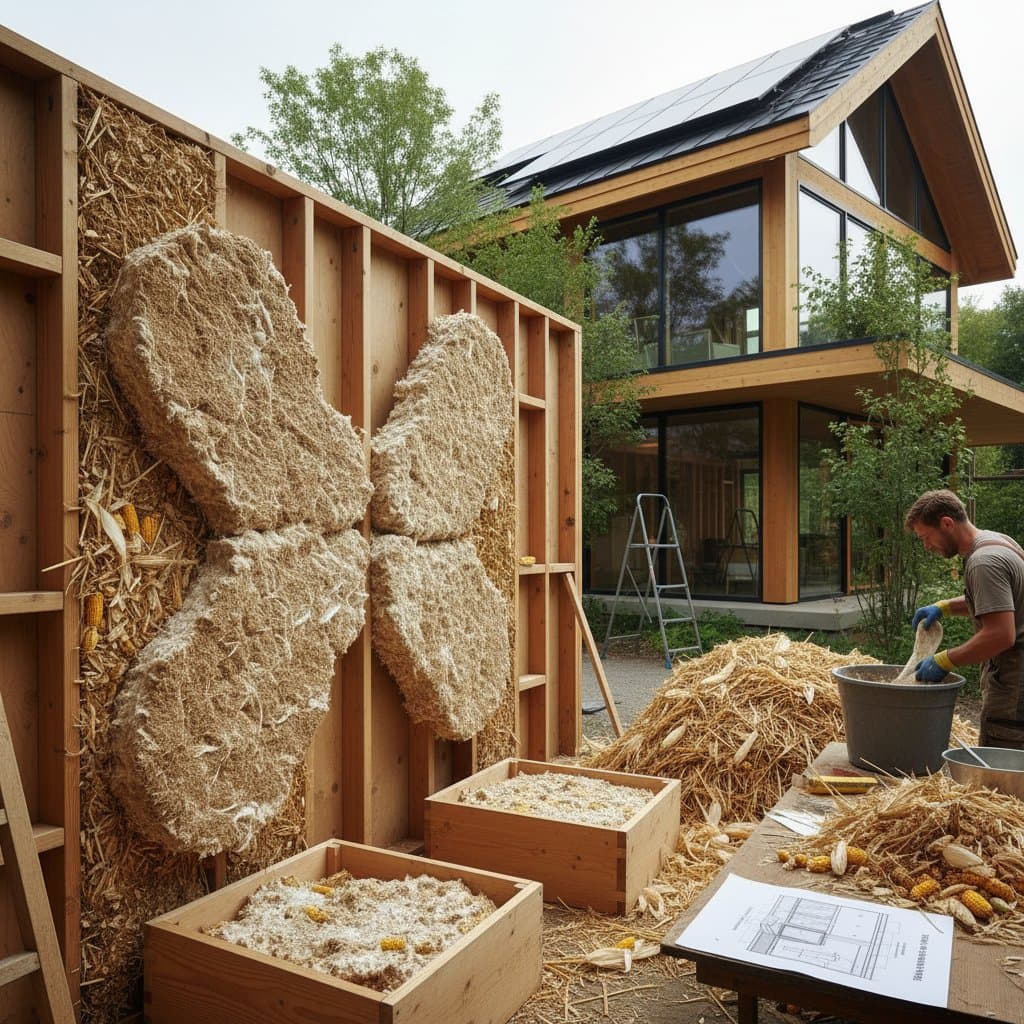
Individuals can cultivate mycelium insulation using accessible materials and basic equipment. Start by gathering substrates like wheat straw or hemp hurds, available from local farms or online suppliers. Sterilize these in a pressure cooker or oven to eliminate competing organisms.
Prepare the inoculum by purchasing mushroom spawn, typically from gourmet varieties like oyster or reishi fungi, which colonize substrates rapidly. Mix the spawn evenly into the cooled substrate at a ratio of 10 percent by weight.
Pack the mixture into molds, such as wooden frames lined with breathable fabric, and store in a dark, humid environment at 70 to 80 degrees Fahrenheit. Colonization occurs within 5 to 14 days, depending on ambient conditions. Monitor for white, web-like growth covering the surface.
Once fully colonized, bake the panels at 160 degrees Fahrenheit for 6 hours to halt growth and strengthen the structure. This step ensures the material remains stable without requiring chemical preservatives.
Scale production by using larger containers or reusable forms. Beginners often start with 1-square-foot panels to test techniques before expanding to full wall sections.
Materials Needed for a Basic Batch
- 10 pounds of agricultural substrate (straw or sawdust)
- 1 pound of mushroom spawn
- Large plastic bags or molds
- Pressure cooker for sterilization
- Incubator space (closet or box with humidity control)
- Oven for drying
Step-by-Step Growing Process
- Sterilize the substrate to prevent contamination.
- Inoculate with spawn and mix thoroughly.
- Fill molds and incubate in a controlled environment.
- Check progress daily and adjust humidity as needed.
- Bake to finalize the panels.
- Cut and shape for specific installation needs.
Cost Trends and Economic Considerations
Initial costs for mycelium insulation range from $5 to $10 per square foot for commercial products, but DIY methods reduce this to under $2 per square foot. Substrate sourcing proves inexpensive, often free from nearby agricultural operations, while spawn costs approximately $20 per pound.
Market projections indicate price drops as production scales. By 2026, advancements in automated growing systems could lower commercial prices by 30 percent, making it competitive with mineral wool. Government incentives for green building materials further offset expenses through tax credits.
Long-term savings arise from energy efficiency; homes insulated with mycelium require 15 to 20 percent less heating and cooling. Insurance premiums may decrease due to the material's fire-resistant qualities.
Installation Tips for Homeowners
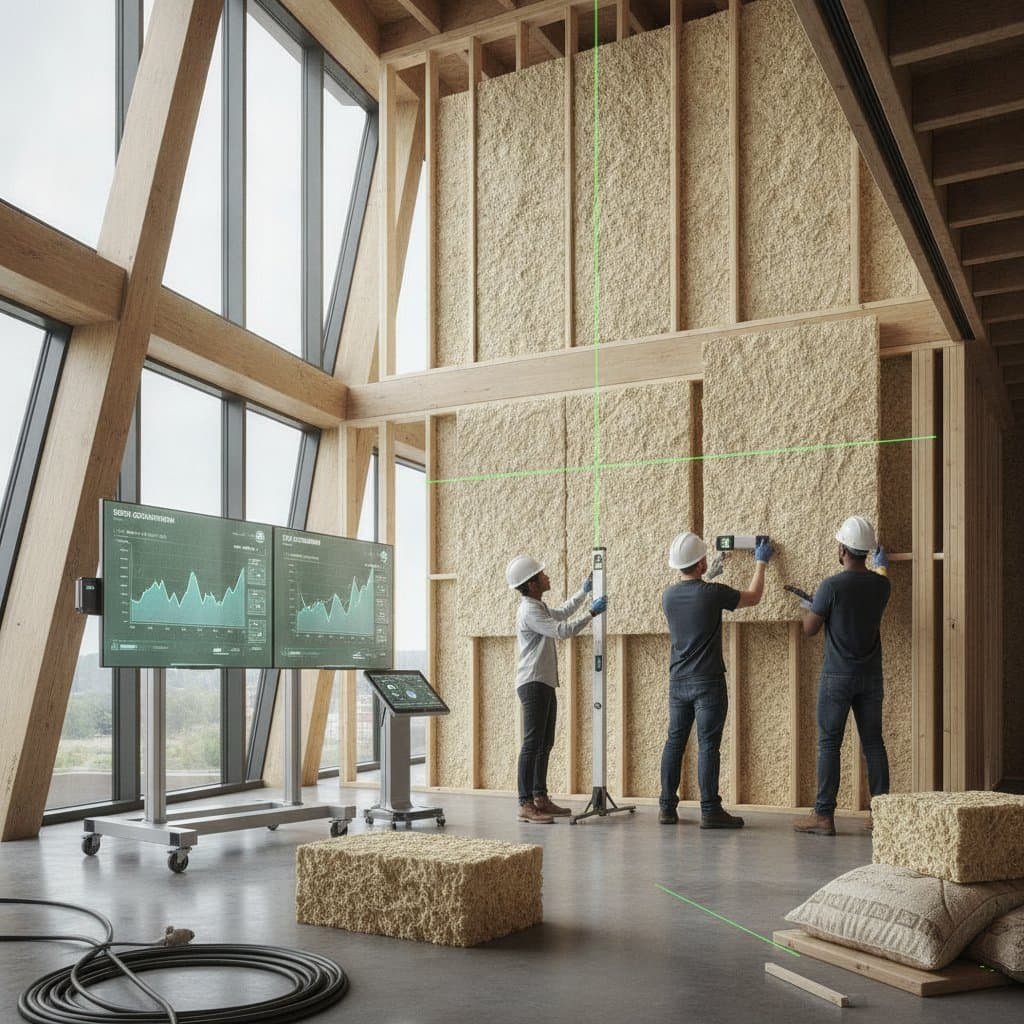
Installing mycelium panels mirrors standard insulation practices but emphasizes gentle handling to preserve integrity. Measure wall cavities precisely and cut panels with a handsaw for custom fits. Secure with adhesive or mechanical fasteners, ensuring gaps remain minimal to maximize thermal performance.
For attics or floors, layer panels loosely to allow airflow while maintaining insulation value. Integrate vapor-permeable barriers if local codes require them, though mycelium's natural properties often suffice.
Professional installers recommend testing small areas first to assess compatibility with existing structures. Ventilation during the growth phase prevents spore dispersal indoors.
Embracing Mycelium for Sustainable Homes
Adopting mycelium insulation empowers homeowners to participate in regenerative design. This material not only enhances energy efficiency but also fosters a connection to natural processes. As costs decline and techniques improve, it becomes accessible for diverse projects, from tiny homes to large renovations.
Consider initiating a small-scale grow to experience the transformation firsthand. The result offers durable, eco-conscious protection that aligns with long-term planetary health goals.