Key Points
- Hempcrete offers fire-resistant insulation that enhances safety and promotes sustainability.
- The material consists of hemp hurd, a lime binder, and water, forming a lightweight, breathable wall system.
- Installation costs range from moderate to high relative to traditional insulation, yet energy savings and durability provide substantial long-term returns.
- Fire tests demonstrate hempcrete's resistance to ignition and flame spread, delivering protection in wildfire zones.
- Carbon sequestration and natural makeup distinguish hempcrete in the expanding field of bio-based insulation.
The Rising Appeal of Safer, Greener Building Materials
Picture a home where walls provide solid protection, allow air to circulate freely, and offer confidence against fire threats. Residents notice improved air quality, consistent temperatures, and reduced worry about insulation hazards. This vision explains hempcrete's rapid ascent in sustainable construction.
Homeowners and builders seek materials that withstand challenges, lower expenses, and minimize ecological harm. Conventional insulation may deliver efficiency but frequently includes petrochemicals that emit toxins over time. Hempcrete stands apart as a natural, recyclable option with notable heat and flame resistance, signaling a move toward resilient and accountable building.
Understanding Hempcrete and Its Mechanism
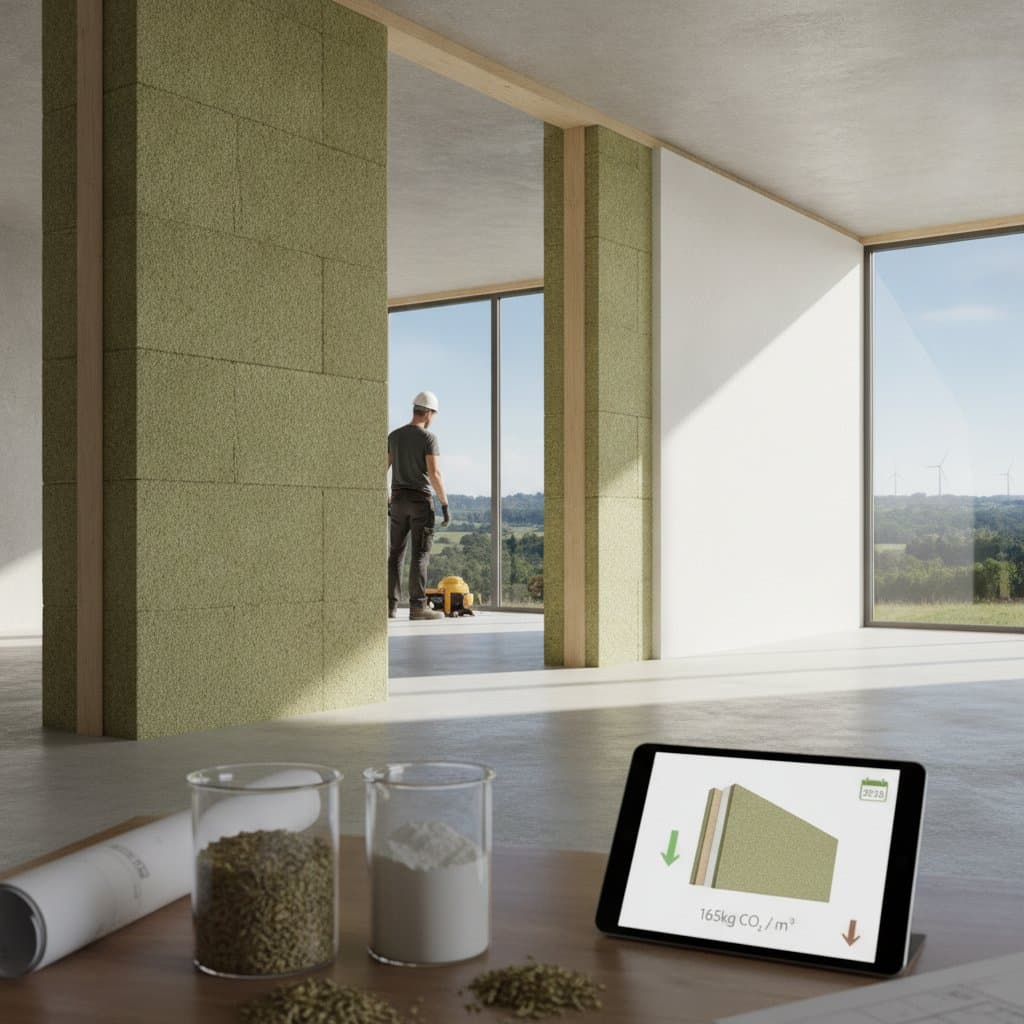
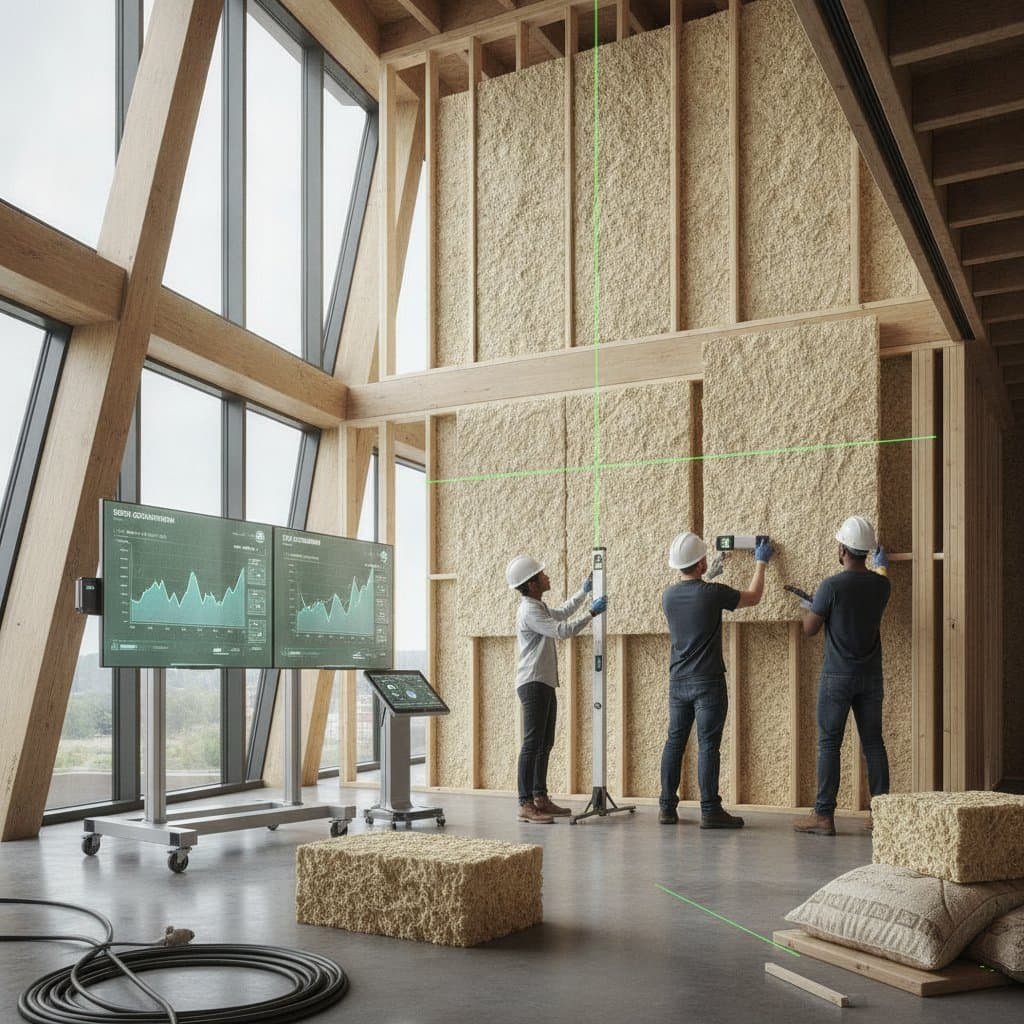
Hempcrete differs from traditional concrete. Builders mix hemp hurd, the inner woody part of the hemp plant, with a lime-based binder and water. They then cast or tamp this blend around structural frames, where it sets into a lightweight yet robust form.
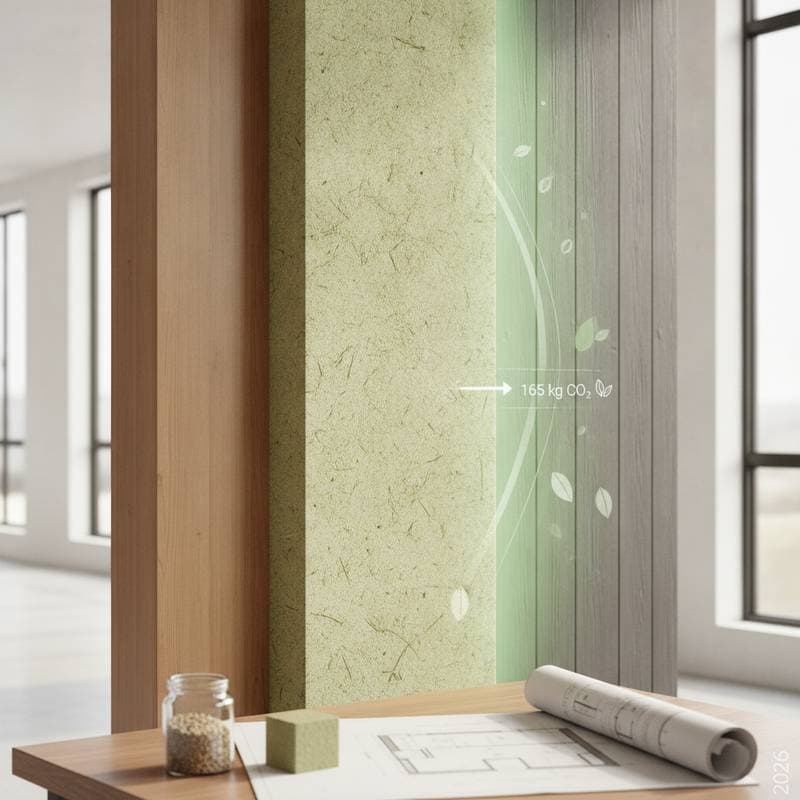
Hempcrete's effectiveness stems from its porous cellular makeup. The hemp hurd enables natural moisture control in walls. The lime binder interacts with atmospheric carbon dioxide during curing, which sequesters carbon and results in a low-energy, potentially carbon-negative product when produced sustainably.
Fire Resistance and Protective Qualities
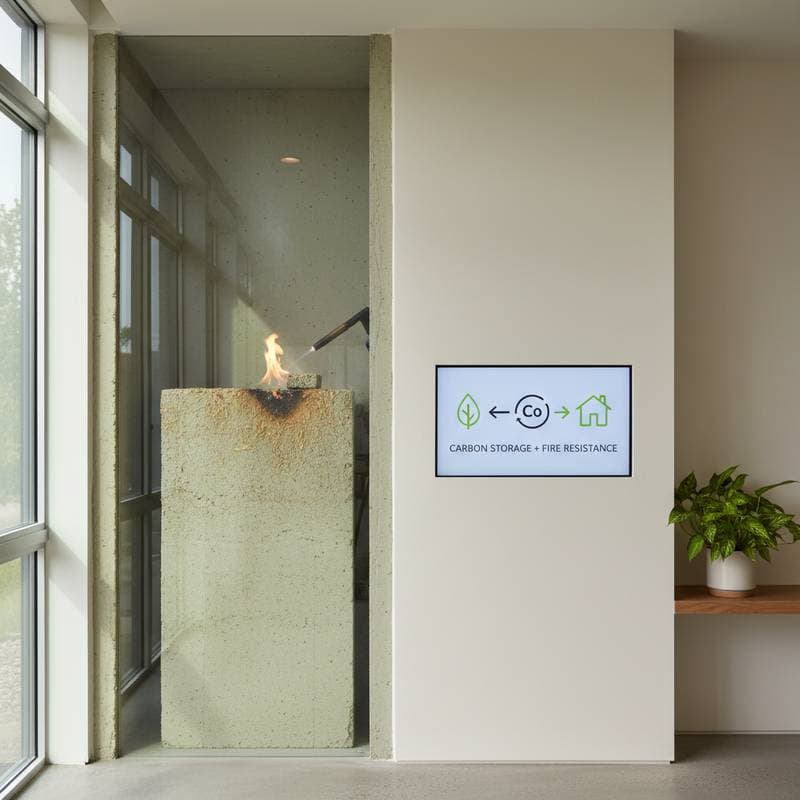
Fire safety ranks as a key concern in eco-friendly design. Hempcrete excels here. Tests from independent sources reveal that it endures direct flames for prolonged durations without collapsing.
Absence of synthetic resins or volatile elements ensures minimal toxic smoke during heating. The lime binder releases bound water and develops a char barrier under intense heat, which hinders burning. In standardized trials, hempcrete walls resisted fire for as long as two hours with limited degradation, surpassing numerous standard insulators.
Residents in fire-vulnerable areas gain tangible and mental security from this trait. Hempcrete's ignition resistance can limit damage to surface levels rather than total destruction.
Energy Savings and Interior Comfort
Hempcrete serves as an effective thermal barrier beyond fire defense. Its R-value, indicating heat resistance, falls between 2.4 and 3.0 per inch, varying by density and formulation. This matches moderate fiberglass levels, but hempcrete adds benefits from thermal mass and moisture permeability.
The material's breathability stabilizes indoor humidity, avoiding condensation, mold, and excessive dryness linked to impermeable synthetics. Its thermal mass moderates temperature swings, easing demands on heating and cooling systems.
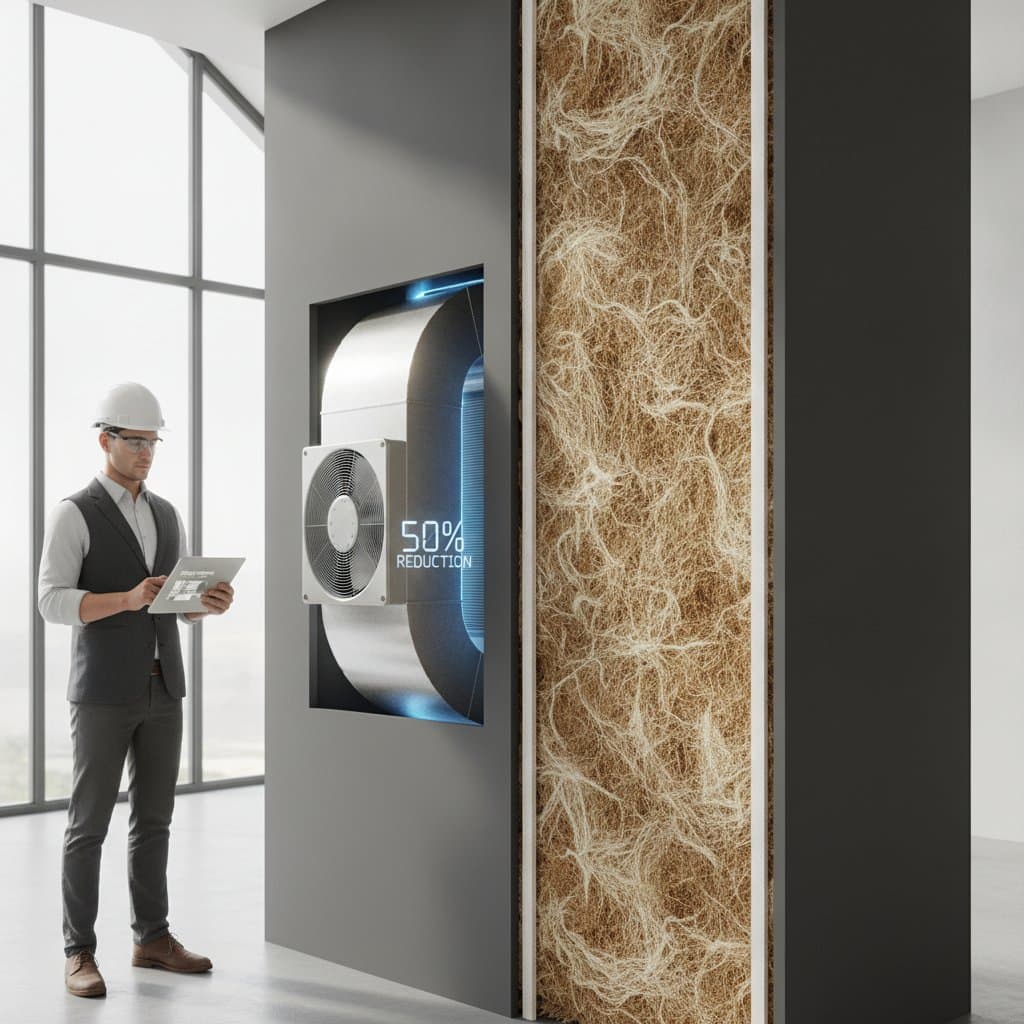
Simulations of hempcrete structures indicate 30 to 50 percent drops in yearly energy use for climate control versus traditional setups. Such reductions gradually recover the elevated starting costs.
Financial Aspects and Investment Returns
Hempcrete economics vary by project size and regional labor. Materials cost moderately to somewhat more than standard insulators. Specialized application drives main expenses, as it demands skills in mixing and curing unlike routine framing.
In fresh constructions, hempcrete walls may raise costs 10 to 25 percent over conventional methods. However, reduced utility payments, low upkeep, and prolonged service life yield net gains. Owners typically recoup differences in under ten years, with immediate comfort and security payoffs.
Integrating hempcrete with elements like solar arrays or ground-source heat boosts overall efficiency and carbon reduction.
Ecological and Wellness Benefits
Hempcrete excels environmentally. Hemp thrives quickly, requires little water, and avoids chemical inputs. It enriches soil and aids ecosystems. Each ton of hemp removes about 1.5 tons of carbon dioxide, aiding climate efforts.
Within dwellings, hempcrete fosters clean air. Free of plastics or retardants that off-gas, it maintains low volatile organic compounds. Humidity regulation supports respiratory well-being and overall comfort.
These qualities attract households pursuing sustainable and health-focused environments.
Industry Shifts and Expert Insights
Experts in architecture, engineering, and building regard hempcrete beyond novelty. It aligns with trends in bio-materials focused on full-cycle efficiency and renewal.
Contractors value its pairing with wood frames and versatility in weather conditions. Designers appreciate its organic texture, suitable for exposure or lime rendering.
Analysts forecast increased use as codes validate its attributes. Expanding fire certifications and approvals encourage broader specification in homes and businesses.
Steps for Homeowners to Consider
Prospective users should define objectives first. Assess if the work entails new builds or updates, as approaches differ. New projects accommodate hempcrete best, allowing space for thickness and drying.
Retrofitting demands selective removal or added layers. Select crews versed in lime products. Faulty preparation risks efficacy; opt for verified blends to ensure uniformity.
Account for curing periods in timelines. Hempcrete strengthens gradually over weeks. Haste may lock in dampness and weaken isolation.
Seek green financing or rebates that cover hemp options. These can ease upfront burdens.
Durability and Upkeep Over Time
Hempcrete's endurance often goes underappreciated. Well-constructed panels endure for decades with little care. Lime wards off insects, fungi, and decay, while embedded fibers stay intact.
Small fissures mend easily with lime fillers. Breathability averts concealed water issues. Ongoing carbon uptake further solidifies the structure, lessening future overhauls and preserving worth.
Steps to Implement Hempcrete
To advance from interest to installation, pursue knowledge. Tour sample sites or consult hemp-savvy builders. Demand itemized budgets and efficiency projections. Weigh these against present bills to project gains.