Key Points
- Mushroom-based insulation, derived from mycelium, serves as a biodegradable and renewable option compared to synthetic alternatives.
- It delivers robust thermal performance, sound absorption, and fire resistance without incorporating toxic additives.
- Initial costs exceed those of conventional insulation, yet long-term savings and environmental advantages frequently justify the investment.
- Production relies on cultivation rather than intensive manufacturing, which minimizes energy consumption and carbon emissions.
- Effective implementation demands attention to design, moisture management, and installation techniques to optimize durability and performance.
Introducing Mycelium Insulation to Home Design
Picture a home that maintains warmth during cold evenings through the subtle work of mushrooms rather than fiberglass or foam. These fungi, familiar from culinary dishes, now contribute to wall linings that retain heat and cut energy demands. This innovation moves beyond experimental concepts into viable applications favored by builders committed to environmental stewardship.
The Importance of Mycelium Insulation
Standard insulation options such as fiberglass and polystyrene have supported residential structures for years, yet their environmental impact remains significant. Manufacturing these materials relies heavily on fossil fuels, and their end-of-life disposal contributes to landfill accumulation. Mycelium insulation shifts this paradigm by utilizing the root-like network of fungi.
Cultivated in controlled environments, mycelium develops into a compact, foam-resembling form suitable for replacing synthetic boards. This substance proves biodegradable, non-toxic, and renewable, appealing to property owners aiming to lessen their carbon impact while enhancing living conditions. It aligns with the broader trend of bio-based construction materials that prioritize sustainability from the outset.
Essential Planning Considerations
Prospective users benefit from grasping how mycelium insulation integrates into renovations or new constructions.
- Material Configurations: Options include rigid panels for walls, floors, and roofs, or loose-fill for uneven spaces.
- Moisture Control: Organic composition necessitates safeguards against extended exposure to dampness, achieved through vapor barriers and adequate ventilation to avert mold growth.
- Regional Sourcing: As production expands, availability differs by location; collaborations with nearby growers enable tailored panels.
- Installation Requirements: Procedures mirror those for traditional insulation, though expertise in handling density and moisture proves essential.
These elements facilitate informed evaluations of performance and expenses.
Analyzing Costs and Return on Investment
Mycelium insulation incurs initial expenses of 15 to 25 dollars per square foot, influenced by thickness, density, and regional factors. This exceeds fiberglass rates of 5 to 10 dollars per square foot but aligns with premium natural choices like sheep's wool or hemp.
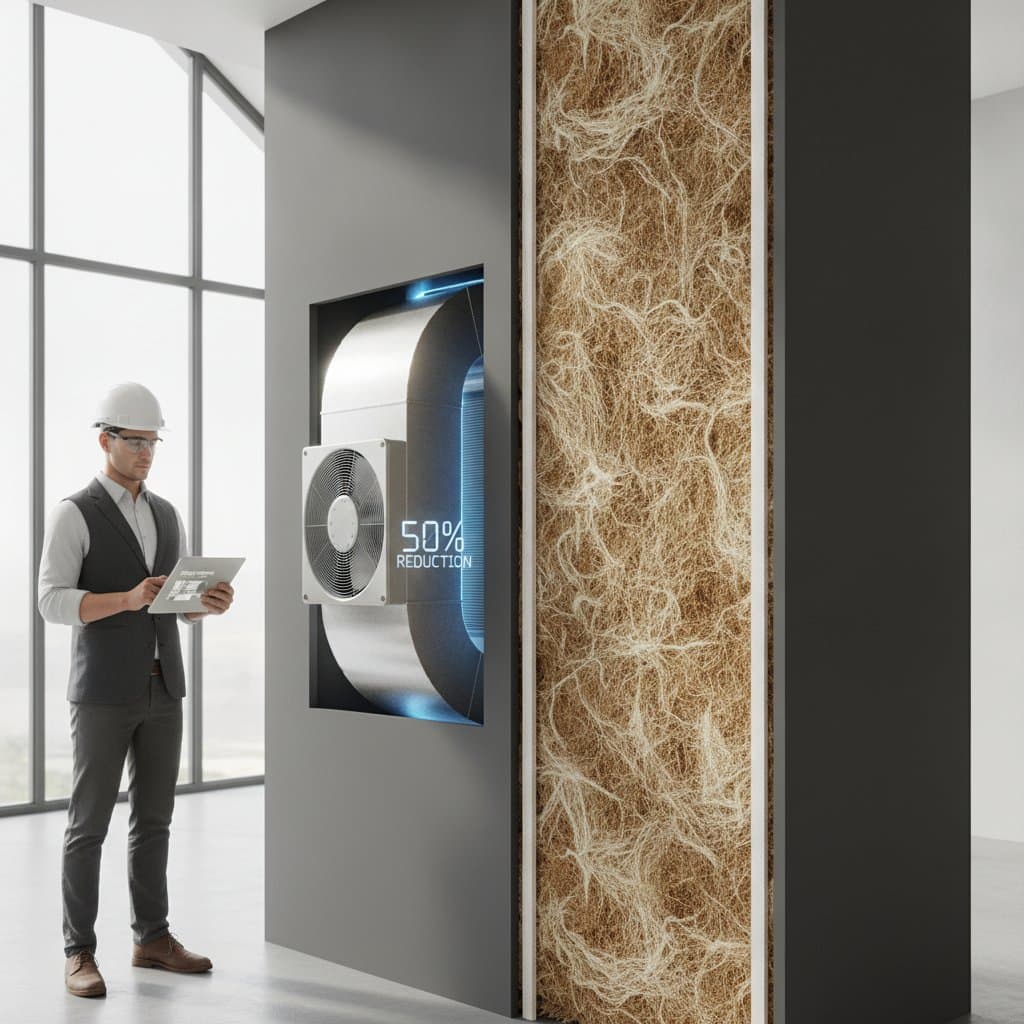
Lifecycle assessments highlight its strengths. Cultivation occurs on agricultural byproducts such as corn stalks or sawdust, demanding little energy and yielding a reduced carbon footprint. With thermal resistance values comparable to established materials, it lowers heating and cooling expenses by 10 to 20 percent based on overall building design.
Health and maintenance factors further bolster returns. Absence of chemical binders ensures superior indoor air quality, while inherent resistance to fire and pests reduces ongoing care. For those prioritizing enduring benefits, these attributes offset upfront costs.
Creative Integration in Home Design
Mycelium insulation extends beyond functionality to inspire innovative aesthetics rooted in biophilic design, fostering connections to the natural world.
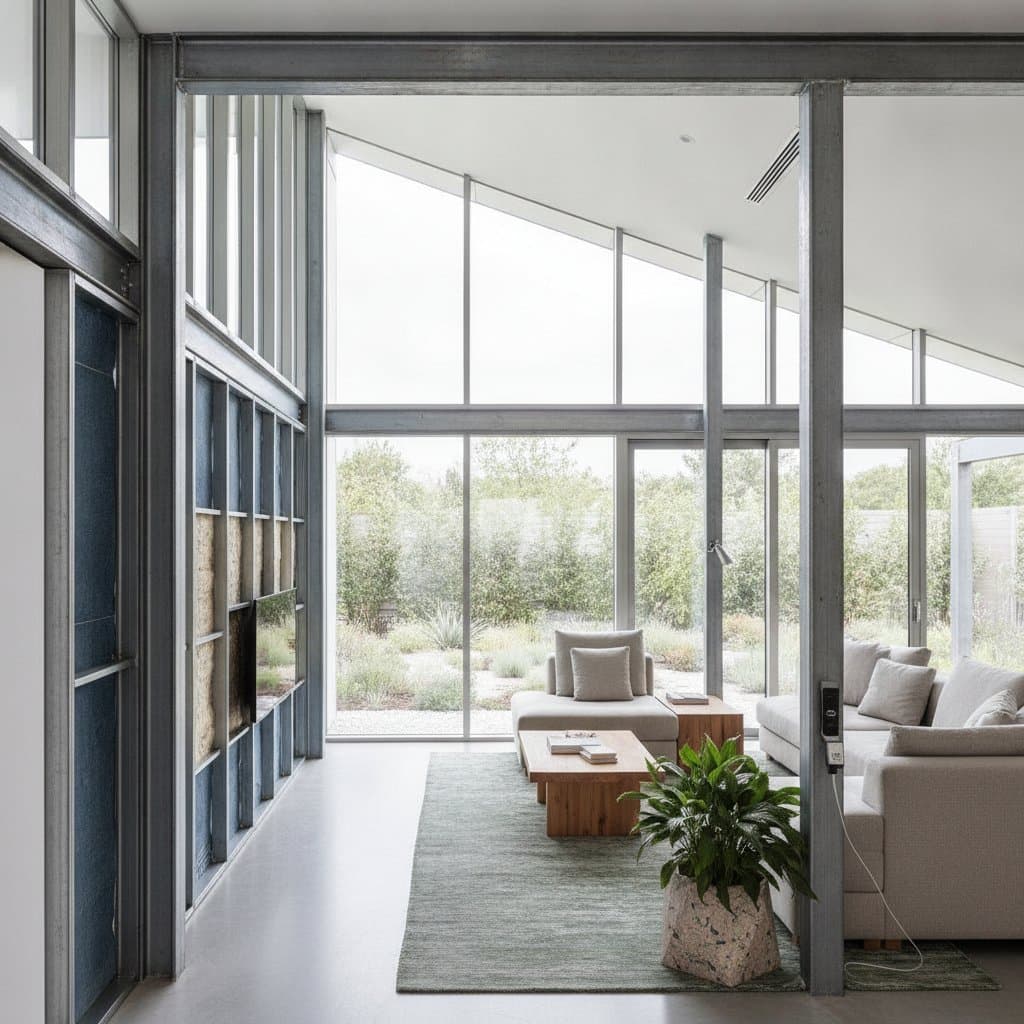
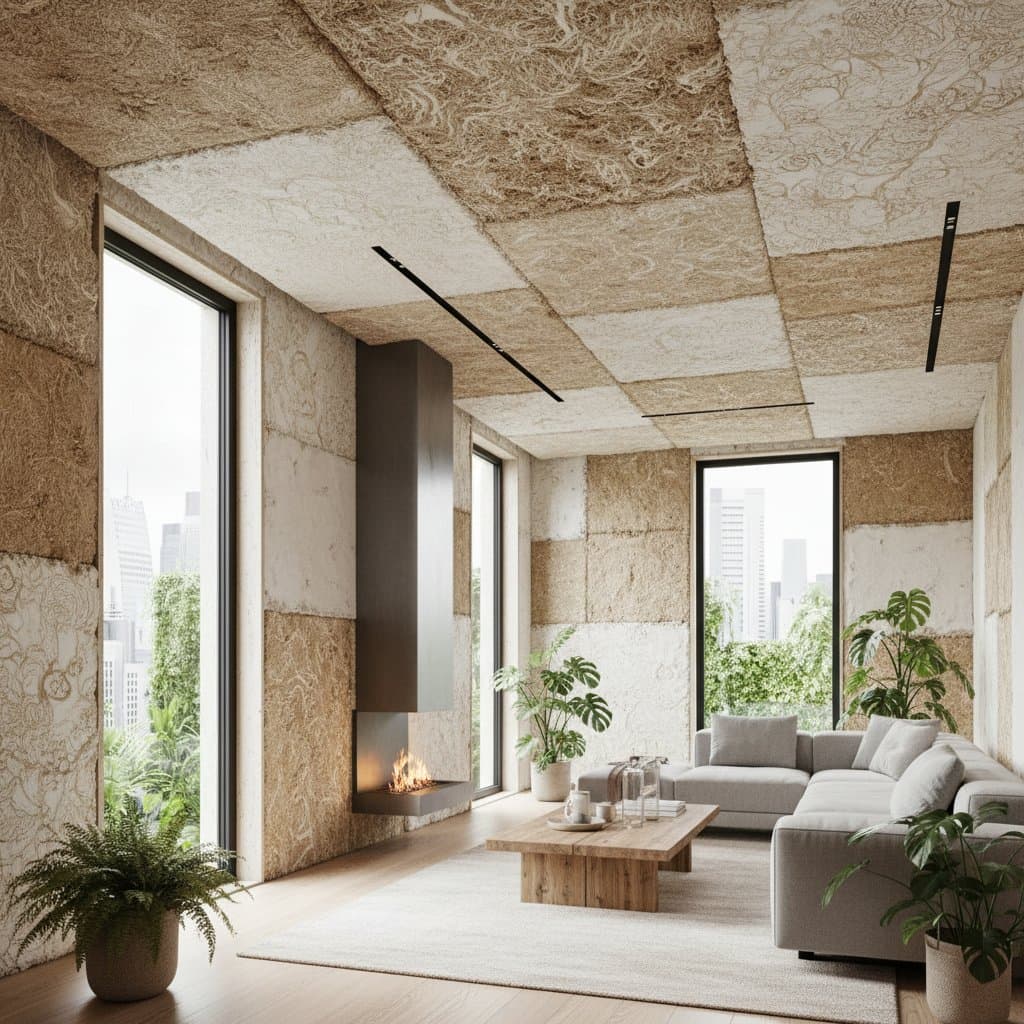
- Visible Applications: In contemporary settings, panels appear behind glass or receive natural treatments to showcase their textured form.
- Sound Management: The material's porosity excels in noise reduction, ideal for studios or dividing walls.
- Combined Approaches: Pairing with reclaimed wood or cork optimizes expense and efficacy, enhancing insulation while preserving organic appeal.
Adaptability varies by product, but panels accommodate cutting and shaping akin to standard boards. Verify alignment with framing and sheathing to uphold structural standards.
Project-Influencing Variables
Multiple aspects shape the execution of mycelium insulation initiatives:
- Environmental Conditions: High-humidity zones demand rigorous moisture strategies, whereas arid regions simplify placement.
- Regulatory Compliance: Certain areas assess bio-based standards; engage experts versed in local codes and sustainability certifications.
- Scope of Work: Targeted retrofits apply panels selectively, whereas comprehensive new constructions deploy them extensively.
- Market Development: As an evolving sector, supply may vary; advance scheduling secures timely delivery.
Addressing these ensures reliable outcomes, adherence, and sustained performance.
Environmental and Performance Advantages
Mycelium insulation advances sustainability across its lifecycle.
- Efficient Cultivation: Growth avoids extreme temperatures or artificial compounds, repurposing waste like straw or wood chips.
- Carbon Sequestration: The process absorbs atmospheric carbon, storing it within the material.
- End-of-Life Options: Panels decompose via composting, avoiding landfill contributions.
- Thermal Effectiveness: R-values match conventional products, preserving comfort levels.
- Air Quality Benefits: Free from irritants or emissions, it promotes healthier interiors.
Combined with upgrades like efficient glazing and sealing, it yields homes that excel in efficiency, comfort, and operational economy.
Frequently Asked Questions
What constitutes mycelium, and its role in insulation?
Mycelium represents the thread-like fungal roots. Producers cultivate it on substrates such as straw or wood chips to create a lightweight, dense form. Drying renders it rigid for panel or block applications.
Does it invite pests or degrade?
Sealed and dried properly, it repels insects and mold. The treatment eliminates viable spores, forming a durable matrix. Moisture oversight remains crucial for endurance.
How does performance stack against conventional types?
It matches mid-tier fiberglass or foam in heat retention. Strengths lie in eco-friendliness, permeability, and safety, with added acoustic benefits from its structure.
Are certifications available for construction?
Products undergo testing for fire, thermal, and stability metrics. Confirm approvals from green building evaluators prior to selection.
Is DIY installation feasible?
Modest projects suit self-installation, but extensive uses warrant professionals for sealing and moisture handling.
What follows lifespan expiration?
Materials break down naturally; suitable composting recycles nutrients to soil, contrasting persistent synthetics.
Steps to Implement Mycelium Insulation
Adopting this material marks a commitment to regenerative practices. Conduct an insulation assessment to pinpoint inefficiencies in attics or walls, then determine suitability for mycelium solutions.
For gradual adoption, integrate into expansions or updates to gauge results. Track metrics like utility costs, thermal comfort, and air purity to quantify gains.
Embracing Natural Insulation Benefits
Installed mycelium insulation operates seamlessly, moderating climate and acoustics while embodying harmony with biological processes. It elevates daily living through sustainable innovation, blending practicality with ecological insight.