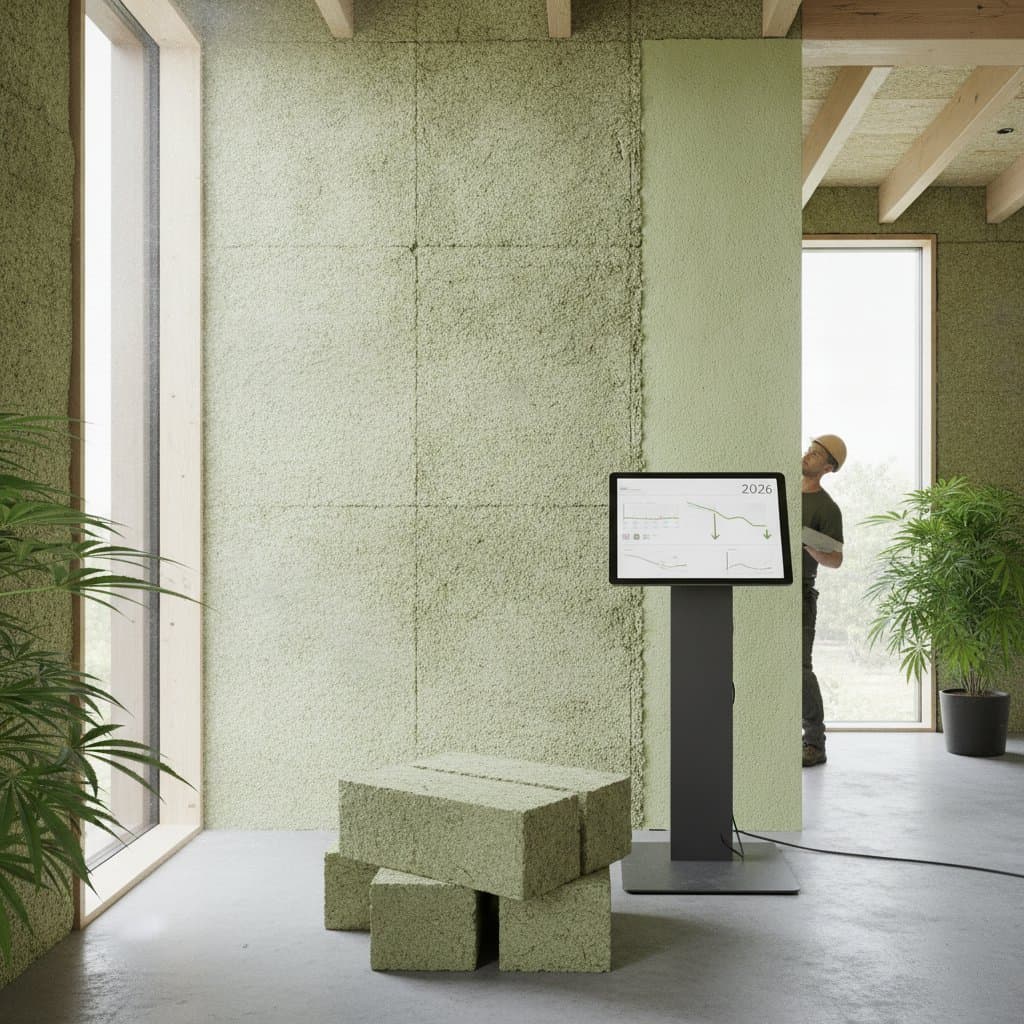
Hempcrete Stores More Carbon Than It Emits
Hempcrete combines hemp fibers, lime, and water to form a lightweight insulation that stores carbon. This material regulates moisture, resists pests, and supports energy efficiency in both new construction and retrofits. Builders now recognize its role in lowering overall building emissions while maintaining comfortable indoor conditions.
How Hempcrete Improves Building Performance
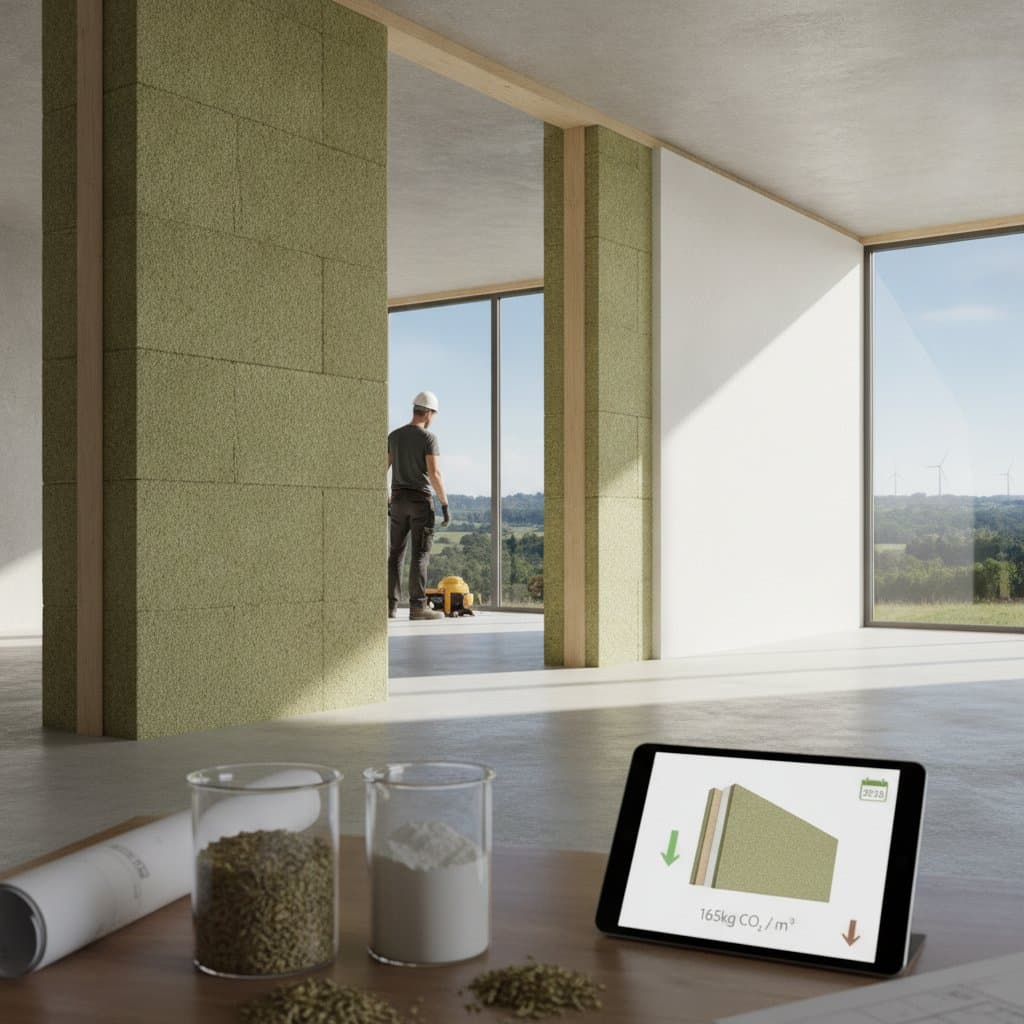
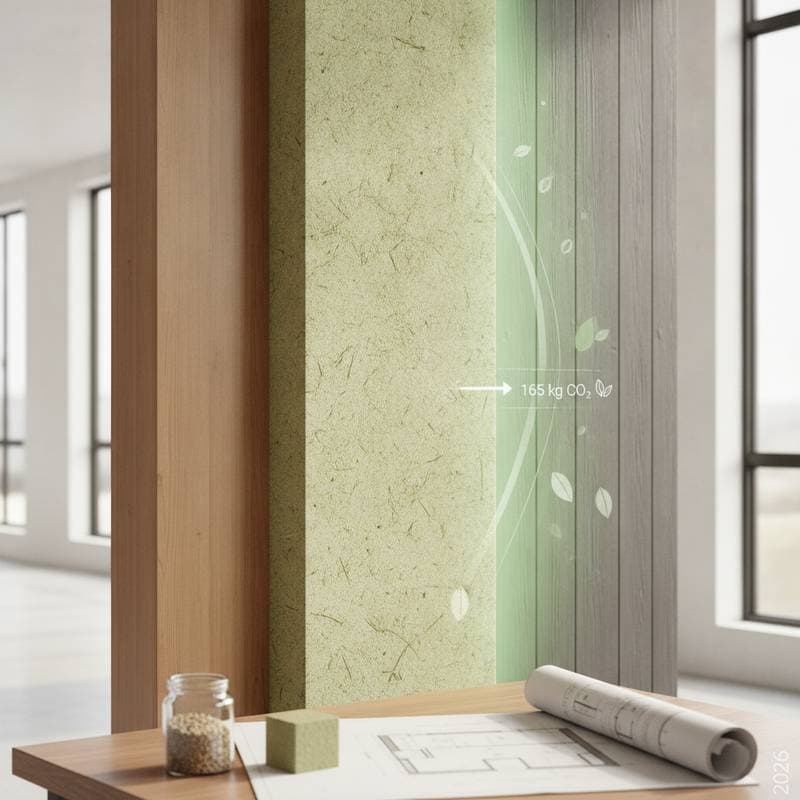
Traditional insulation often relies on energy-heavy production and petrochemical components. Hempcrete reverses this pattern. The hemp plant absorbs carbon dioxide during growth, and the lime binder continues to sequester small amounts of carbon as it cures. The result is a wall system that functions as a long-term carbon sink.
Financial returns appear over time. Installation costs run 10 to 25 percent above standard systems, yet heating and cooling expenses can drop by up to 30 percent. Durability and low maintenance further offset the initial outlay within several years.
Planning Factors to Address
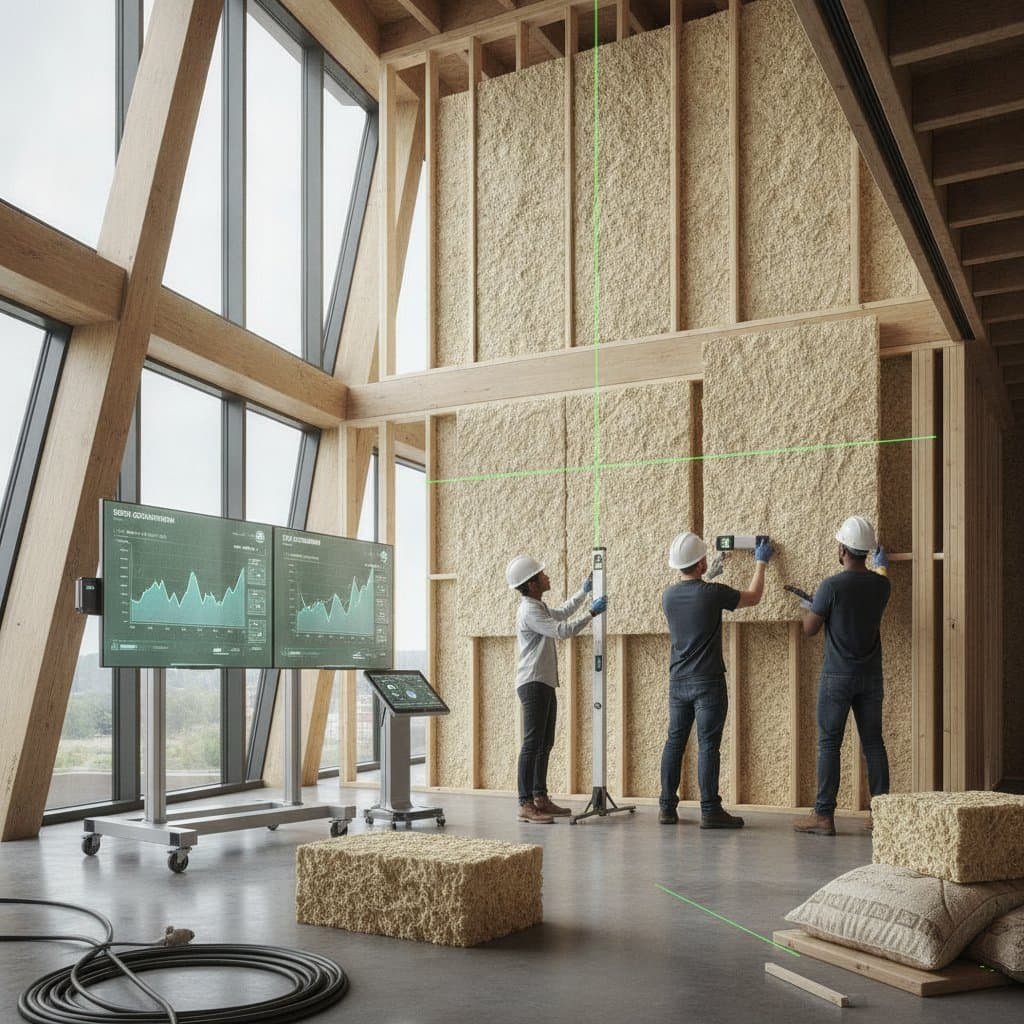
- Structural needs. Hempcrete does not carry loads, so a wood or steel frame must support the building.
- Moisture management. The material allows vapor to pass, which helps control humidity when window and foundation details are executed correctly.
- Code compliance. Some areas require additional documentation because the material remains relatively new to many jurisdictions.
- Supply sources. Local hemp reduces transport emissions and supports nearby farms.
- Skilled installation. Proper mixing ratios and curing conditions determine final density and performance.
Cost and Return Details
A complete hempcrete wall assembly ranges from 20 to 35 dollars per square foot. Standard insulated framing falls between 15 and 25 dollars per square foot. Energy savings, minimal upkeep, and pest resistance contribute to a lifespan measured in centuries when walls stay protected from direct water.
Properties using hempcrete often achieve 5 to 15 percent higher resale value in markets that reward efficiency certifications. Non-toxic composition also improves indoor air quality for occupants.
Design Approaches That Highlight the Material
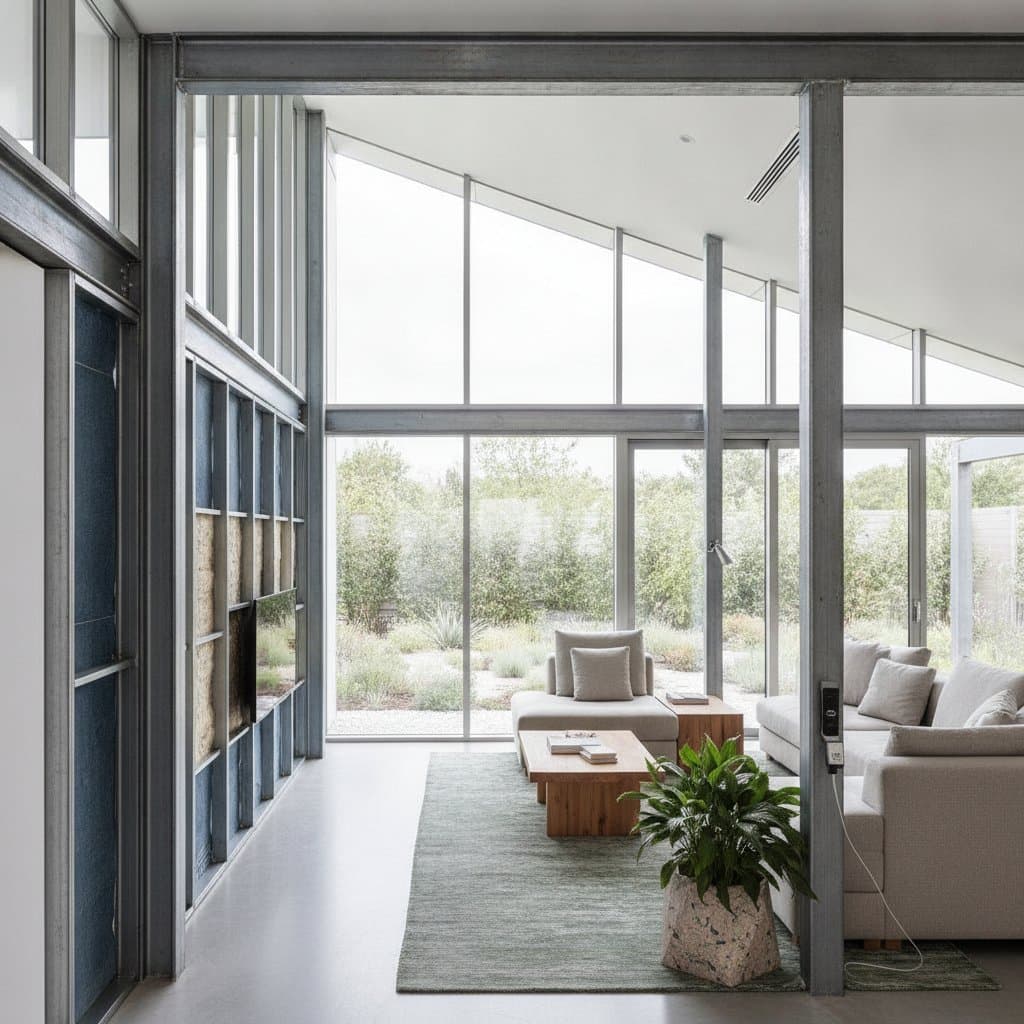
Exposed hempcrete walls finished with breathable lime plaster create a warm, minimalist surface. Concealed applications behind cladding allow modern exteriors while preserving thermal benefits. In compact dwellings the material maintains steady temperatures with reduced mechanical heating and cooling. Larger projects pair it with solar arrays and high-performance windows to approach net-zero performance.
Performance Characteristics
Thermal conductivity measures 0.05 to 0.07 watts per meter kelvin, which suits temperate and cold regions. High vapor permeability lets humidity self-regulate. Lime content provides strong fire resistance, and the open structure absorbs sound effectively.
Hemp cultivation requires no pesticides and improves soil, while construction waste can return to compost. These attributes support regenerative agriculture and reduce end-of-life disposal impacts.
Variables That Shape Project Outcomes
Climate affects curing speed. Dry conditions accelerate the process, whereas humid sites need controlled ventilation. Complex architectural forms increase labor time. Higher-grade lime and consistent hemp hurd improve results. Experienced crews maintain correct compaction and moisture levels.
Common Questions
Is hempcrete legal everywhere? Hemp-based materials are permitted in most regions, yet local codes may request test data or special review.
Can homeowners install it themselves? Small interior partitions or garden structures are feasible for skilled do-it-yourselfers. Full residential work benefits from professional oversight.
Does the material attract insects or rodents? The alkaline lime environment naturally discourages pests.
How long is the curing period? Several weeks are typical, depending on thickness and weather. Adequate airflow prevents surface cracks.
Does it work in cold climates? Adequate thickness and proper detailing deliver reliable thermal performance even in low temperatures.
Steps Toward Implementation
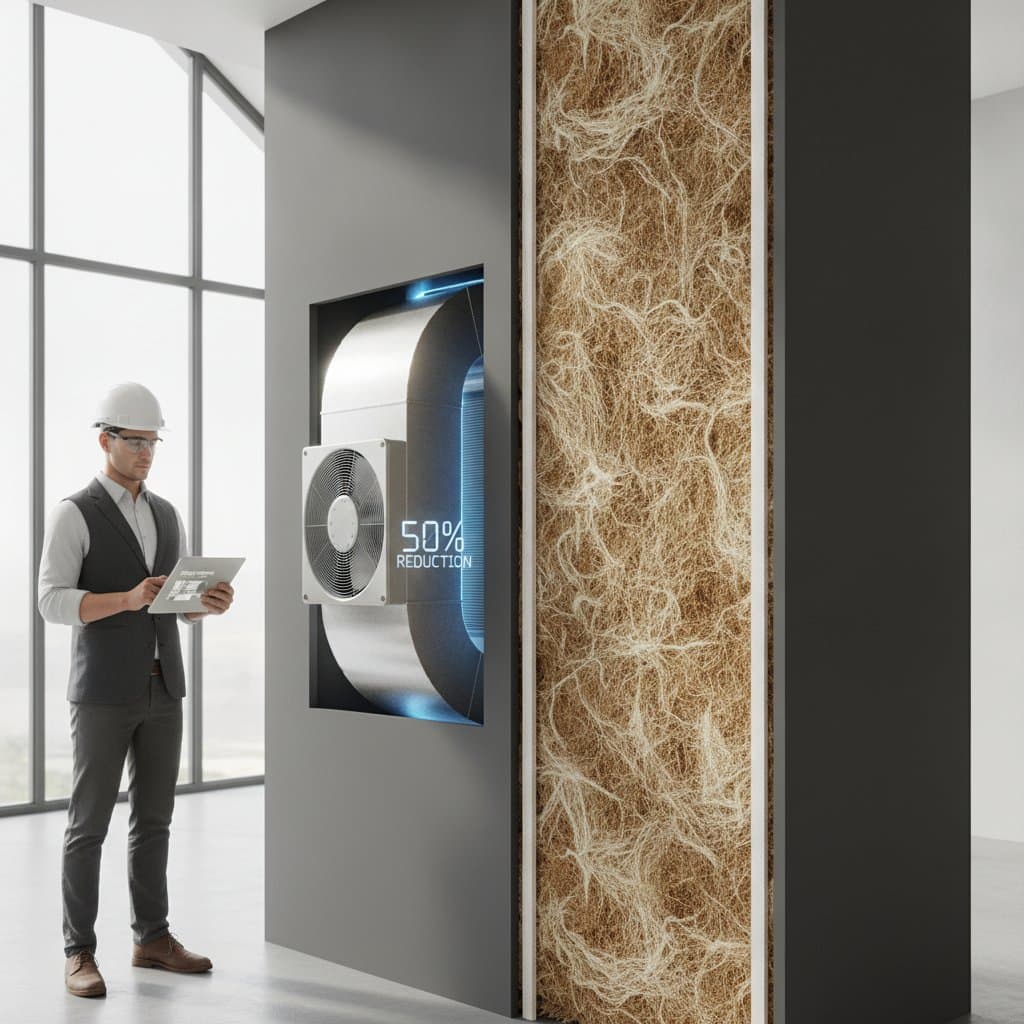
Contact contractors experienced with natural materials for project estimates. Verify regional hemp suppliers for consistent quality. Integrate hempcrete with heat-recovery ventilation or radiant systems to increase overall efficiency. Simple design choices allow the material natural texture to remain visible.