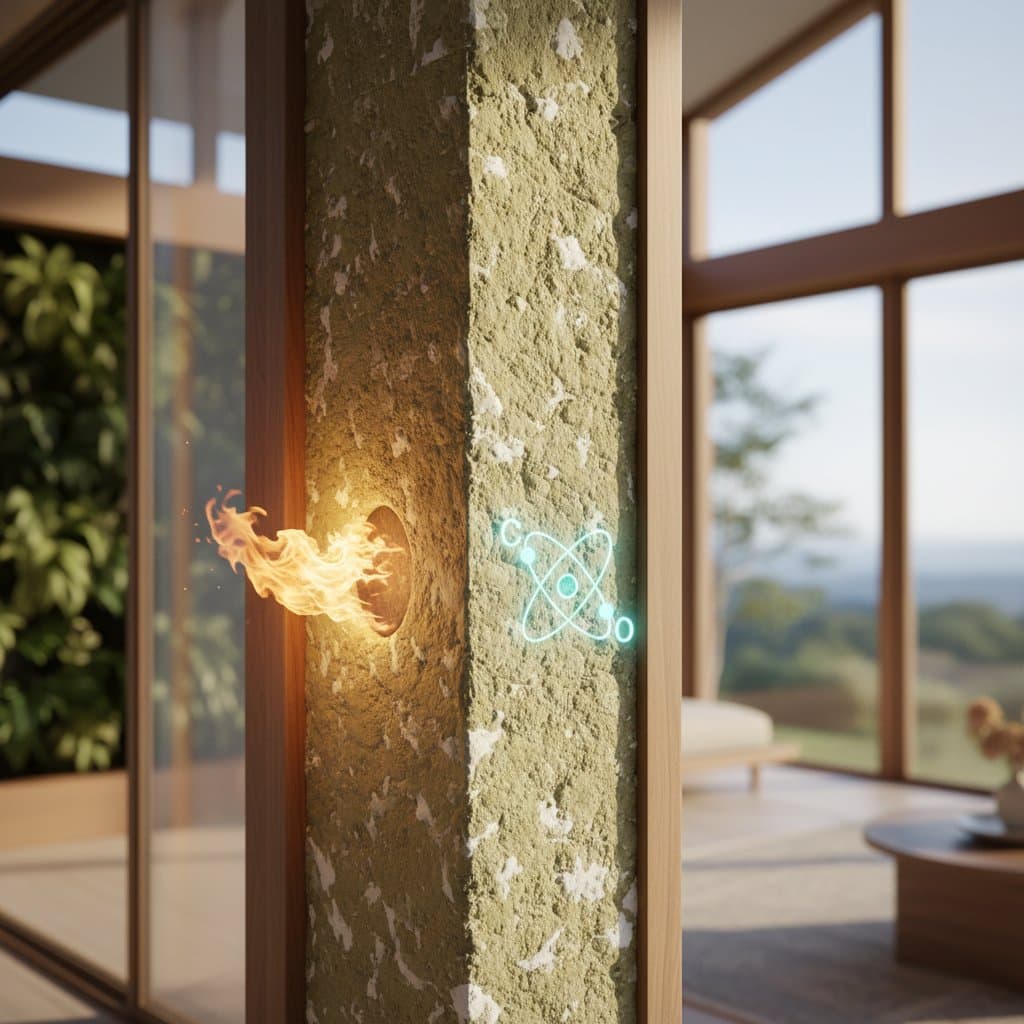
When Fireproofing Aligns with Sustainability
Imagine a dry summer evening charged with static in the air. You pause outside your home and consider its vulnerability to a nearby wildfire or an electrical fault. Conventional structures often depend on synthetic insulations and wooden frames that ignite rapidly under threat. Hempcrete emerges as a transformative alternative.
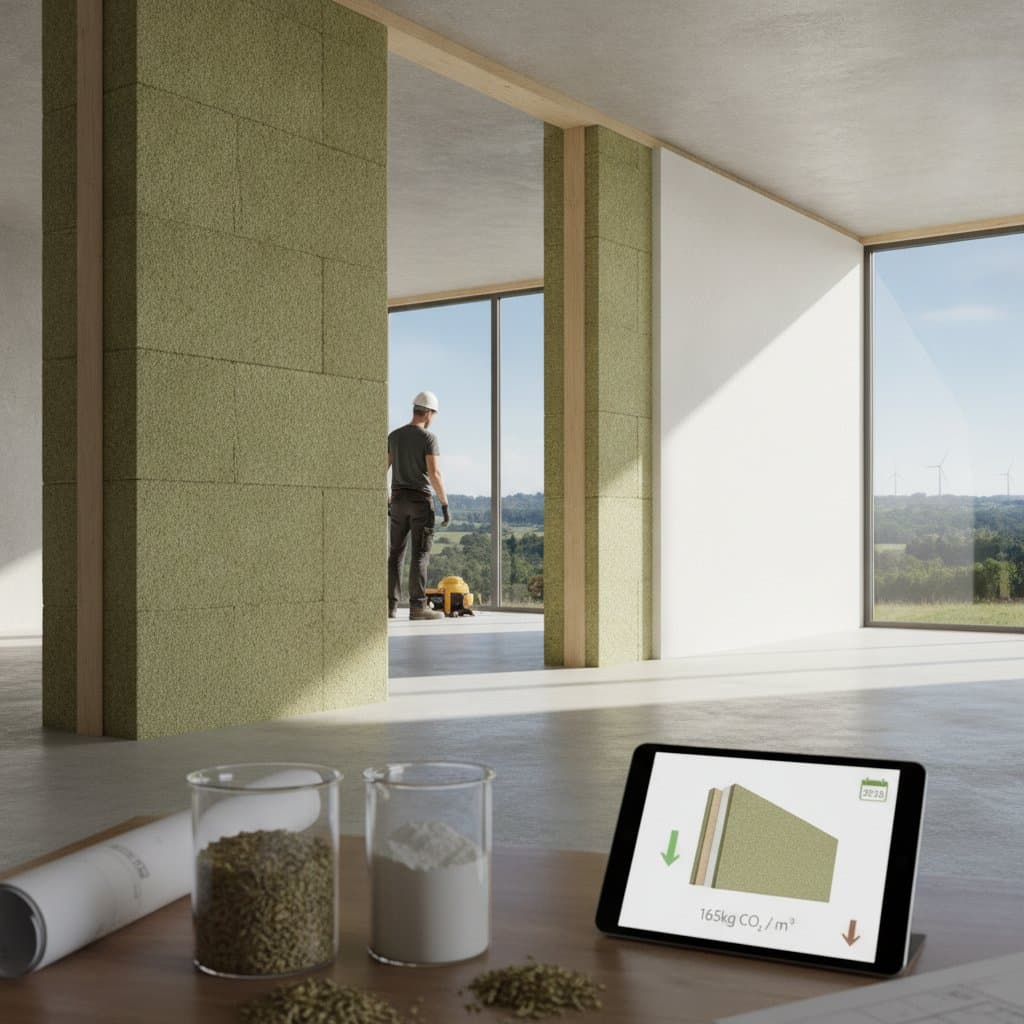
This bio-based material arises from the inner woody core of the hemp plant, combined with a lime binder and water. The mixture yields lightweight, porous blocks reminiscent of dense foam rather than solid masonry. Upon flame exposure, hempcrete chars gradually, shielding underlying supports without sudden ignition.
The Dual Benefits of Safety and Environmental Stewardship
Fire resistance represents only part of hempcrete's value. Sustainability forms the complementary aspect. Standard materials such as concrete and gypsum board demand substantial energy for production, resulting in significant carbon emissions. Hempcrete originates from a crop that captures atmospheric carbon dioxide during growth.
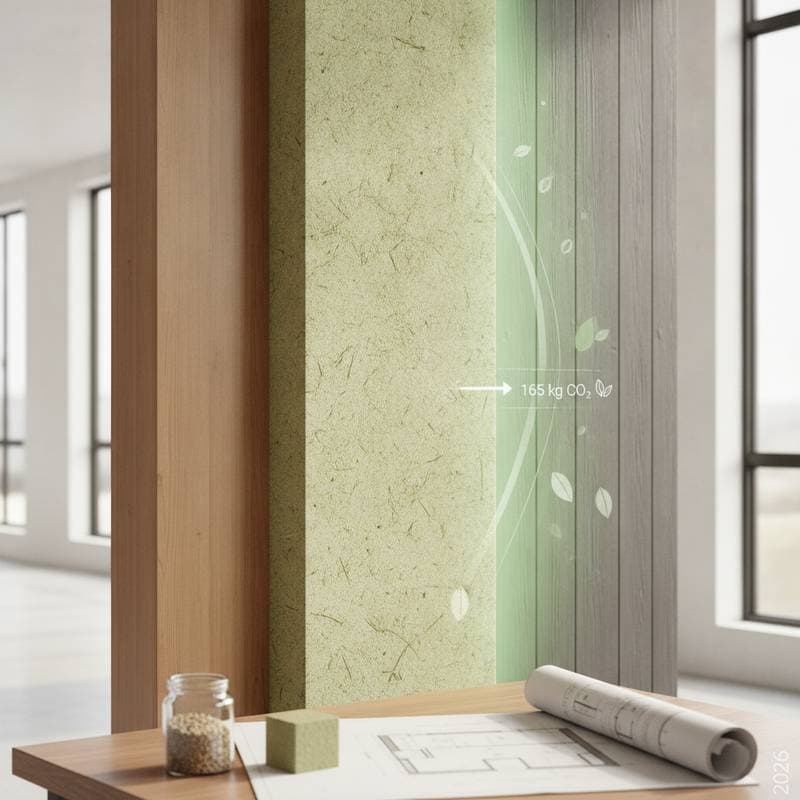
Once formulated with lime, this captured carbon integrates into the building fabric. Builders recognize hempcrete as carbon-negative because it sequesters more carbon than the process emits. Homeowners gain reduced ecological footprints alongside enhanced interior air purity.
Essential Planning Considerations
Prospective users benefit from grasping hempcrete's operational details before adoption.
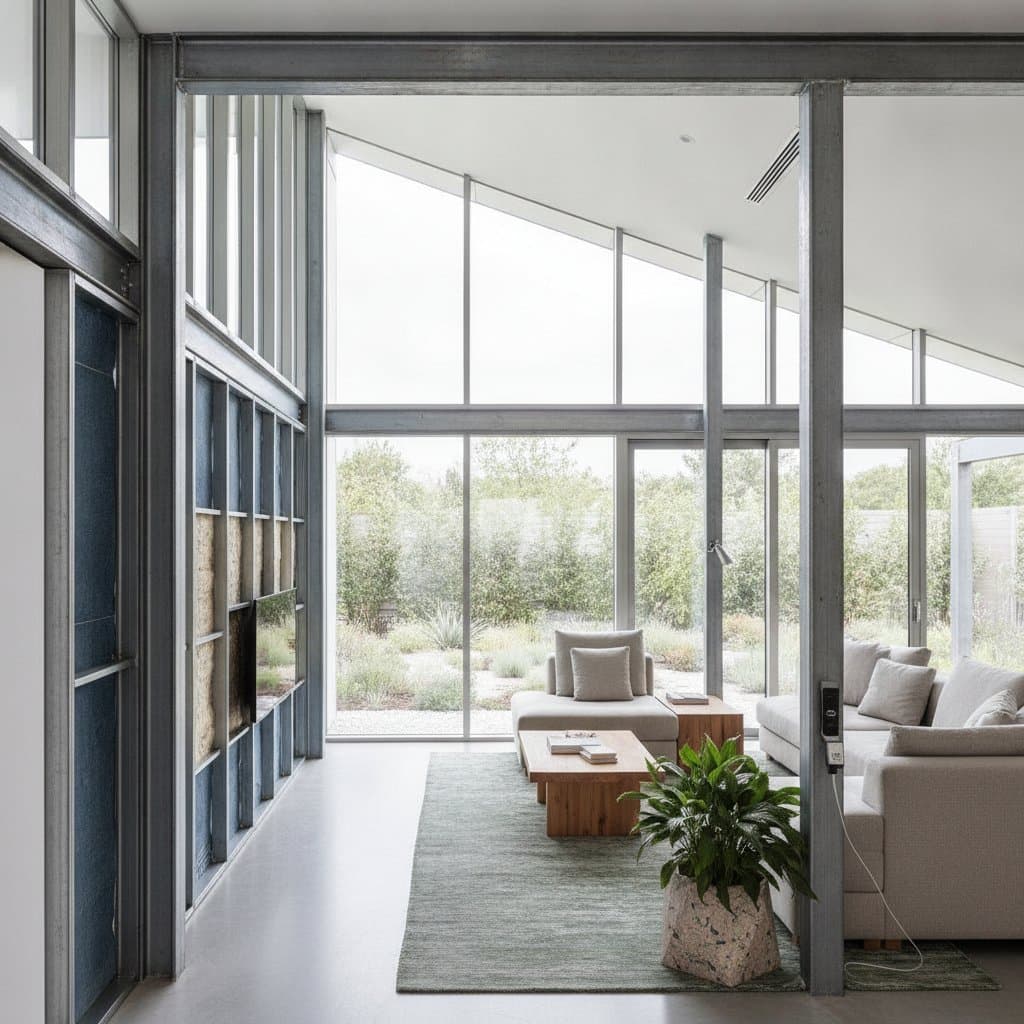
- Structural Function: Hempcrete serves as non-load-bearing infill and insulation encasing a frame of timber or metal.
- Wall Dimensions: Standard installations range from 10 to 16 inches in thickness, delivering thermal resistance and thermal mass for consistent indoor climates.
- Humidity Control: The lime component deters mold growth and facilitates vapor diffusion, averting internal moisture buildup.
- Fire Endurance: Testing protocols demonstrate that hempcrete assemblies endure prolonged direct fire without compromise to integrity.
- Code Compliance: Certain jurisdictions lack formal provisions for hempcrete; engage structural engineers or accredited specialists for guidance.
These elements inform material estimates, building techniques, and budget projections. For those prioritizing reliability and tranquility, hempcrete proves a sound allocation of resources.
Analyzing Costs and Return on Investment
Hempcrete project expenses vary by project size, surface treatments, and workforce expertise. Walls typically incur 10 to 20 percent higher costs than conventional insulating approaches. This encompasses the lime mixture, hemp hurds, and tools for blending and forming.
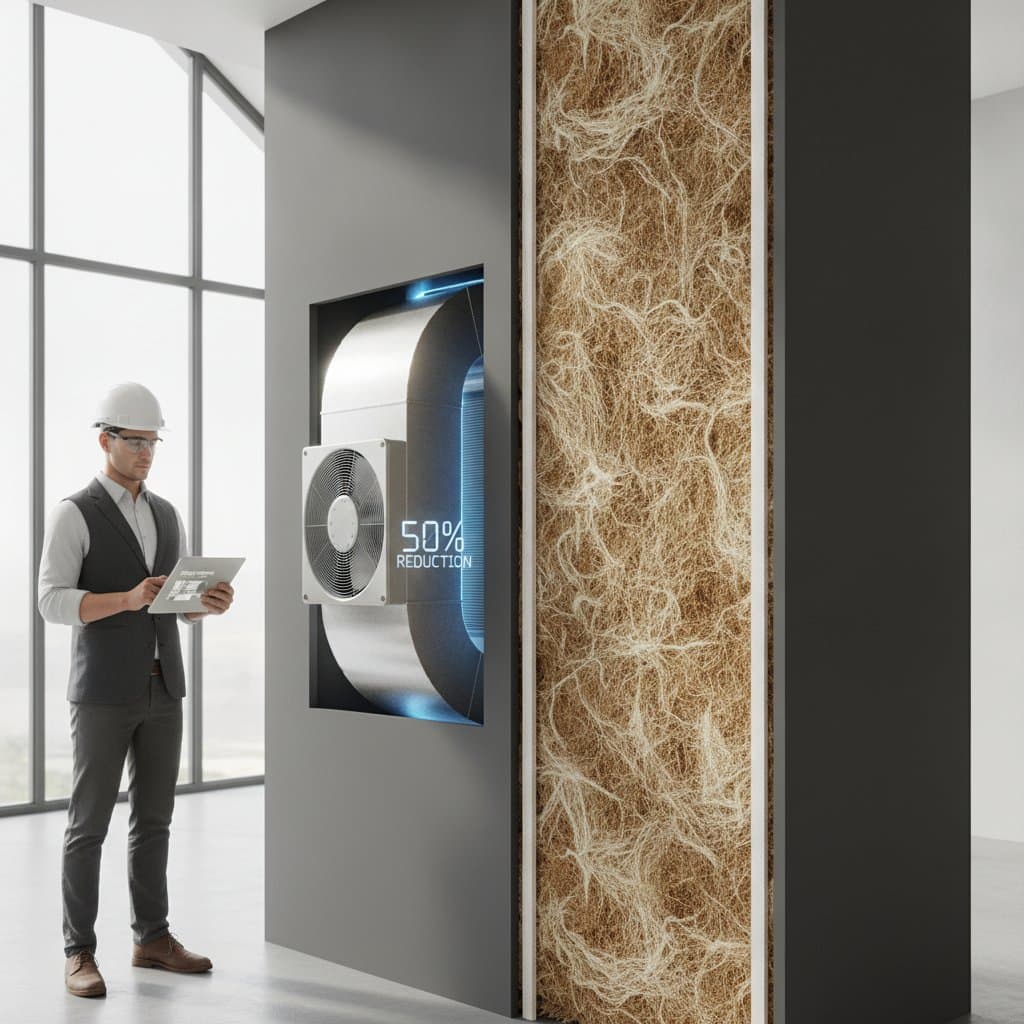
Over extended periods, however, advantages emerge. The material's insulation efficacy cuts energy demands for climate control by 30 to 50 percent. Its permeability prolongs the service life of coatings, minimizing upkeep expenses. Payback timelines frequently span less than ten years when these efficiencies factor in.
Market dynamics further enhance value. Properties featuring hempcrete draw buyers attuned to ecological resilience, air quality, and utility savings. Such attributes often yield elevated appraisals and quicker sales.
Innovative Design Applications
Hempcrete presents a subtle, organic texture suitable for exposure or overlay with lime render. Its pale hue bounces back solar rays, fostering luminous and welcoming spaces.
Practical implementations encompass:
- Accent Surfaces: Bare hempcrete introduces tactile depth in communal areas or creative workspaces.
- Thermal Regulation Strategies: Substantial walls capture daytime warmth and dispense it nocturnally.
- Acoustic Enhancement: Open-cell composition dampens echoes, curbing inter-room sound propagation.
- Additions and Upgrades: Prefabricated panels integrate into legacy buildings with minimal substructure alterations.
Architects blend hempcrete's inherent aesthetics with contemporary elements like honed aggregate flooring or salvaged timber. The outcome conveys enduring harmony.
Project Variables and Performance Optimization
Multiple elements affect hempcrete's efficacy and installation economics.
- Regional Weather: In moist zones, lime's breathability preserves dryness; in frigid areas, increased thickness bolsters heat retention.
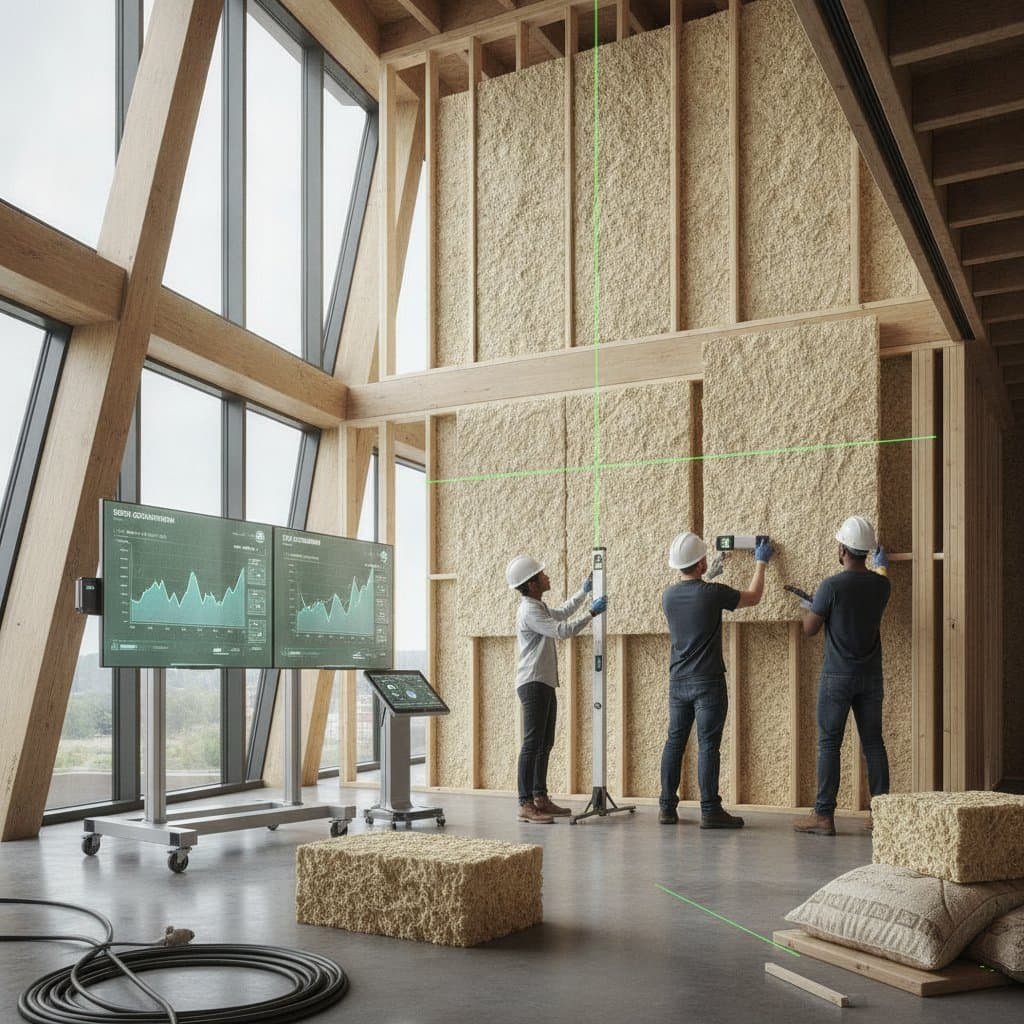
- Workforce Proficiency: Precise proportioning and compaction demand trained teams to achieve uniform solidity.
- Supply Chains: Regional hemp cultivation and lime production lower logistics expenses and emissions.
- Surface Treatments: Breathable lime washes or tints preserve functionality; impermeable layers risk dampness retention.
Addressing these during initial design averts unforeseen challenges. Consultants versed in natural composites refine specifications for peak results.
Broader Sustainability and Performance Advantages
Beyond sequestration, hempcrete fosters a closed-loop system linking farming to building. The plant matures rapidly with minimal chemical inputs and enriches earth via root systems.
Within dwellings, it stabilizes ambient conditions organically. Elevated thermal capacity moderates temperature swings, easing summer cooling and winter heating loads.
The lime matrix gradually neutralizes indoor carbon dioxide. Free from off-gassing chemicals, hempcrete suits environments sensitive to allergens or health concerns.
Frequently Asked Questions
Does hempcrete qualify as fireproof or merely resistant?
Hempcrete earns designation as highly fire-resistant. It resists ignition and sustains flame contact for hours, with lime forming a barrier against heat penetration.
Might hempcrete supplant concrete in all applications?
No. It functions as supplementary insulation, not a substitute for concrete in bases or primary supports.
What upkeep does hempcrete demand?
Minimal intervention suffices. Periodic checks on outer layers and lime refreshment every several decades sustain performance. It resists decay and infestation.
How does hempcrete fare in harsh winters?
Effectively, provided adequate thickness aligns with insulation standards. Thermal inertia ensures even warmth.
What is the expected lifespan of hempcrete?
Comparable to lime constructions enduring centuries with care. It strengthens progressively through carbonation.
Realizing Lasting Home Resilience
Hempcrete redefines walls as dynamic interfaces with the surroundings. It advances toward residences that safeguard, nurture, and persist across generations.