Key Points
- Mycelium insulation harnesses fungal growth to produce bio-based panels that deliver thermal performance equal to or better than traditional options.
- Grown from agricultural waste, it offers compostability and non-toxicity, positioning it as a leader in sustainable construction materials.
- Adaptable to diverse climates, it manages humidity, absorbs sound, and lowers embodied carbon in building projects.
- Pioneering users recognize opportunities for regional production and contributions to circular economies.
The Emergence of Mycelium Insulation in Home Design
Imagine entering a residence where the indoor climate remains stable and serene, as if the structure itself maintains equilibrium. Professionals in green building often witness clients pursuing this balance through extensive mechanical setups or synthetic insulators, which frequently impose unseen ecological burdens. Mycelium insulation alters this dynamic completely.
Drawing from extensive field experience, this bio-based innovation reimagines building enclosures. It develops through organic cultivation rather than industrial processing, avoiding harmful adhesives and petroleum derivatives. Consider it a biological advancement in achieving optimal home functionality.
Challenges with Conventional Insulation Materials
In areas prone to humid conditions or extreme cold, standard insulators frequently retain excess moisture, deteriorate prematurely, or emit harmful volatile compounds. Materials such as fiberglass and foam boards contribute substantial embodied carbon, diminishing their energy-saving advantages.
Industry studies indicate that insulation constitutes around 10 percent of embodied emissions in new constructions. Compounding this issue are end-of-life disposal difficulties, prompting a shift toward superior alternatives. Mycelium insulation emerges as a performant and restorative choice.
How Mycelium Functions as an Intelligent Insulator
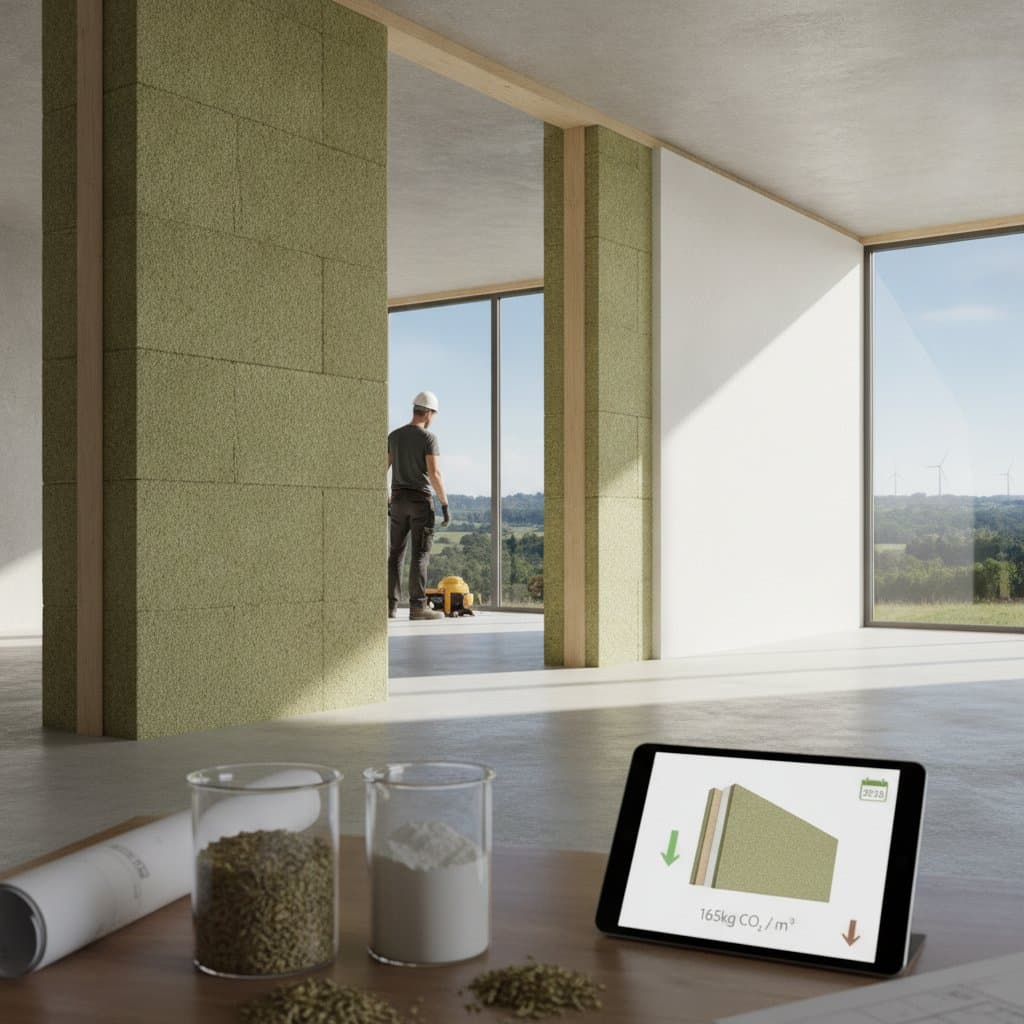
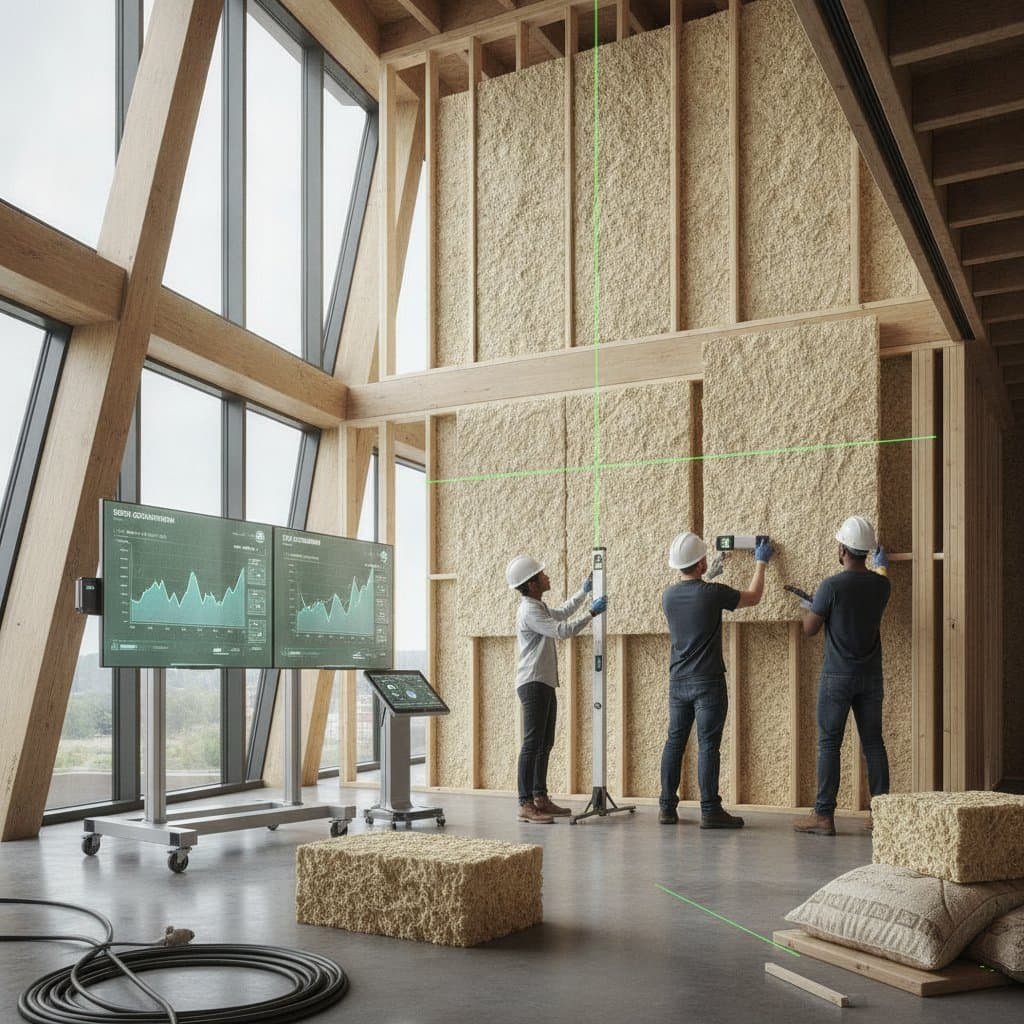
Mycelium forms the underground network of fungi, weaving organic substrates into cohesive structures. Under regulated environments, it expands through byproducts like hemp residues or wood shavings, yielding a porous, resilient form. After halting growth, drying produces lightweight panels suitable for insulation purposes.
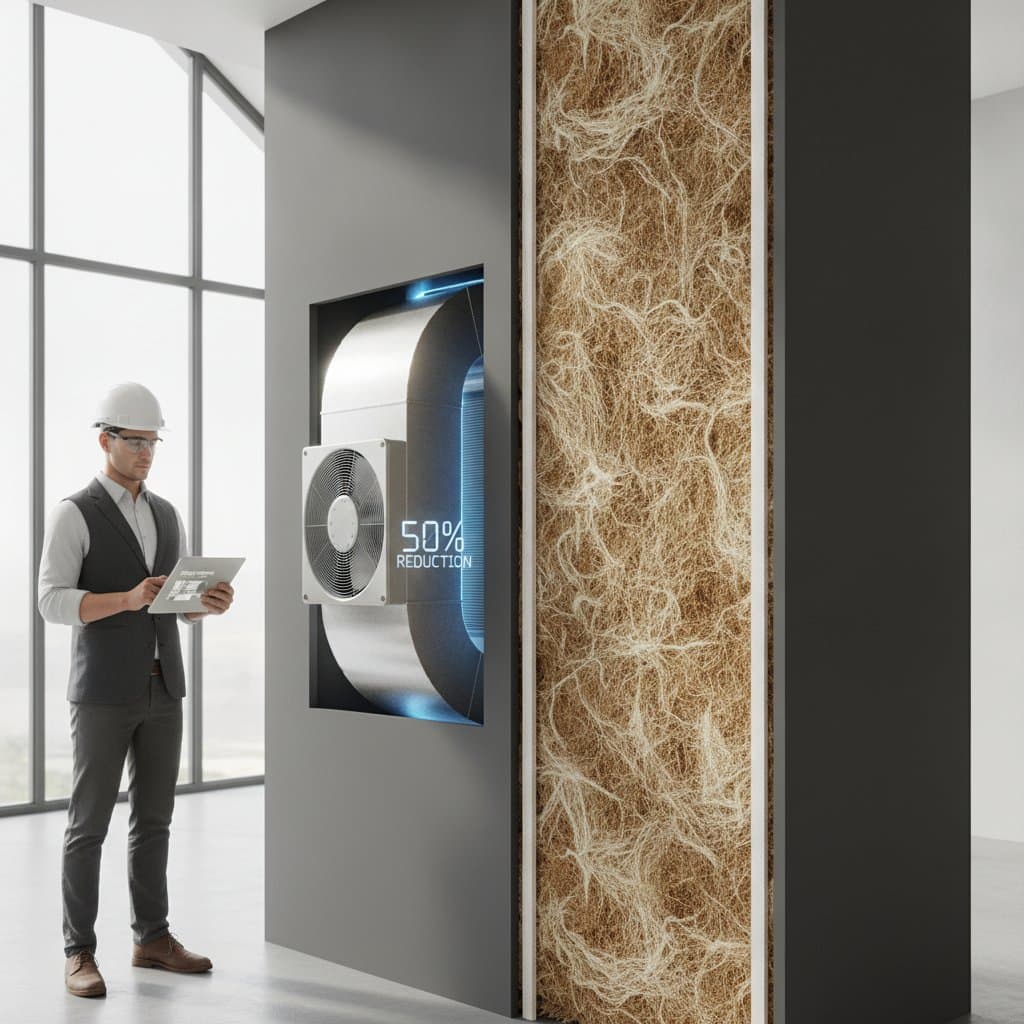
This yields a substance with inherent fire resistance, strong thermal insulation, and acoustic absorption. Its R-value, indicating thermal resistance, spans 3.0 to 3.7 per inch, rivaling established products. Furthermore, it modulates moisture levels by intake and release, inhibiting mold and fostering healthier interiors.
View it as an enduring ally for home well-being, extending benefits beyond initial placement.
Practical Steps for Integrating Mycelium into Eco-Efficient Homes
To incorporate mycelium insulation effectively, follow these structured approaches:
-
Conduct a Comprehensive Energy Audit
Schedule a professional assessment to pinpoint thermal leaks in attics, walls, and foundations. Such audits typically range from $200 to $500 and highlight areas where mycelium enhances efficiency. -
Select Appropriate Installation Sites
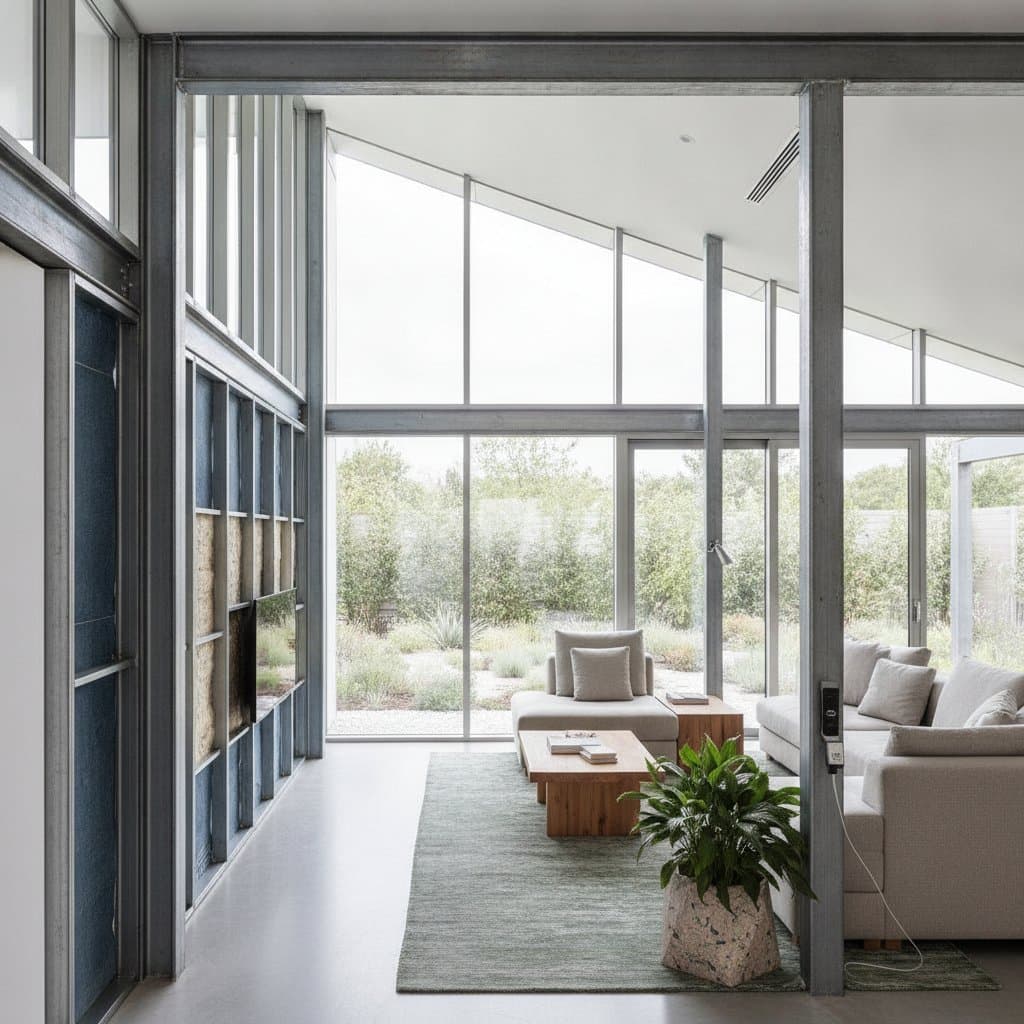
Target wall voids, roofing systems, and internal partitions for sound control. The material's low weight facilitates use in fresh constructions and existing upgrades. -
Collaborate with Regional Producers
Engage nearby cultivators and manufacturers for custom panels. This practice bolsters community economies and minimizes shipping-related emissions. -
Pair with Complementary Sustainable Features
Align it with lime-based plasters, reclaimed timber exteriors, and solar-oriented layouts to optimize overall results. -
Prepare for Lifecycle Management
At decommissioning, compost the material or repurpose it for regeneration, ensuring a closed-loop system.
Reasons Builders Embrace Mycelium Insulation
Construction professionals value materials that streamline workflows while advancing environmental goals. Mycelium insulation satisfies these criteria through straightforward handling and alignment with green benchmarks. It accommodates standard cutting tools, demands little safety equipment, and generates no hazardous dust.
Local contractor and sustainability advisor Dana Perez noted, “We tested mycelium panels on a small retrofit project and were amazed at how easy they were to handle. The indoor air felt noticeably cleaner within days.”
The material advances from structural reliability to code adherence, building momentum in the sector. Experimental initiatives incorporate it into prefabricated assemblies, providing ready-to-deploy sustainable components.
Evaluating Costs, Energy Savings, and Ecological Impacts
Mycelium insulation presently incurs 10 to 20 percent higher costs than fiberglass equivalents, yet its advantages warrant the expenditure. Its vapor-permeable quality curtails upkeep expenses from dampness and prolongs durability of surrounding elements.
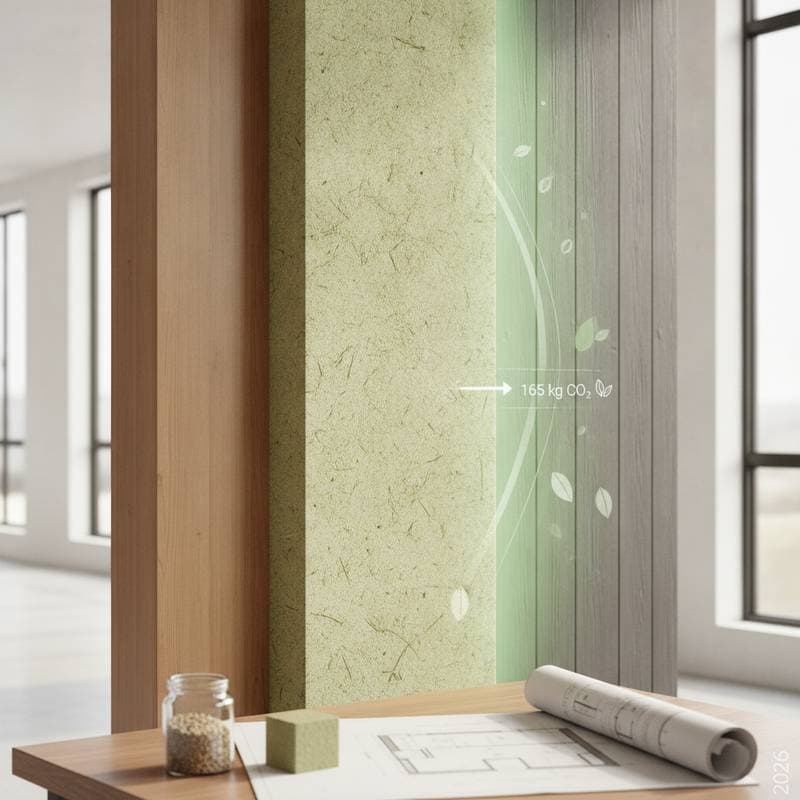
For a standard residence upgrade, expenses fall between $5,000 and $8,000, with payback periods of five to seven years via 20 to 30 percent reductions in energy use. Ecologically, each cubic meter sequesters about 50 kilograms of carbon, countering project emissions promptly.
In practice, pairing it with solar arrays or ground-source heating amplifies these gains substantially.
Addressing Safety and Regulatory Aspects
Homeowners commonly inquire about novel materials' safety profiles. Mycelium insulation excels in this domain, exhibiting natural flame retardancy that satisfies propagation standards sans synthetic enhancers. Its benign makeup avoids perils from fiber irritation or polymer off-gassing.
Regarding regulations, contemporary codes permit innovative options backed by validated performance metrics. Consult jurisdiction-specific guidelines and partner with accredited sustainable specialists to secure proper certification for approvals.
Dispelling Prevalent Misconceptions
Two frequent concerns involve pest attraction and rapid degradation. Post-heat treatment, the mycelium inactivates, ceasing any living processes and outperforming synthetics in warding off insects and fungi. Shielded from prolonged wetness, it endures for decades.
Implementing Mycelium: From Concept to Installation
To advance with mycelium insulation, consult a seasoned sustainable constructor versed in biological products. Secure a complimentary assessment and estimate via qualified networks to gauge your property's suitability.
Such an upgrade transforms renovations into ecological contributions. Envision enclosures that embody renewal over depletion, delivering vitality and solace through nature-inspired engineering. Mycelium insulation heralds a paradigm where architectural progress honors biological wisdom for enhanced living spaces.
Frequently Asked Questions
How does the durability of mycelium insulation compare to fiberglass?
When maintained dry and sealed correctly, mycelium insulation matches the longevity of traditional options. It withstands mold, insects, and flames without relying on chemicals, supporting extended, low-effort service in residences.
Is DIY installation feasible for mycelium insulation?
Manageable panels suit minor self-directed tasks, but comprehensive overhauls benefit from expert oversight to achieve sealed integrity and regulatory conformity.