Key Points
- Mycelium insulation provides a renewable, biodegradable option that replaces foam and fiberglass in building applications.
- Energy savings typically reach 10 to 25 percent with effective integration into building envelopes.
- Production costs continue to decline through refined fabrication techniques, enhancing viability for widespread use in construction.
- The material demonstrates fire resistance, moisture tolerance, and complete compostability at the end of its service life.
From Forest Floor to Wall Cavity
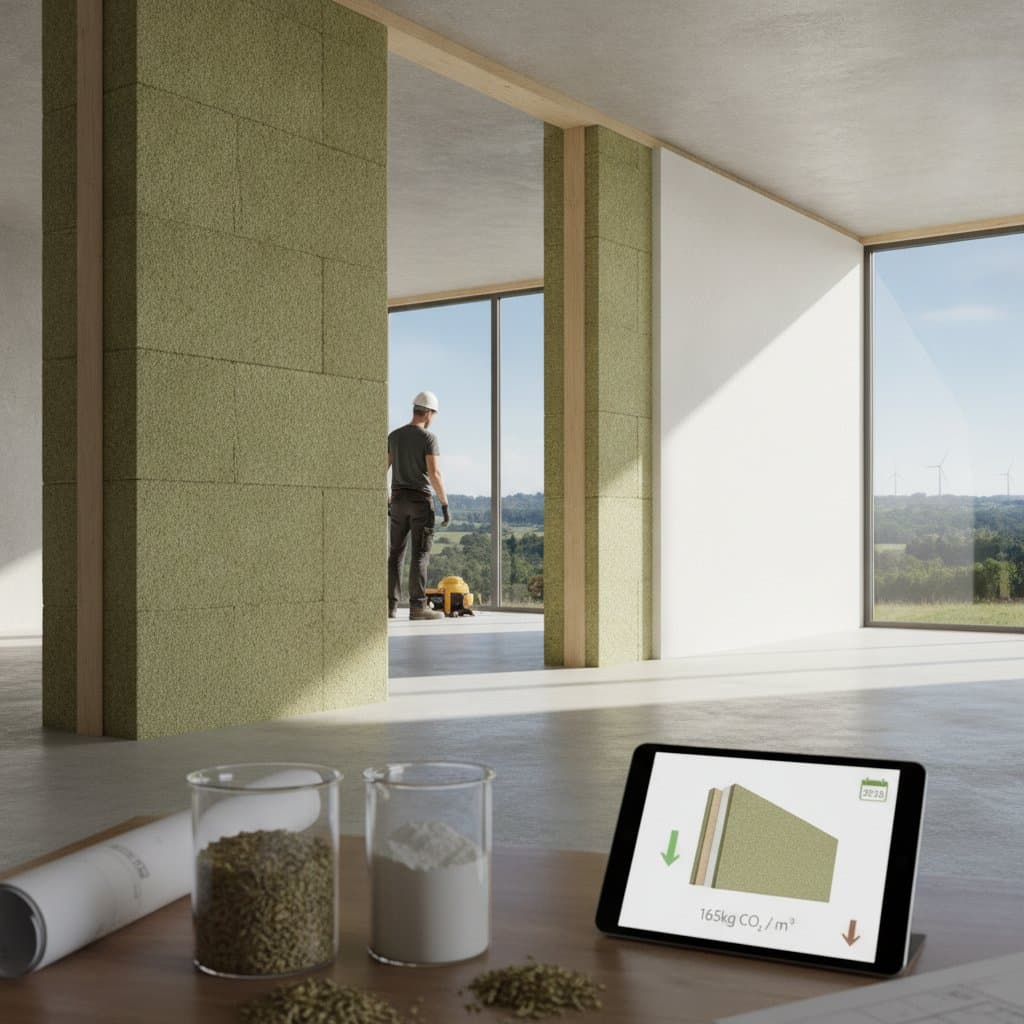
Consider a shaded woodland path where moist earth supports a hidden network of fungal threads. This mycelium, the root-like structure of mushrooms, now serves as the basis for advanced bio-based insulation. Grown in controlled molds and then heat-treated to halt further development, it yields lightweight panels or blocks that offer superior thermal resistance and strong sustainability features.
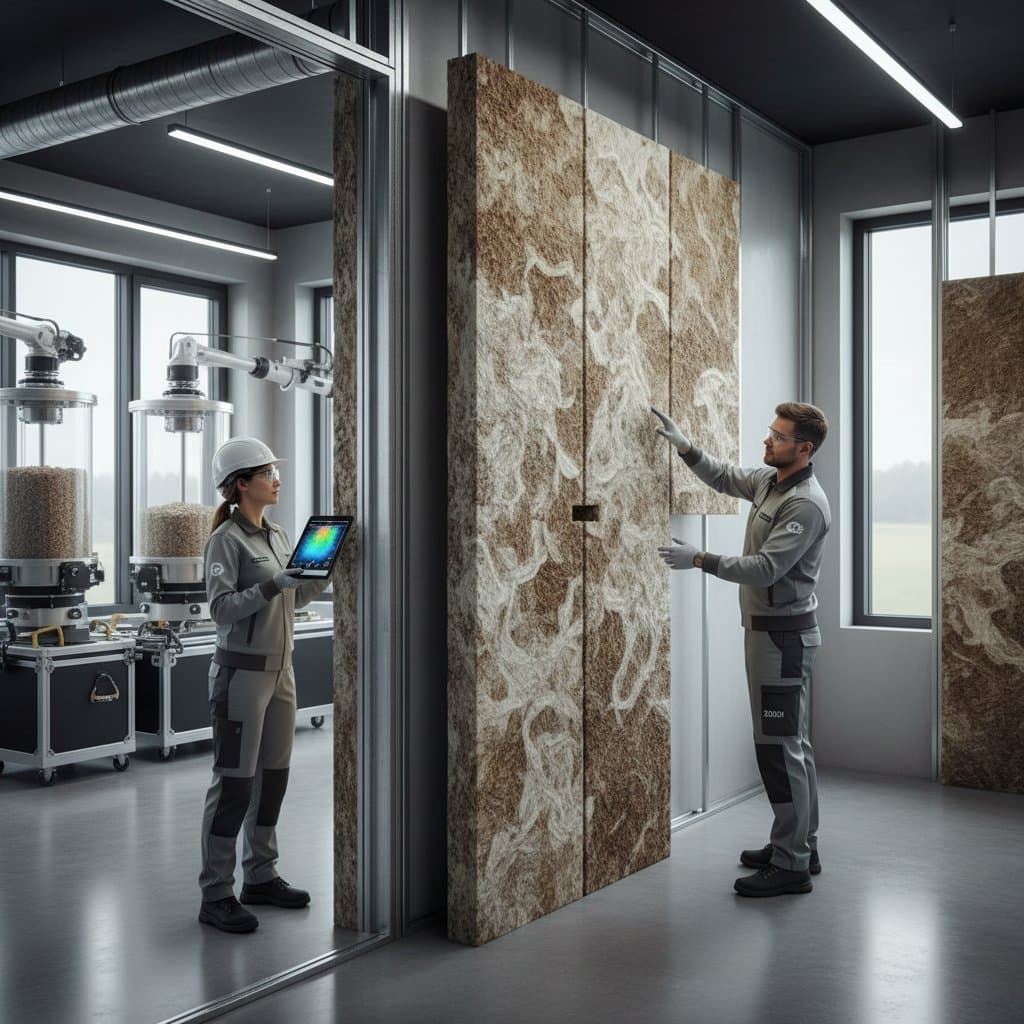
The cultivation process utilizes simple substrates and low-energy methods, distinguishing it from resource-heavy traditional production. Builders appreciate how these panels integrate seamlessly into walls, roofs, and floors, providing insulation that aligns with modern green standards. This transformation from natural decay agent to structural asset highlights the potential of biotechnology in construction.
Why Mycelium Matters Now
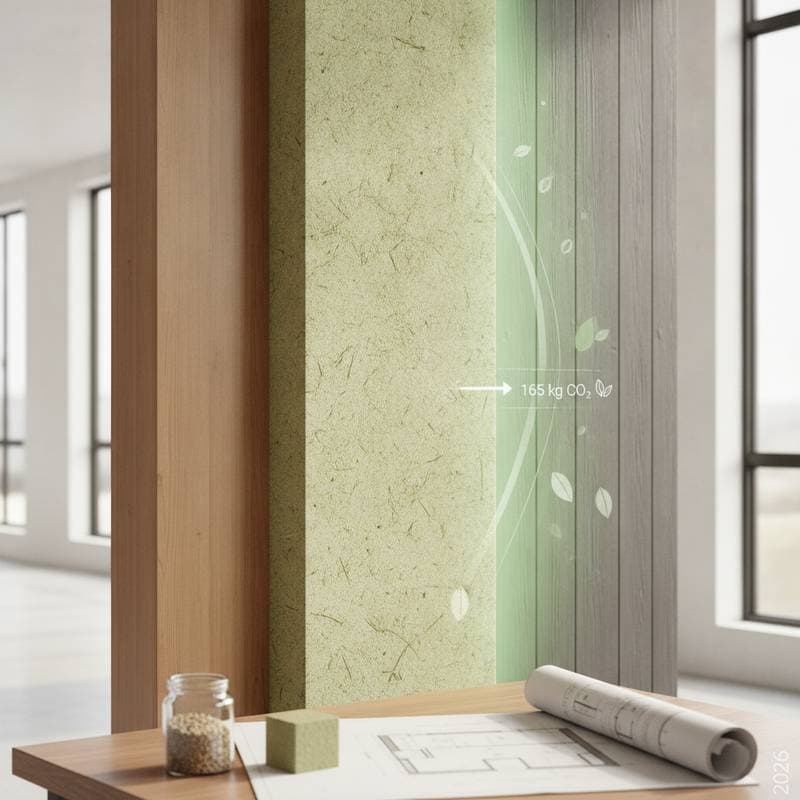
Conventional insulators like fiberglass and polystyrene demand significant energy for manufacturing and pose recycling challenges. Mycelium insulation, however, grows on agricultural byproducts such as corn stalks and hemp hurds, requiring far less energy overall. This approach reduces embodied carbon emissions by up to 80 percent, appealing to those prioritizing both ecological impact and fiscal prudence.
A standard mycelium panel delivers an R-value of 3 to 4 per inch, comparable to many organic alternatives. Proper installation, including air sealing, can lower heating and cooling demands by 25 percent, leading to substantial reductions in utility expenses. Homeowners recover the initial outlay through these savings within a typical payback period, while supporting a more sustainable material ecosystem.
Understanding Performance and Durability
Effective insulation hinges on managing moisture, ensuring fire safety, and maintaining structural integrity. Mycelium excels in these domains when properly engineered. Its chitin-based composition naturally deters mold and pests, and treated panels pass standard fire tests without relying on harmful chemicals.
The material's vapor permeability promotes healthy wall assemblies by allowing moisture to escape, which minimizes condensation risks and prolongs building longevity. Laboratory evaluations confirm its resilience under varied conditions, making it suitable for diverse climates. These attributes position mycelium as a reliable choice for long-term performance.
Lifecycle assessments underscore its compostability advantage. At the end of use, panels can be broken down and reintroduced to soil as nutrient-rich matter, avoiding landfill contributions. This feature attracts architects committed to circular economy principles and homeowners aiming for waste-free living spaces.
Cost and Market Outlook
Mycelium insulation commands a slight premium over fiberglass, generally 10 to 20 percent higher based on production scale and vendor. However, expanding facilities and automated processes are driving prices downward, broadening accessibility. The enhanced environmental benefits and reduced energy needs often outweigh the initial cost for discerning projects.
Market trends indicate that eco-materials elevate property appeal. Research demonstrates that energy-efficient residences command premiums of 3 to 8 percent over standard homes. This value increase frequently covers upfront investments, providing dual incentives for adopting mycelium in new builds or renovations.
Practical Integration for Homeowners
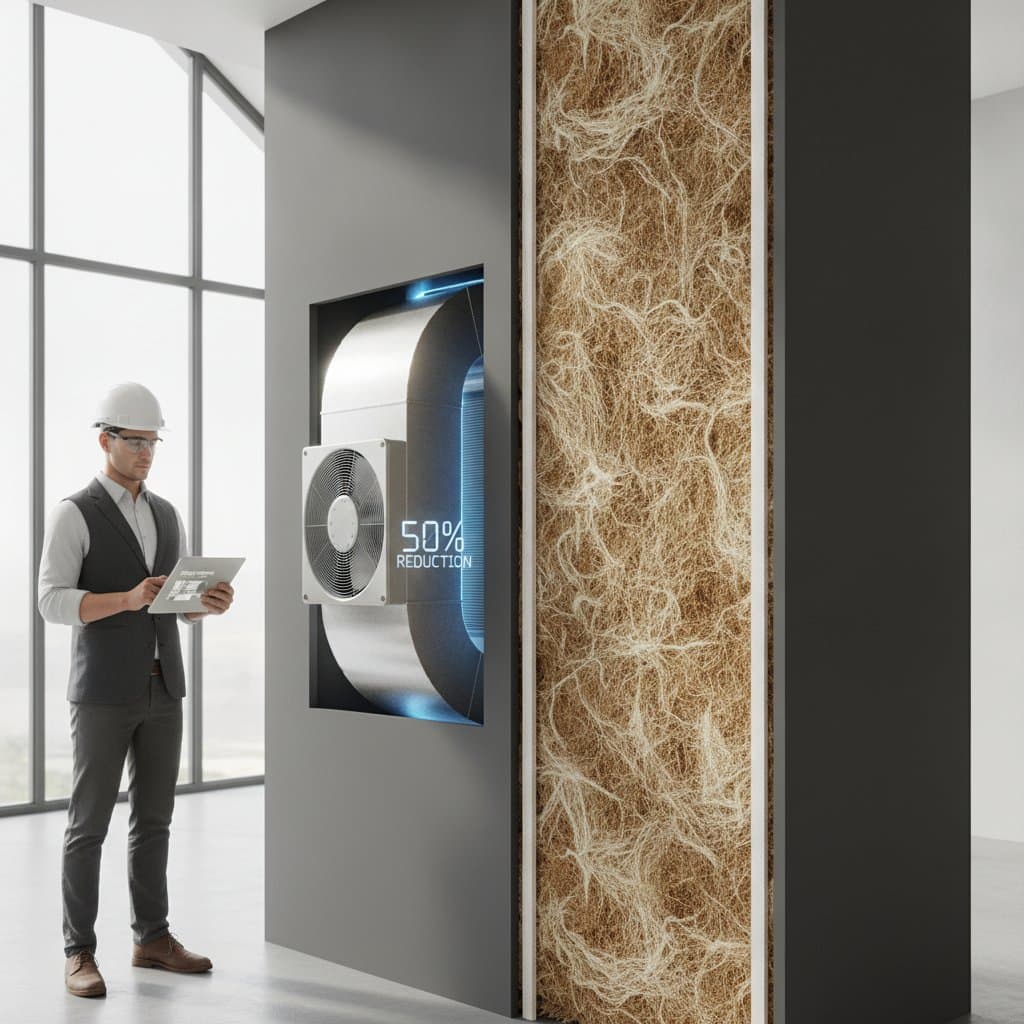
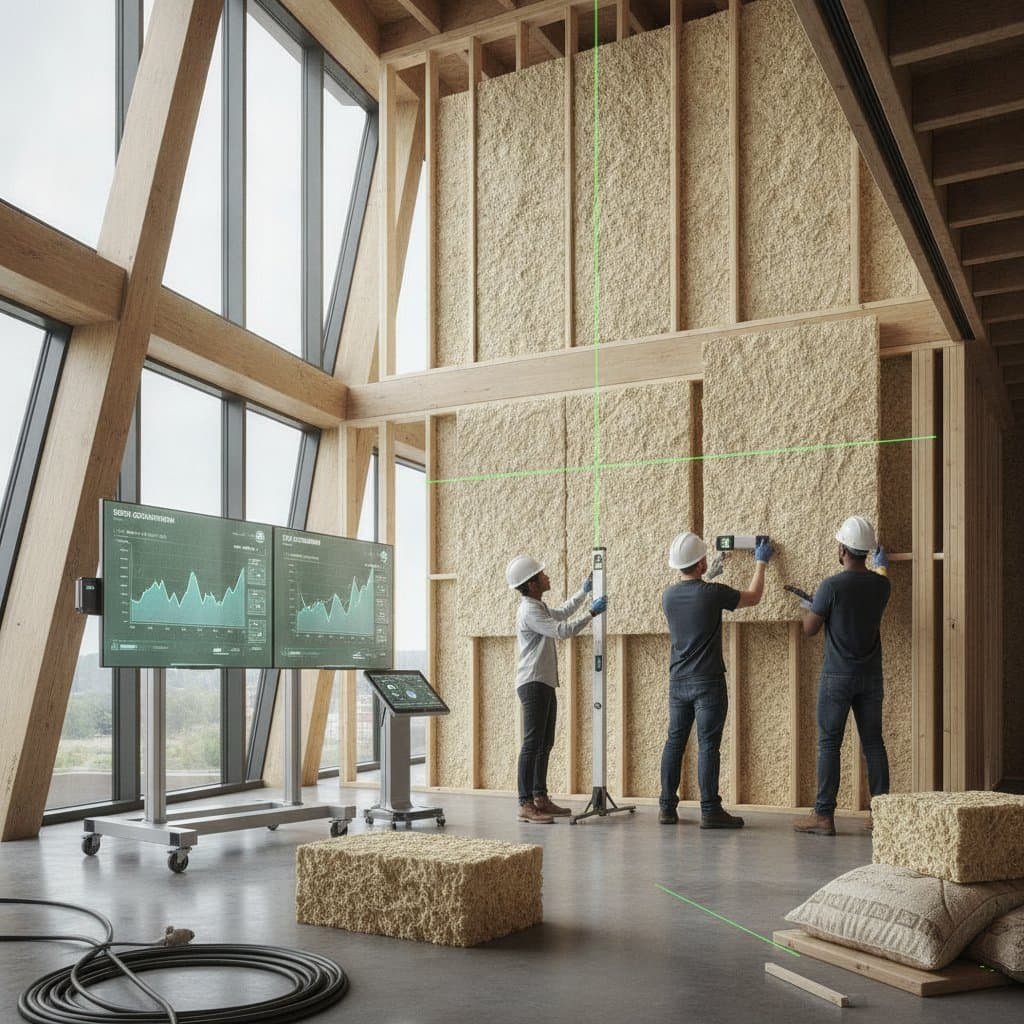
Mycelium installation mirrors techniques for rigid boards or loose-fill systems. Panels slot easily between studs, adhere to exterior sheathing, or fill roof cavities. Their light weight eases handling and lessens demands on building frameworks, facilitating updates in existing structures.
To optimize outcomes:
- Collaborate with contractors experienced in natural materials to handle detailing.
- Incorporate appropriate vapor barriers that harmonize with the material's breathable properties.
- Verify compatibility with local building codes through supplier documentation.
For smaller-scale trials, individuals can apply mycelium to outbuildings or room dividers, building familiarity before larger implementations. This hands-on approach allows assessment of performance in real settings.
Advancing Your Build with Mycelium
Homeowners seeking enduring comfort through sustainable means will find mycelium insulation a blend of cutting-edge biology and practical engineering. It channels the forest's inherent efficiency into robust building solutions that enhance daily living.
Begin the process by soliciting estimates from specialized suppliers and reviewing technical specifications for R-values, fire ratings, and moisture handling. Evaluate total lifecycle expenses, factoring in energy reductions and potential market gains, to inform decisions. With ongoing advancements in production, mycelium stands ready to integrate into projects from historic restorations to forward-thinking designs, fostering homes that embody efficiency, durability, and ecological harmony.