Key Points
- Hempcrete serves as an emerging bio-based insulation material that stores carbon rather than releasing it.
- It achieves a balance of durability, breathability, and energy efficiency to foster a healthier indoor environment.
- Initial costs exceed those of traditional insulation, yet long-term savings and carbon credits offset these expenses.
- Homeowners may incorporate hempcrete in new constructions or as retrofitted wall systems for existing buildings.
Understanding Sustainable Insulation Needs
Homeowners encounter a common challenge during construction or renovation projects: achieving comfort while minimizing environmental impact. Conventional insulation materials excel at heat retention but impose drawbacks through elevated embodied energy and poor recyclability. Hempcrete, composed of hemp hurd, lime, and water, addresses these issues effectively. This bio-based composite promotes cleaner air, carbon sequestration, and enhanced building durability.
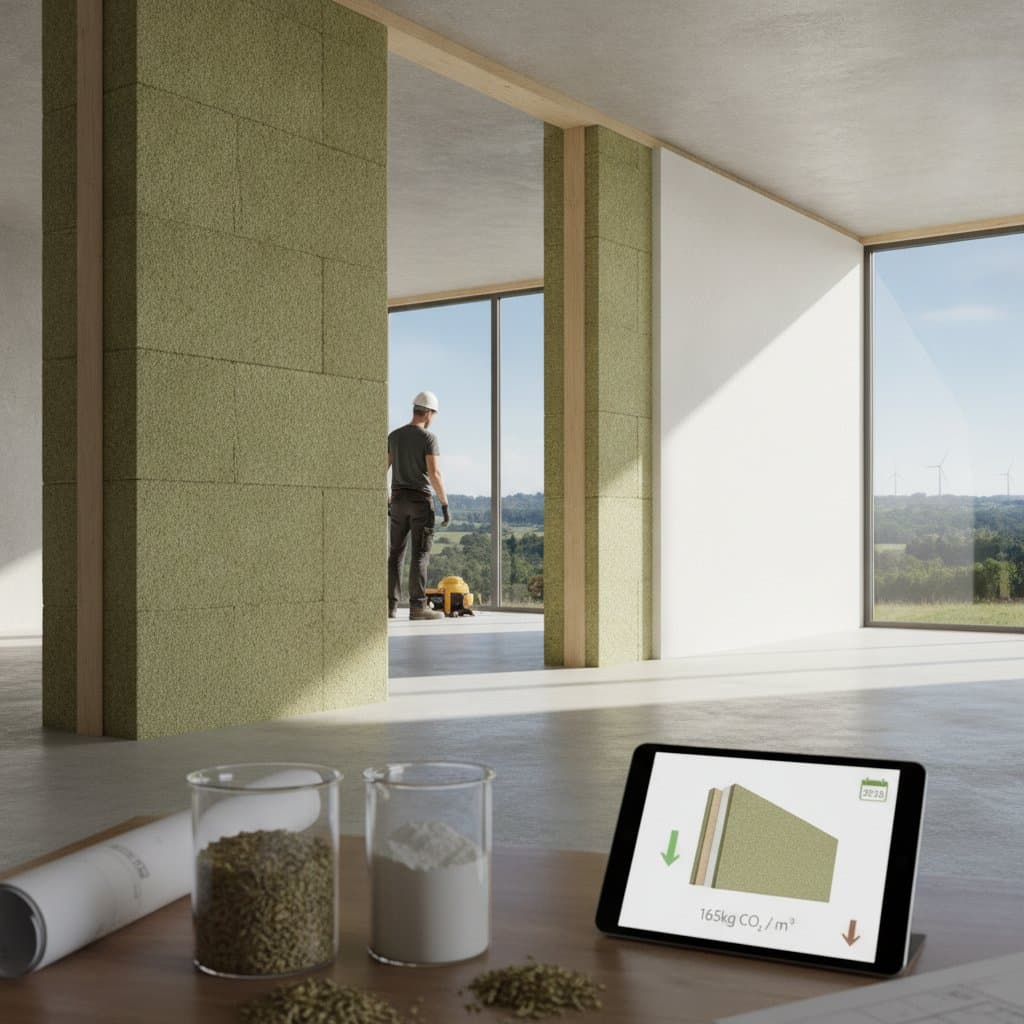
The material's composition leverages the rapid growth of industrial hemp, which requires minimal water and pesticides compared to traditional crops. Builders mix the hemp hurd with a lime binder to form a lightweight, porous block that integrates seamlessly into wall assemblies. As demand for sustainable options rises, hempcrete positions itself as a viable alternative to foam-based insulators, which contribute significantly to global plastic waste.
Financial and Environmental Advantages of Hempcrete
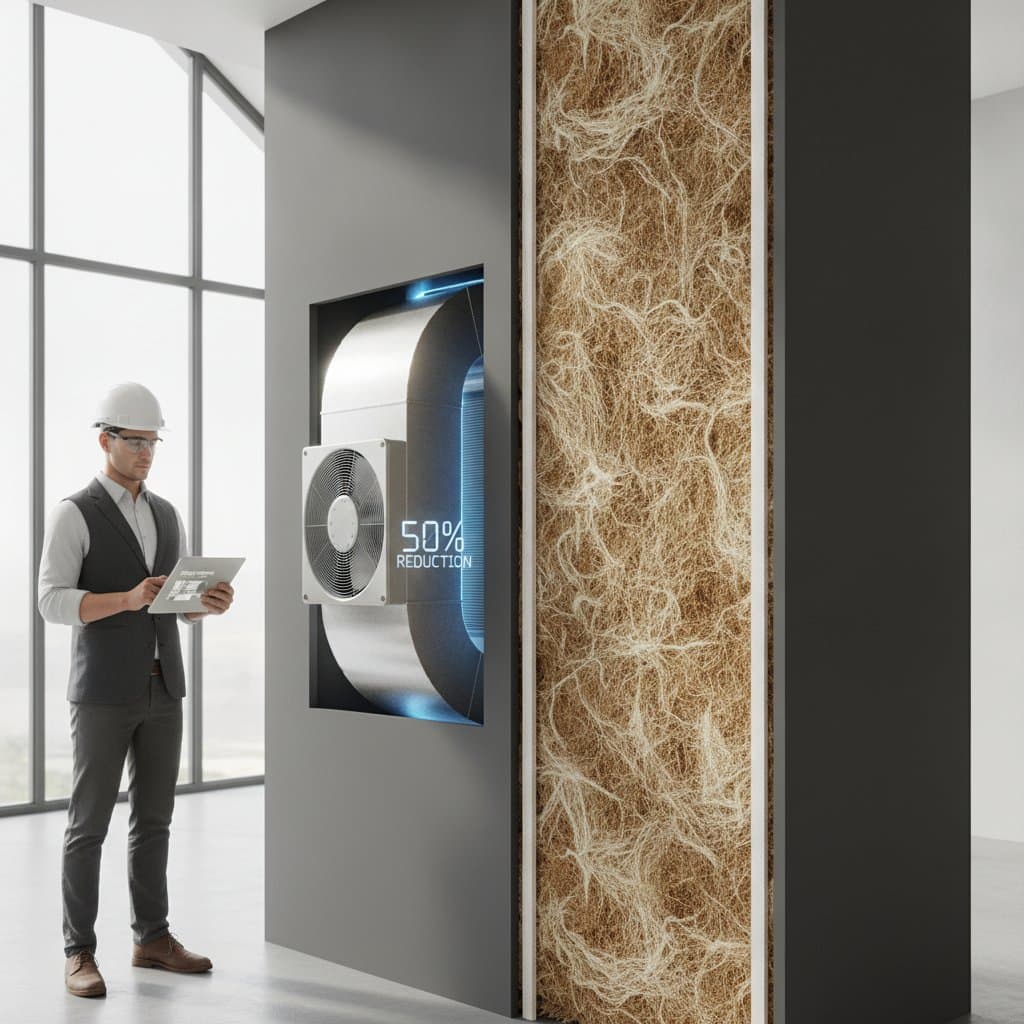
Hempcrete offers substantial long-term financial benefits despite higher upfront expenses. Installation costs range from 15 to 25 percent above those of fiberglass or mineral wool, but superior energy performance delivers returns quickly. The material regulates temperature and moisture naturally, potentially reducing heating and cooling costs by 30 to 50 percent based on factors such as building orientation and regional climate.
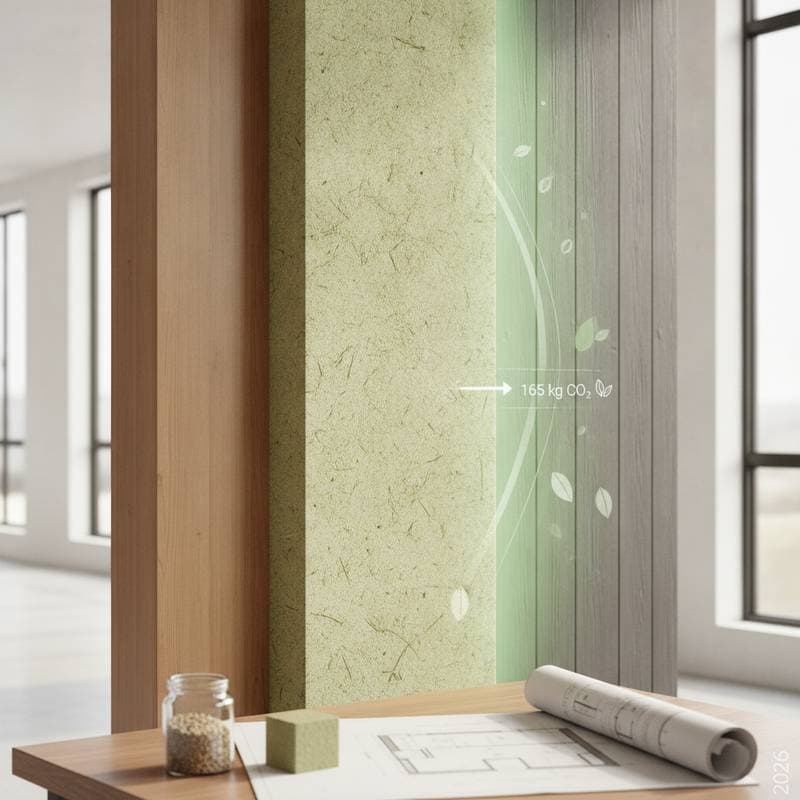
Over two decades, these efficiencies accumulate into significant savings, often exceeding the initial investment. Homeowners also benefit from lower maintenance needs, as hempcrete resists degradation without synthetic additives. Environmentally, the material functions as a carbon sink during its lime curing phase, sequestering up to 100 kilograms of carbon dioxide per cubic meter. This process not only mitigates emissions but also supports certifications like LEED, enhancing property value through verified sustainability metrics.
Performance Features Extending Insulation Value
Hempcrete provides benefits that surpass basic thermal insulation. Its open cellular structure permits vapor diffusion, which inhibits mold formation and maintains stable indoor humidity levels. In contrast to rigid foam products, hempcrete avoids the release of volatile organic compounds, ensuring better air quality for occupants, particularly those with respiratory sensitivities.
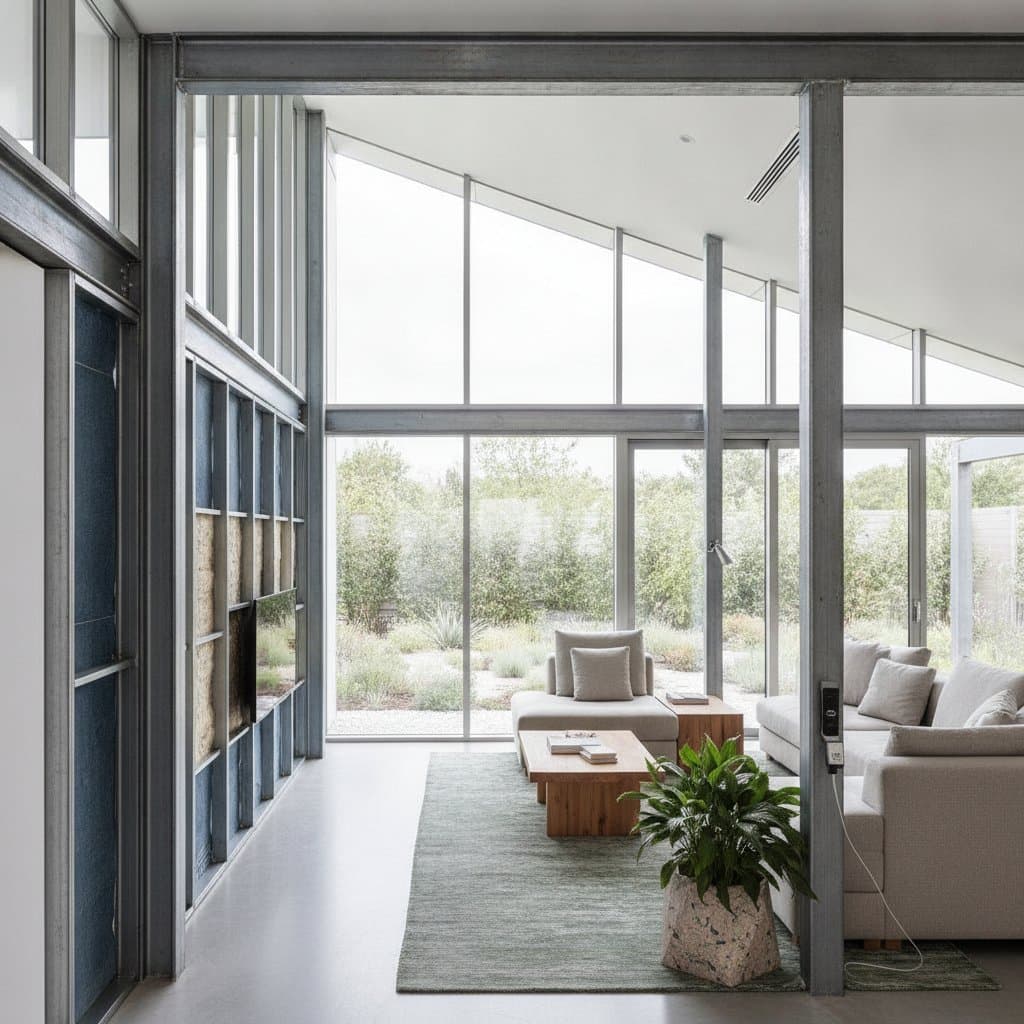
The material demonstrates natural resistance to pests, eliminating the reliance on chemical treatments that could compromise health or the environment. Structurally, hempcrete combines flexibility with adequate compressive strength, allowing it to accommodate minor building movements and prevent cracks. When integrated with timber or metal framing, it forms a durable composite wall system capable of enduring multiple generations with routine upkeep.
Insights from Construction Professionals
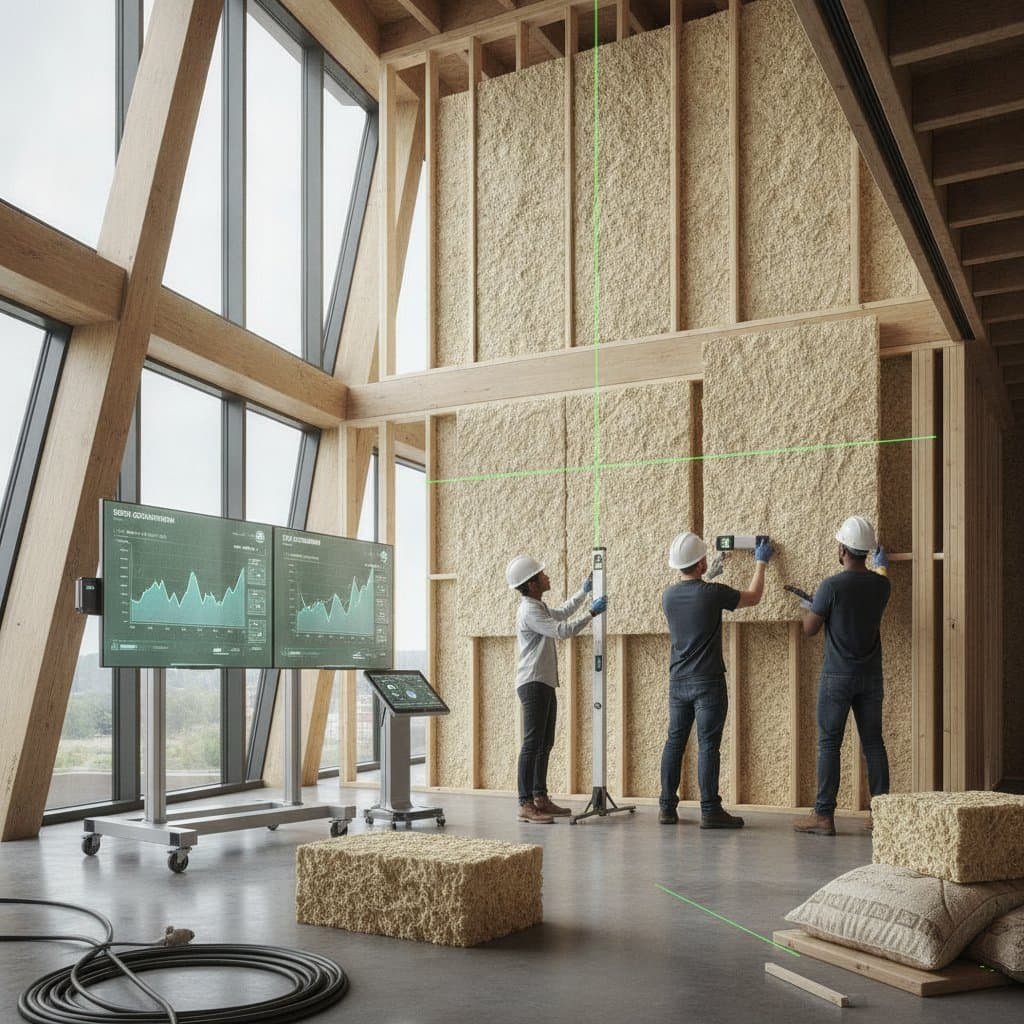
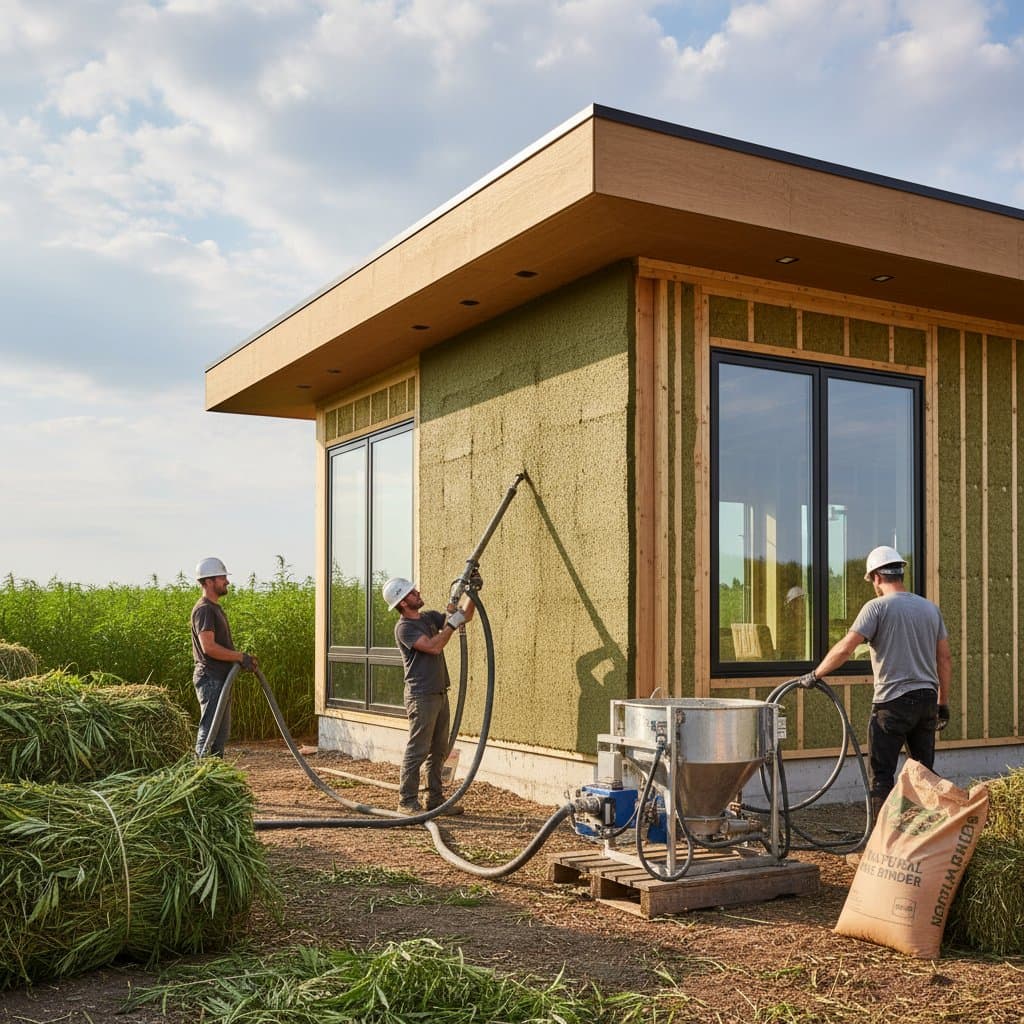
Experts in sustainable building observe increasing adoption of hempcrete in residential and commercial applications. They emphasize its straightforward preparation, which involves on-site mixing and casting with conventional equipment. This approach suits diverse climates, from humid regions to arid zones, where moisture management proves essential.
Professionals also praise hempcrete's acoustic properties, which dampen external noise effectively. In urban developments, such as infill housing, these features elevate resident comfort and may influence local zoning approvals. Builders recommend starting with pilot projects to familiarize teams with handling techniques, ensuring optimal results in larger-scale implementations.
Navigating Costs, Regulations, and Implementation
Homeowners must consult professionals to navigate hempcrete adoption successfully. Many local building codes lack specific provisions for hemp-based materials, necessitating input from engineers or architects versed in innovative construction methods. Compliance often involves submitting test data on fire resistance and structural integrity to secure permits.
Budget considerations include labor, as precise mixture ratios and extended curing periods require skilled oversight. Expect wall assembly costs between 12 and 20 dollars per square foot, influenced by regional labor rates, material sourcing, and desired thickness. These investments yield walls that eliminate the need for supplementary insulation, streamlining overall project expenses while minimizing future repairs.
Steps to Incorporate Hempcrete in Your Project
Begin exploration with modest applications, such as a garden studio, garage addition, or home extension. These spaces allow testing of hempcrete's performance without committing to full-scale renovations. Partner with architects or builders certified in green practices who have executed similar installations and can connect you with trusted hemp suppliers.
Investigate available incentives, including tax rebates for carbon-sequestering builds or expedited permitting in eco-focused municipalities. As production scales and standards evolve, hempcrete's premium pricing will likely decrease, broadening accessibility. Track industry updates through professional networks to stay informed on emerging techniques and material refinements.
Realizing Long-Term Value Through Hempcrete
Selecting hempcrete transcends mere sustainability goals; it secures enduring comfort, structural integrity, and economic advantages. This material not only safeguards your property but also contributes positively to global carbon balances. By integrating hempcrete, homeowners invest in residences that promote well-being and environmental stewardship for years to come.