Key Points
- Mycelium insulation, derived from fungal roots, serves as a renewable substitute for synthetic options such as polyurethane foam and fiberglass batts.
- It delivers robust thermal resistance, with R-values that align closely with established insulation standards.
- The production process demands low energy input and generates negligible waste, as the material expands organically within custom molds.
- At the end of its service life, the insulation decomposes fully, facilitating closed-loop construction practices.
- Initial installations demonstrate energy consumption reductions of up to 25 percent, alongside substantially decreased embodied carbon emissions.
How Mycelium Insulation Functions
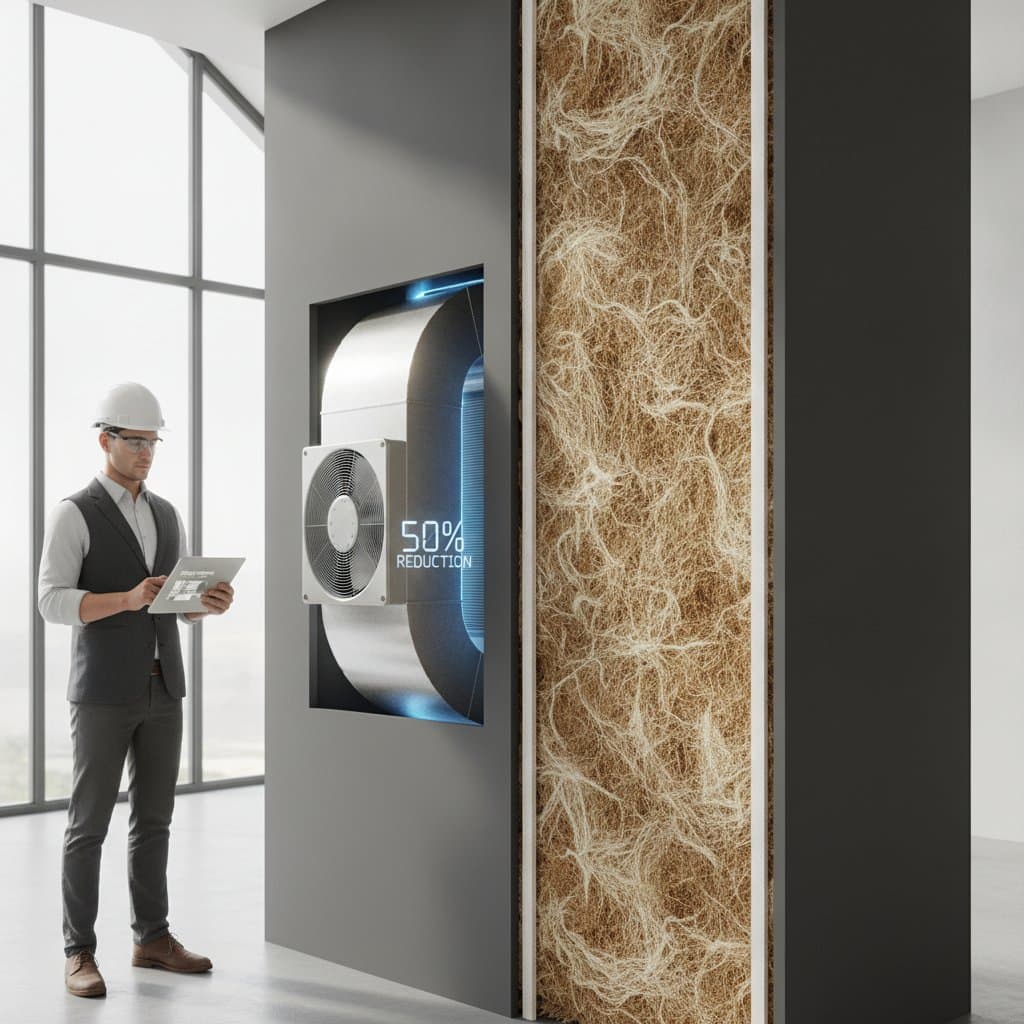
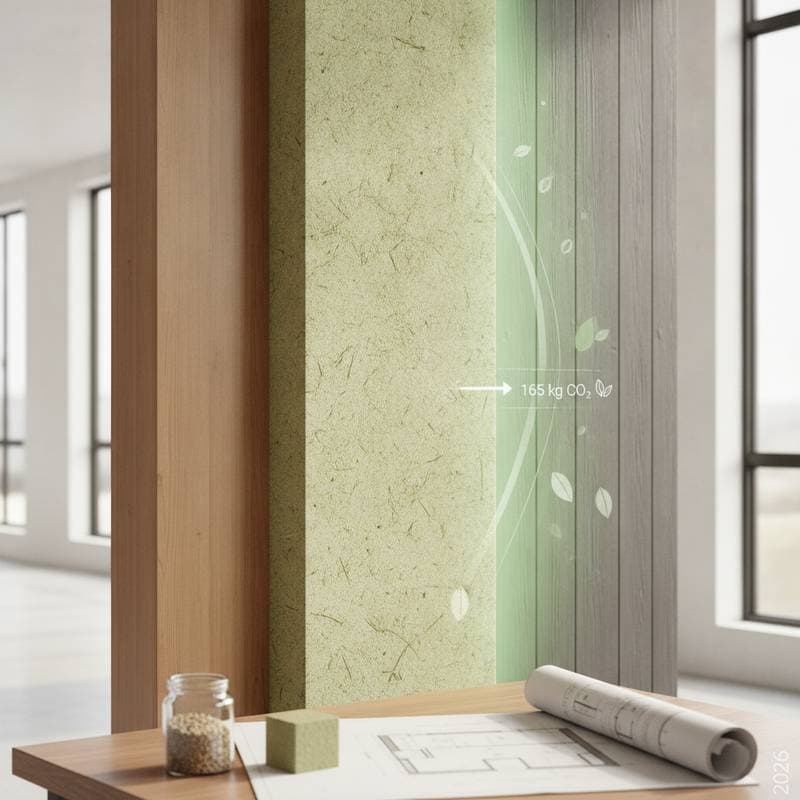
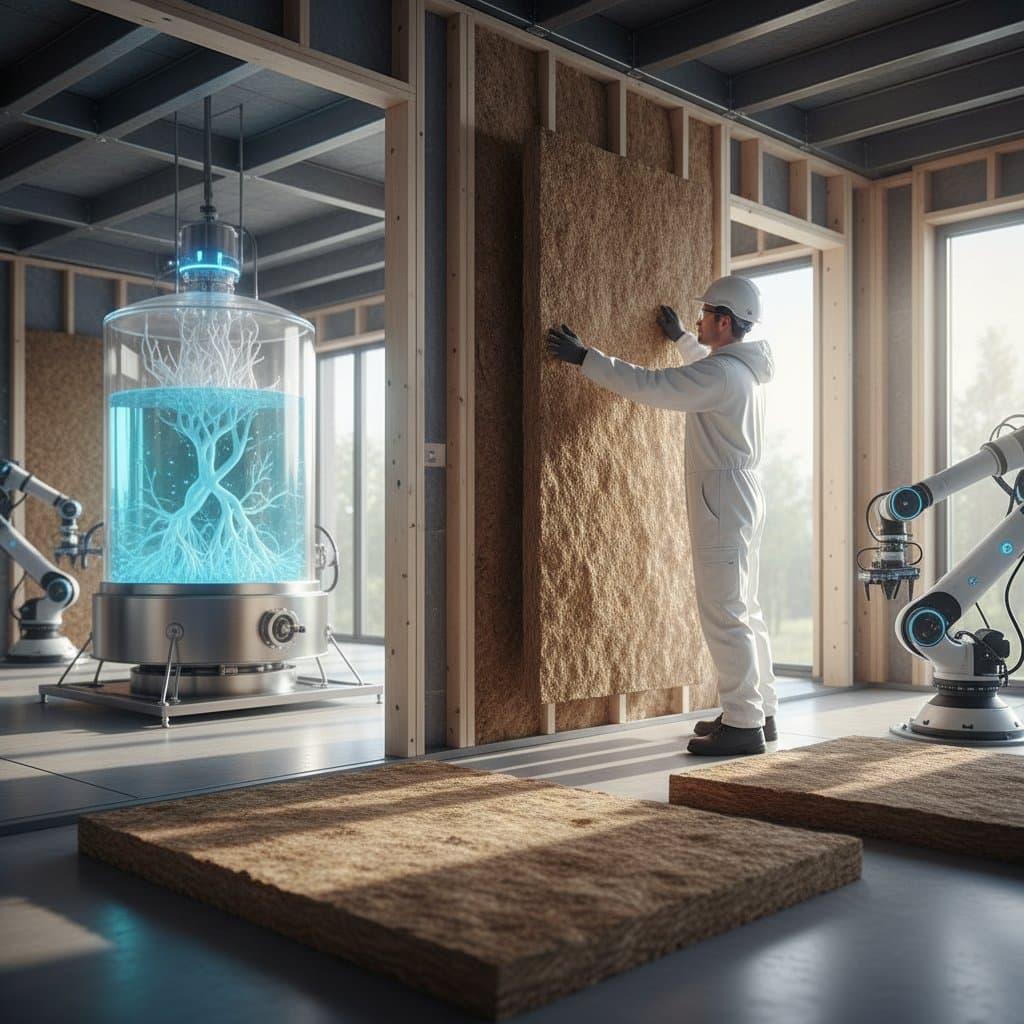
Mycelium forms the underground network of fungi, adept at weaving together agricultural byproducts like hemp hurds or corn stalks into a cohesive, resilient form. In a controlled environment, this network expands to fill predefined molds, creating uniform panels or blocks. A subsequent heat treatment halts fungal activity, yielding a lightweight, durable product suitable for immediate use in building assemblies.
Essential Properties
- Thermal Efficiency: Mycelium panels attain R-values of 3.5 to 4 per inch, providing insulation comparable to fiberglass without the associated health risks during handling.
- Acoustic Performance: The inherent cellular structure absorbs sound waves effectively, dampening noise from external sources or internal activities.
- Fire Resistance: Post-treatment, the material withstands flames for extended periods, outperforming numerous petroleum-derived alternatives in controlled burn tests.
- Moisture Management: As a permeable substance, it allows vapor diffusion, which regulates indoor humidity and minimizes condensation-related issues like mold growth.
Independent evaluations from sustainable building laboratories confirm that integrating mycelium insulation into residential structures can lower heating and cooling demands by 20 to 25 percent. Such savings accumulate over time, yielding reduced monthly energy expenses and a diminished environmental impact throughout the home's operational phase. For a typical three-bedroom house, this might equate to annual utility reductions of several hundred dollars, depending on local climate and energy rates.
Applications in Residential Settings
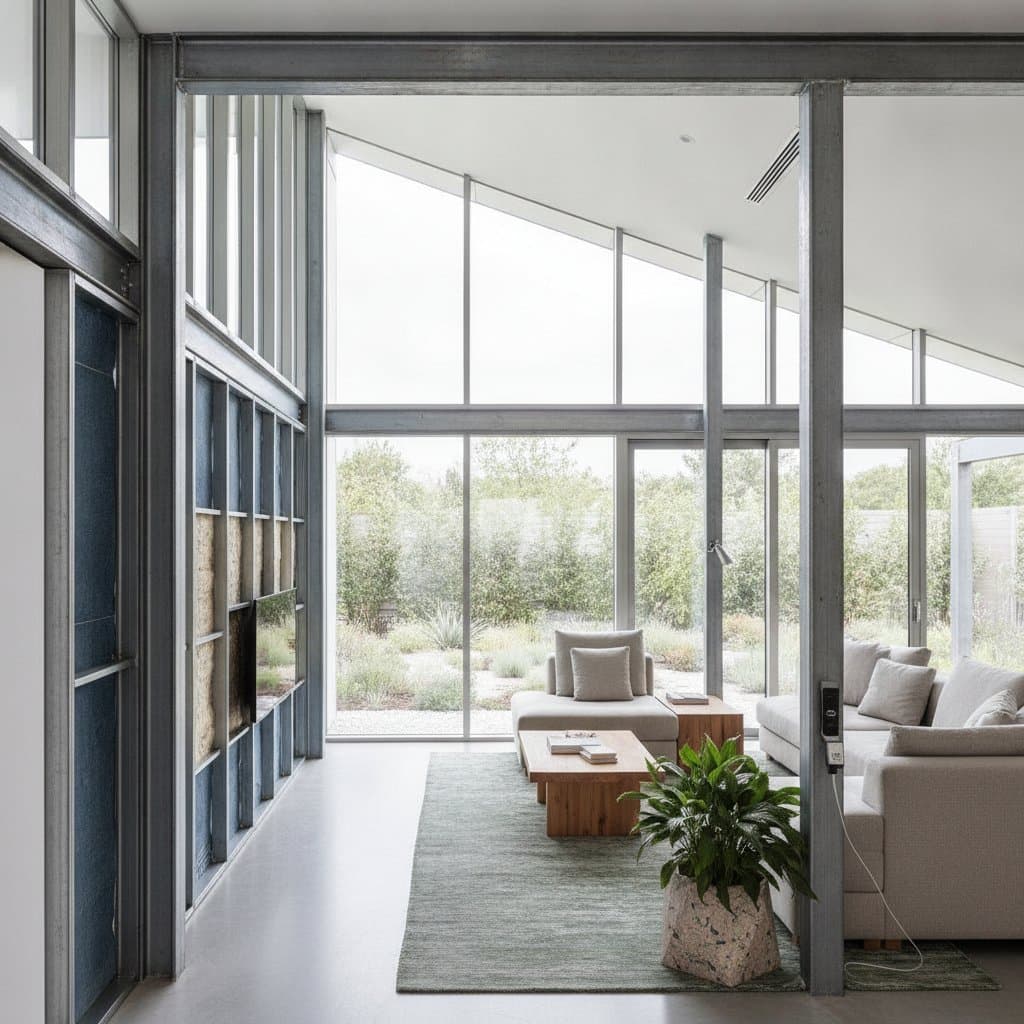
Insulation upgrades rank among the most effective strategies for enhancing home efficiency, often recouping costs within a few years through lower bills. Mycelium products install seamlessly in standard locations, including cavity walls, subfloors, and attic spaces. Their adaptability to bespoke forms proves advantageous for renovations involving curved surfaces or limited clearances, where rigid materials might falter.
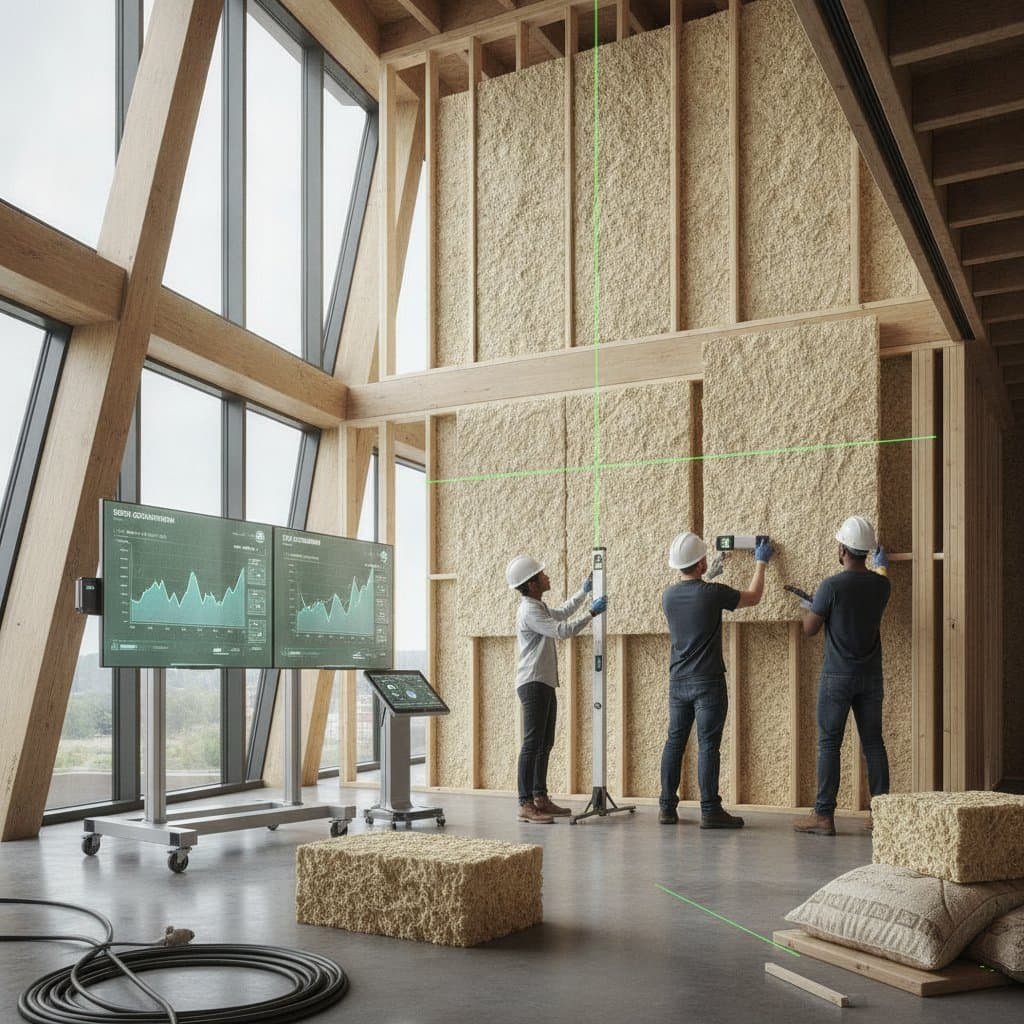
The installation process mirrors that of conventional batts: workers position panels between framing members, securing them with minimal fasteners. Weighing far less than mineral wool equivalents, these panels impose less load on structural elements, simplifying logistics on job sites. Unlike fiberglass, which can cause dermal irritation and respiratory discomfort, mycelium poses no such hazards, allowing crews to work without protective gear.
Guidance for Homeowners
- Complement with Permeable Finishes: Select breathable coverings like clay-based plasters or lime washes to preserve the system's moisture-balancing capabilities.
- Steer Clear of Synthetic Barriers: Omit plastic sheeting that impedes vapor flow, as it could lead to trapped dampness and diminished performance.
- Control Environmental Conditions: Maintain stable humidity below 60 percent during and after placement to support optimal material stabilization.
- Seek Verified Products: Prioritize options certified by recognized eco-building bodies for confirmed thermal ratings and end-of-life compostability.
Users who have incorporated this insulation note enhancements in air quality, free from off-gassing chemicals common in traditional products. Many also highlight quieter interiors, attributing the effect to the material's sound-dampening qualities, which foster a more serene living space.
Addressing Hurdles and Advancing Innovations
Like any pioneering material, mycelium insulation encounters obstacles in scaling for widespread use. Variations in growth speed, influenced by ambient temperature and substrate composition, pose challenges to uniform output. Current efforts focus on engineering climate-controlled bioreactors that standardize these factors, enabling consistent quality across large volumes.
Durability under prolonged exposure remains another area of scrutiny, with studies examining long-term performance in diverse climates. Researchers collaborate with material scientists to refine formulations, incorporating natural additives that bolster resistance to pests without compromising biodegradability. These developments promise to resolve early limitations, broadening accessibility for commercial and residential projects alike.
Integrating Mycelium Insulation into Your Project
For those embarking on a remodel or construction, mycelium insulation presents a timely opportunity to prioritize sustainability. Engage professionals experienced in biocomposites early in the planning stage to assess compatibility with your design. Consider blended approaches, such as layering mycelium with densified plant fibers, to optimize strength and cost.
Adopting this material extends beyond technical specifications; it embodies a dedication to ecological stewardship and occupant well-being. As production scales, pricing aligns more closely with conventional options, while regional suppliers emerge to shorten delivery times. Ultimately, mycelium insulation contributes to structures that harmonize with natural cycles, promoting energy independence and planetary resilience.