Key Points
- Hempcrete walls deliver natural insulation and sequester carbon from the atmosphere over time.
- This bio-based material mixes hemp hurd, lime binder, and water to achieve low embodied carbon and high performance.
- Effective design and curing techniques ensure strong thermal efficiency, moisture control, and enduring strength.
- Installation costs remain reasonable, with substantial long-term savings on energy and environmental gains.
- Hempcrete complies with building regulations in many areas, as codes increasingly support its eco-friendly attributes.
Picture a Home That Breathes with Nature
As a green building expert, I observe homeowners facing challenges with poor insulation and escalating energy expenses. Imagine entering a new home that stays cool during humid afternoons and warm on cold evenings, with the heating and cooling system running minimally. The walls manage temperature and humidity effortlessly while absorbing carbon from the air. Hempcrete walls realize this vision by integrating traditional natural elements with contemporary sustainable practices.
For those planning a new build or retrofit to enhance energy efficiency and reduce environmental impact, hempcrete offers compelling advantages. In my extensive experience, this material elevates building performance and enhances daily living comfort.
The Challenge: Conventional Insulation and Hidden Carbon Costs
Standard insulation options like fiberglass and foam depend on petrochemicals, resulting in substantial embodied carbon from manufacturing, shipping, and disposal. These materials release considerable greenhouse gases throughout their lifecycle. In areas with variable temperatures or elevated humidity, they often retain moisture, leading to deterioration and compromised indoor air quality.
Walls constitute almost half of a building's envelope and significantly affect heating and cooling requirements. A small enhancement in wall insulation reduces energy consumption by 20 to 30 percent. Hempcrete advances this by storing carbon rather than contributing to emissions.
The Solution: Bio-Based Insulation that Works with the Planet
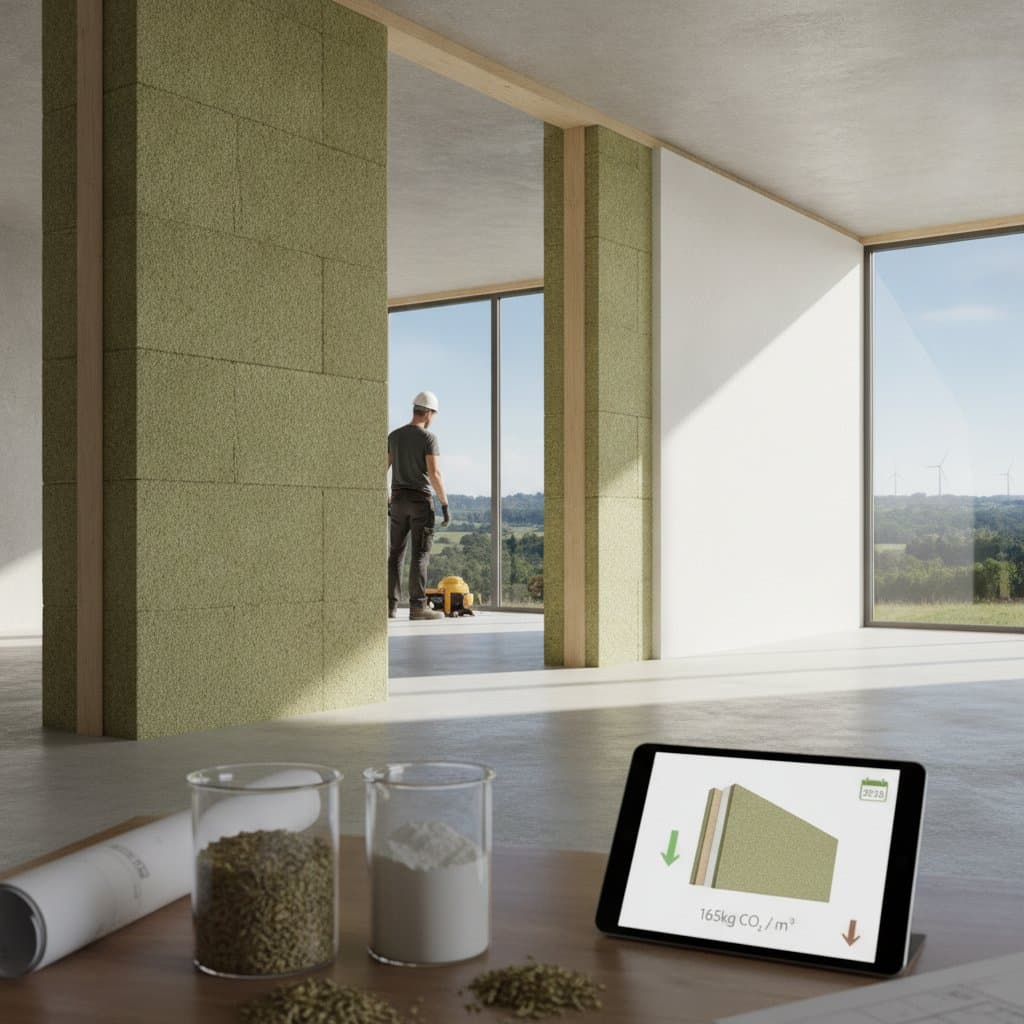
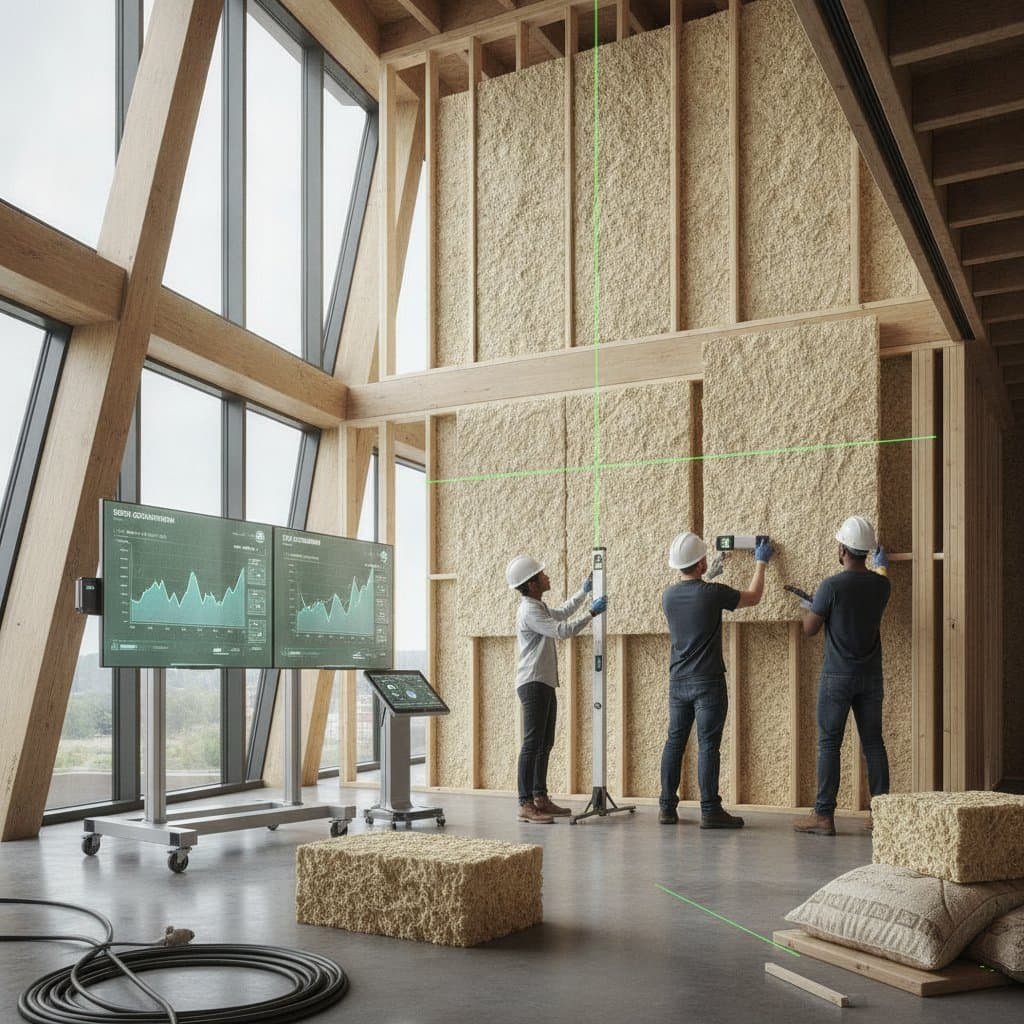
Hempcrete consists of hemp hurd, lime binder, and water. The hemp hurd from the plant's inner core supplies structure and inherent insulation properties. Lime serves as a binder that solidifies via carbonation, pulling carbon dioxide from the atmosphere and incorporating it into the structure. This creates a lightweight, permeable composite that insulates, manages humidity, and withstands fire and insects.
Building scientist Martin Lang states, "Hempcrete stands out as one of the rare construction materials that absorbs carbon dioxide for decades during lime curing." Consequently, structures using hempcrete function as modest carbon sinks.
How Hempcrete Walls Perform
View hempcrete as a dynamic layer for your home, adapting to weather shifts by permitting vapor movement while stabilizing internal conditions.
1. Thermal Regulation
Hempcrete achieves an R-value of R-2 to R-3.5 per inch, indicating thermal resistance. Although this appears moderate against synthetic alternatives, the material's thermal mass and vapor openness deliver reliable results in practical settings. In humid environments, it avoids condensation issues that affect other insulators.
2. Carbon Sequestration
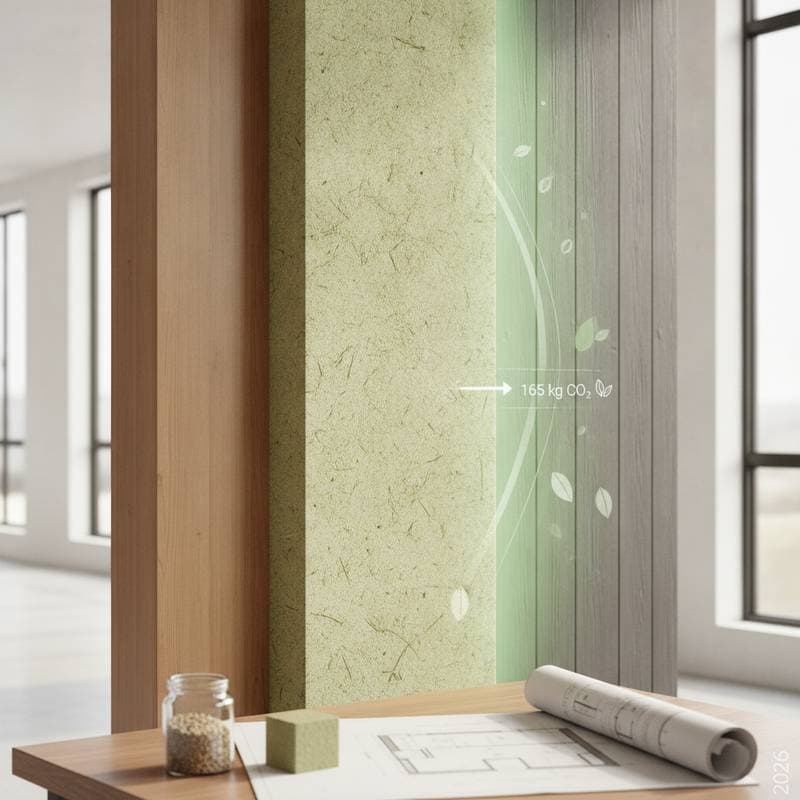
One cubic meter of hempcrete sequesters up to 100 kilograms of carbon dioxide, varying by lime type and curing conditions. Applied throughout a structure, this capacity compensates for emissions from related construction processes.
3. Moisture Balance
Hempcrete's hygroscopic nature allows it to take in and release moisture without damage. This buffering maintains comfortable indoor humidity and safeguards wooden frames from decay.
4. Acoustic Comfort
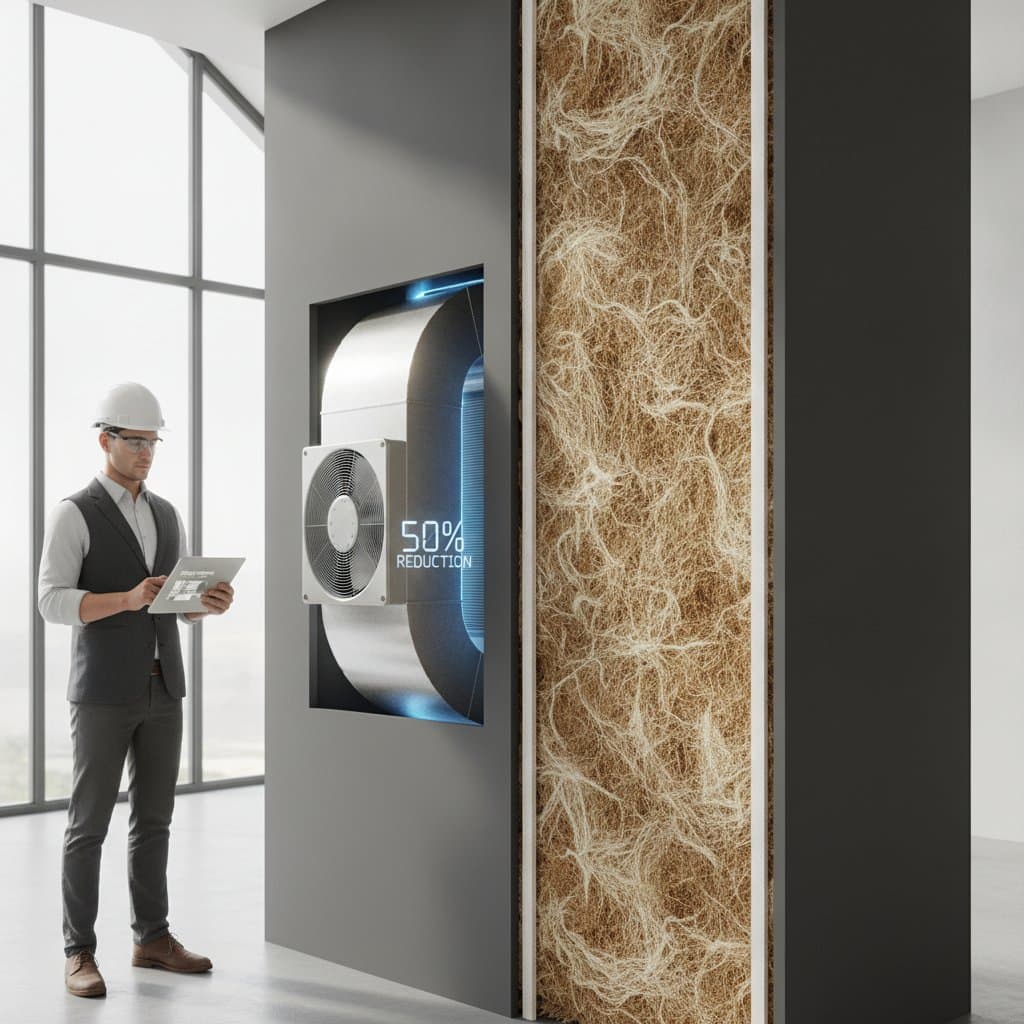
The hemp hurd's fibrous composition absorbs noise, fostering a serene interior. In spacious layouts or city settings, this feature promotes tranquility in everyday routines.
Expert Tips to Boost Your Home’s Eco-Efficiency with Hempcrete
Planning remains crucial for hempcrete projects. As a green building specialist, I advise these steps for optimal results and regulatory adherence.
Step 1: Assess Your Local Climate
- In warm, moist areas, pair hempcrete with permeable outer layers such as lime plaster.
- In temperate or rainy zones, incorporate safeguards against heavy rain, including wider roof extensions or ventilated cladding systems.
Step 2: Choose Quality Hemp and Lime
- Select hemp hurd free of contaminants and uniform in particle size to support even curing.
- Opt for lime binders designed for hempcrete, blending hydraulic and hydrated types to achieve desired strength and adaptability.
Step 3: Mix and Place Correctly
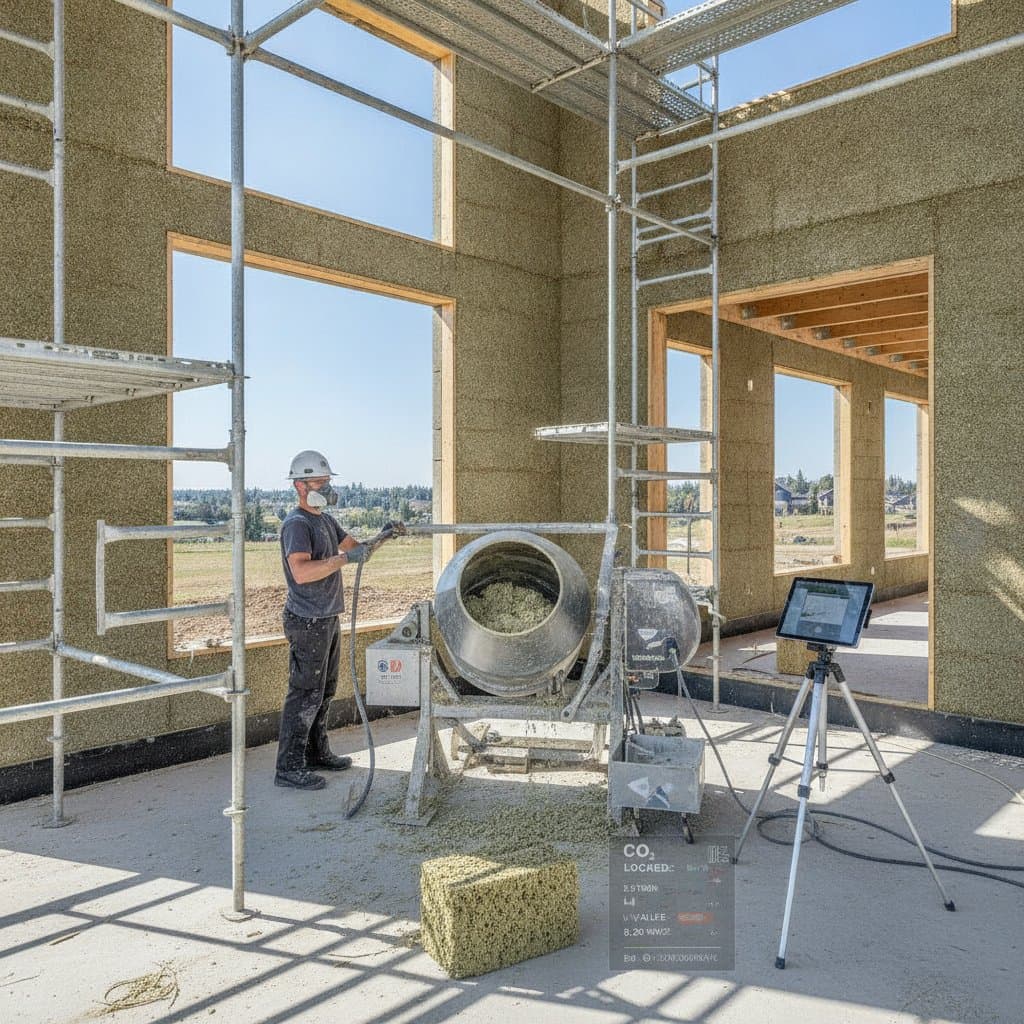
- Proportions of hemp hurd, lime, and water dictate the final density and insulating effectiveness.
- Mix components thoroughly but avoid excess agitation that damages hemp fibers.
- Apply the blend by pouring or lightly compacting into molds, preserving the material's integrity.
Step 4: Allow Time for Proper Curing
- Full curing spans weeks, influenced by wall dimensions and ambient moisture.
- Promote air circulation during this phase to facilitate carbonation and minimize cracks.
Step 5: Finish with Breathable Coatings
- Apply lime or clay plasters to retain vapor permeability.
- Steer clear of acrylic paints or barriers that could confine moisture within the assembly.
Practical Considerations for Homeowners and Builders
Cost and ROI
Installation ranges from $12 to $20 per square foot, based on thickness and local labor. Though higher than conventional methods, the material's durability and efficiency often recoup costs in 8 to 12 years through reduced energy use and upkeep.
Timeline
Hempcrete walls demand more time than framed assemblies due to curing. Account for this in schedules, particularly in wet regions. Pre-fabricated panels now accelerate the process for many teams.
Energy Savings
Research indicates hempcrete structures lower heating and cooling needs by 30 percent versus basic code-compliant builds. This yields annual savings of several hundred dollars and a reduced carbon profile.
Safety and Health
Hempcrete poses no toxicity risks, repels pests naturally, and offers fire resistance. Its alkaline lime composition inhibits mold, proving beneficial in humid or seaside locations.
Code Compliance and Certification
Numerous codes now accommodate hempcrete through alternative provisions. Engage engineers or architects versed in bio-materials for approvals. In green certifications like LEED, it earns credits in materials, efficiency, and air quality.
Balancing Budget and Sustainability
Budget-conscious owners can integrate hempcrete gradually.
- Begin with non-load-bearing retrofits, like attics or outbuildings.
- Pair it with salvaged wood frames to minimize overall carbon.
- Employ hybrid setups, using hempcrete to fill gaps in insulated panels or frames.
Such strategies introduce benefits progressively without major overhauls.
What Professionals Say About the Future of Hempcrete
Architect Lina Perez, focused on regenerative approaches, notes, “Hempcrete transitions from specialty to standard, valued by builders for ease and by owners for livability.”
My field observations align with this shift. Expanding production lowers prices, while hemp farming bolsters local agriculture. Projects advance individual eco-targets and planetary health.
Making It Happen: Your Next Steps Toward a Carbon-Positive Home
To pursue hempcrete, consult regional experts in bio-insulation. Examine samples, tour built examples, and inquire about mixing and surfacing techniques. A knowledgeable contractor adapts the formula to local conditions, from steamy heat to arid gusts or deep freezes.
For tailored plans, blend hempcrete with solar panels or ground-source heat. This synergy boosts efficiency toward net-zero status. Select materials in harmony with nature to build enduring comfort and responsibility. Contact certified green specialists via our network for advice or estimates.
Frequently Asked Questions
Q: How long does hempcrete last once installed?
A: Properly constructed hempcrete walls endure for decades. The lime binder strengthens progressively, resisting decay, insects, and flames. Periodic checks on outer layers sustain its effectiveness.