Key Points
- Recycled plastic lumber redefines sustainable decking through superior durability and reduced maintenance requirements.
- Homeowners realize substantial cost savings over the material's lifespan, offsetting the initial investment.
- This material withstands moisture, ultraviolet radiation, and insect infestations, suiting diverse environmental conditions.
- Selecting certified recycled options advances circular economy principles and diminishes landfill contributions.
The New Face of Decking Sustainability
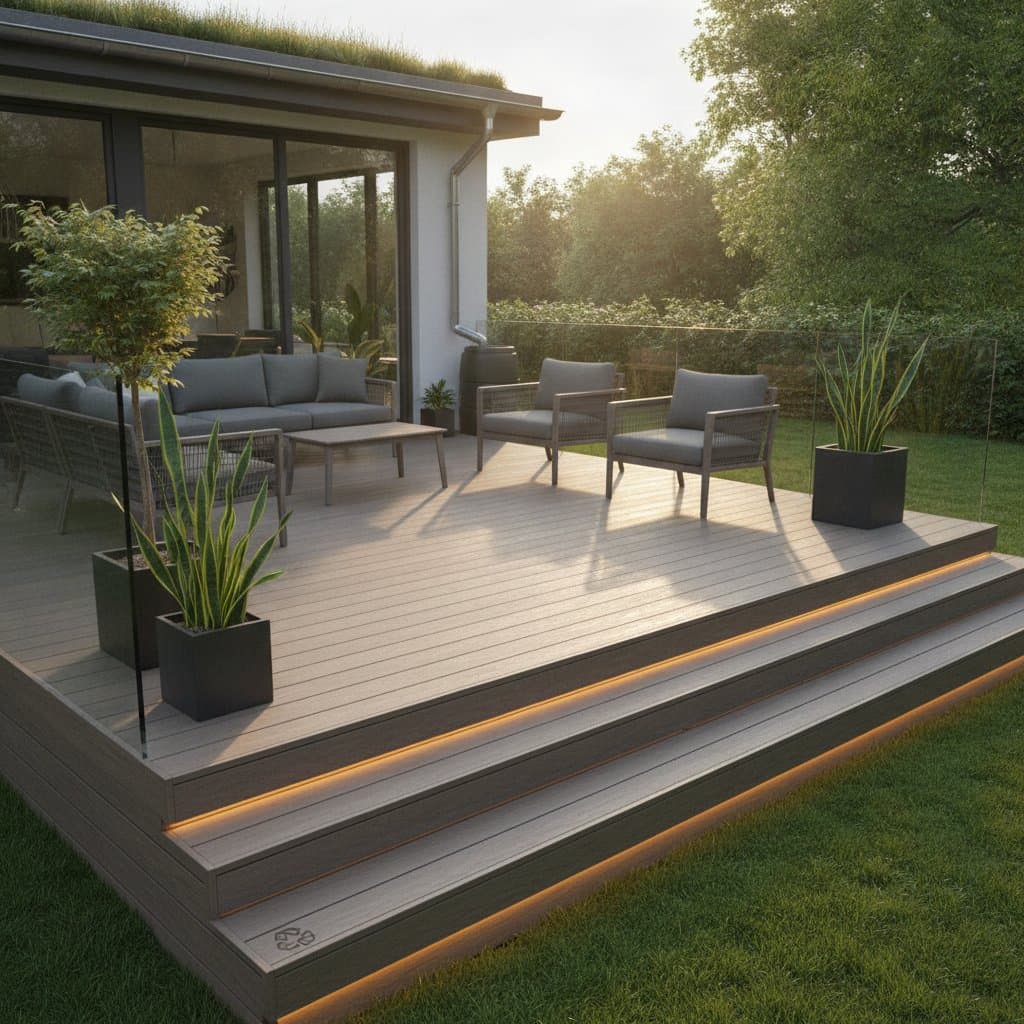
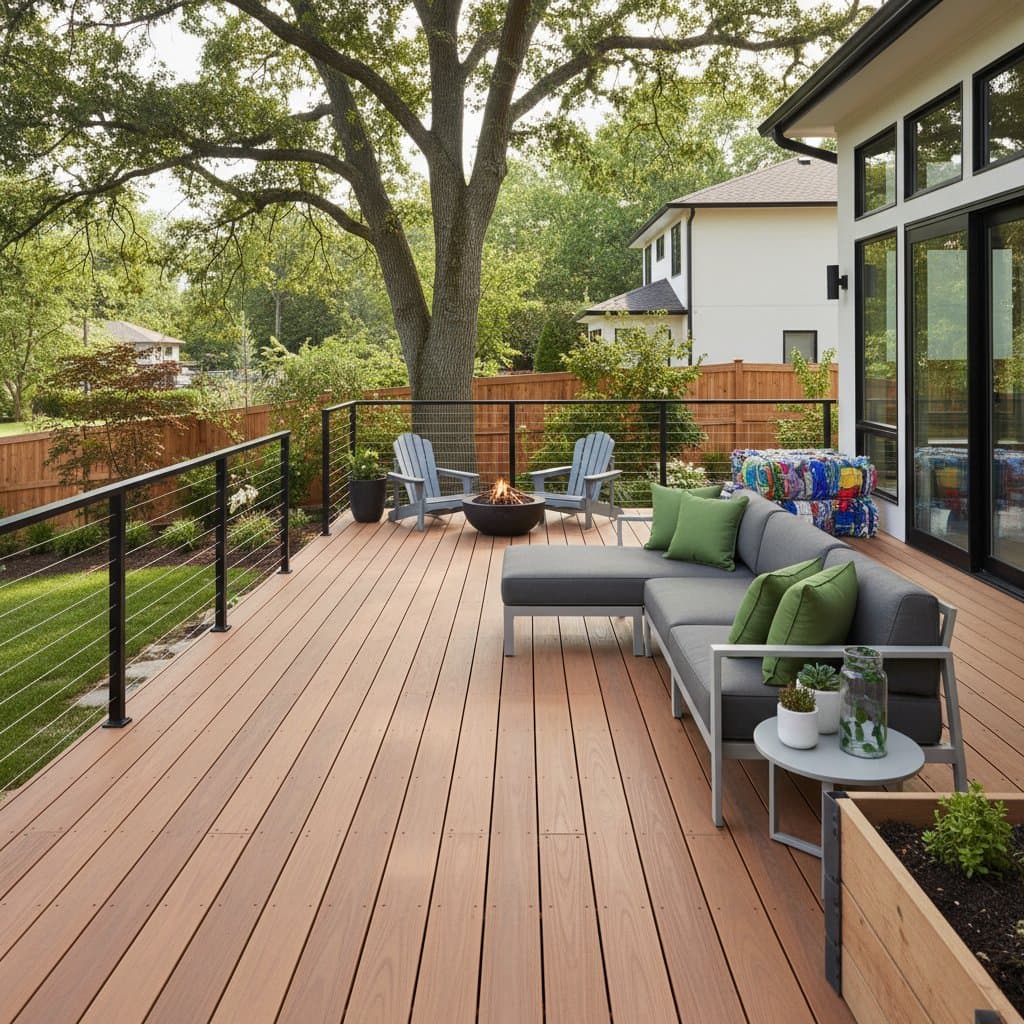
As a green building expert, I have observed numerous homeowners grappling with decking materials that deteriorate rapidly or require constant attention. Imagine stepping onto your backyard deck in anticipation of relaxation, only to encounter splintered surfaces, discolored finishes, and evidence of water intrusion. Traditional wood decking, while aesthetically pleasing, frequently succumbs to environmental stresses. Recycled plastic lumber emerges as a robust alternative, reshaping the construction, upkeep, and enjoyment of outdoor areas.
Why Decks Need a Sustainable Upgrade
Numerous areas endure humid summers, rainy winters, and strong ultraviolet exposure. Such factors can reduce the service life of untreated wood decking by several years. Persistent issues like mold growth, board warping, and pest infestations plague property owners. At the same time, vast quantities of discarded plastics accumulate in landfills and waterways, inflicting ecological damage. Recycled plastic lumber tackles these challenges by repurposing waste into resilient construction elements. This approach provides a superior, enduring solution that promotes environmentally responsible lifestyles.
How Recycled Plastic Lumber Works
Recycled plastic lumber derives from post-consumer sources, including milk jugs, detergent bottles, and plastic films. Manufacturers clean, shred, and extrude these items into dense planks that resemble wood visually yet surpass it in performance. The resulting boards repel decay, color loss, and water uptake, allowing owners to devote less effort to resurfacing or protective coatings and more to leisure activities.
Drawing from extensive field experience, I note that these installations preserve structural soundness for decades under routine care. Although initial expenses range 20 to 30 percent above those of pressure-treated wood, savings from avoided repairs and treatments typically exceed the premium within a few years.
Expert Tips to Boost Your Deck’s Eco-Efficiency
- Choose Certified Materials: Verify recycled content through recognized certifications to confirm genuineness and ecological integrity.
- Plan for Proper Ventilation: Incorporate adequate airflow under the decking to mitigate thermal accumulation, even with synthetic compositions.
- Select Light Colors: Opt for pale tones that deflect solar rays, lowering surface temperatures and enhancing comfort during hot weather.
- Add Renewable Energy Features: Integrate solar illumination systems to prolong evening use without increasing electricity expenses.
- Include Local Expertise: Collaborate with a climate-savvy green building professional to address site-specific conditions effectively.
Practical Considerations Before Building
Success hinges on thorough preparation. The installation process parallels that of wood decking, but engaging skilled installers guarantees secure attachments and enduring performance. Installed costs average $12 to $20 per square foot, varying by manufacturer and project intricacy.
Upkeep entails occasional cleaning with mild soap and water, bypassing the labor of annual staining or sealing. On the environmental front, constructing a standard deck from this material redirects hundreds of pounds of plastic waste from disposal sites. Unlike moisture-absorbent treated wood, these planks prevent the release of preservatives into soil and water. I advise combining recycled plastic decking with framing from Forest Stewardship Council-certified timber or recycled steel to maximize sustainability.
Building a Resilient, Eco-Friendly Deck
Your deck serves beyond mere assembly for gatherings. It embodies dedication to environmental stewardship and enduring worth. Opting for recycled plastic lumber aids in managing plastic pollution while delivering a hassle-free, attractive platform that withstands seasonal demands.
Consult a qualified green building specialist through our platform for a complimentary estimate. Jointly, create a sturdy deck that harmonizes with your residence and fosters a healthier planet.
Frequently Asked Questions
Q: How long does recycled plastic lumber last?
A: Properly installed, it endures 25 to 50 years free from rot or splintering, providing exceptional longevity among decking options.
Q: Is recycled plastic lumber more expensive than wood?
A: Upfront costs exceed those of pressure-treated wood by 20 to 30 percent, but reduced maintenance and replacement needs yield net savings over time.
Q: Does it require special tools for installation?
A: Standard woodworking tools suffice, though using corrosion-resistant fasteners enhances performance in moist environments.
Q: Can it be painted or stained?
A: Most products arrive pre-colored and resist fading; painting is possible but unnecessary due to inherent UV protection.