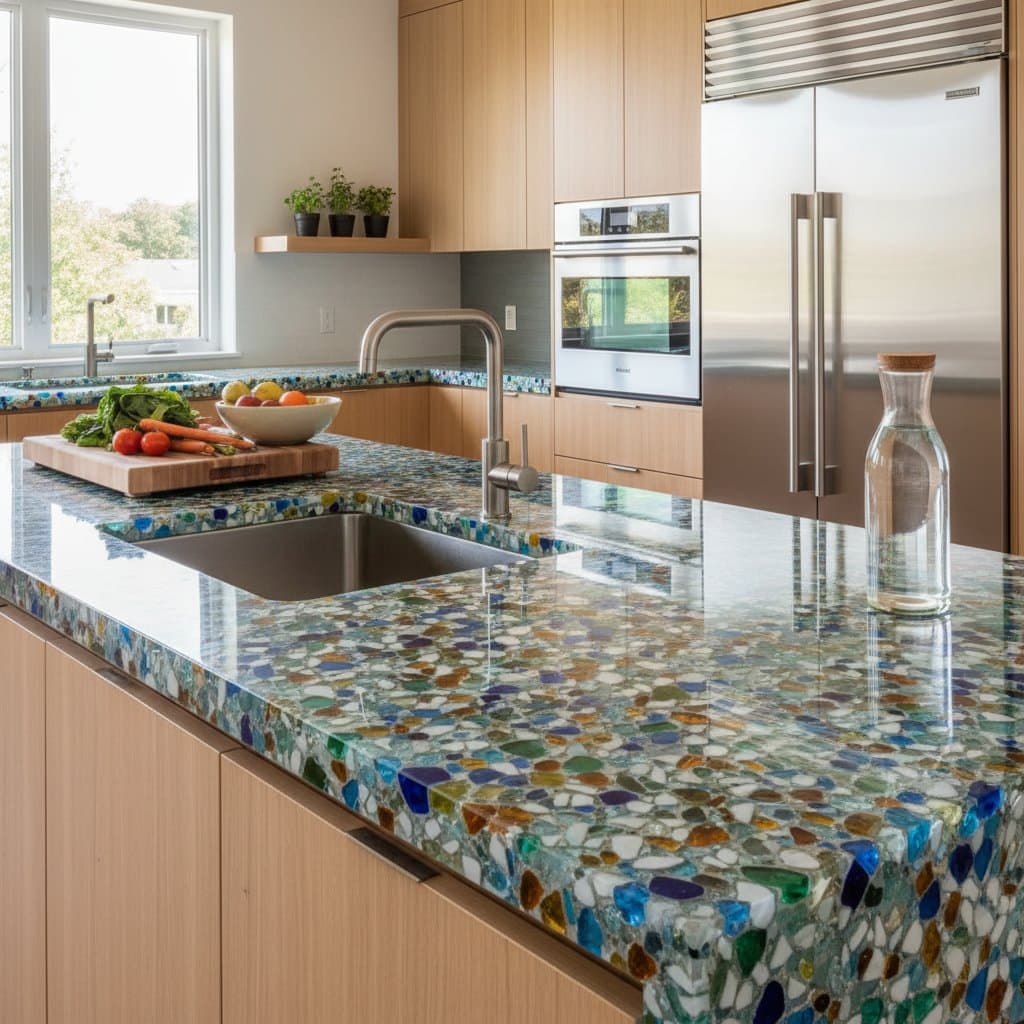
Recycled Glass Counters: Beauty Meets Sustainability
Recycled glass countertops represent a significant advancement in sustainable home design. These surfaces combine the visual appeal of shimmering glass with the practicality of durable materials. Homeowners increasingly select them to create kitchens that reflect environmental responsibility without sacrificing style.
Understanding Recycled Glass Countertops
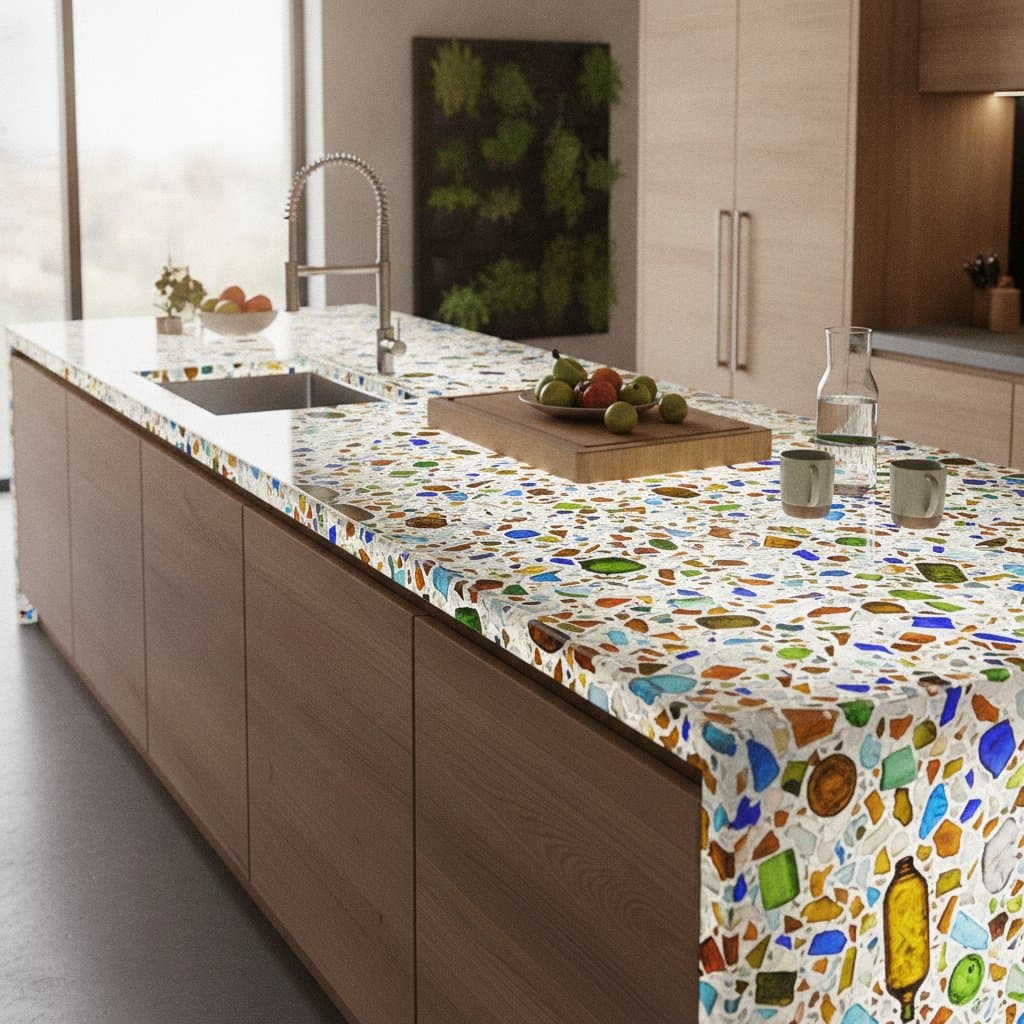
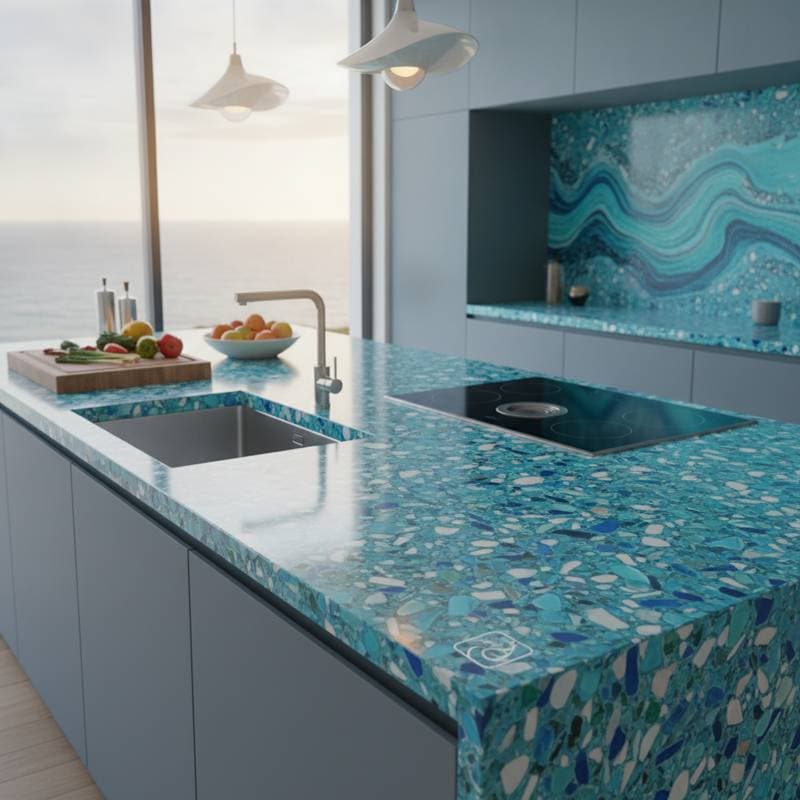
Recycled glass countertops consist primarily of crushed post-consumer glass, such as bottles and jars, combined with resins for binding. Manufacturers process the glass into aggregate pieces that vary in size and color, allowing for customized patterns. The result is a composite material that mimics natural stone while incorporating up to 70 percent recycled content.
This production method diverts waste from landfills and reduces the demand for virgin materials. Unlike traditional glass, which requires high-energy melting, recycled versions use lower temperatures during fabrication. The process supports a circular economy by transforming everyday discards into premium building elements.
Aesthetic Advantages
The beauty of recycled glass lies in its translucent, multifaceted appearance. Light reflects off the embedded glass particles, creating a dynamic sparkle that changes with illumination. Available in hues from earthy tones to vibrant shades, these counters complement diverse interior schemes.
Designers appreciate the material's versatility for creating unique patterns, such as swirling mosaics or uniform fields. Unlike solid surfaces, the visible glass fragments add depth and texture. This aesthetic elevates kitchens, bathrooms, and even bar areas into focal points of sophistication.
Durability and Performance
Recycled glass countertops demonstrate impressive resilience. They withstand temperatures up to 300 degrees Fahrenheit without damage, making them suitable for placement near stovetops. The surface resists stains from common kitchen spills, including wine and coffee, when sealed properly.
Scratches pose minimal concern due to the hardness of the glass aggregate. Regular maintenance involves simple wiping with mild soap and water. Over time, the material maintains its integrity, often outlasting laminate alternatives.
Environmental Impact
Choosing recycled glass counters contributes to broader sustainability goals. Production emits fewer greenhouse gases compared to quarrying natural stone like granite or marble. The use of post-consumer waste conserves natural resources and minimizes mining impacts.
These counters align with green building certifications, such as LEED, by promoting material reuse. Homeowners reduce their carbon footprint through this choice, supporting global efforts to combat waste. The longevity of the product further enhances its eco-profile by decreasing replacement frequency.
Installation Process
Professional installation ensures optimal results for recycled glass countertops. Begin by selecting a fabricator experienced in composite materials to measure the space accurately. Templates guide the cutting process, accounting for sink and appliance placements.
During installation, technicians secure the slabs with adhesive and reinforce seams for stability. The material's weight, similar to granite, requires sturdy cabinetry support. Completion typically occurs within a few days, minimizing disruption to daily routines.
Maintenance and Care
Maintaining recycled glass counters proves straightforward. Clean daily with a soft cloth and non-abrasive cleaner to preserve the finish. Avoid harsh chemicals that could dull the surface over time.
For deeper cleaning, use a baking soda paste on stubborn spots, followed by rinsing. Periodic sealing, recommended every one to two years, enhances stain resistance. These steps keep the counters looking pristine with minimal effort.
Cost Considerations
Recycled glass countertops range from $50 to $100 per square foot, depending on design complexity and thickness. This pricing aligns closely with mid-range granite options, offering value for sustainable features. Factors like edge treatments and custom colors influence the final expense.
Long-term savings arise from durability, reducing repair needs. Financing options through home improvement specialists make acquisition accessible. Investors in green renovations often recoup costs via increased property value.
Choosing the Right Option for Your Space
Evaluate your needs when selecting recycled glass counters. Consider traffic levels in the area and desired color palette. Samples from suppliers help visualize the fit within your design vision.
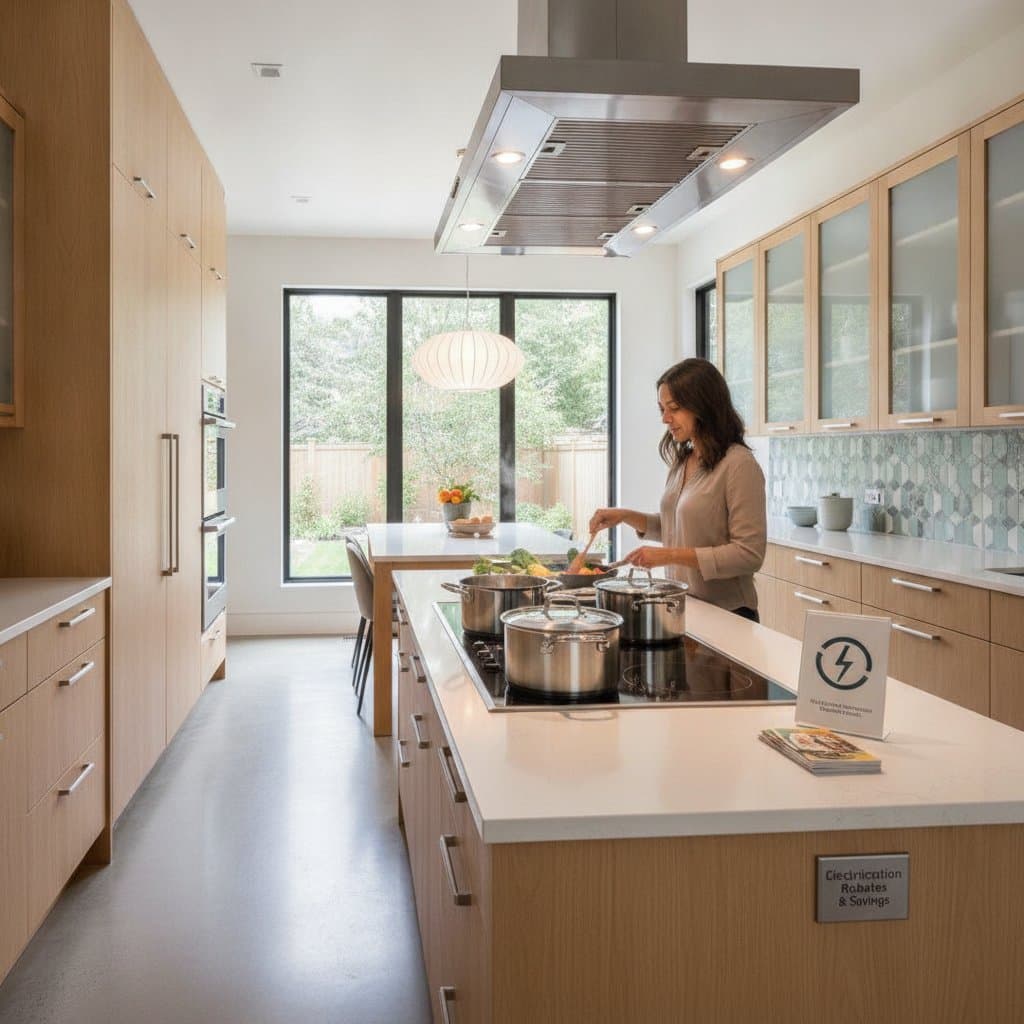
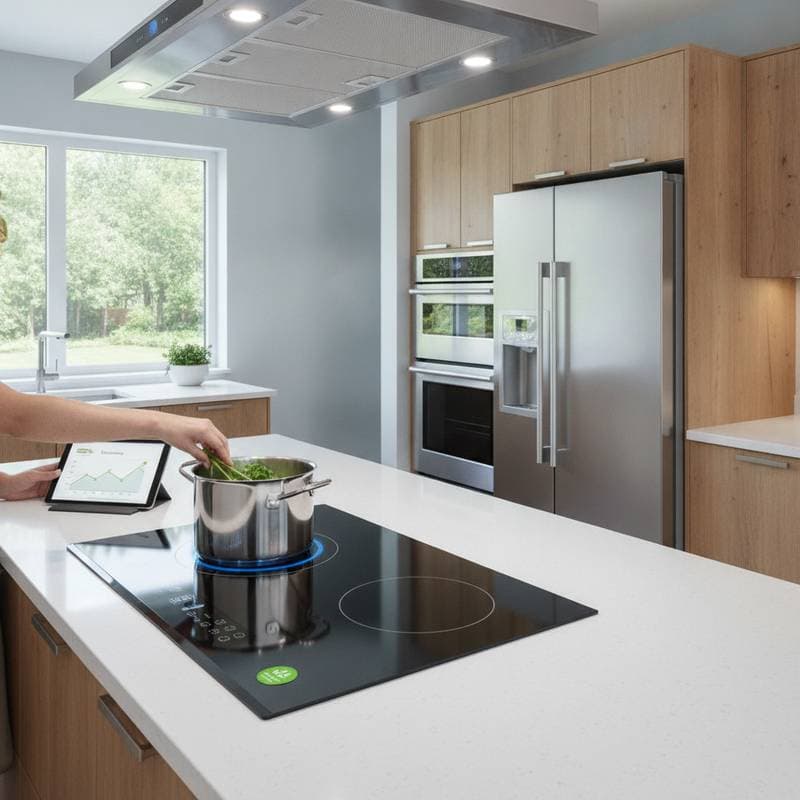
Consult with interior professionals to integrate these surfaces seamlessly. Pair them with energy-efficient appliances for a fully sustainable kitchen. This holistic approach maximizes both form and function.
Embracing Sustainable Design Choices
Recycled glass countertops embody the intersection of beauty and responsibility. They provide enduring performance while advancing environmental stewardship. Homeowners who install these surfaces invest in a healthier planet and a more stylish living environment.
The decision to incorporate recycled materials fosters innovation in home design. Future trends point toward even greater adoption of such eco-solutions. Start your sustainable journey with counters that shine in every sense.