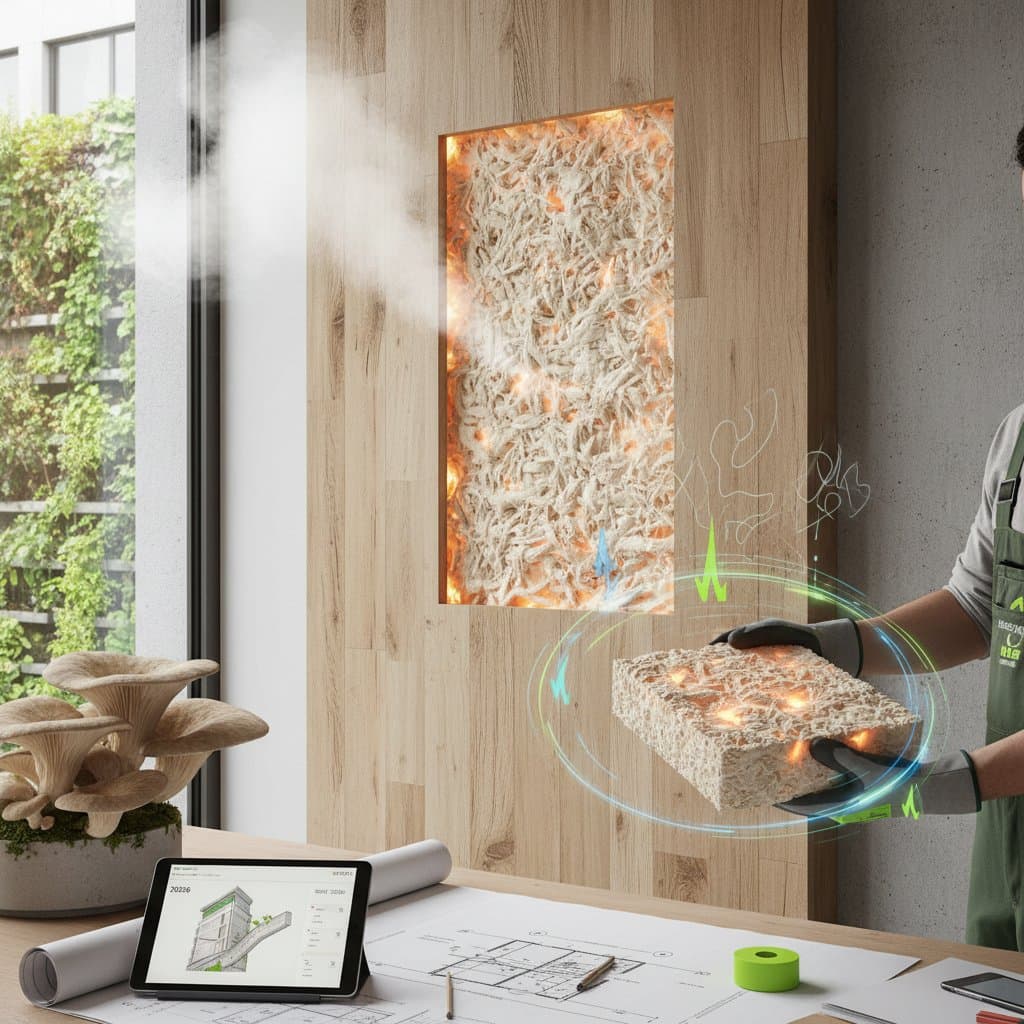
Mushroom Insulation: A Fire-Resistant, Eco-Friendly Revolution
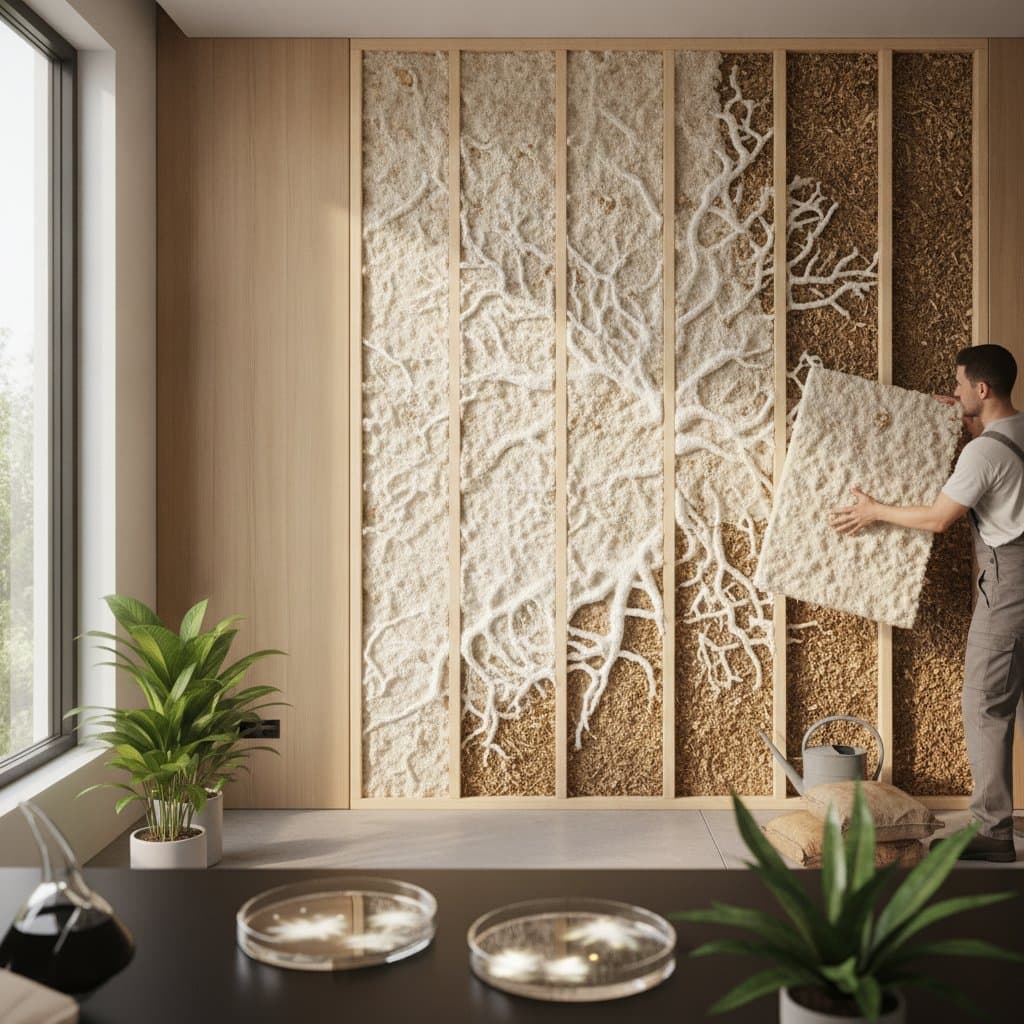
Mushroom-based insulation represents a breakthrough in sustainable building materials. Derived from mycelium, the root-like structure of fungi, this innovative product grows rather than being manufactured in factories. Builders and homeowners alike are turning to it for its natural properties that enhance safety, efficiency, and environmental health.
Traditional insulation options like fiberglass or foam often rely on chemical treatments to achieve fire resistance, but these can release toxins when burned. Mycelium insulation, however, offers inherent fire retardancy without synthetic additives. This makes it a compelling choice for modern construction projects focused on resilience and sustainability.
Understanding Mycelium Insulation
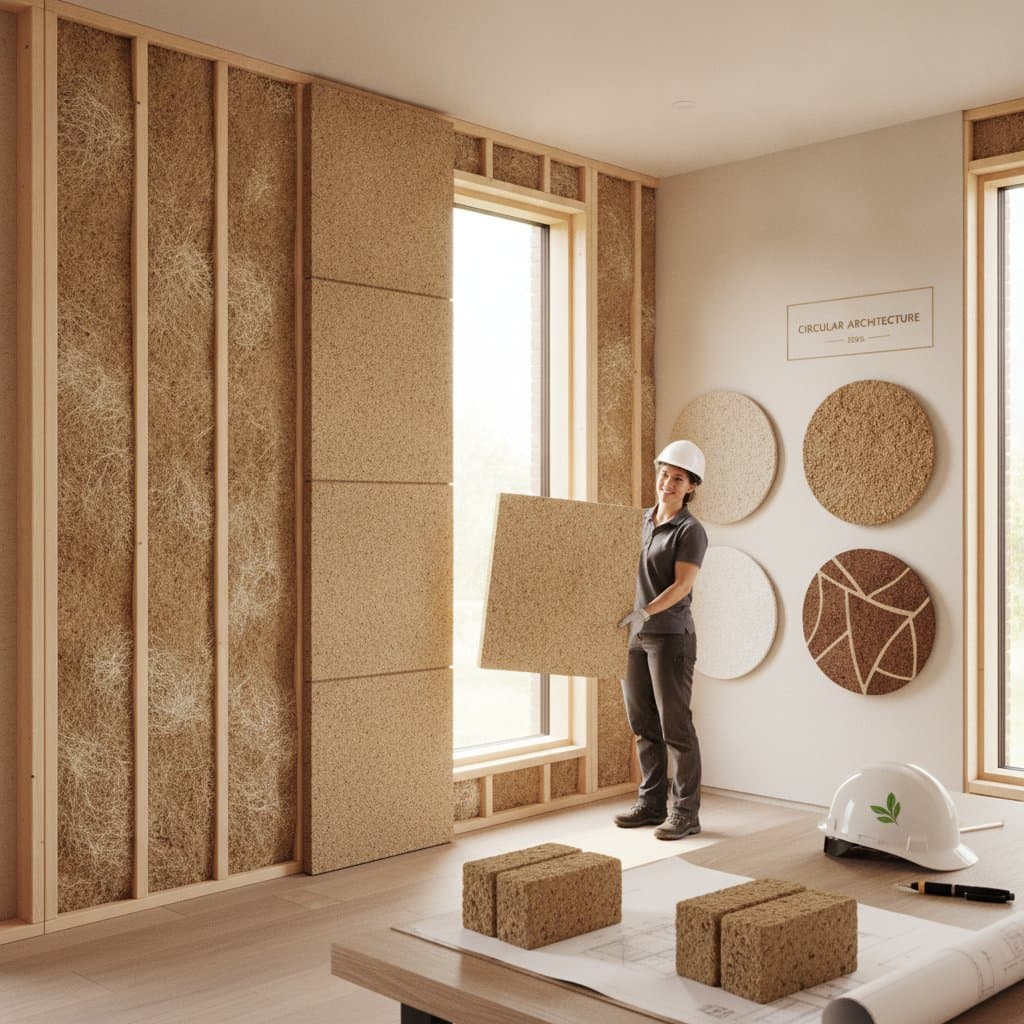
Mycelium insulation begins with fungal spores cultivated on agricultural waste such as corn stalks or hemp hurds. Over several days, the mycelium network binds the substrate into a solid, lightweight panel or block. Once grown, the material is dried and treated minimally to preserve its organic integrity.
This process requires far less energy than producing conventional insulators. Factories growing mycelium operate at ambient temperatures, reducing the carbon footprint associated with high-heat manufacturing. The result is a versatile material suitable for walls, roofs, and even acoustic panels in commercial spaces.
Key characteristics include:
- Density and Strength: Comparable to foam boards, yet fully biodegradable.
- Moisture Management: Naturally repels water while allowing vapor to pass, preventing mold growth.
- Thermal Efficiency: Provides an R-value similar to fiberglass, insulating homes effectively against heat loss.
Fire Safety Advantages
One of the standout features of mycelium insulation is its performance in fire scenarios. When exposed to flames, the material chars rather than igniting, forming a protective barrier that slows fire spread. Independent tests show it meets or exceeds Class A fire ratings, the highest standard for building materials.
Unlike synthetic foams that can melt and drip, contributing to fire hazards, mycelium remains structurally sound under heat. This property is particularly valuable in regions prone to wildfires, where building codes increasingly demand non-combustible components. Homeowners can install it confidently, knowing it enhances overall fire safety without compromising on eco-friendliness.
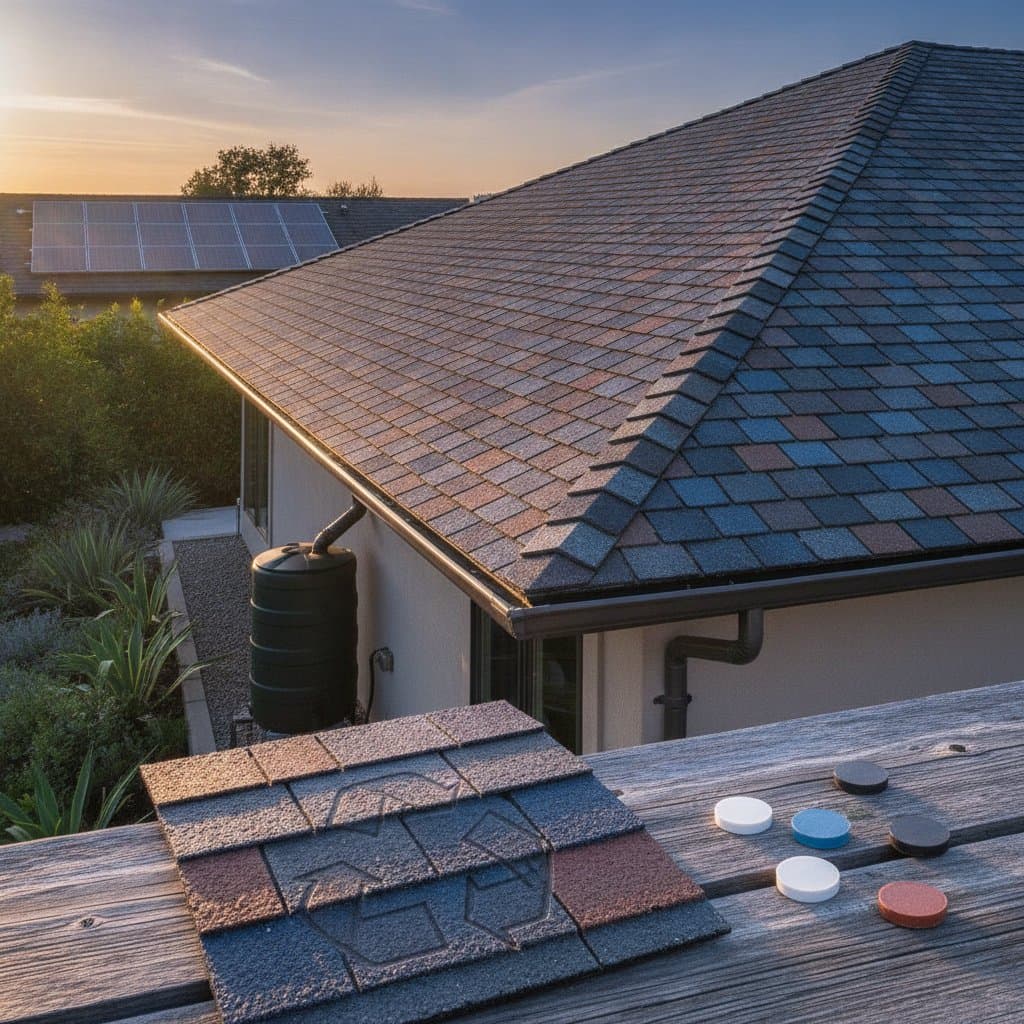
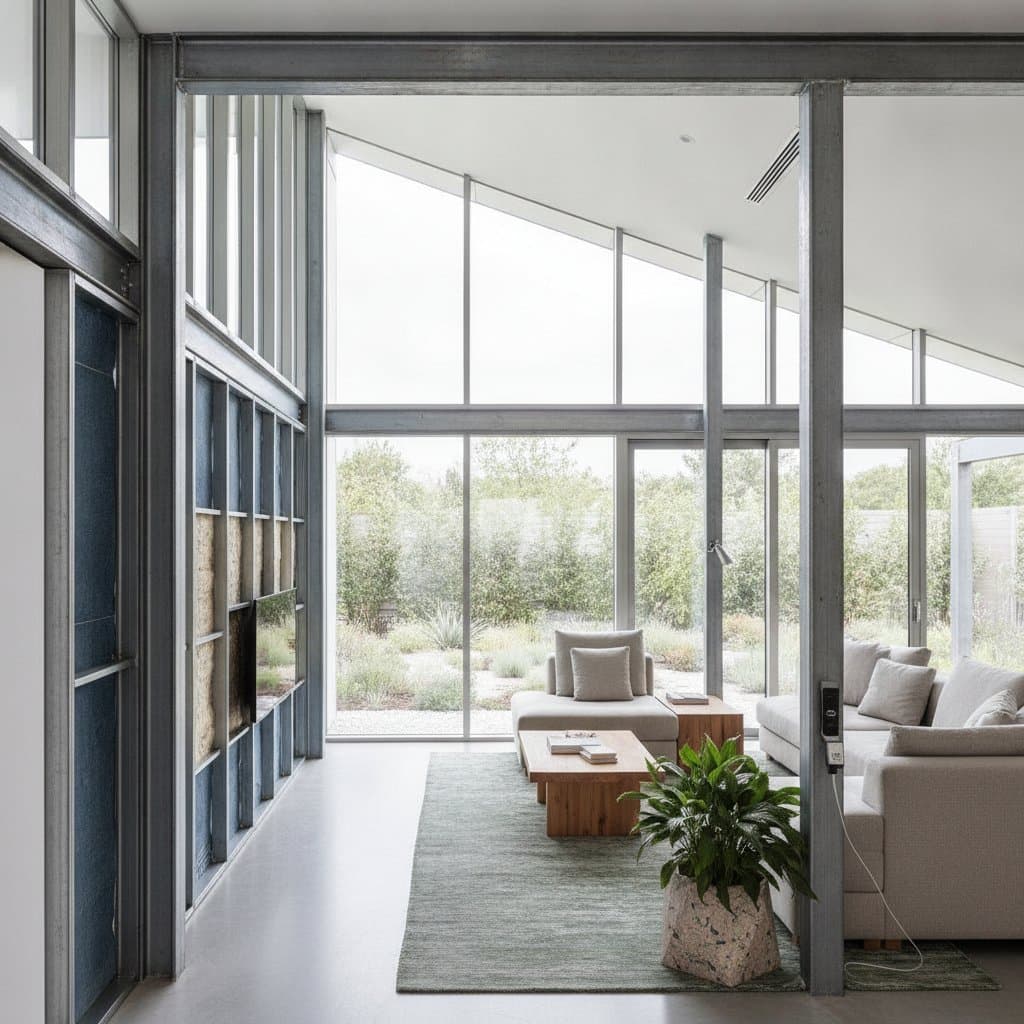
In practical terms, integrating mycelium into a home's framing system creates a buffer zone that buys critical time for evacuation. Architects report that this natural resistance integrates seamlessly with other green features, such as solar panels or rainwater systems.
Environmental and Health Benefits
Beyond fire safety, mycelium insulation supports planetary health by sequestering carbon during growth. Each cubic foot of material locks away CO2, turning waste into a carbon sink. Over the lifecycle of a building, this contributes to lower net emissions compared to traditional options that off-gas volatile compounds.
Indoor air quality improves significantly with mycelium, as it avoids the irritants found in fiberglass, like itchy fibers or formaldehyde. Families, especially those with allergies or respiratory issues, benefit from this cleaner alternative. The material's neutral scent and lack of off-gassing promote a healthier living environment from day one.
Production scalability is advancing rapidly. Companies are expanding facilities to meet demand, which could drive costs down by 30 percent within the next few years. Currently priced at about twice that of standard fiberglass, the investment pays off through energy savings and durability, often lasting 50 years or more without degradation.
Comparing to Traditional Insulation
To evaluate mycelium against common alternatives:
- Fiberglass: Affordable and widely available, but installation requires protective gear due to skin and lung irritation. It lacks inherent fire resistance and decomposes slowly in landfills.
- Spray Foam: Offers superior sealing but expands with petrochemicals, raising environmental concerns. Fire-retardant versions add chemicals that may leach over time.
- Cellulose: Recycled paper-based and eco-friendly, yet it absorbs moisture easily, necessitating treatments that reduce its green credentials.
Mycelium stands out for balancing performance across these metrics. It installs like rigid foam boards, using simple tools and no specialized equipment. Retrofitting existing homes is straightforward, with panels cut to fit between studs or over attics.
Energy modeling shows that switching to mycelium can reduce heating bills by 15 to 20 percent in temperate climates. This efficiency stems from its consistent insulation properties, unaffected by settling or compression over time.
Implementing Mycelium in Your Build
For new constructions, consult certified green builders who specialize in bio-based materials. They can source panels from verified suppliers and ensure compliance with local codes. Start by assessing your project's scale; smaller applications like interior partitions allow testing before full commitment.
Renovation projects benefit from mycelium's adaptability. Remove old insulation carefully, then secure new panels with mechanical fasteners or adhesives compatible with organic surfaces. Professional installation typically costs 10 to 15 percent more upfront but yields rebates through energy-efficient certifications.
To maximize benefits:
- Pair with airtight membranes for optimal performance.
- Monitor humidity levels during the first year to confirm moisture control.
- Document the installation for potential incentives from sustainability programs.
Homeowners report satisfaction with the material's aesthetics, as it can be left exposed for a rustic, natural look or covered seamlessly.
The Path Forward for Sustainable Homes
As mycelium production ramps up, experts predict widespread adoption by 2026. Innovations like mycelium composites with recycled plastics will further enhance durability and affordability. This shift promises safer, greener buildings that align with global efforts to combat climate change.
Choosing mushroom insulation invests in a resilient future. It not only protects against immediate risks like fire but also fosters long-term ecological balance. Builders and residents ready to embrace this living material will lead the way in transformative, planet-friendly architecture.