Key Points
- Hempcrete, a bio-based insulation made from hemp hurds and lime, attracts sustainable builders quickly.
- It sequesters carbon naturally, regulates moisture, and offers durability that exceeds many traditional insulations.
- Local production and easy integration with existing structures make hempcrete a cost-effective, environmentally positive choice.
- Regulatory support and rising demand for carbon-negative materials predict strong growth in the near future.
The Rise of Hempcrete in Green Building
Picture a home that stays cool during humid afternoons and warm on chilly nights. The walls allow air to breathe, control humidity, and improve indoor quality without effort. Homeowners describe this comfort after installing hempcrete insulation. As a green building expert with experience in eco-retrofits, the author sees how this material boosts both living comfort and environmental care.
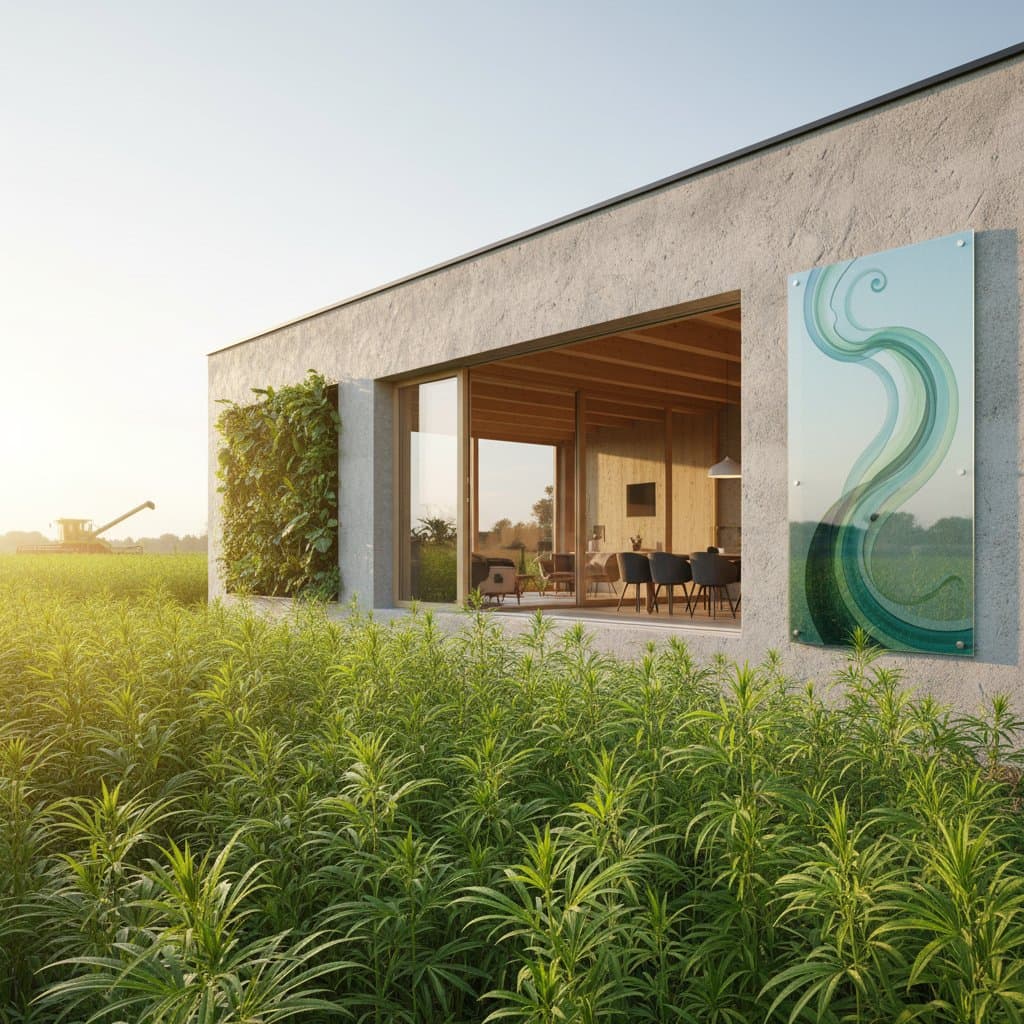
For anyone facing higher energy bills or aiming to lower a home's carbon footprint, hempcrete deserves attention. Production sequesters carbon, uses renewable plants, and supports local farming. In many areas, builders gear up for wider use as technology and rules match market demands.
Reasons Homeowners Choose Hempcrete
Hempcrete appeals for its resilience as much as its sustainability. Traditional insulations such as fiberglass or foam break down over time, trap moisture, or release microplastics. Hempcrete creates a breathable barrier that enhances air quality and keeps temperatures steady without added systems.
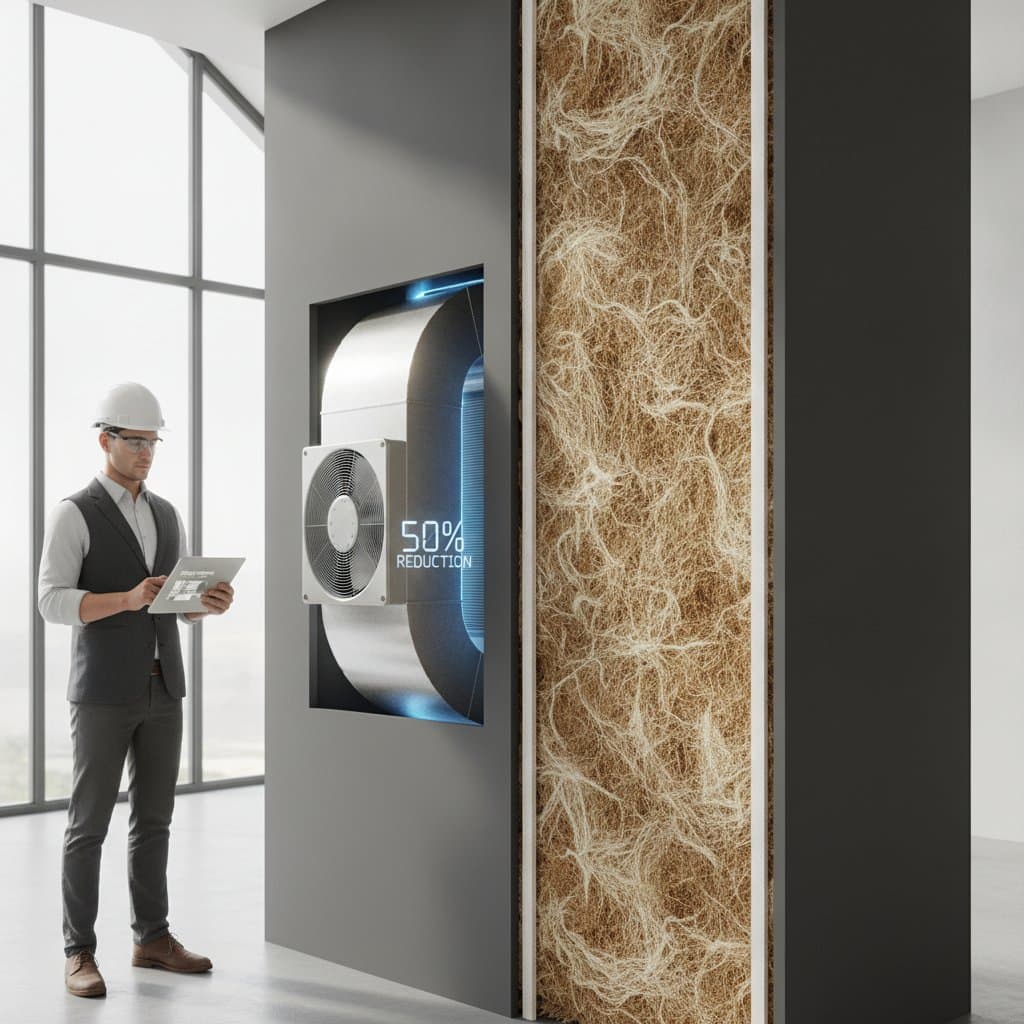
Homeowners seek materials that provide environmental and economic gains. Hempcrete achieves this by cutting heating and cooling needs by 30 to 50 percent. It also locks away carbon for decades.
Environmental Advantages
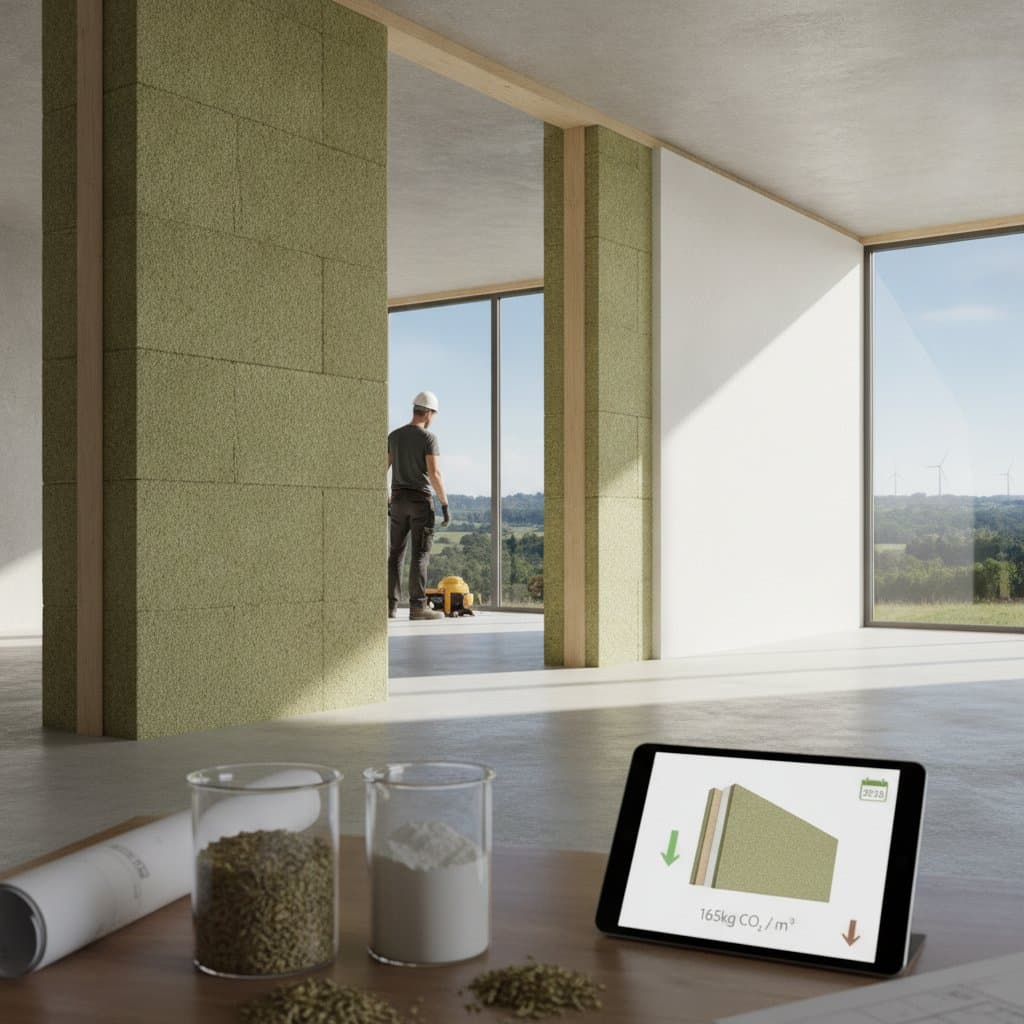
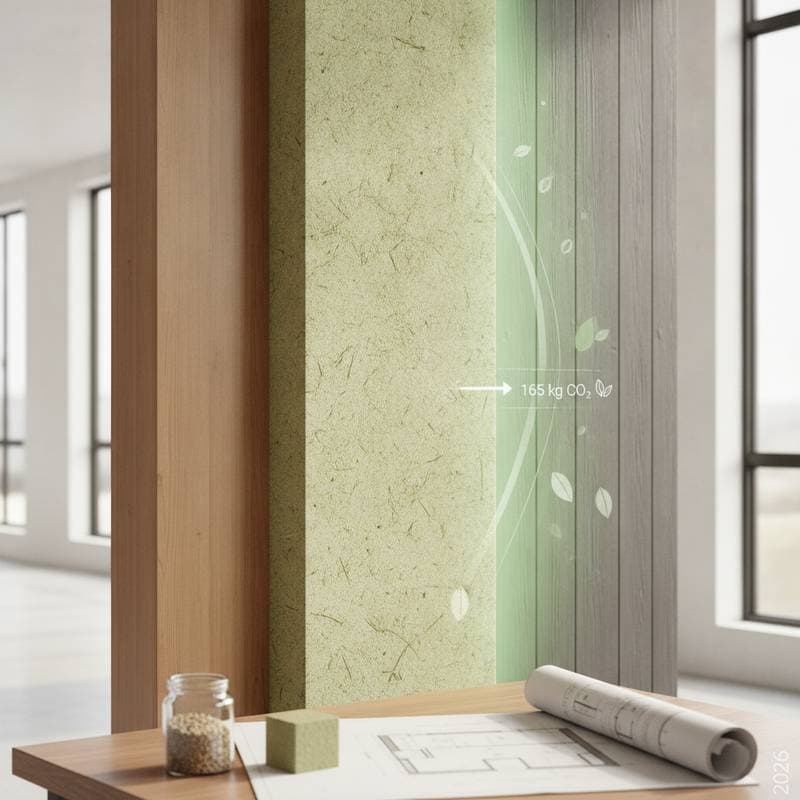
Hemp, the main ingredient in hempcrete, grows fast with minimal water and no need for synthetic fertilizers. One hectare absorbs several tons of carbon dioxide during its short cycle. When combined with lime, the mixture continues to capture carbon as it cures, turning walls into ongoing carbon stores.
Sustainability consultant Alicia Moreno explains, "Hempcrete is one of the few materials that actively reduces a building's carbon footprint, not just minimizes it." These features position hempcrete as a key player in moving toward bio-based building methods.
How Hempcrete Functions
Hempcrete forms by mixing hemp hurds from the plant's inner stalk, a lime binder, and water. The result is a light, porous material ideal for pouring into wall molds or forming into blocks.
Science of Its Performance
- Thermal Regulation: Hempcrete has strong thermal mass. It absorbs heat slowly and releases it evenly, keeping indoor temperatures stable despite outdoor changes.
- Moisture Management: The structure permits vapor to pass through. It absorbs extra humidity and releases it when conditions shift, reducing mold and supporting clean air.
- Fire Resistance: The lime binder makes hempcrete fire-resistant, unlike many plant-based insulations that burn easily.
- Sound Absorption: Fibers within the material reduce noise, creating calmer indoor areas.
Hempcrete supports a home's overall system. It works well with natural airflow, sunlight designs, and efficient appliances to build balanced spaces.
Strategies for Adding Hempcrete Walls
Projects using hempcrete adapt to building style, weather, and funds. These strategies, based on expert consultations, optimize results and worth.
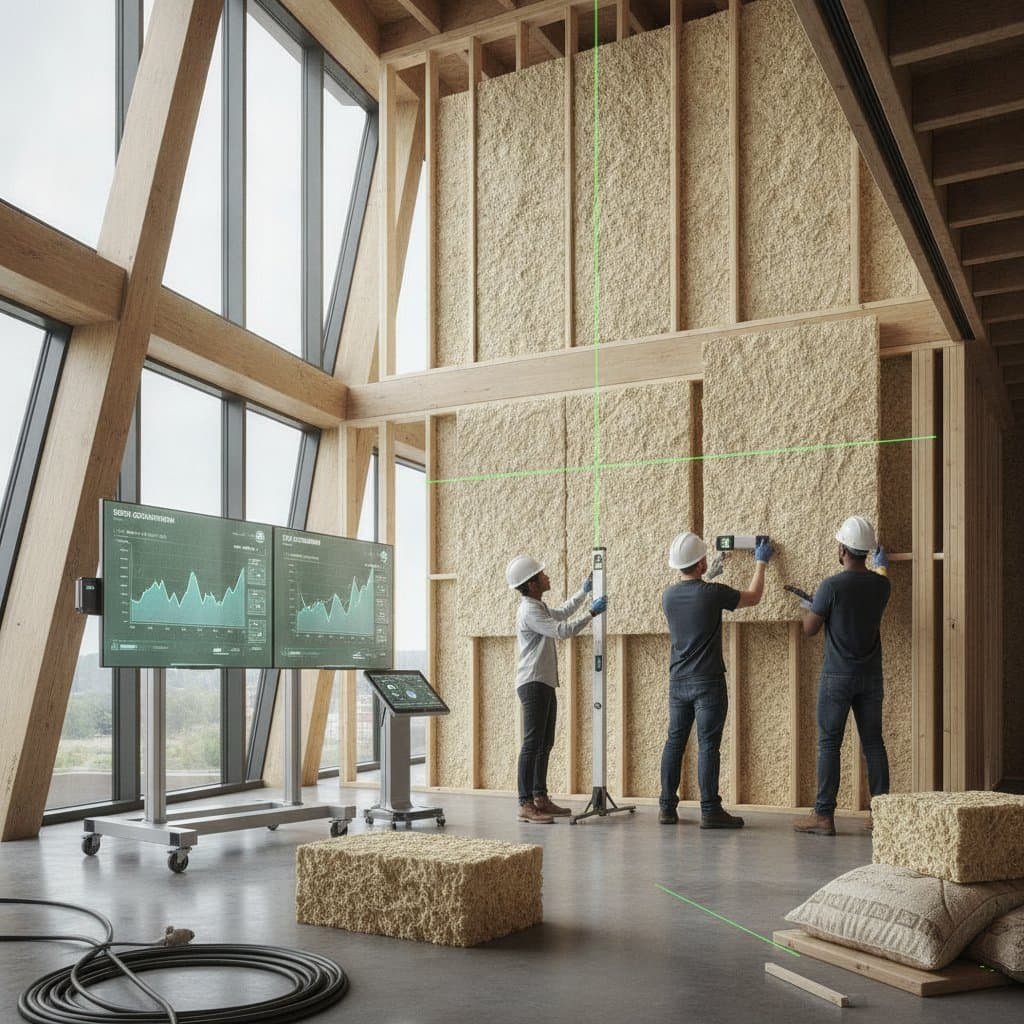
1. New Construction: Cast-in-Place Walls
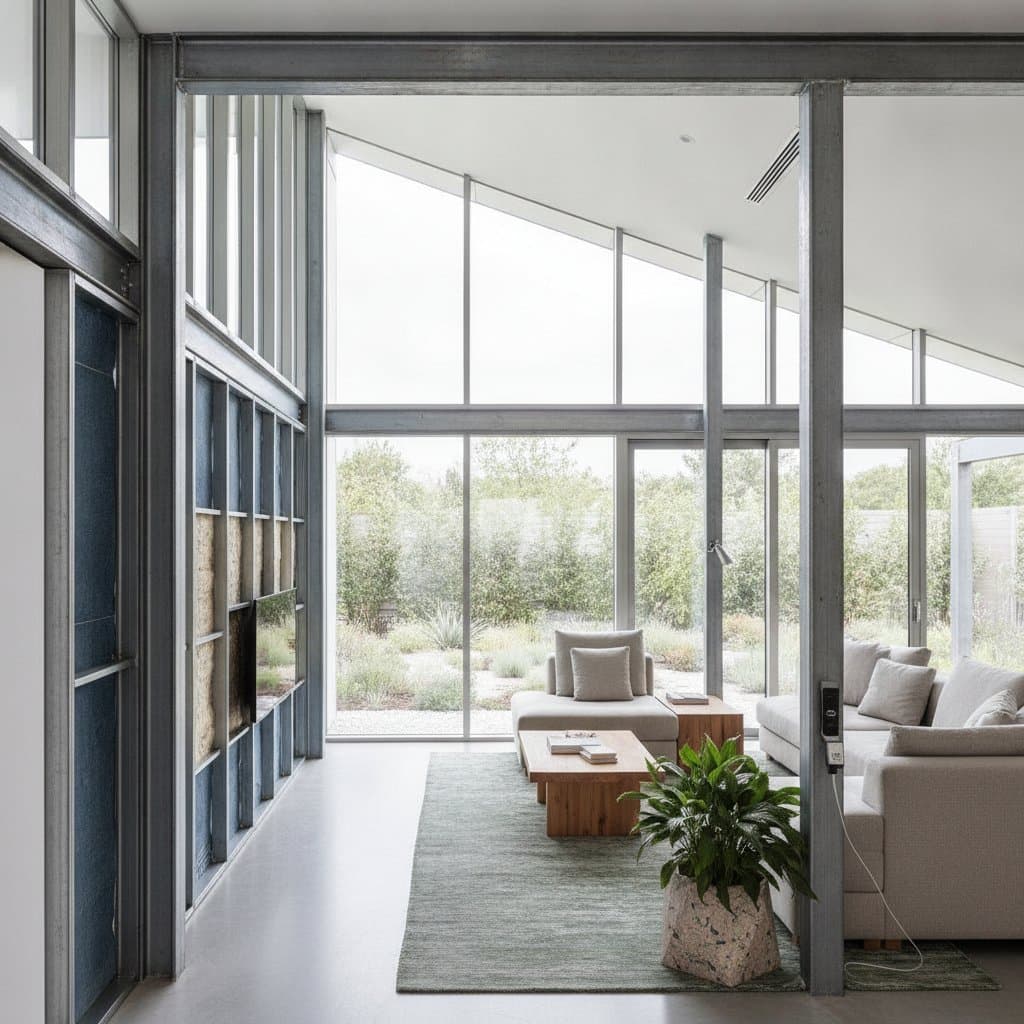
- Approach: Pour the mix into forms around a timber or steel frame.
- Advantages: Provides full, sealed coverage with less heat loss at joints.
- Timeframe: Adds two to three weeks for curing.
- Costs: Expect $180 to $250 per square meter, depending on local materials.
2. Retrofits: Panels or Infill Applications
- Approach: Use pre-made panels or spray hempcrete between studs in existing walls.
- Advantages: Fits updates to older homes without full demolition.
- Timeframe: Finishes in one to two weeks for typical homes.
- Costs: Ranges from $120 to $200 per square meter, varying by depth and finishes.
3. Hybrid Approaches: Combining Materials
Pair hempcrete with items like wood fiber or cellulose for better outcomes in extreme weather. Use vapor-open finishes such as lime plaster or clay to enhance function and appearance.
Tips for Greater Home Efficiency
- Choose local hemp sources to lower shipping emissions and help nearby farmers.
- Use natural plasters like lime or clay to maintain airflow and prolong carbon storage.
- Add design features such as placed windows and shades to make use of hempcrete's heat storage.
- Plan for curing time to ensure solid structure without gaps.
- Hire specialists skilled in mixing and packing for best results.
Key Factors Before Starting
Success with sustainable choices requires planning. Hempcrete offers clear gains, but application must fit the site.
Costs and Payback
Initial costs exceed standard insulation, yet savings on energy and upkeep recover the investment in 7 to 10 years. Incentives for low-carbon materials improve returns in various regions.
Many clients see 40 percent drops in annual energy bills after updates. With over 50 years of life and little wear, it provides long-term value.
Codes and Standards
Rules vary by area, but acceptance of hempcrete as insulation grows. Projects aiming for LEED or BREEAM earn points for renewable makeup, low energy use, and better air.
Consultant James Liu observes, "Code bodies adopt hempcrete quickly as a reliable, effective option."
Document sources, binders, and curing for approval and credits.
Lifecycle Effects
Hempcrete stays carbon-negative throughout use. At the end, it breaks down into soil enhancer without harm, adding nutrients unlike plastics.
Upkeep and Durability
Maintenance stays simple. Check for water or splits now and then. Its humidity control protects surfaces, cutting repaint or fix needs.
Future of Hempcrete Use
Several forces drive hempcrete forward. Global hemp farming expands supply. Studies from research centers offer solid data, increasing trust among designers.
Local groups build sample homes to show potential. Each effort adds proof and interest.
Prefabs bring the next step. Ready panels allow fast setup and steady quality, drawing large-scale builders to bio-options.
Climate-Specific Strengths
- Humid Areas: Breathability prevents moisture buildup and mold.
- Cold Zones: Heat retention lowers fuel use.
- Hot, Dry Places: Steady temperatures reduce air conditioning.
Hempcrete fits many settings with flexibility.
Starting Your Hempcrete Project
Move from interest to action with these steps.
- Conduct an energy review to find weak spots and best uses for hempcrete.
- Partner with a green builder versed in bio-materials. Platforms connect to trusted local experts focused on sustainability.
- Get full quotes for casting versus panels, covering finishes and schedules.
- Check loans or rebates for eco-friendly builds.
- Schedule work in mild weather for proper curing.
This approach delivers real comfort and lasting green gains.
Enduring Gains from Hempcrete
Hempcrete blends into everyday life smoothly. Users notice fewer temperature swings, fresher air, and built-in calm compared to man-made options. The faint lime scent fades, leaving reliable green living.
Clients compare it to living in a home that responds naturally. Hempcrete goes beyond insulation; it shows dedication to the planet, local support, and smart planning. Choose it to improve your space and build stronger communities, better farms, and stable tomorrows. Reach vetted experts via platforms for free quotes and custom plans.
Frequently Asked Questions
Q: How long does hempcrete take to cure fully?
A: Hempcrete is ready for finishes in two to three weeks, based on moisture and warmth. Full carbonation, which locks in carbon dioxide, develops over months, building strength steadily.
Q: Can hempcrete work in every climate?
A: Yes. Its handling of moisture fits wet or dry areas. In very cold spots, extra barriers help performance.