Key Points
- Hempcrete walls sequester more carbon than the material emits during production, resulting in homes that actively reduce atmospheric carbon.
- Well-designed hempcrete insulation improves indoor comfort and energy efficiency, which lowers long-term costs for heating and cooling.
- Hemp cultivation in nearby regions combined with local lime sourcing positions hempcrete as a low-impact option for environmentally aware homeowners.
- Professional guidance ensures hempcrete construction complies with building codes and supports verifiable carbon sequestration targets.
The Quiet Revolution of Carbon-Sequestering Walls
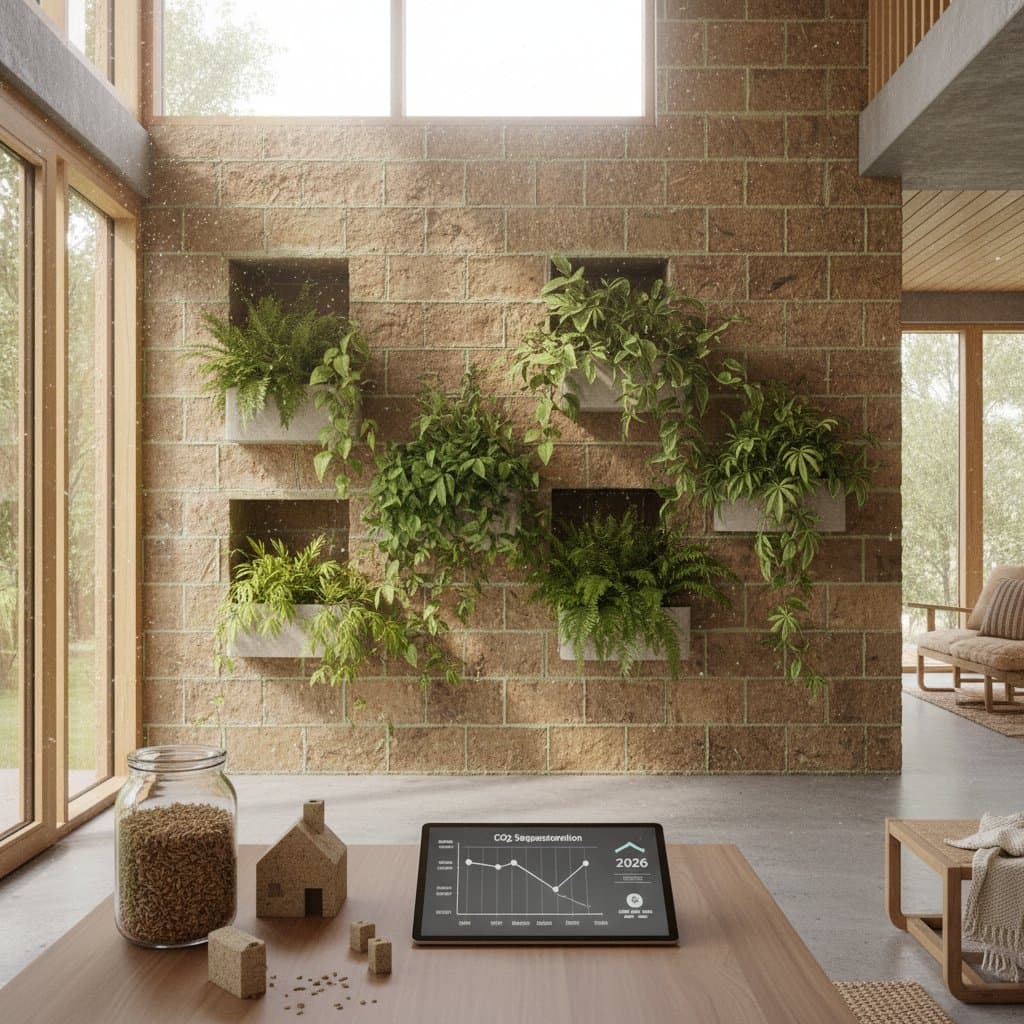
Imagine entering a home where walls regulate humidity naturally, air remains fresh, and the building sequesters carbon from the atmosphere. As a green building professional, I have observed homeowners grapple with achieving balance among comfort, expense, and environmental responsibility. Many believe carbon neutrality lies beyond practical reach, but bio-based innovations such as hempcrete challenge that view.
For those confronting escalating energy expenses or contemplating renovations focused on sustainability, hempcrete presents a significant advancement. This plant-derived material enables homes that surpass energy efficiency to attain true carbon negativity.
Understanding Hempcrete and Its Carbon-Sequestering Properties
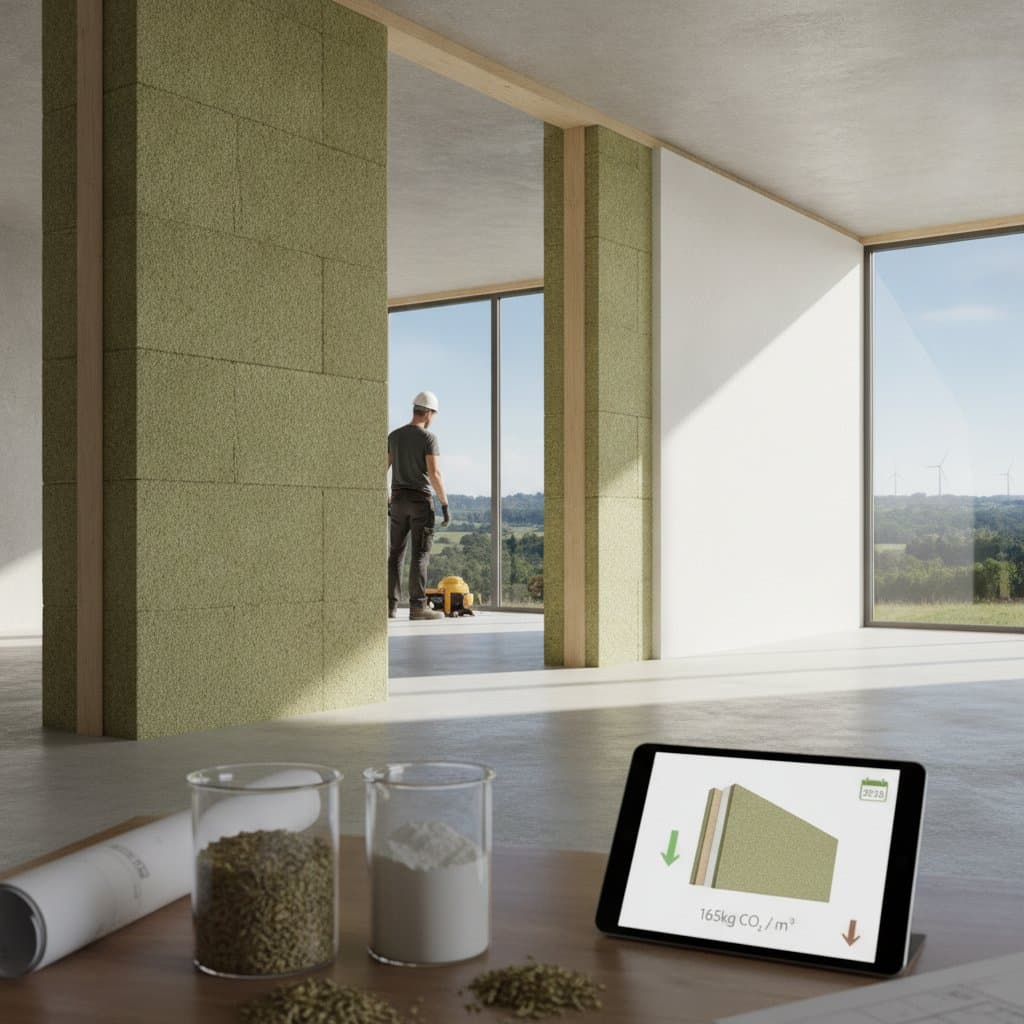
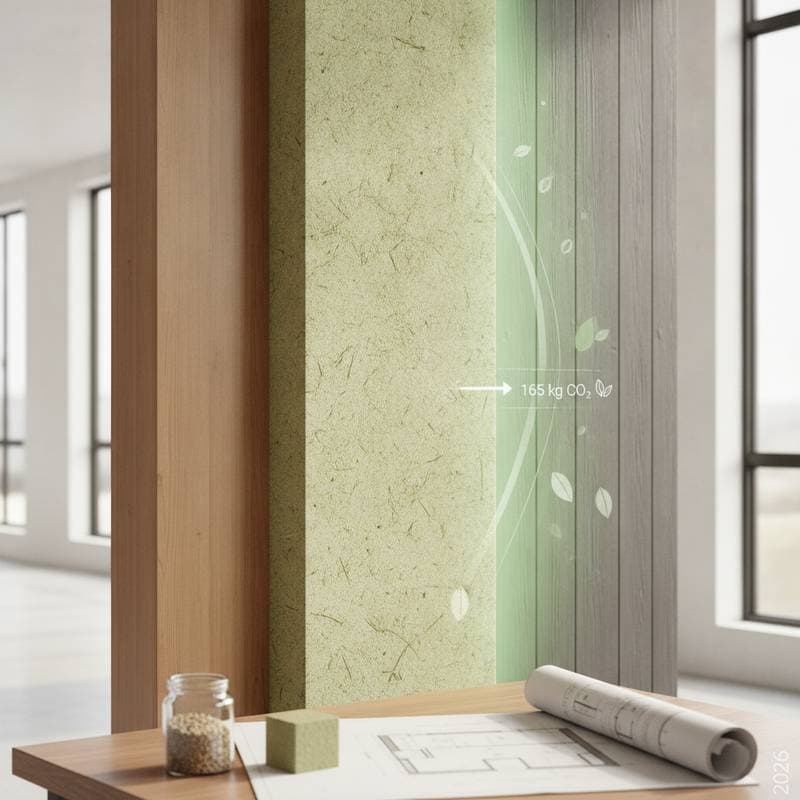
Hempcrete consists of hemp hurd, the inner woody portion of the hemp plant stalk, combined with a lime binder and water. These components form a lightweight, vapor-permeable, and superior insulating substance. The process hinges on chemical carbonation during lime curing, which draws in carbon dioxide and incorporates it permanently into the wall.
The hemp itself absorbs carbon through photosynthesis in its fast-growing phase, ensuring the completed wall serves as an ongoing carbon repository. Based on extensive field experience, one cubic meter of hempcrete sequesters approximately 100 to 165 kilograms of carbon dioxide, varying by mixture proportions and curing environment. Thus, each wall functions as a dynamic carbon sink rather than an emission contributor.
Limitations of Conventional Materials
Standard insulation options like fiberglass or foam boards impose substantial carbon burdens through energy-intensive production and synthetic additives. These materials trap heat effectively but fail to aid in restoring atmospheric equilibrium over time. Hempcrete, however, initiates carbon capture via plant growth and continues sequestration post-construction, allowing substitution of polluting alternatives with restorative ones.
Expert Strategies for Hempcrete Construction
1. Design for Breathability and Thermal Performance
Hempcrete excels in designs that permit vapor movement. It manages moisture levels organically and averts condensation buildup, essential in humid areas or locations with extreme temperature variations. Consider it a responsive barrier that sustains consistent indoor conditions.
- Select permeable paints and avoid barriers that restrict airflow.
- Integrate hempcrete with lime plaster finishes to maximize vapor permeability.
- In diverse climates, add exterior shading and ventilation paths to enhance hempcrete's thermal mass benefits.
2. Prioritize Local Material Sourcing
I advise partnering with regional suppliers for hemp growth and processing. This approach minimizes transport-related emissions and aligns the material with local weather patterns. Numerous hempcrete specialists now partner with farming networks to establish reliable, community-based supply lines.
3. Integrate Renewable Energy Solutions
To create the most efficient low-carbon residence, combine hempcrete walls with solar photovoltaic systems or ground-source heat pumps. Hempcrete's insulating qualities decrease energy requirements by roughly 30 percent, permitting more compact and cost-effective renewable installations to satisfy daily demands.
4. Address Structural Requirements
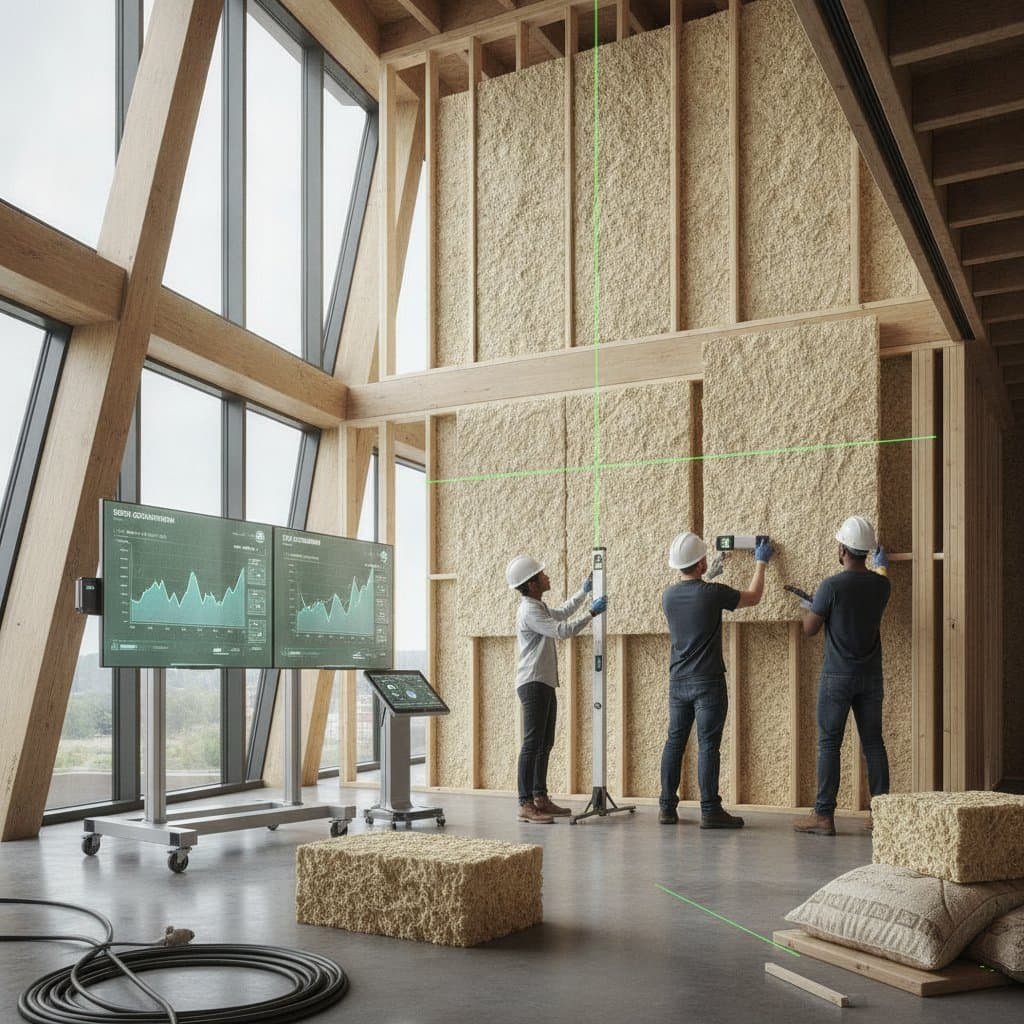
Hempcrete requires a supporting frame, typically timber or metal, as it does not bear loads independently. Success depends on adequate curing periods and appropriate wall thickness. Configurations of 10 to 16 inches deliver strong insulation values, approximately R-2.5 per inch, alongside reliable structural integrity.
Essential Guidance for Homeowners
Cost Analysis and Long-Term Value
Hempcrete wall systems, encompassing framing and surface treatments, generally range from $150 to $200 per square foot. Although initial outlays exceed those of standard construction, extended benefits shift the equation. Heating and cooling expenses may decline by 20 to 40 percent, while the material's longevity reduces upkeep needs.
Hempcrete demonstrates resistance to insects, fungal growth, and flames, which decreases ongoing costs and potential insurance rates. Across 20 years, overall ownership expenses often match or fall below those of traditional methods.
Navigating Regulations and Certifications
Sustainability certification frameworks increasingly validate hempcrete for advancing carbon-neutral goals. Projects seeking LEED accreditation gain credits for reduced embodied carbon and bio-renewable elements. Confirm local code compliance for hemp composites, as certain jurisdictions demand supplementary engineering reports.
Health and Ecological Advantages
Free of toxins and volatile organic compounds, hempcrete fosters exceptional indoor air quality, which residents often perceive right away. The natural aroma from lime and hemp fibers fosters a deeper bond with the environment, underscoring residence within a regenerative system.
Steps to Implement Hempcrete
Begin your hempcrete project with a comprehensive energy audit to pinpoint insulation gaps and target high-impact areas. Consult contractors versed in bio-materials to oversee curing and humidity management during installation.
Connect with certified green building experts via established networks for tailored design, budgeting, and permitting support. Early planning accelerates the transition to walls that actively sequester carbon.
In my professional experience, hempcrete reshapes both residences and perspectives on sustainability. Homeowners who experience reduced utility costs and naturally ventilated interiors commit to this approach. Hempcrete represents forward-thinking construction, where edifices contribute to ecological restoration instead of depletion.
Frequently Asked Questions
Q: How long does hempcrete require for curing before applying finishes?
A: The process spans four to six weeks, influenced by local weather and moisture levels. Enhanced ventilation speeds carbonation and fortifies the structure.
Q: Is it possible to add hempcrete panels to existing walls during retrofits?
A: Yes, prefabricated panels attach to current frameworks, suiting targeted upgrades or efficiency improvements without complete rebuilds.