Key Points
- Hempcrete is a bio-based insulation material made from hemp hurd, lime, and water. It gains attention for fire resistance and carbon sequestration.
- The material delivers thermal performance comparable to traditional options while improving indoor air quality and durability.
- Initial costs run higher than standard insulation. Long-term savings from energy efficiency and reduced maintenance often offset the investment.
- Hempcrete walls lock carbon into the building envelope and provide natural humidity control.
A New Kind of Cool: When Fire Meets Fiber
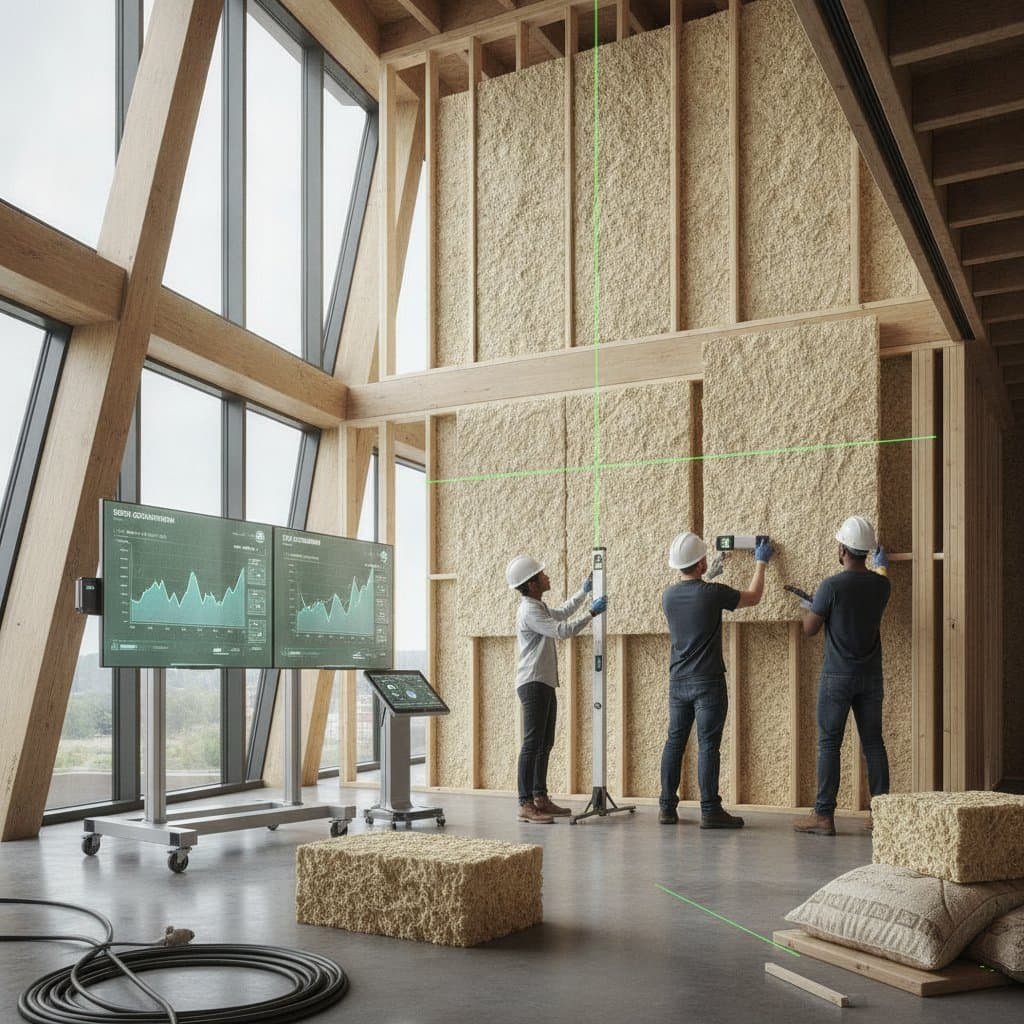
A home with walls that breathe, regulate temperature, and resist fire sounds futuristic. Hempcrete makes this possible today. The material combines hemp hurd, lime binder, and water to form a tough, breathable insulation layer rather than traditional concrete.
Architects and builders choose hempcrete because it addresses multiple challenges at once. It insulates effectively, resists mold and pests, and sequesters carbon dioxide during curing. The material also withstands fire exposure better than many conventional options.
Why Hempcrete Matters for Modern Homes
Homeowners seek comfort, safety, and durability without environmental harm. Traditional insulation such as fiberglass often relies on petrochemicals and can emit volatile compounds. Hempcrete avoids these issues as a renewable, non-toxic alternative.
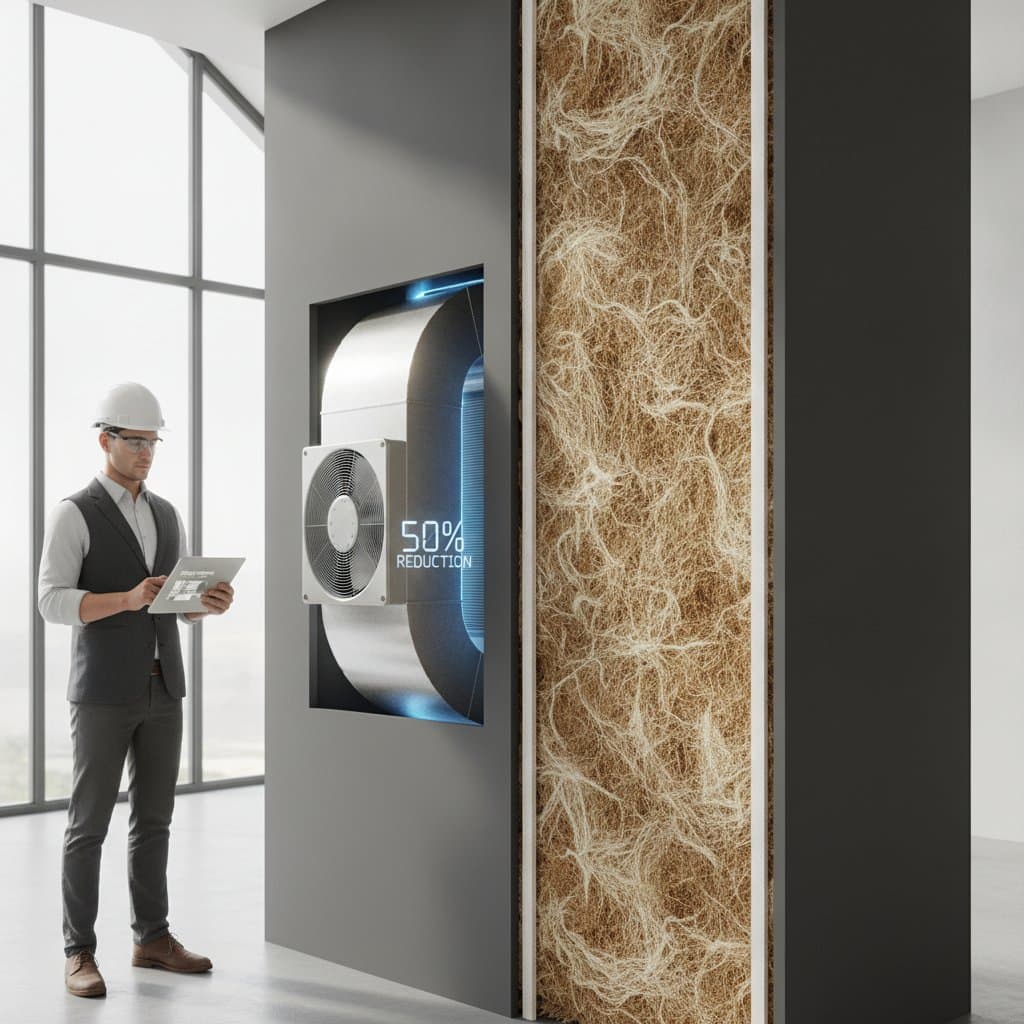
Upfront costs range from moderate to high based on labor and material sourcing. Once installed, the material provides thermal mass that stabilizes indoor temperatures. This stability can reduce heating and cooling demands by up to 30 percent.
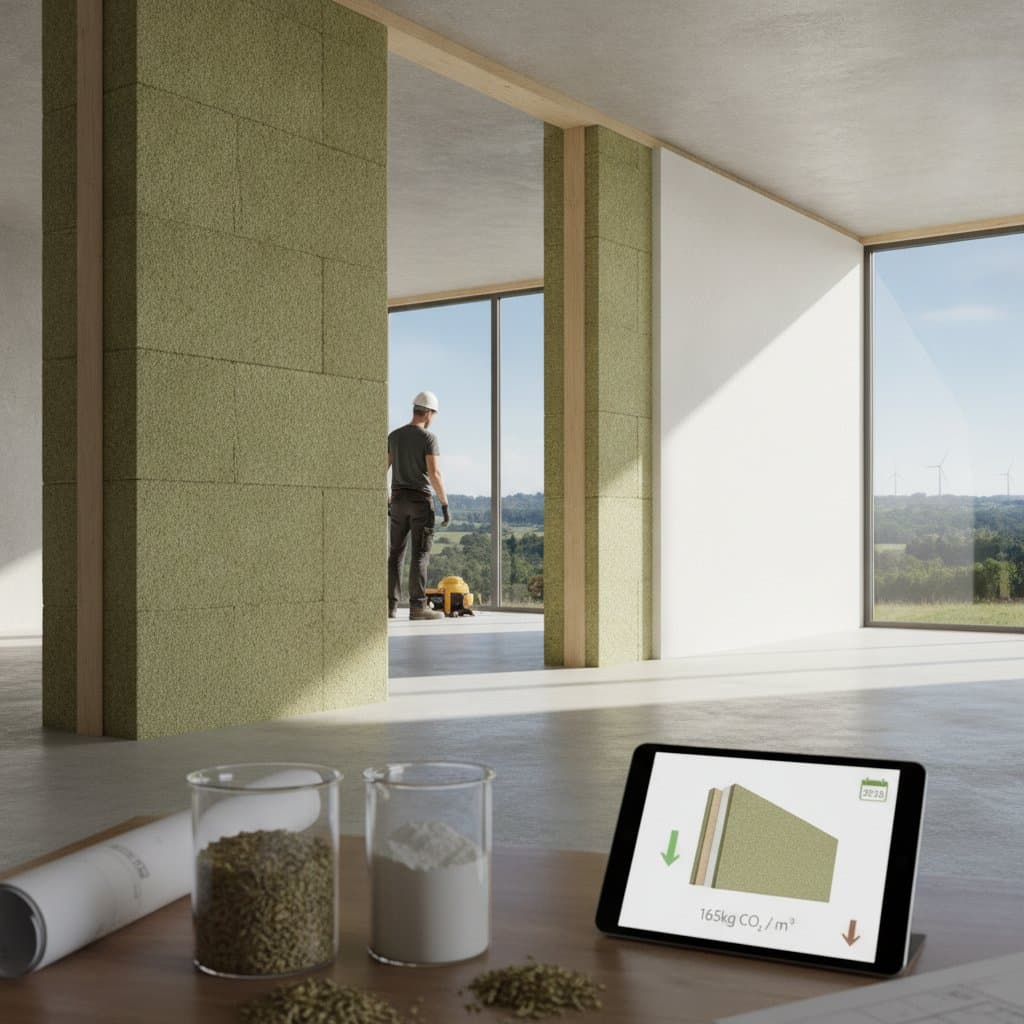
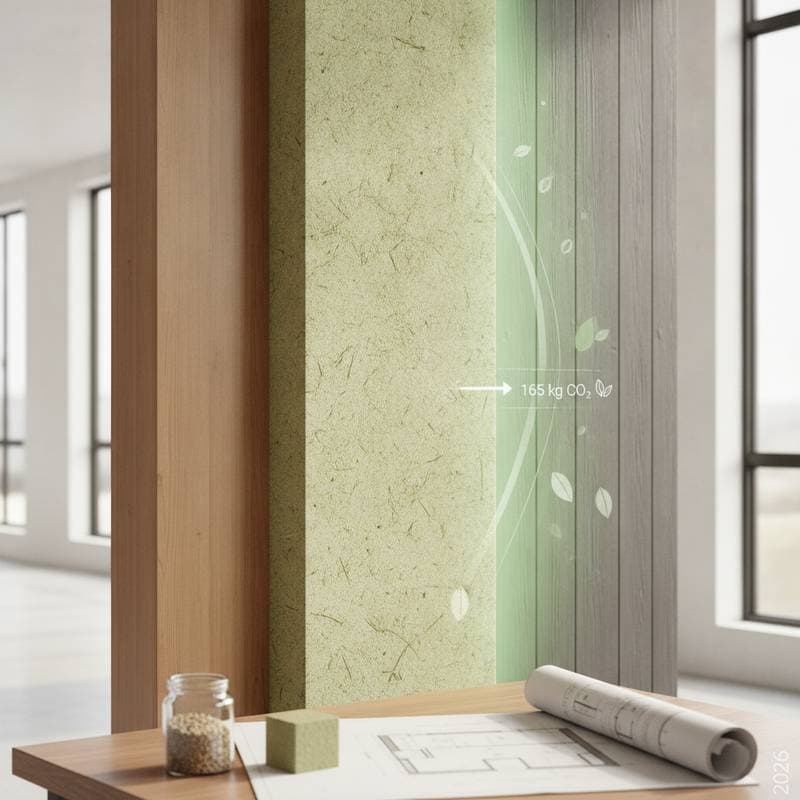
Hempcrete qualifies as carbon-negative. Hemp plants absorb substantial carbon dioxide during growth. Construction locks that carbon inside walls for decades, unlike production methods that release emissions.
Key Considerations for Planning
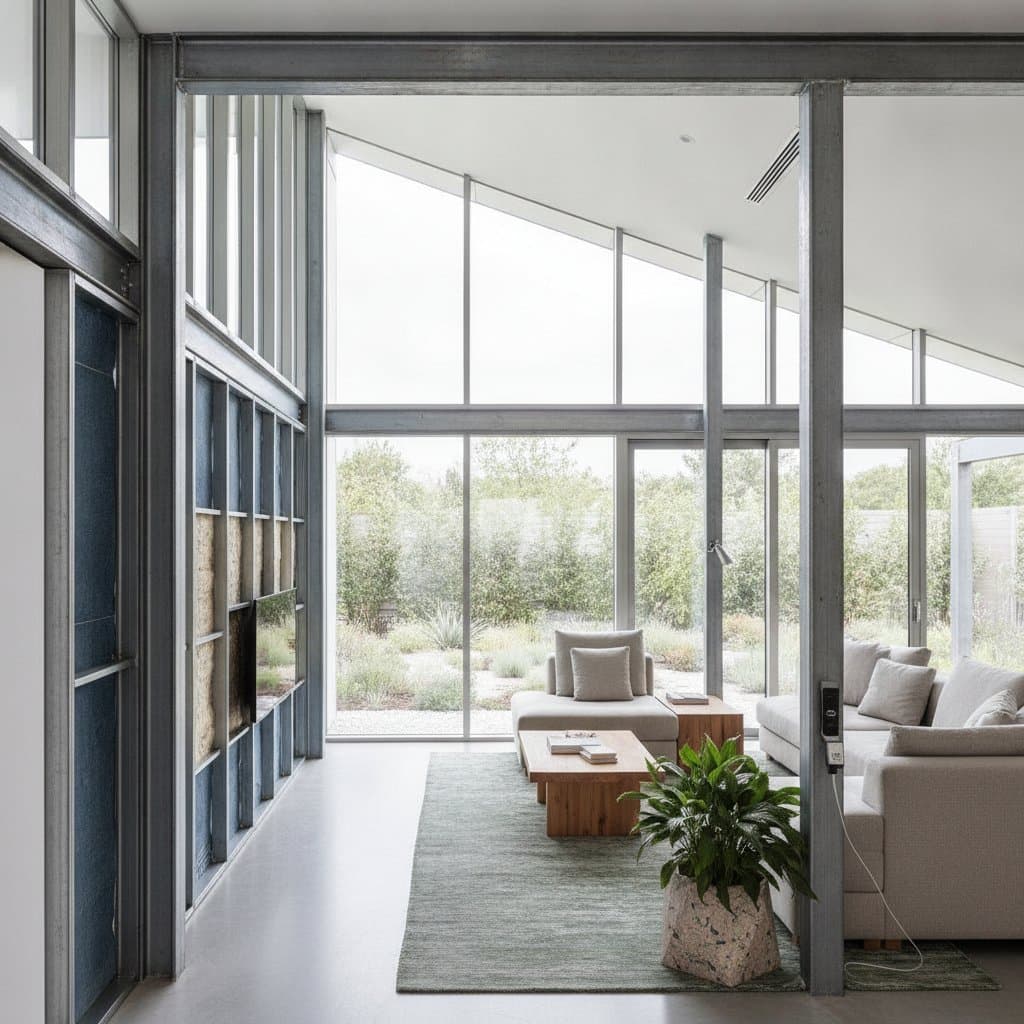
Hempcrete does not bear structural loads. Projects require a supporting frame of timber or steel. Homeowners should address several factors before construction begins.
- Structural compatibility: Design the frame to carry roof and floor loads before adding hempcrete.
- Moisture control: Detail windows and foundations carefully to block water while allowing vapor permeability.
- Curing time: Allow extended drying periods so the material reaches full strength.
- Code compliance: Verify local regulations early, as acceptance of hempcrete varies by region.
Cost Breakdown and ROI Analysis
Hempcrete construction typically costs more than fiberglass or mineral wool due to the lime binder and specialized labor. Energy reductions and low maintenance provide offsetting savings.
- Upfront cost: Higher than conventional insulation materials.
- Energy savings: Heating and cooling expenses can drop by up to 30 percent.
- Longevity: Walls last decades longer than synthetic alternatives with proper care.
- Resale value: Sustainable features increase appeal in eco-conscious markets.
Over the building lifetime, hempcrete often delivers positive returns, especially when paired with solar panels or heat recovery systems.
Fire Resistance and Safety Advantage
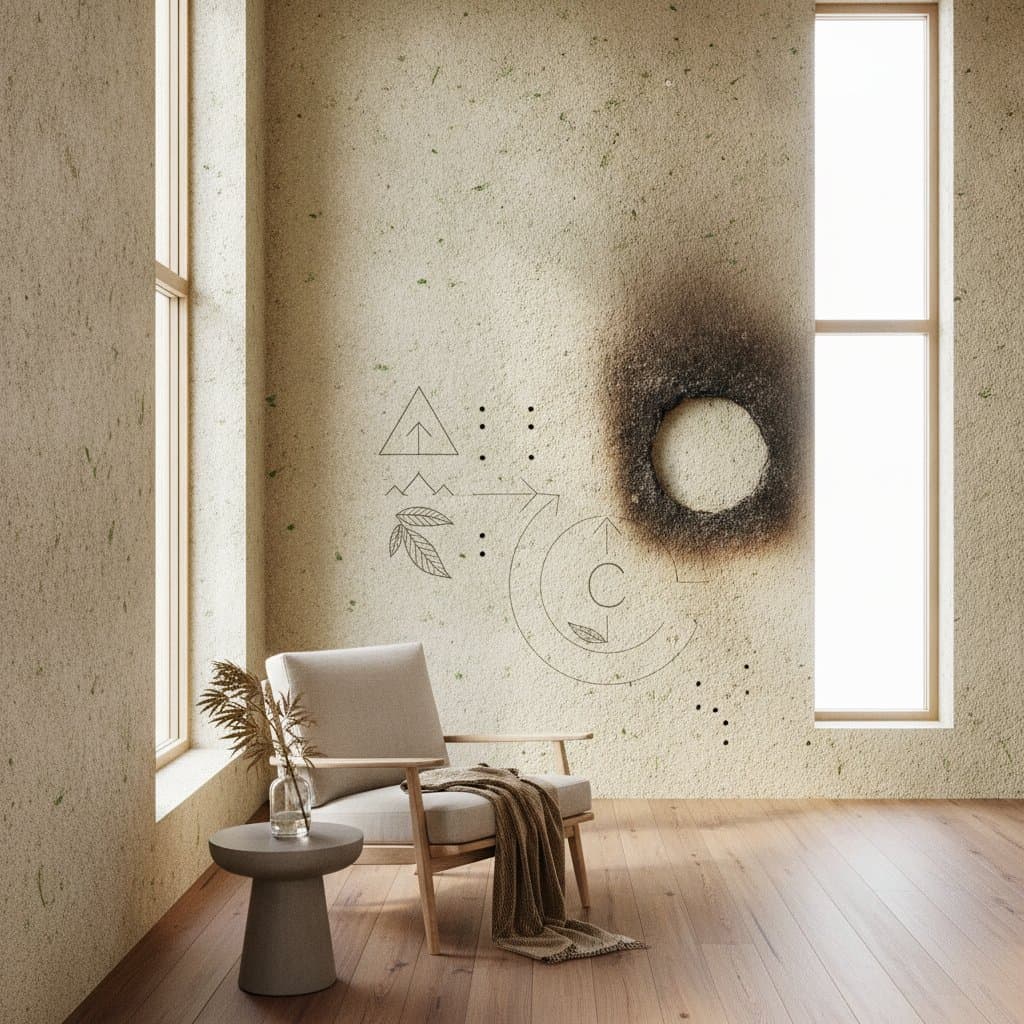
Hemp hurd becomes mineralized when mixed with lime and water. The resulting material resists ignition and withstands direct flame for extended periods. It forms a protective char layer instead of burning through.
No toxic fumes are released during heat exposure. This property supports safer indoor conditions during fire events.
Sustainable Features and Efficiency Gains
Hempcrete supplies natural sound insulation and humidity regulation. Moisture absorption and release prevent condensation and mold. The material continues to carbonate over time, gaining strength while sequestering additional carbon.
Practical Next Steps
Homeowners ready to proceed should consult local builders experienced with hempcrete. Early coordination with architects ensures proper framing and detailing. This approach yields homes that maintain comfortable conditions, lower operating costs, and provide strong fire performance for years ahead.