Key Points
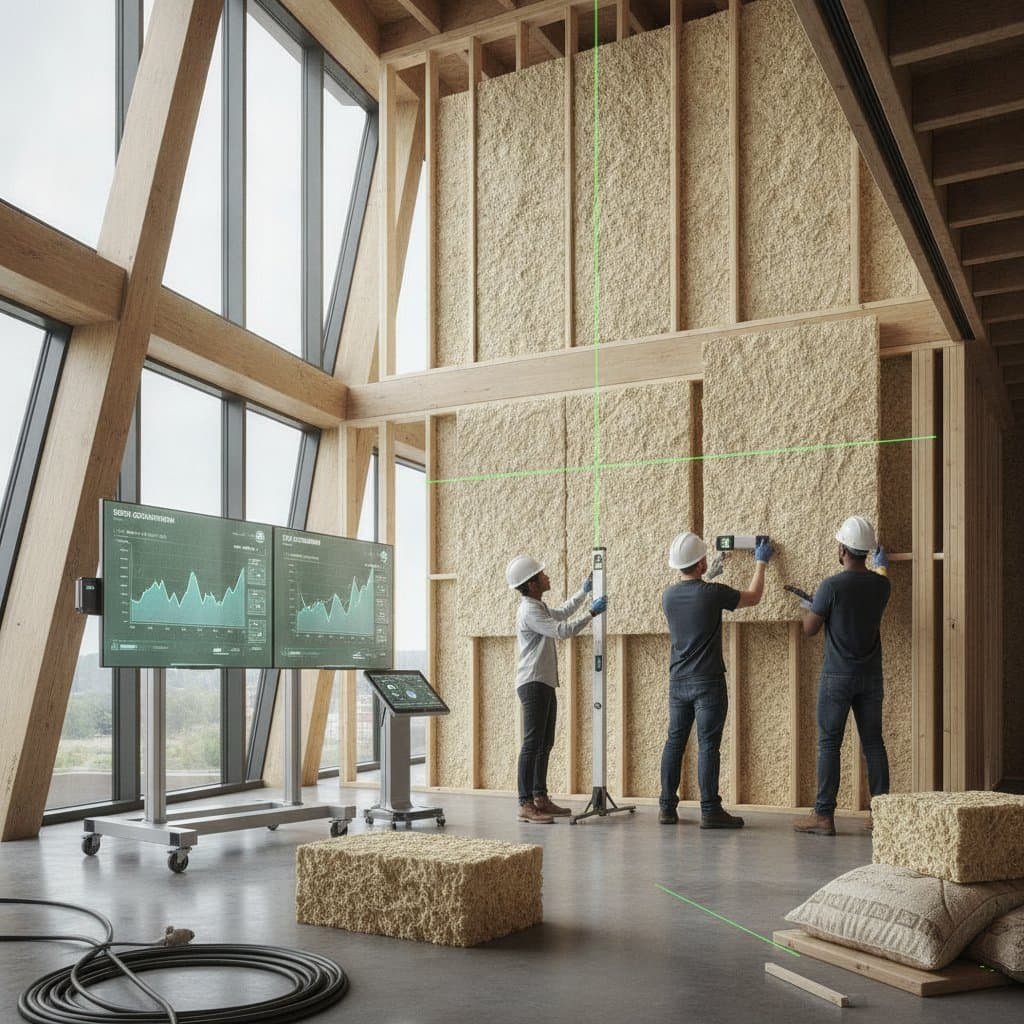
- Hempcrete serves as a natural, fire-resistant insulation material made from hemp hurd, lime, and water, forming a breathable and eco-friendly wall system.
- The material resists flames, mold, and pests without relying on chemical additives.
- Although initial costs exceed those of conventional insulation by a small margin, hempcrete yields long-term savings via superior energy efficiency and extended durability.
- Hempcrete walls manage humidity levels, enhance indoor air quality, and lower carbon emissions by sequestering atmospheric carbon within the cured composition.
- This versatile material fits new construction projects and retrofits alike, appealing to homeowners who prioritize sustainable comfort and structural resilience.
Why Hempcrete Matters for Modern Homes
Hempcrete extends beyond a mere buzzword in green building practices. It embodies a comprehensive approach to materials that excel in safety, health, and environmental stewardship. Traditional insulation such as fiberglass or spray foam often traps moisture or emits volatile compounds. Hempcrete, however, permits vapor to pass through walls freely, which avoids the accumulation of humidity that leads to rot or mold growth.
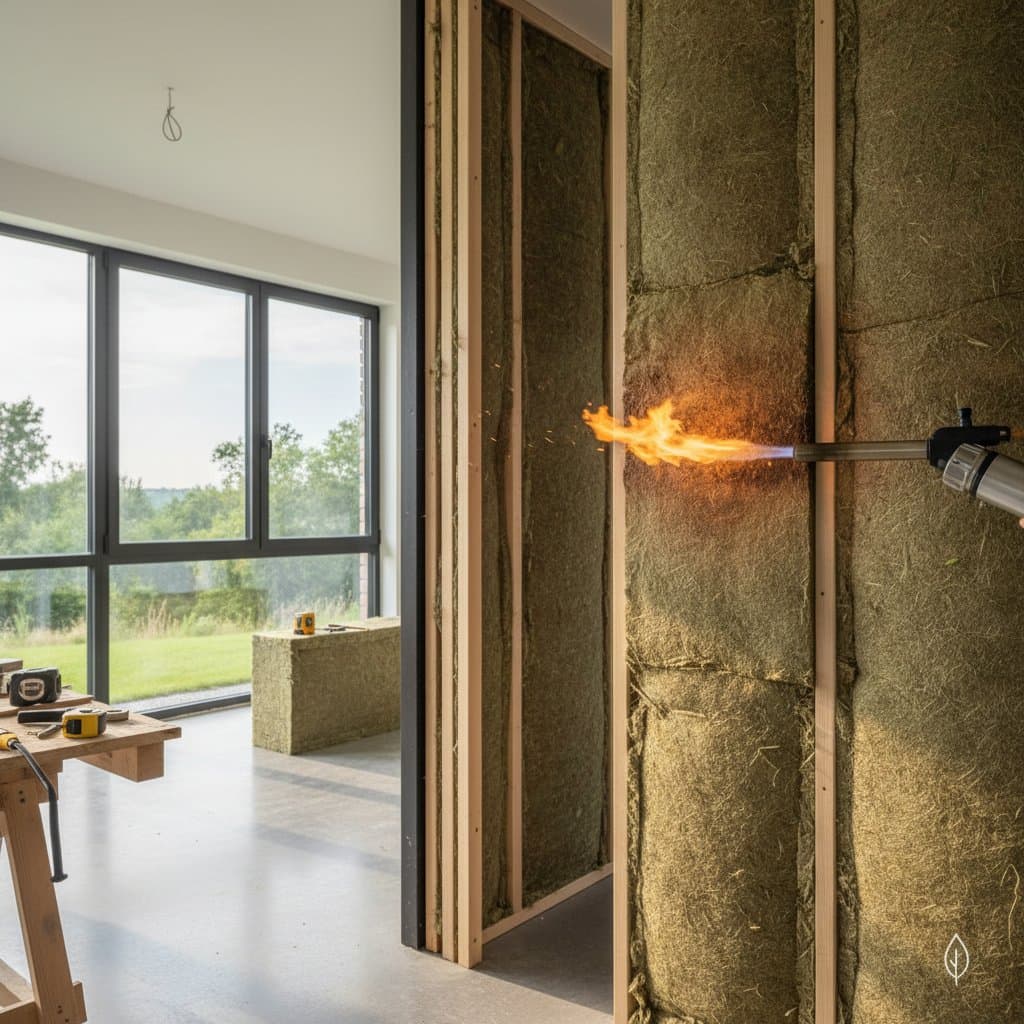
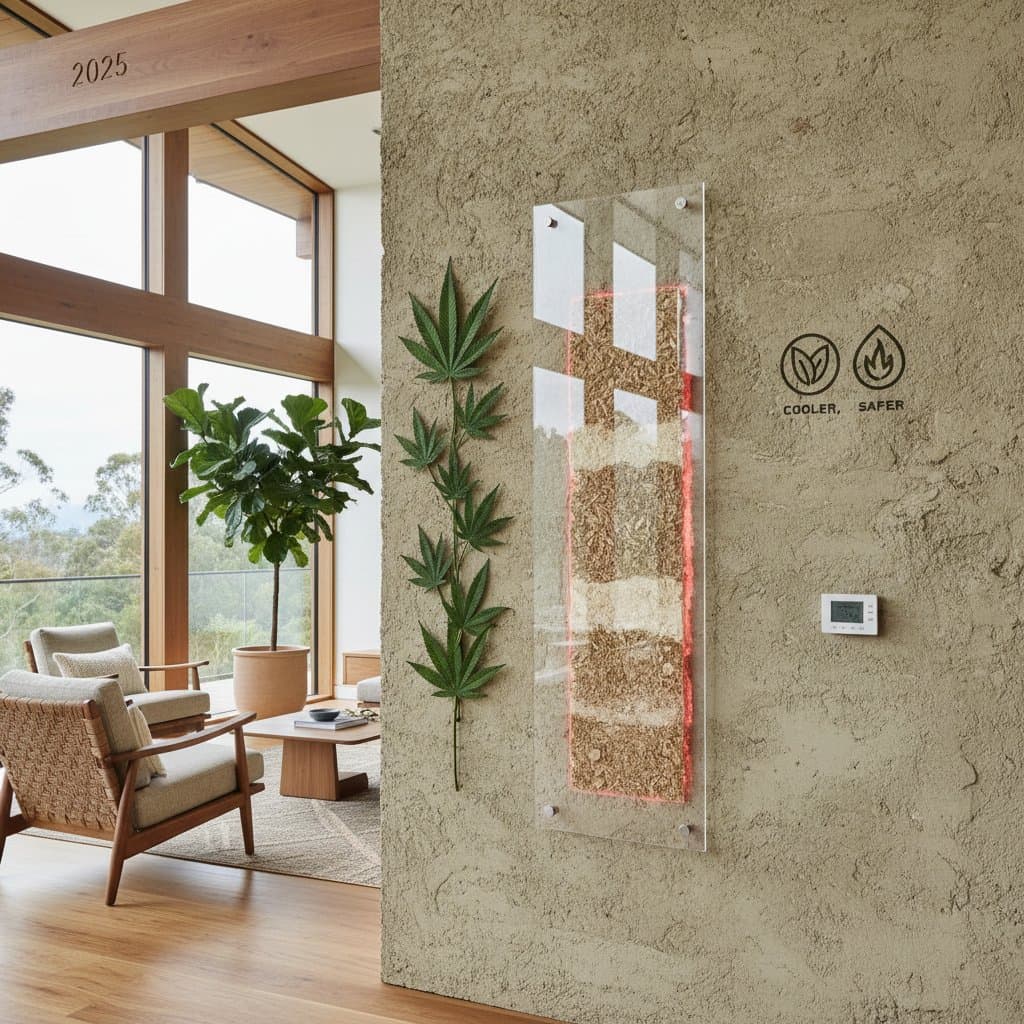
The standout attribute remains its fire resistance. The lime binder, a non-combustible mineral, enables hempcrete to endure elevated temperatures for extended durations. Laboratory evaluations demonstrate zero flame propagation and negligible smoke production. Residents in areas susceptible to wildfires gain substantial reassurance from this protective quality.
From a financial perspective, hempcrete ensures reliable returns. Installation expenses may surpass standard options by 10 to 20 percent, yet the material's energy conservation and minimal upkeep requirements offset this premium over the building's lifespan. Its enduring nature and thermal consistency reduce the need for frequent interventions.
Cost Breakdown and ROI Analysis
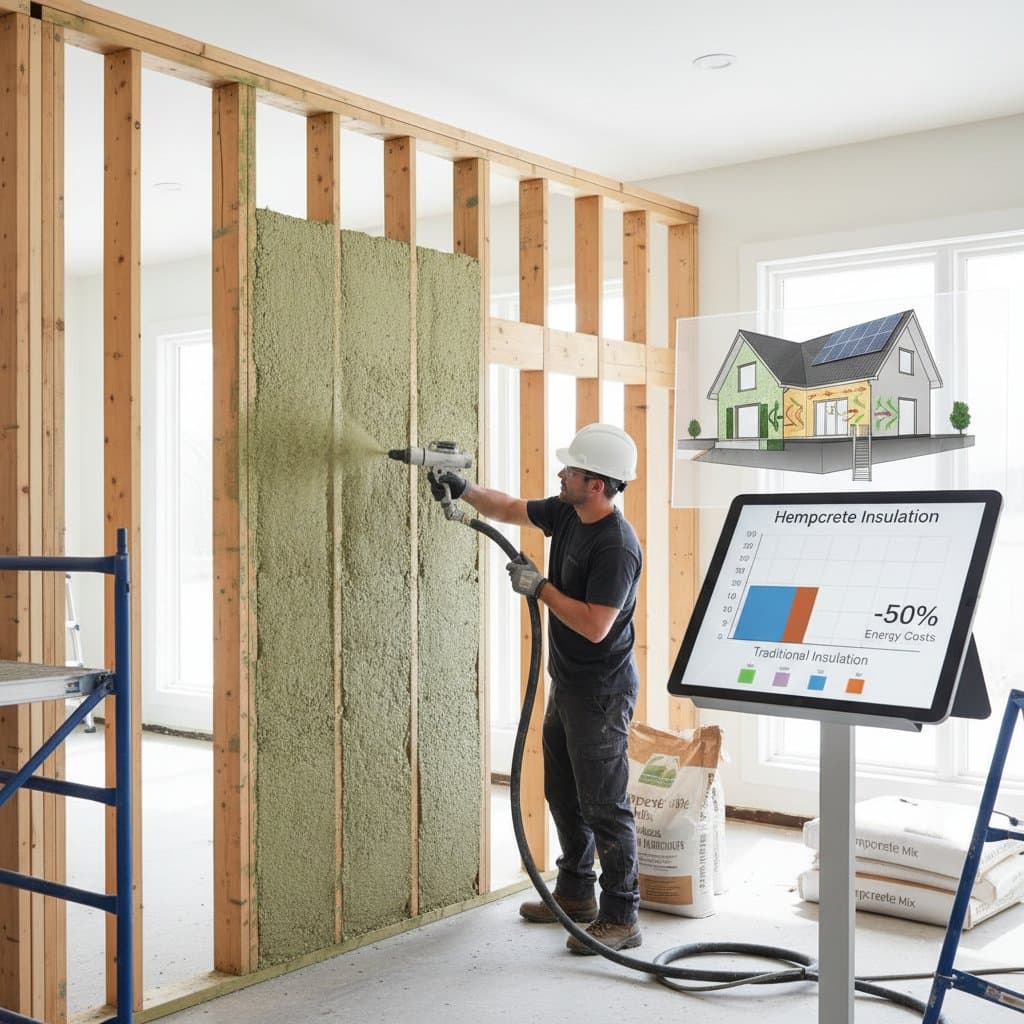
Hempcrete installation generally ranges from 15 to 25 dollars per square foot of wall surface, influenced by factors such as wall thickness, regional labor rates, and overall project scope. This estimate includes materials, on-site mixing, and application labor, exclusive of the structural framework or surface finishes.
In comparison, traditional insulation for equivalent wall configurations averages 10 to 15 dollars per square foot. Such a disparity may prompt initial hesitation, but a broader economic evaluation reveals compelling advantages.
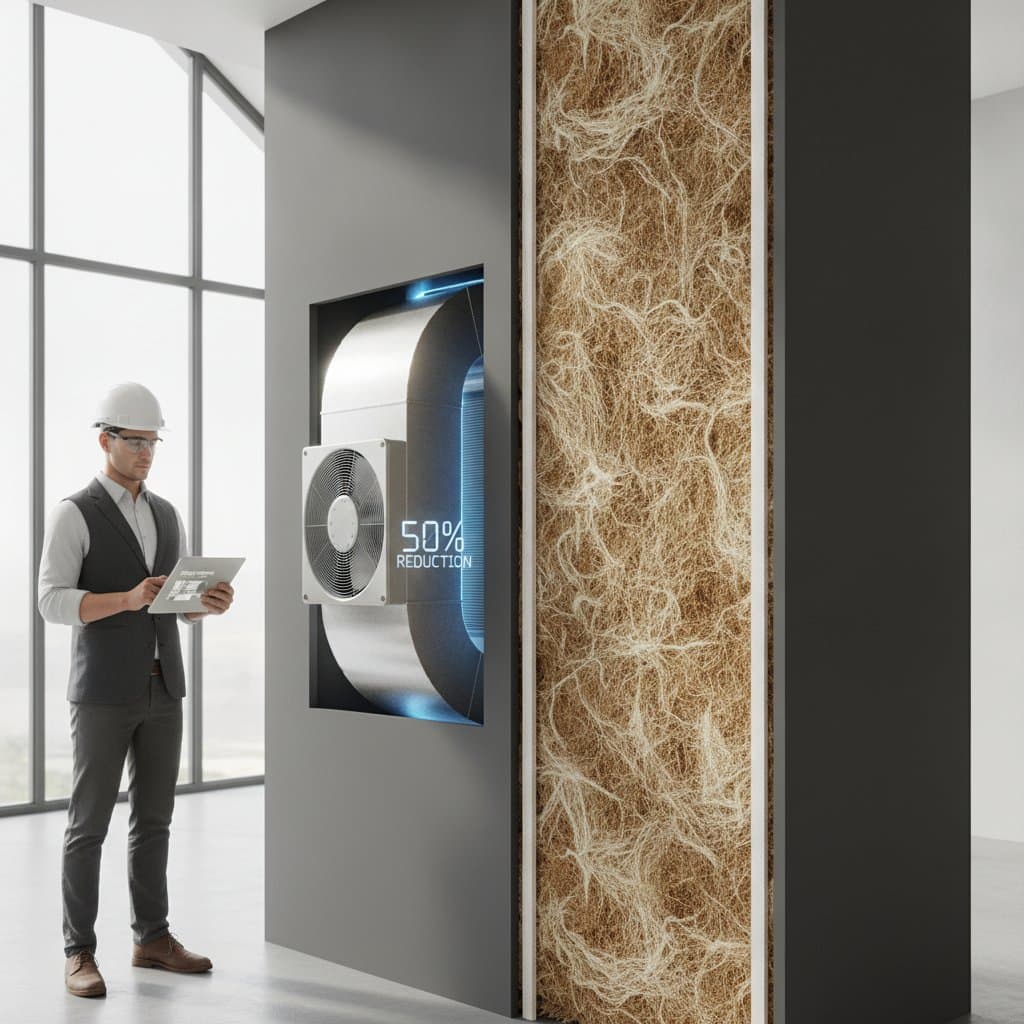
Energy savings: Hempcrete achieves R-values of 2.5 to 3.0 per inch, on par with dense foam products, while its thermal mass provides superior temperature regulation. Homeowners typically experience 10 to 20 percent reductions in annual heating and cooling expenditures as a result.
Maintenance savings: Resistance to mold, pests, and fire minimizes repair expenses and prolongs the integrity of wall systems.
Resale value: Properties featuring sustainable elements often attract higher market prices, as discerning buyers value enhanced energy performance and low-maintenance features.
Considering these elements, hempcrete frequently recoups its investment within five to ten years through cumulative energy efficiencies and decreased operational costs. For those intending long-term occupancy, this positions hempcrete as a prudent choice.
Sustainable Features and Efficiency Gains
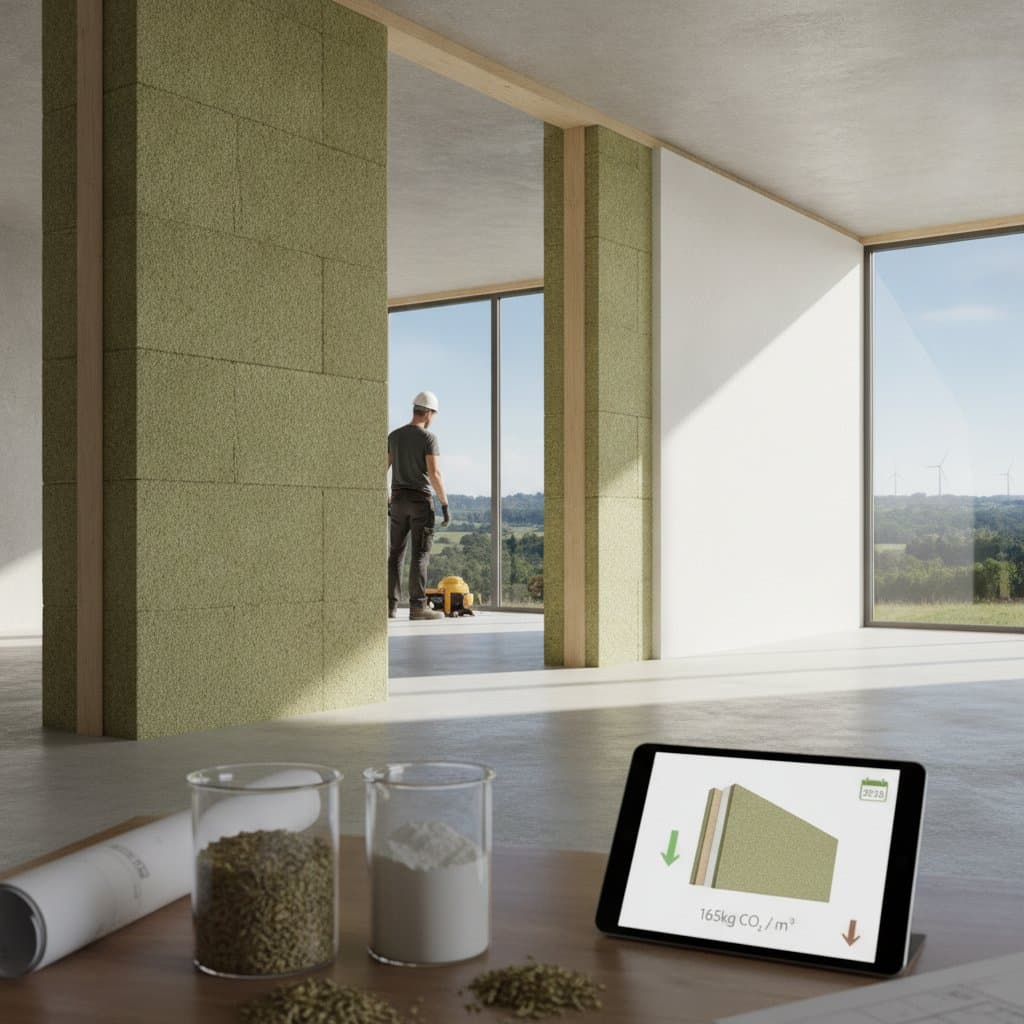
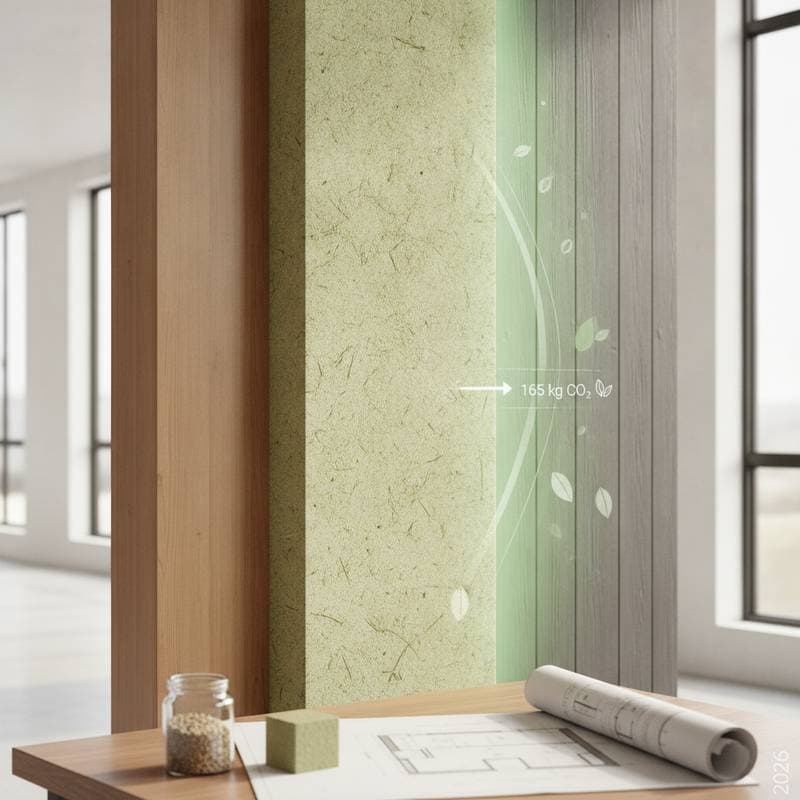
Hempcrete surpasses conventional options in environmental contributions, particularly in carbon management and resource use. Hemp cultivation captures carbon dioxide from the atmosphere, which the plant sequesters permanently within the wall structure for decades. The lime binder further absorbs carbon during the curing phase, rendering hempcrete a net-negative emitter over its service life.
Additional sustainability advantages encompass:
- Renewable sourcing: Hemp matures rapidly, demands limited irrigation, and flourishes without synthetic pesticides.
- Low embodied energy: Manufacturing requires substantially less energy input than producing synthetic insulators.
- Waste reduction: At the end of its useful life, hempcrete proves recyclable and fully biodegradable, generating scant landfill contributions.
Eco-conscious individuals find in hempcrete a practical means to diminish their ecological footprint while securing tangible performance benefits in daily living.
Frequently Asked Questions
Is hempcrete completely fireproof?
No material qualifies as utterly fireproof, yet hempcrete exhibits exceptional fire resistance. The lime component inhibits ignition, and the hemp fibers carbonize without sustaining flames, offering robust safeguards during fire incidents.
Can hempcrete be used in existing homes?
Yes, hempcrete adapts well to retrofitting in walls, floors, or roofs. Projects may necessitate the removal of outdated insulation and vigilant moisture control. Prefabricated panels or cast blocks streamline the integration process.
How does hempcrete affect indoor air quality?
Hempcrete's vapor-permeable nature and humidity regulation prevent condensation and curb mold proliferation. Free of volatile organic compounds, it fosters a healthier indoor environment.
Does hempcrete attract pests?
No, the alkaline properties of the lime binder deter insects and rodents effectively.
What finishes work best on hempcrete walls?
Lime or clay plasters align optimally with hempcrete, as they maintain vapor permeability and enhance overall functionality. Avoid synthetic paints or impermeable barriers, which risk moisture entrapment.
Is hempcrete durable in wet climates?
With appropriate breathable finishes and effective drainage systems, hempcrete endures diverse climatic conditions. Success hinges on facilitating moisture evaporation to prevent accumulation.
Maintaining Your Investment
Hempcrete demands minimal upkeep to sustain peak performance. Conduct periodic inspections of exterior finishes every few years to identify cracks or deterioration, and address lime plaster repairs swiftly to preserve vapor flow. Ensure gutters and downspouts remain unobstructed to avert water penetration, following standard practices for any building exterior.
Building Resilience with Hempcrete
Integrating hempcrete into home design equips structures for enduring comfort and sustainability. This material not only shields against environmental threats but also aligns living spaces with broader goals of ecological responsibility. Homeowners who adopt hempcrete contribute to a more resilient built environment while enjoying enhanced daily livability.