Why Hidden Heat Loss Deserves Attention
Every homeowner encounters rooms that never reach a comfortable temperature. One space stays cold while another overheats, and utility statements climb without clear cause. These patterns usually trace back to air leaks and insulation gaps hidden inside walls, ceilings, and floors. Traditional visual checks often miss these spots entirely.
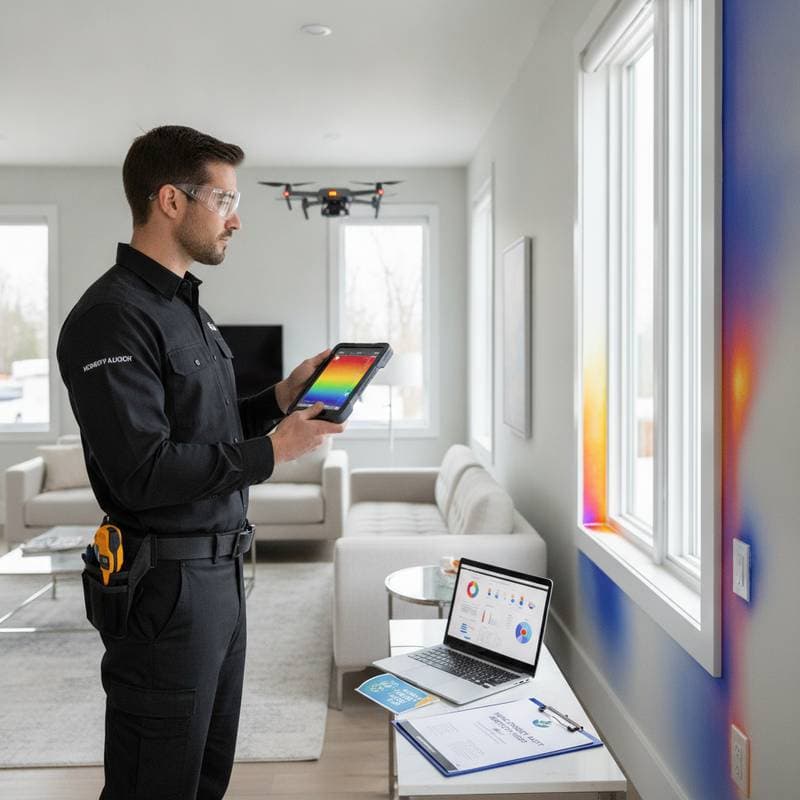
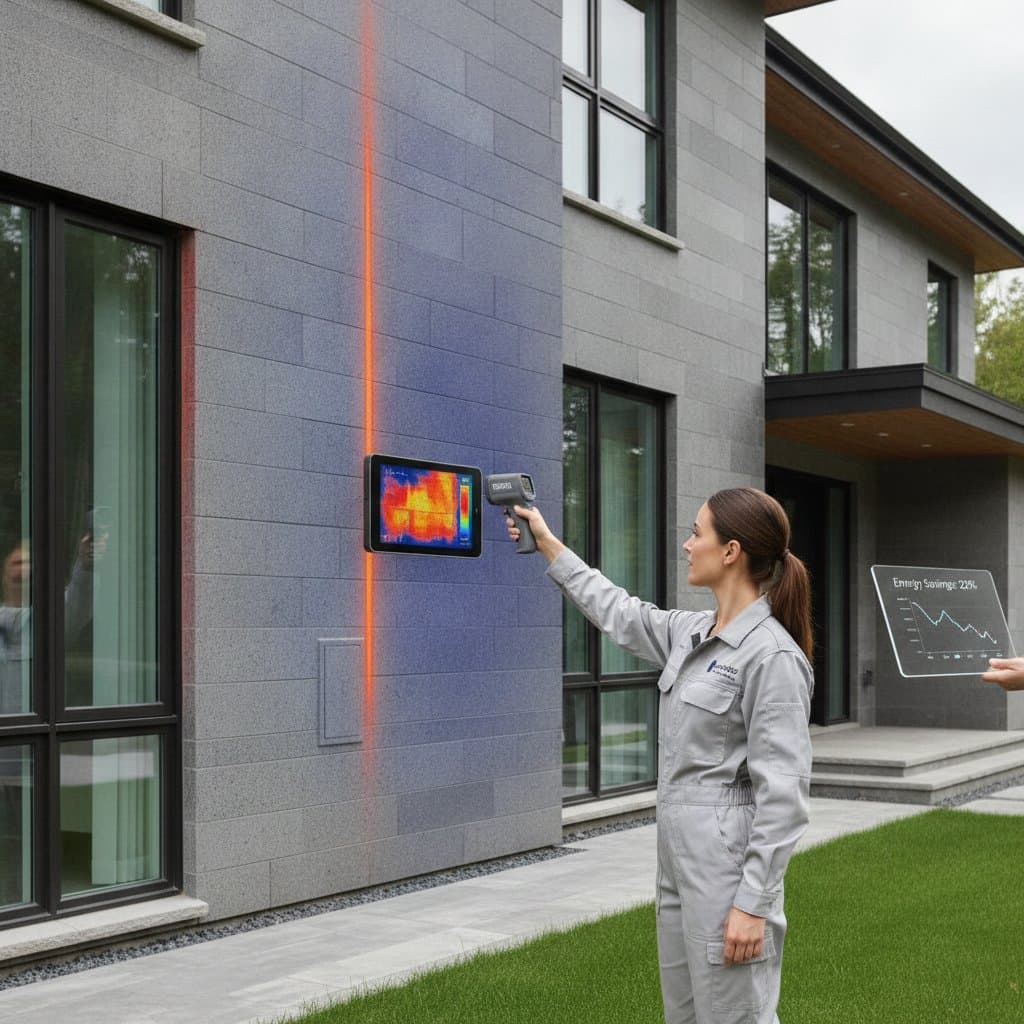
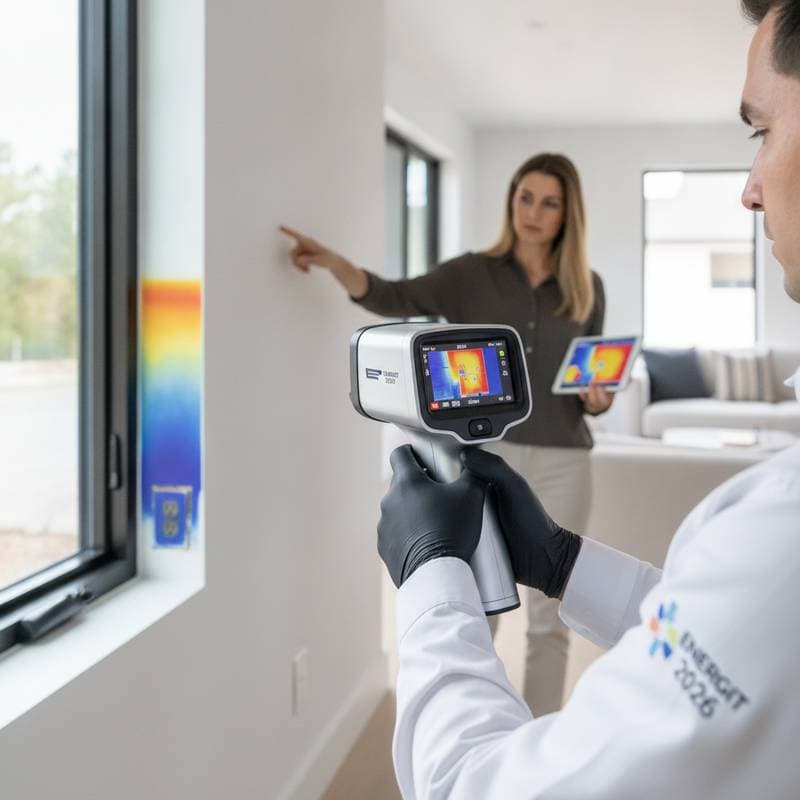
Thermal imaging changes that situation by converting temperature differences into clear color maps. The resulting images highlight exactly where conditioned air escapes and where outside air enters. This diagnostic approach replaces guesswork with measurable evidence that guides effective repairs.
What a Thermal Imaging Audit Identifies
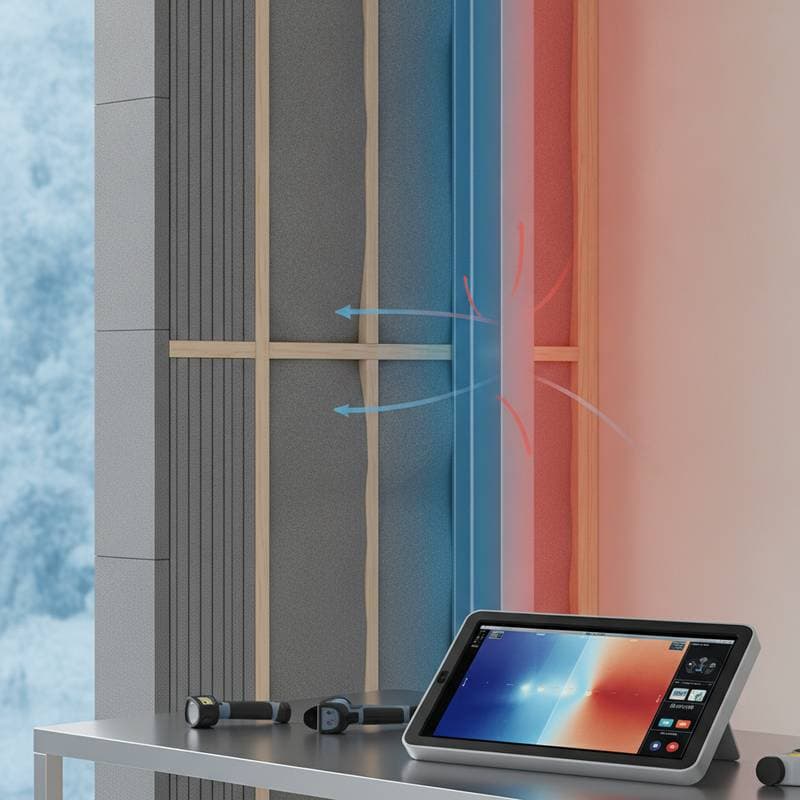
A thorough audit reviews the entire building envelope along with mechanical systems. The camera registers small surface temperature shifts and flags problem zones. Typical findings include gaps around windows and doors, missing insulation in attics, leakage at electrical outlets, and thermal bridging through framing members.
Moisture that reduces insulation performance also appears on the images. Each discovery connects directly to comfort levels, equipment runtime, and monthly expenses. Homeowners receive a prioritized list rather than vague recommendations.
Financial Returns from Targeted Repairs
Professional audits range in cost according to home size and detail required. The data they provide prevents broad, unnecessary work such as full insulation replacement. Instead, owners address the largest leaks first and achieve measurable reductions in heating and cooling use.
Lower energy consumption also raises resale value. Buyers now seek homes with documented efficiency improvements, and audit reports supply that documentation.
How the Technology Works
All surfaces emit infrared energy that varies with temperature. The camera captures these variations and displays them as visual patterns. Brighter zones indicate escaping heat, while darker areas show cooler surfaces. When paired with a blower door test, the process exaggerates pressure differences and makes even small leaks visible.
Practical Steps After the Audit
Once results are available, owners match fixes to available budget and timeline. Common actions include adding insulation in attics or crawl spaces, sealing penetrations with appropriate caulk or foam, and upgrading weatherstripping on windows and doors. HVAC upgrades can follow once the envelope is tighter, preventing oversized equipment.
Even limited measures such as attic insulation and air sealing produce noticeable savings within one or two seasons.
Additional Advantages for Daily Living
Stable indoor temperatures reduce drafts and limit moisture movement that encourages mold growth. Equipment operates under less stress, which extends service life and lowers maintenance frequency. These changes together improve air quality and protect finishes throughout the house.
Questions Homeowners Often Raise
- Professional interpretation remains essential because consumer cameras require training to read reflections and environmental influences correctly.
- A baseline audit followed by repeat scans after major work confirms ongoing performance.
- Thermal images can indicate plumbing or electrical anomalies, though further testing confirms the source.
Turning Findings into Results
Review recent energy statements to spot seasonal patterns, then arrange a professional assessment. Apply the resulting report to a phased plan that aligns with household priorities. Consistent attention to hidden heat loss supports lower operating costs and a more durable home.