Detecting Hidden Heat Loss
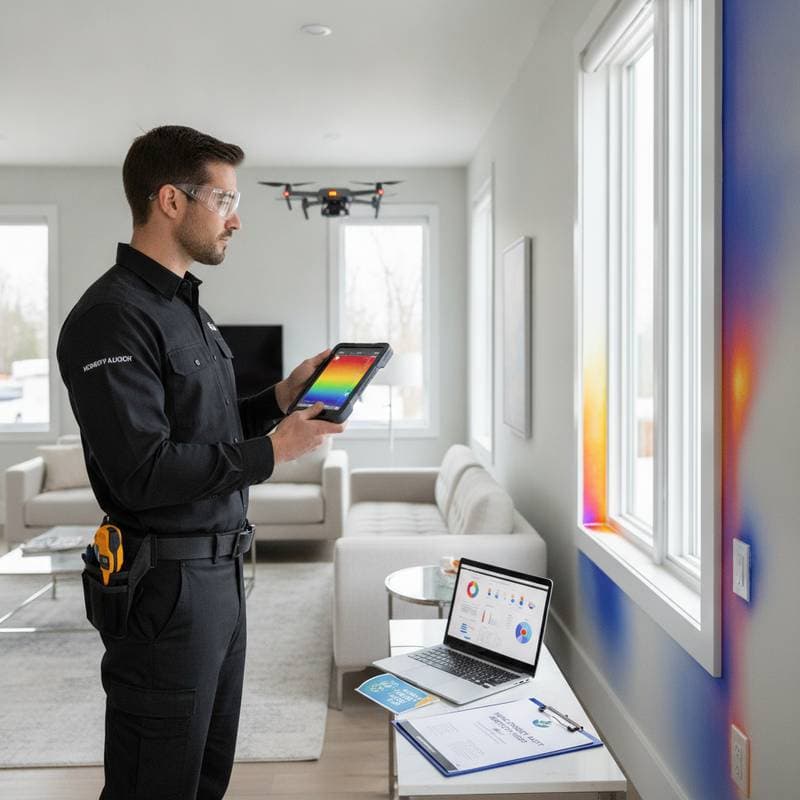
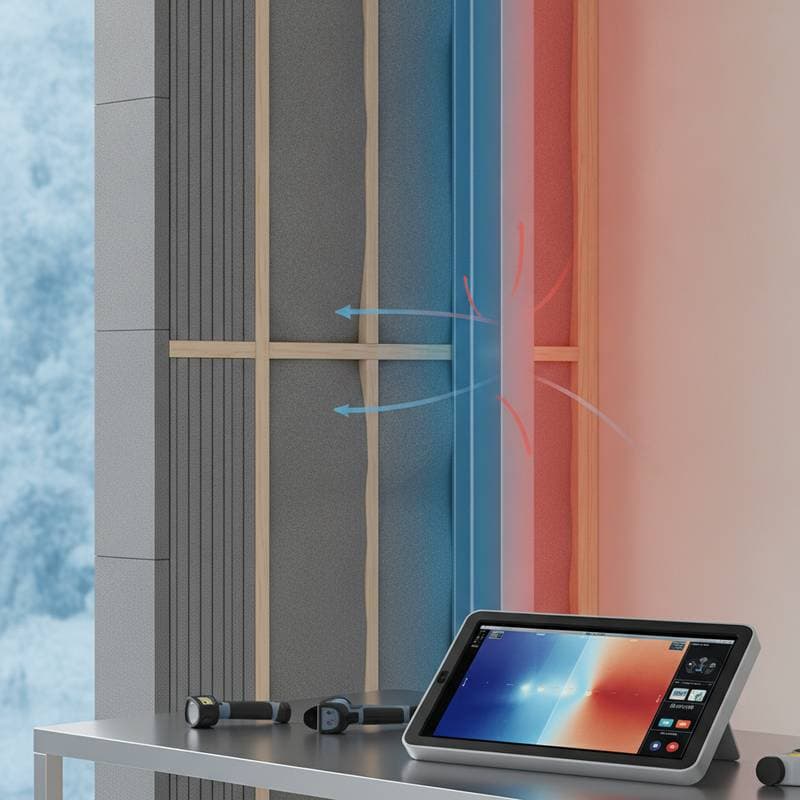
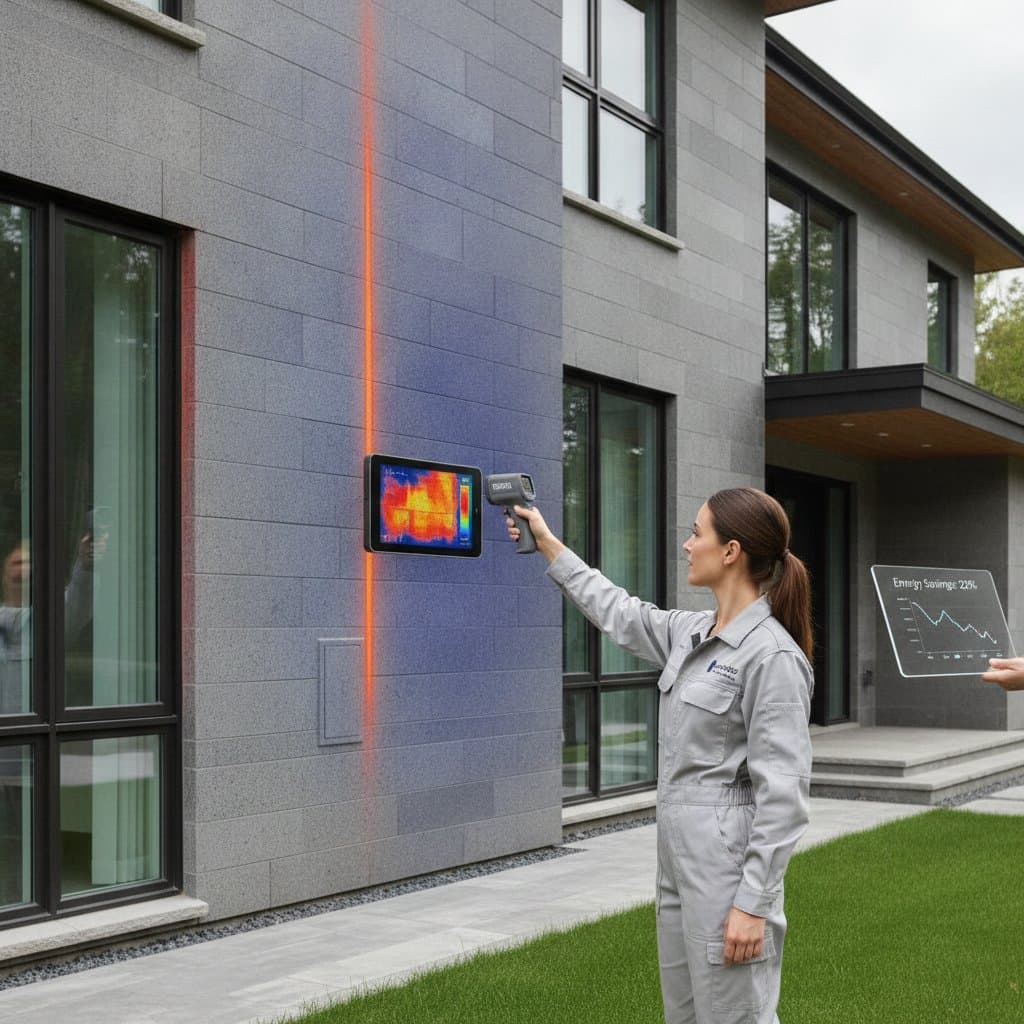
Thermal imaging identifies areas where conditioned air escapes through gaps in insulation, around windows, and through unsealed penetrations. Homeowners who address these issues typically reduce annual heating and cooling expenses by 20 percent. The process converts invisible temperature differences into clear visual data that guides targeted repairs.
Energy loss affects both operating costs and indoor conditions. Small leaks around an attic hatch or window frame force heating systems to run longer cycles. Over time these inefficiencies increase utility charges and reduce overall home comfort.
Professional Audits and Independent Inspections
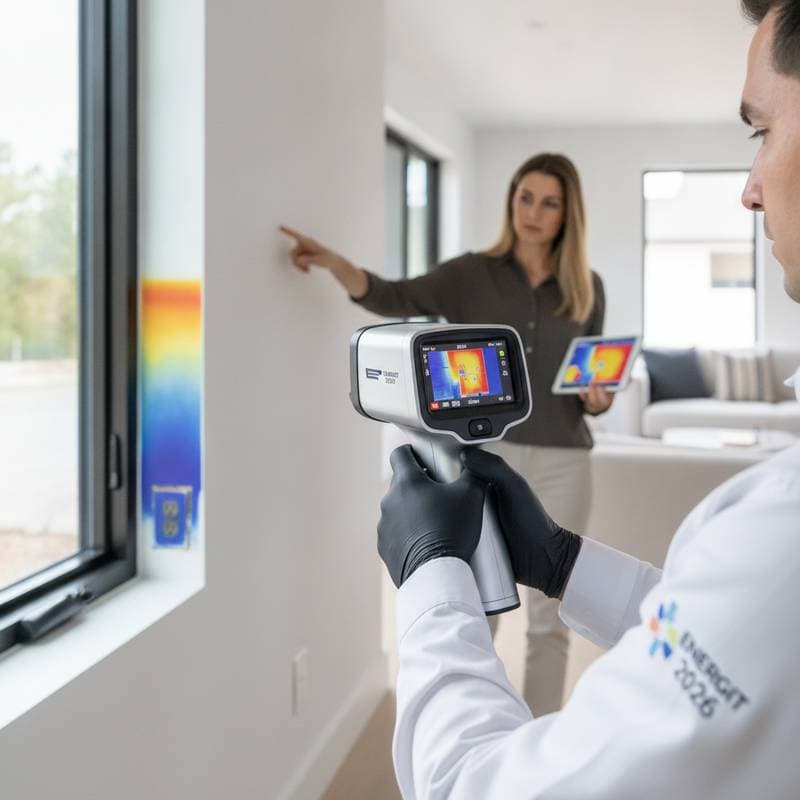
Homeowners can choose between certified energy audits and self-directed scans. Professional auditors employ high-resolution cameras along with blower door equipment that exaggerates air movement for precise detection. Audit fees range from several hundred dollars to one thousand dollars based on property size.
Technicians interpret thermal patterns accurately and separate true air leaks from normal variations in building materials. They deliver a ranked list of recommended improvements together with projected cost recovery timelines.
For limited assessments, smartphone-connected thermal attachments or entry-level handheld units provide sufficient detail. Effective results require a minimum indoor-to-outdoor temperature difference of 10 degrees Fahrenheit. Operators should deactivate fans and HVAC equipment during the scan, move the camera steadily across surfaces, and concentrate on corners, frames, and attic access points.
Converting Thermal Data into Repairs
Once problem locations appear on screen, prioritize fixes according to expense and expected return.
Immediate Low-Cost Measures
- Install weatherstripping on all exterior doors and operable windows.
- Apply caulk or expanding foam to visible gaps around pipes and electrical outlets.
- Add foam gaskets behind switch plates and receptacles on exterior walls.
- Attach door sweeps to eliminate floor-level drafts.
These steps frequently recover their cost within one heating season.
Intermediate Upgrades
- Supplement attic insulation to recommended depth levels.
- Insulate rim joists in basements and crawl spaces.
- Replace single-pane windows with insulated double-glazed units.
- Seal and wrap ductwork located in unconditioned areas.
Such measures commonly produce yearly savings between 10 and 20 percent.
Long-Term Capital Improvements
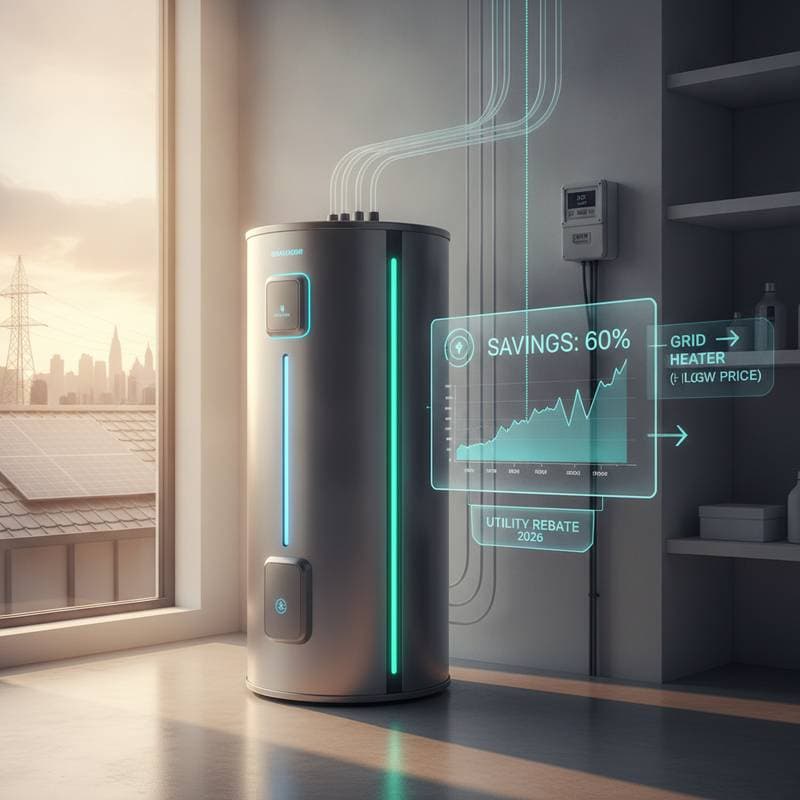
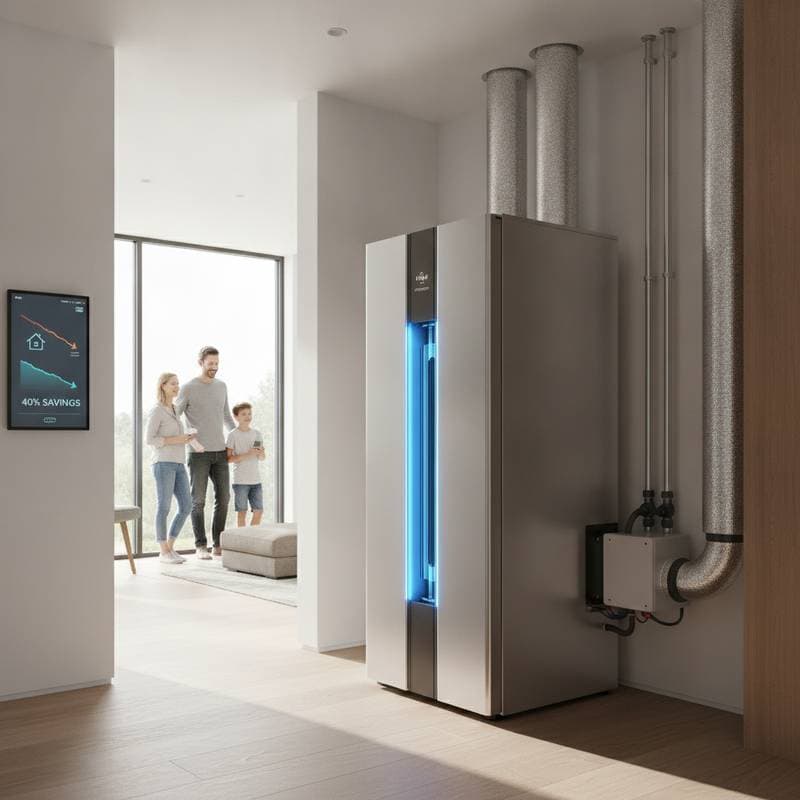
- Upgrade older furnaces or heat pumps to current high-efficiency models.
- Add continuous exterior insulation during siding replacement projects.
- Install programmable thermostats that maintain steady temperature bands.
These investments improve comfort, extend equipment life, and support higher resale values.
Additional Advantages for Indoor Conditions
Thermal scans also locate cold surfaces that promote condensation and subsequent mold growth. Correcting temperature imbalances reduces moisture accumulation within wall cavities and around window frames. Systems that operate under stable loads experience less mechanical stress and require fewer service calls.
Equipment Selection Guidance
Certified professionals hold credentials from organizations such as RESNET or BPI. Independent users can select smartphone modules for quick checks, mid-range handheld cameras for regular use, or advanced instruments that offer adjustable sensitivity and detailed reporting software.
Addressing Common Assumptions
Thermal imaging applies equally to recently built homes where insulation may have settled or installation details may have created thermal bridges. Modern devices operate with the same simplicity as standard smartphone cameras, removing the need for specialized training in many cases.
Applying Scan Results Effectively
Schedule scans during periods of clear temperature contrast. Examine images for recurring hot or cold zones rather than isolated spots. Address the most accessible and cost-effective leaks first. Compare utility statements from equivalent periods before and after work to confirm actual reductions. Maintain documentation of completed improvements for future reference during property transactions.