Key Points
- Reusing warm drain water can lower heating and cooling costs by around 25 percent.
- Greywater heat recovery systems capture energy that would otherwise wash down the drain.
- Installation is easiest during remodels but can also retrofit into existing plumbing.
- Payback periods often fall within a few years depending on water use and local energy rates.
When Hot Water Becomes Hidden Energy
Picture a long shower on a chilly morning. Steam fills the bathroom and warmth swirls around. Then all that heat disappears down the drain. Every drop of warm water carries energy that the HVAC system worked hard to create. Reclaiming that lost energy to preheat incoming water or supplement home heating forms the core idea behind greywater heat recovery.
Why It Matters
Heating water typically accounts for around one-fifth of home energy use. When that heat goes down the drain, money follows. Recovering thermal energy from shower, laundry, or sink water reduces the load on both water heaters and HVAC systems. Lower energy demand produces smaller utility bills, fewer greenhouse gas emissions, and longer equipment life. Households focused on sustainability and comfort gain a practical upgrade.
How Greywater Heat Recovery Works
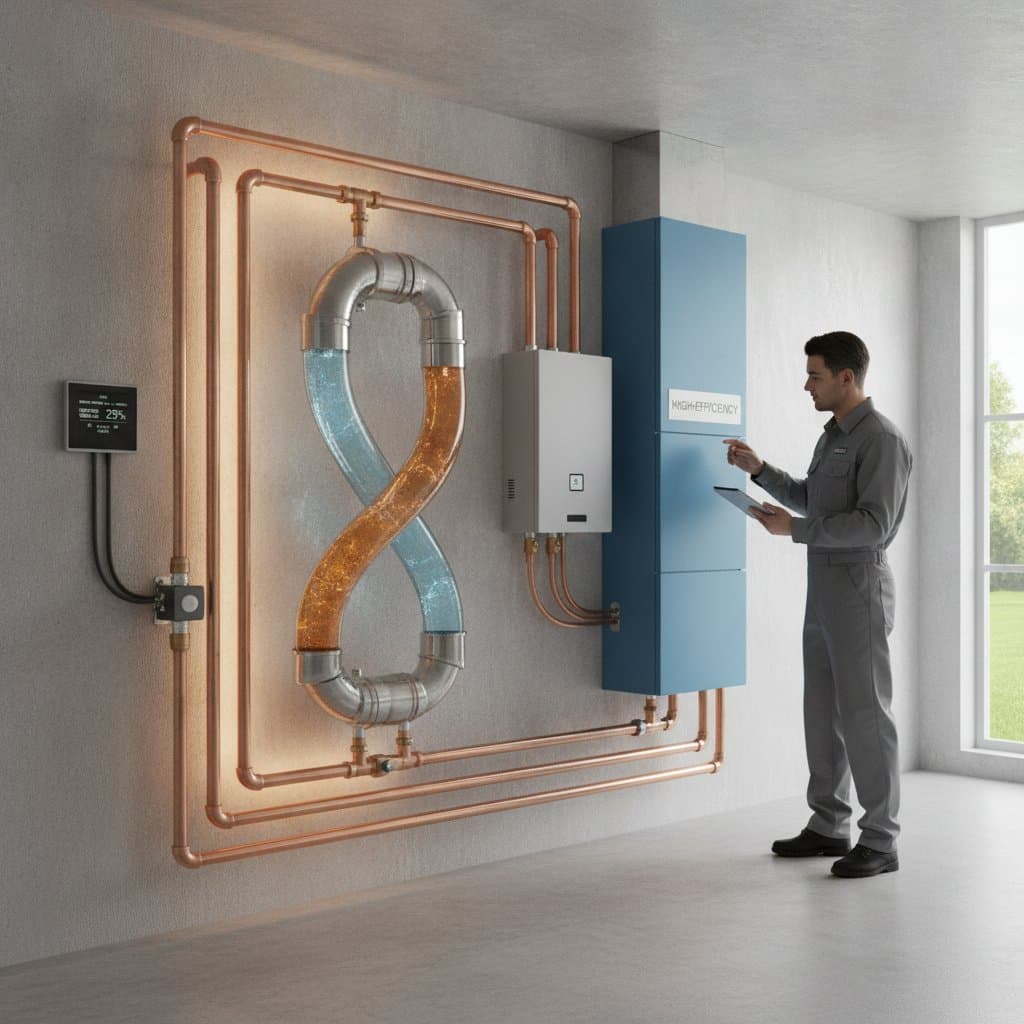
A greywater heat recovery system uses a heat exchanger, usually a copper coil or double-wall pipe, to transfer warmth from outgoing drain water to incoming cold water. It operates passively with no moving parts. The system does not mix clean and used water. It exchanges heat only through the metal surface.
Typical Setup Includes
- Drain heat exchanger connected to a vertical or horizontal drain line
- Cold water supply loop routed through the exchanger before reaching the water heater
- Optional integration with radiant heating systems or heat pumps
By the time water reaches the heater, it is already warmer. Less energy is needed to reach the target temperature. The result includes faster recovery times and lower overall consumption.
Cost Breakdown and Savings Outlook
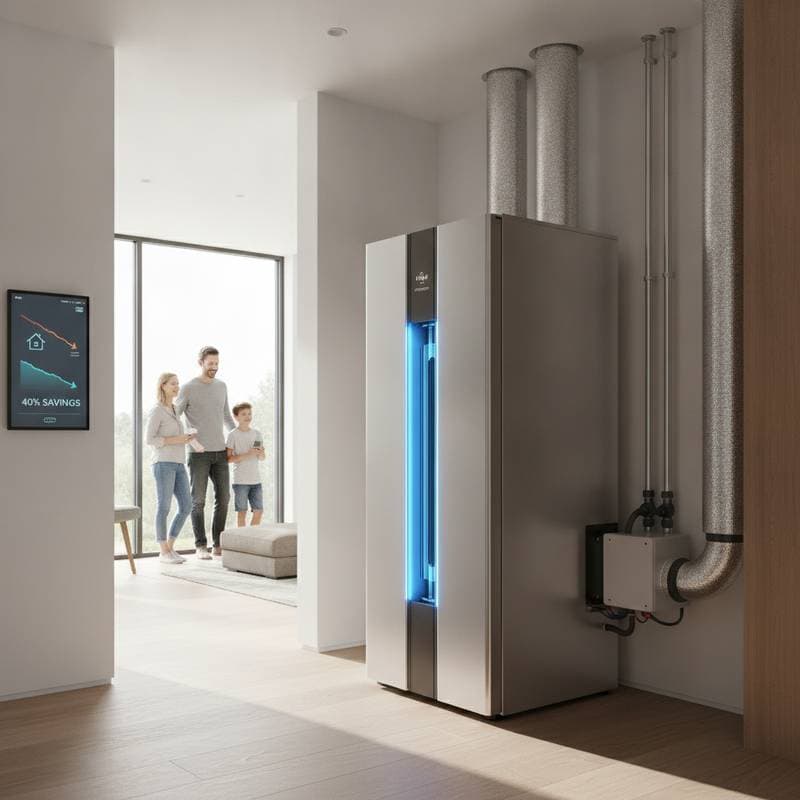
Homeowners usually spend between a few hundred and a few thousand dollars depending on system size and plumbing complexity. Basic vertical drain units can pay for themselves in about three to five years through lower energy use. Larger integrated setups that also feed preheated water into heat pumps or radiant floors can save up to 25 percent on total HVAC costs. Families with heavy shower or laundry use see savings accumulate quickly.
Key Planning Considerations
- Plumbing Access: Best installed where multiple drains connect, such as below showers or laundry areas.
- Local Codes: Some regions require specific materials or certifications for greywater systems.
- Maintenance: Minimal, but periodic inspection ensures efficiency.
- Compatibility: Works well with tankless or heat pump water heaters.
Frequently Asked Questions
Does it work in colder climates?
Yes. Even in low temperatures, warm drain water contains recoverable energy. Efficiency may vary, but savings remain steady year-round.
Can I install it myself?
DIY installation is possible for experienced homeowners. Most prefer professional plumbers to ensure correct slope, venting, and code compliance.
Is the water reused directly?
No. Only heat is recovered, not the water itself. The system keeps fresh and used water completely separate.
Planning Your Installation
Greywater heat recovery turns everyday habits into an energy advantage. Reclaiming warmth already paid for cuts costs, reduces environmental strain, and extends HVAC system lifespan. Whether planned during a remodel or added later, this low-maintenance technology transforms waste into value.