Key Benefits of Thermal Battery Retrofits
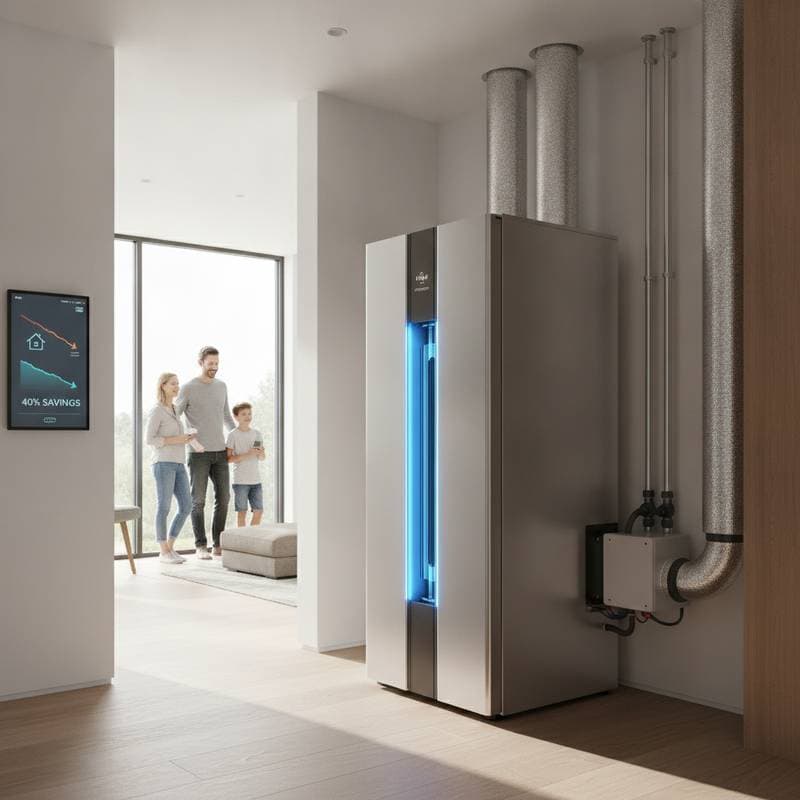
- Thermal battery retrofits store excess heat or coolness to reduce energy bills by up to 40 percent.
- These systems suit homes in regions with wide temperature swings or utility rate fluctuations.
- Installation often pairs with existing HVAC systems for improved efficiency without full replacement.
- Costs typically range from $3,500 to $10,000 depending on system size, material, and integration needs.
- Professional design ensures safe installation, optimal performance, and potential rebate eligibility.
Steady Comfort Through Stored Energy
You step into your home after a long day and the air feels perfectly balanced. The secret behind this steady comfort is a simple principle of energy storage. As a green building expert I have seen homeowners struggle with fluctuating utility bills in regions where temperature swings are dramatic. Excellent insulation and efficient windows still leave systems working overtime. Thermal battery retrofits capture excess heat or coolness when available and release it when needed.
This technology offers a practical way for everyday homeowners to stabilize energy costs, extend HVAC life, and reduce environmental strain. The approach uses what you already have by storing thermal energy for later use.
Addressing High Energy Use and Unstable Comfort
Many homes waste significant energy because heating and cooling systems operate continuously. In humid regions air conditioners may run almost constantly while furnaces cycle repeatedly in colder climates. Traditional systems lose up to 25 percent of generated energy through inefficiency and timing mismatches.
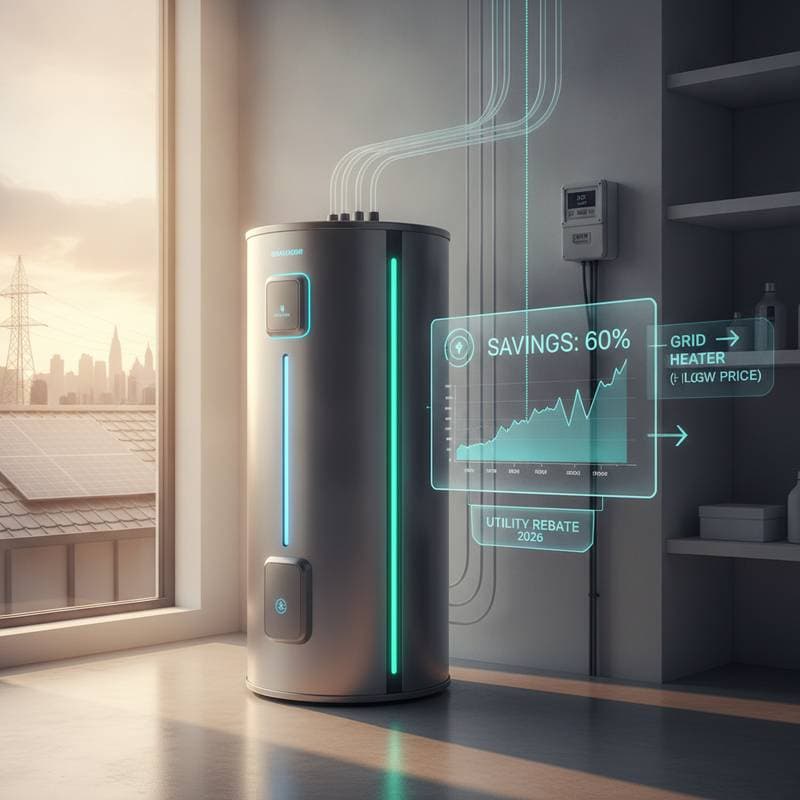
Thermal batteries act as a thermal reservoir. They store heat when it is abundant such as during sunny afternoons or retain coolness collected overnight. The stored energy later supplements the HVAC system which reduces runtime and peak power draw. The result includes lower bills and a smoother indoor environment.
Smarter Energy Retention for Every Home
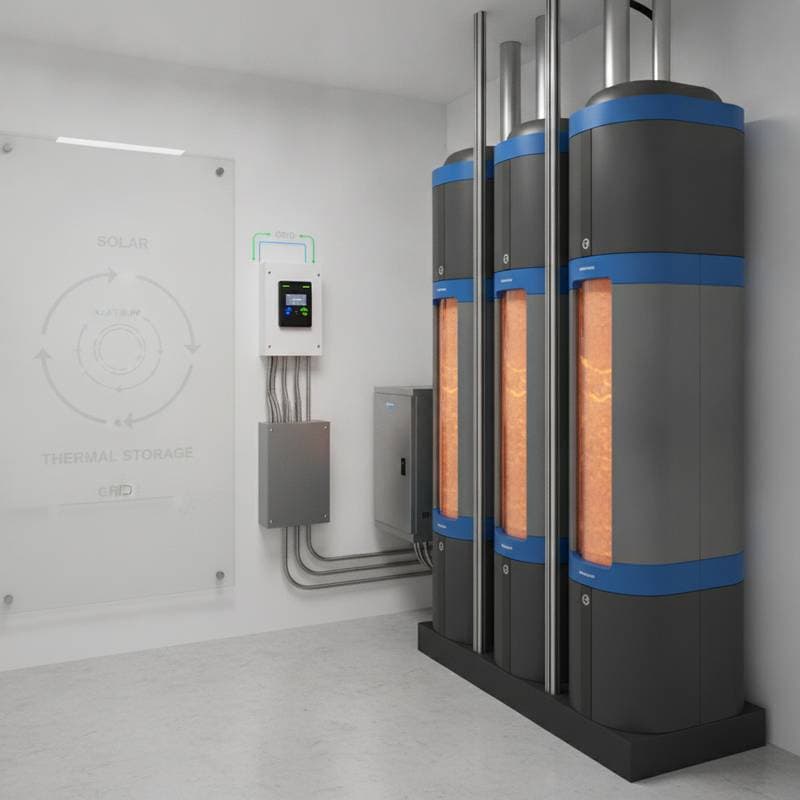
Thermal battery retrofits manage energy flow intelligently. They store warmth in materials like phase change salts or ceramic blocks or capture coolness using chilled water or advanced gels. This approach helps homeowners cut energy costs without full HVAC replacement, reduce stress on the electrical grid, qualify for rebates, and improve indoor comfort year round.
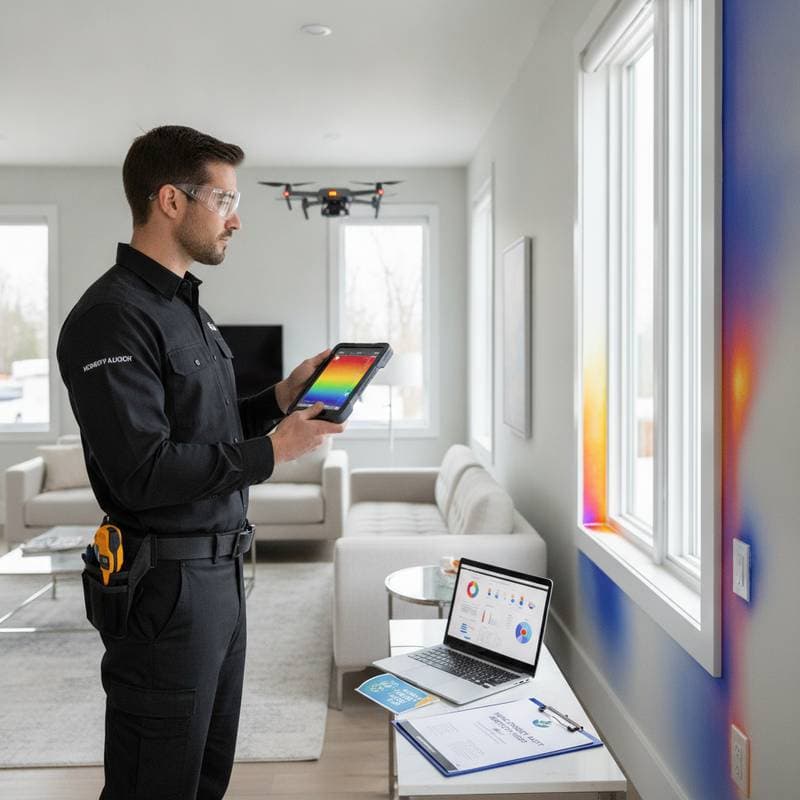
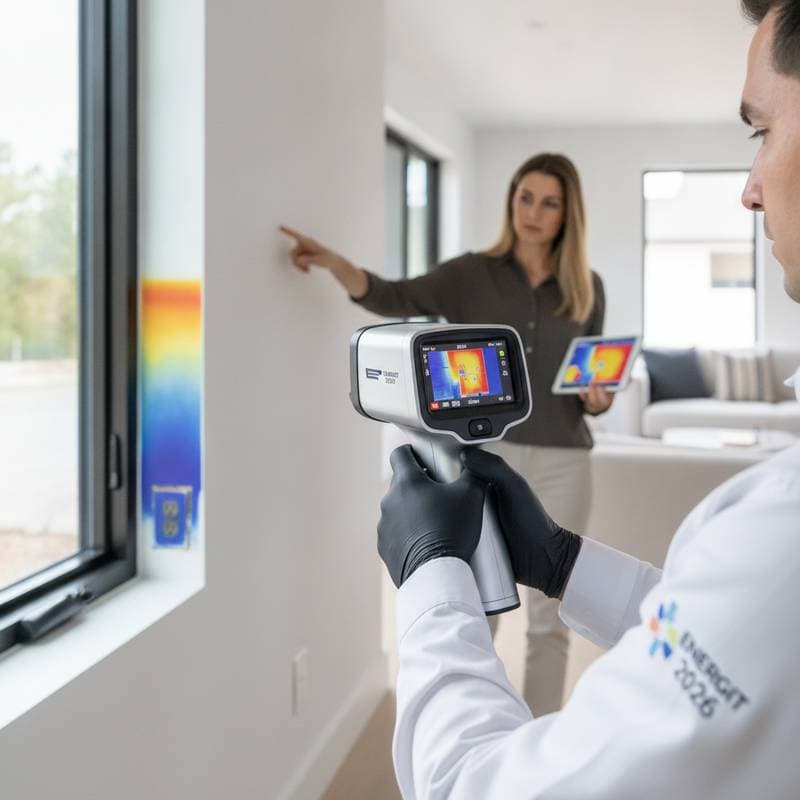
Start with an energy audit to identify how much thermal storage capacity your home could support. The audit reveals patterns of energy waste and helps tailor the retrofit for maximum benefit.
How Thermal Battery Retrofits Work
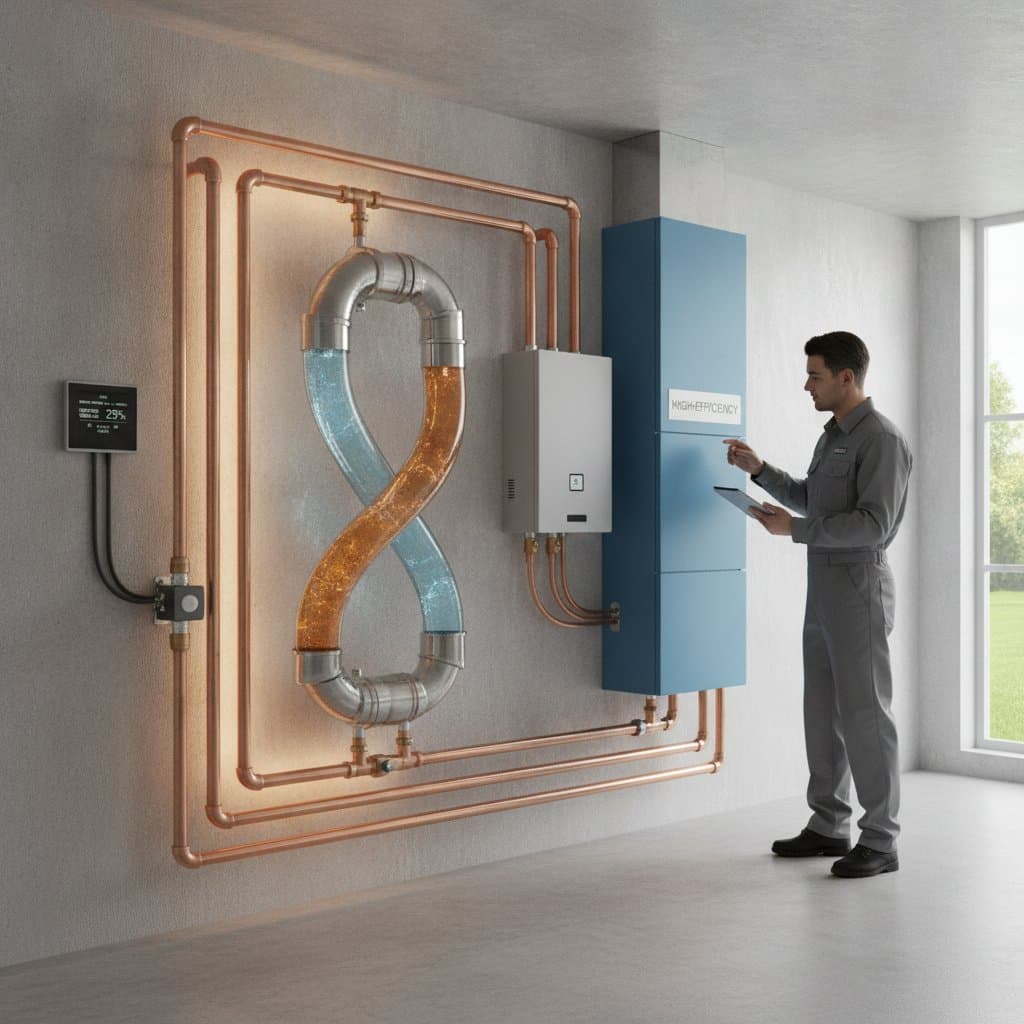
A thermal battery functions like a sponge that absorbs heat or cold energy. When the HVAC system generates excess thermal energy the battery captures and stores it. Later the stored energy releases to maintain comfort without activating the HVAC system again.
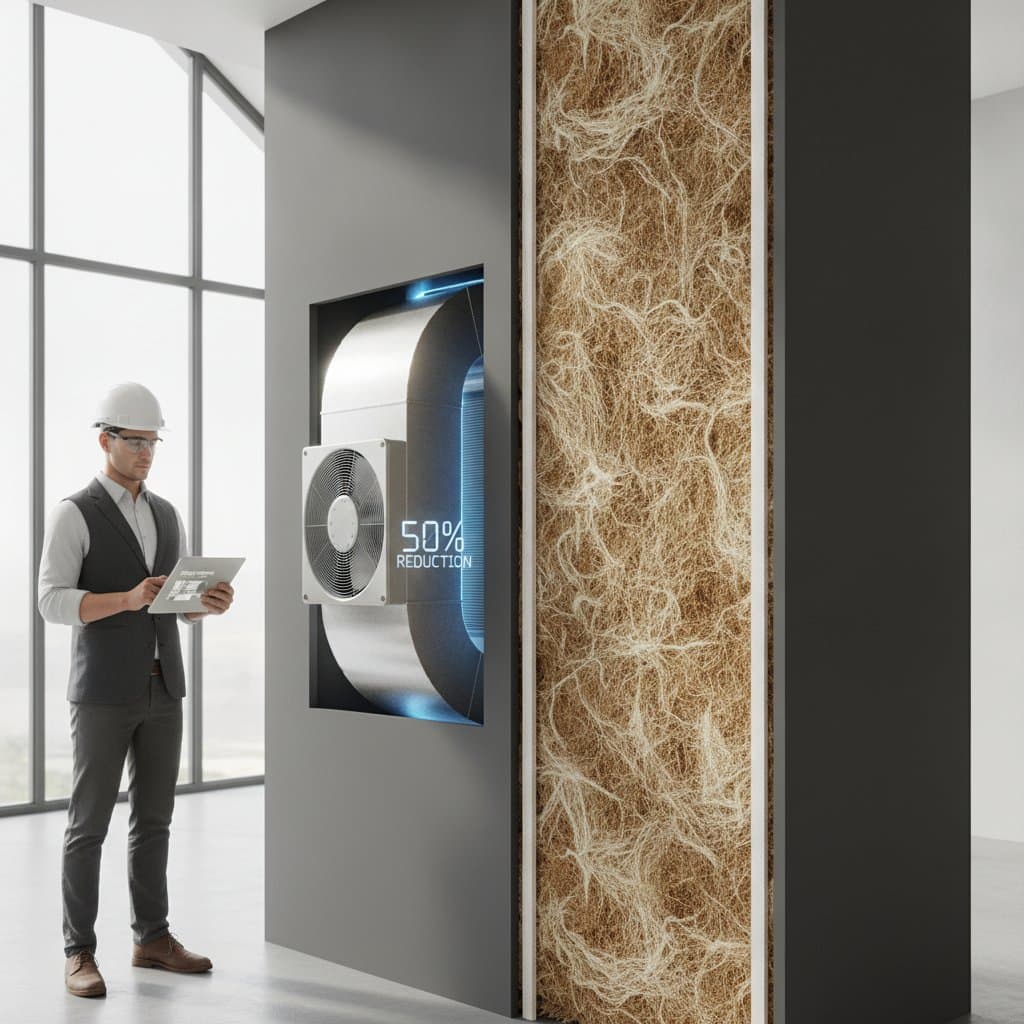
Key components include a storage medium such as water phase change material or stone, a heat exchanger that transfers energy between the HVAC system and the battery, a control system that manages charge and discharge cycles, and an insulation layer that prevents stored energy from escaping prematurely. When installed correctly these systems integrate seamlessly with existing mechanical setups.
Step by Step Retrofit Process
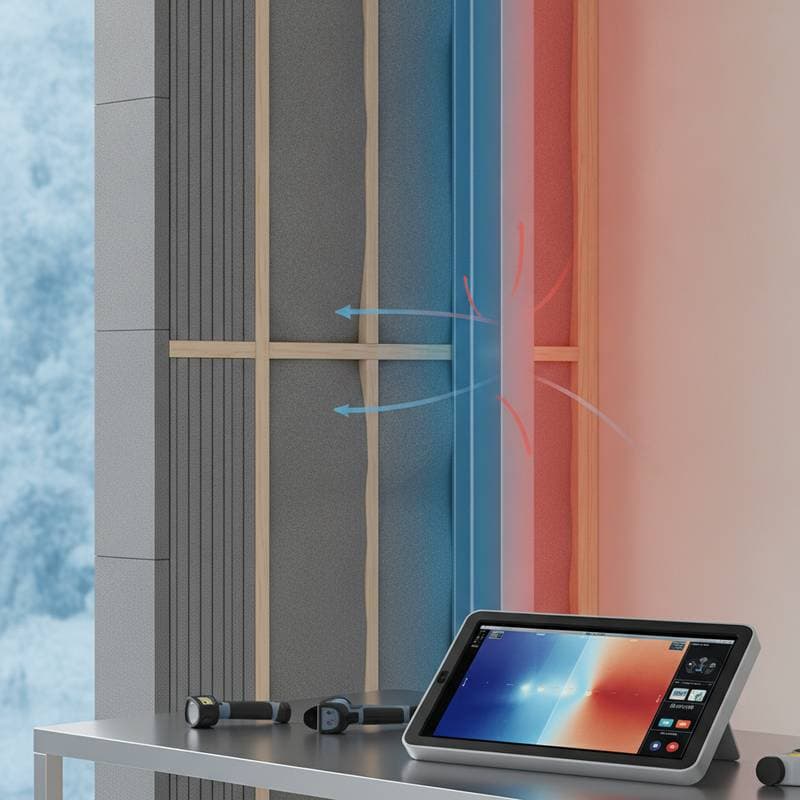
- A professional energy audit identifies where the home loses or gains heat most rapidly.
- Engineers determine the appropriate battery capacity based on daily thermal loads.
- Material selection involves choosing between water tanks for cost effective storage or phase change materials for compact efficiency.
- Technicians connect the storage system to the HVAC loop while ensuring proper insulation and sensor calibration.
- The system undergoes performance checks and control strategy adjustments for optimal comfort.
This process typically takes three to five days for residential scale projects.
Tips to Boost Home Eco Efficiency
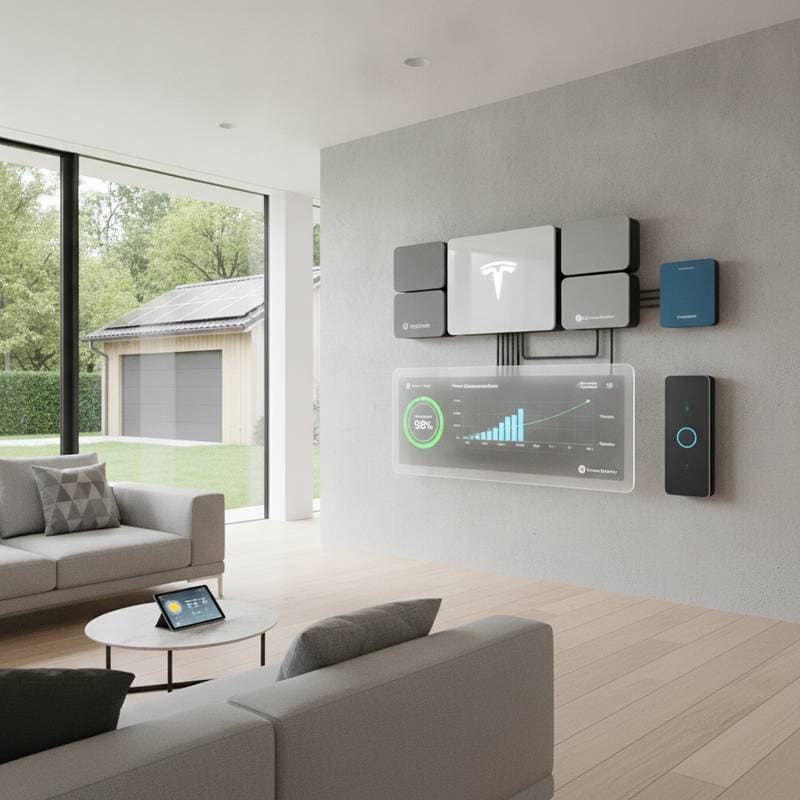
Integrate smart controls by pairing the thermal battery with a smart thermostat. Automated scheduling ensures storage occurs during low cost utility periods. Combine the system with renewable energy by linking thermal storage to rooftop solar panels. Seal air leaks because professional sealing can improve system performance by 10 to 15 percent. Monitor usage through an energy dashboard to track savings and adjust storage timing.
Cost Savings and Longevity
A basic water based system starts around $3,500 while advanced phase change modules reach $10,000 or more. Homeowners often recover costs within five to eight years through reduced utility bills and longer HVAC lifespan. Energy savings typically range from 20 to 40 percent annually depending on climate and rate structures. Maintenance involves annual inspections and occasional sensor recalibration.
Environmental and Community Impact
Thermal storage contributes to larger sustainability goals by smoothing demand peaks and lowering the need for fossil fueled peaker plants. Communities benefit from cleaner air and fewer emissions. In neighborhoods where multiple homes adopt the technology utilities may offer incentives for load management participation.
Safety and Compliance
Every retrofit must adhere to local building codes. Hire a licensed contractor familiar with pressure rated tanks non toxic storage media and structural support requirements. Some regions require permits for integrating thermal storage with HVAC systems. A vetted professional can streamline approvals and ensure compliance with green certification programs.
Next Steps for Homeowners
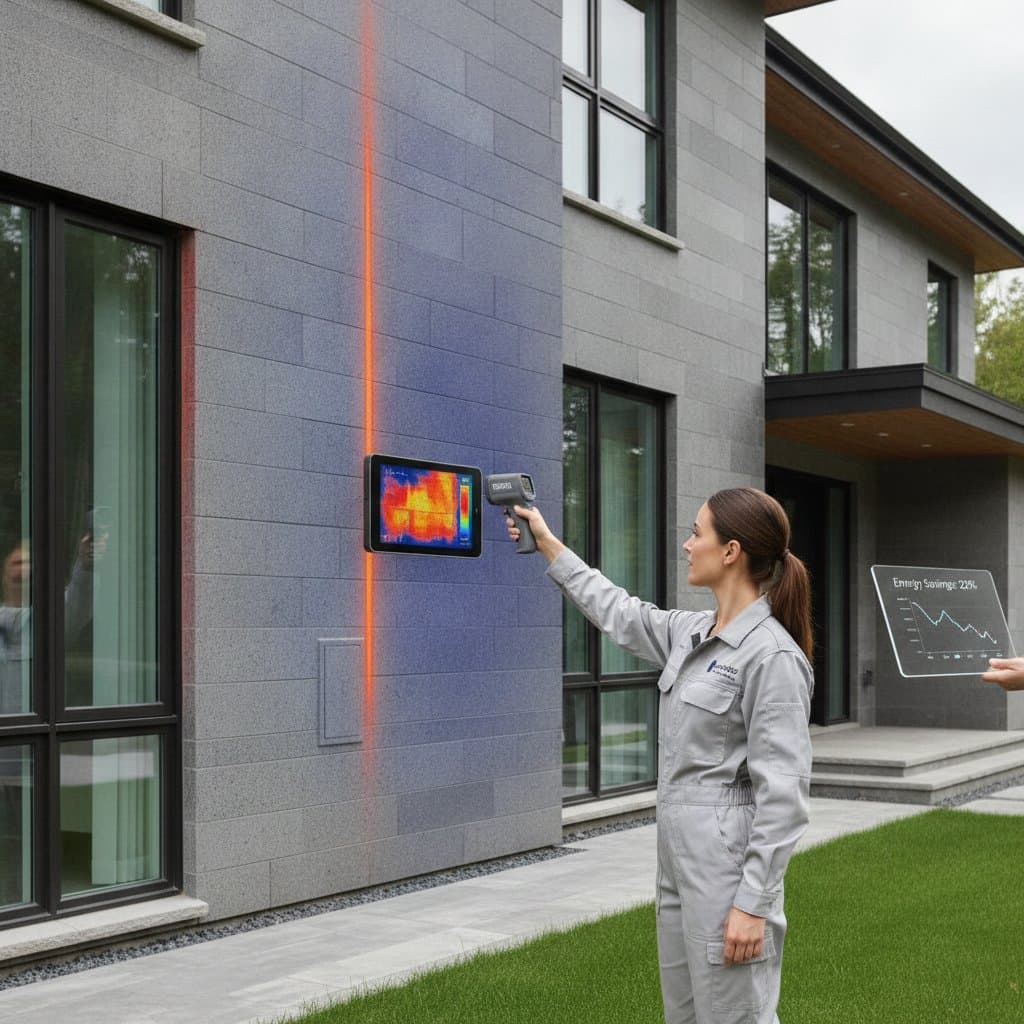
Schedule a professional energy audit to reveal where the home gains or loses heat and to determine the right retrofit path. Decide between modular storage units or integrated systems that connect directly to the existing HVAC. Work with certified experts who understand local climate conditions. Proper design and installation ensure the investment delivers reliable comfort for decades. Once installed the system provides steadier indoor temperatures quieter equipment operation and lower monthly bills.