Cut Your Energy Bills by 60% Using Grid-Interactive Water Heaters
When your energy bill arrives, you probably notice that hot water accounts for a large share of total costs. Grid-interactive water heaters combine smart technology with energy market incentives to deliver real savings. These units also support a cleaner and more efficient power system.
Key Benefits
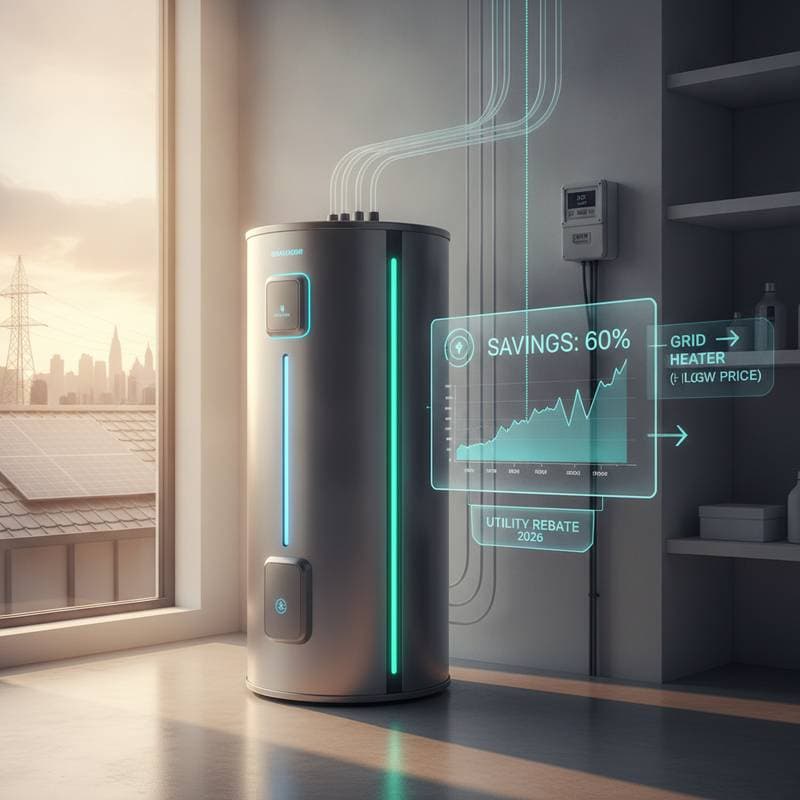
- Households using grid-interactive water heaters can reduce water heating costs by up to 60 percent through smart scheduling and utility incentives.
- These systems store heat during low-cost off-peak hours and release it when energy prices rise.
- Many utilities offer rebates of 300 to 800 dollars for installing grid-interactive models.
- Participation in demand response programs can generate additional bill credits or payments.
- Unlike traditional units, these heaters communicate with the grid to balance supply and demand without compromising comfort.
How Grid-Interactive Water Heaters Function
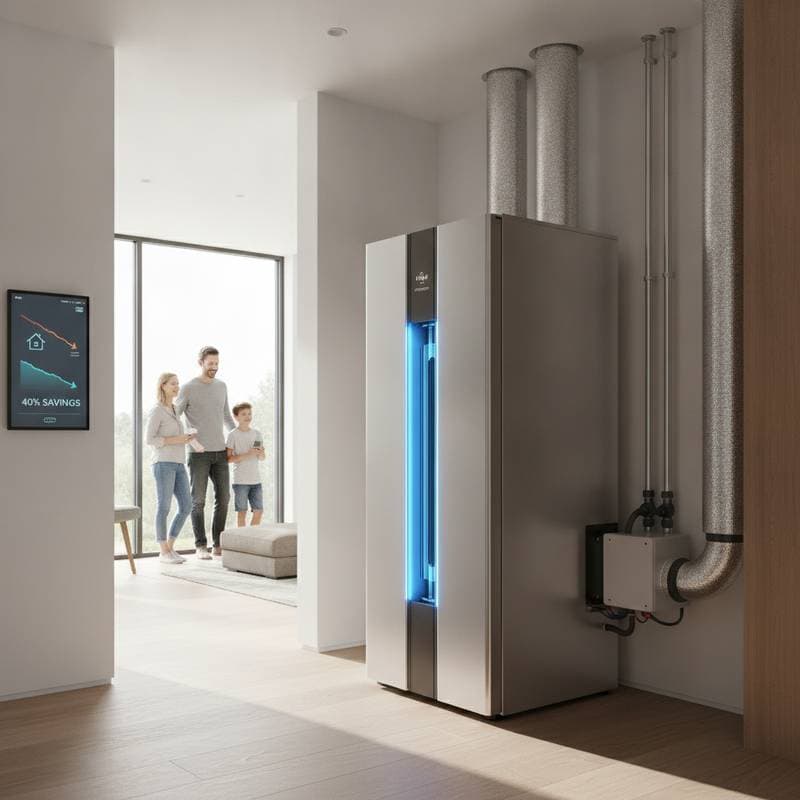
A grid-interactive water heater operates like a thermal battery. It heats water when electricity is cheaper or more abundant and pauses heating when demand spikes. Built-in communication technology connects the unit to your utility demand response network.
Water heating represents about 15 percent of a typical home energy consumption. Shifting usage to periods when electricity is cleaner and less expensive reduces overall costs. Modern models use sensors, Wi-Fi connectivity, and software controls to monitor grid conditions, energy prices, and household hot water needs.
The system stores extra heat in the tank during low-demand times. It delays reheating when demand rises. You set your preferred water temperature, and the unit manages timing automatically. This approach maintains expected comfort levels at lower expense.
Traditional Versus Grid-Interactive Models
| Feature | Standard Electric Water Heater | Grid-Interactive Water Heater |
|---|---|---|
| Heating Schedule | Fixed, based on thermostat | Dynamic, based on grid signals |
| Energy Efficiency | Moderate | High, due to load shifting |
| Connectivity | None | Wi-Fi or utility network enabled |
| Utility Incentives | Rare | Common, including rebates and bill credits |
| Typical Savings | Minimal | Up to 60 percent reduction in heating costs |
This comparison illustrates how intelligent timing converts a standard appliance into a cost-saving asset.
Utility Support for These Systems
Utilities rely on flexible energy loads to manage renewable generation and prevent service interruptions. Solar and wind power vary throughout the day. Grid-interactive water heaters smooth those variations by storing thermal energy when renewables are abundant.
A single grid-interactive water heater provides demand flexibility comparable to a small battery system at lower cost. When thousands of units operate together, they form a virtual power plant that meets peak demand without additional fossil fuel generation.
Costs, Rebates, and Savings for Homeowners
A standard electric water heater costs between 500 and 1000 dollars. Grid-interactive models range from 800 to 1600 dollars depending on size and brand. Utilities offset much of the difference through rebates or direct installation programs.
Check your local utility website or contact the energy efficiency department for current rebate options. Most households achieve 40 to 60 percent reductions in water heating costs. A system that costs 400 dollars per year to operate can save about 200 dollars annually.
Combined with a rebate, payback occurs in roughly two to three years. Demand response programs add further value through monthly credits or annual bonuses between 25 and 100 dollars.
Environmental and Grid Advantages
Shifting water heater operation to off-peak hours supports cleaner energy use. Off-peak periods often align with higher renewable power availability. Even distribution of heating loads reduces strain on transmission infrastructure and improves overall system reliability.
Steps to Install a Grid-Interactive Water Heater
- Assess your current system to determine whether an upgrade controller suffices or a full replacement is required.
- Contact your utility for rebate details, installation requirements, and lists of approved devices.
- Select a tank capacity that matches household hot water usage for efficient load shifting.
- Arrange installation with a licensed plumber or electrician and connect the unit to Wi-Fi or the utility platform.
- Use the accompanying smartphone app to monitor energy use and confirm expected savings.
Addressing Potential Concerns
Automated controls maintain adequate hot water reserves by learning household usage patterns. Data protection standards ensure encrypted communication, with only operational information shared. Maintenance follows the same schedule as standard units, including regular flushing and inspections.
Starting Your Transition
Transitioning to a grid-interactive water heater delivers direct rebates, ongoing savings, and environmental gains. Review your utility incentive programs first. Then select models that fit your tank size and budget. Integration with existing smart thermostats or solar panels further improves overall efficiency. Every installed unit strengthens grid flexibility and advances sustainable energy use.