Uncover Energy Inefficiencies with a 2026 Home Audit
Rising utility bills signal that your home may harbor unseen energy losses. Many energy-aware households still miss subtle inefficiencies that accumulate significant costs. A thorough home energy audit pinpoints these issues and outlines targeted fixes to lower expenses while preserving comfort.
Essential Benefits of a Home Energy Audit
- Professional audits typically yield 10 to 30 percent reductions in annual utility expenses.
- Common losses stem from insulation voids, outdated appliances, and subpar lighting systems.
- Investments in smart thermostats and LED fixtures often recoup costs with returns exceeding 120 percent in the initial years.
- Air sealing combined with weatherization provides the highest efficiency gains per dollar spent.
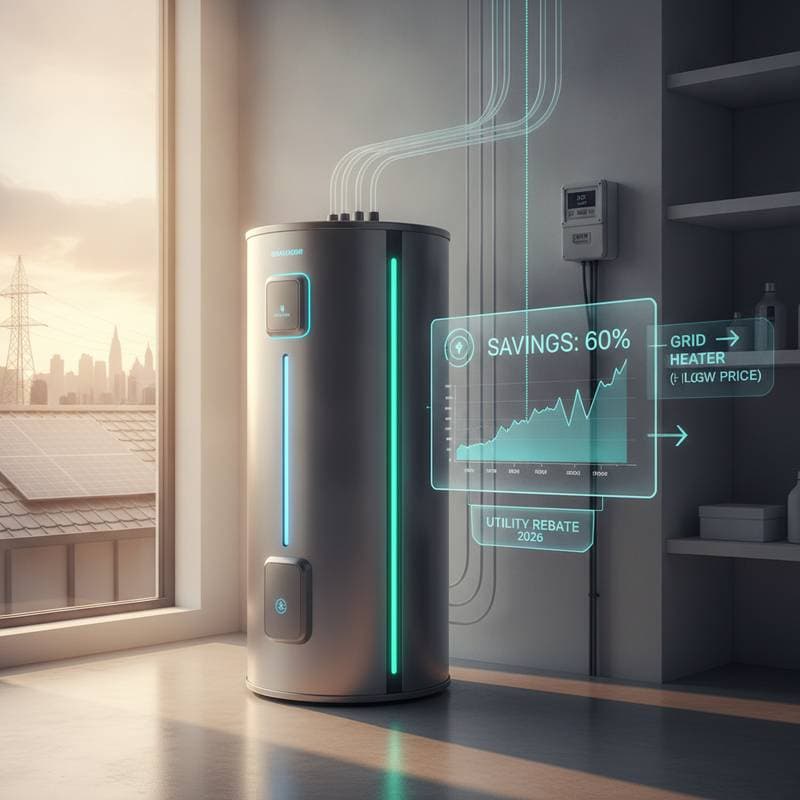
- Rebates from utilities and government programs cover up to 50 percent of upgrade expenses.
Identify Overlooked Energy Losses
Homes require regular evaluation as wear and environmental factors erode performance. Audits expose these persistent issues that inflate bills.
1. Unsealed Ducts and Air Leaks
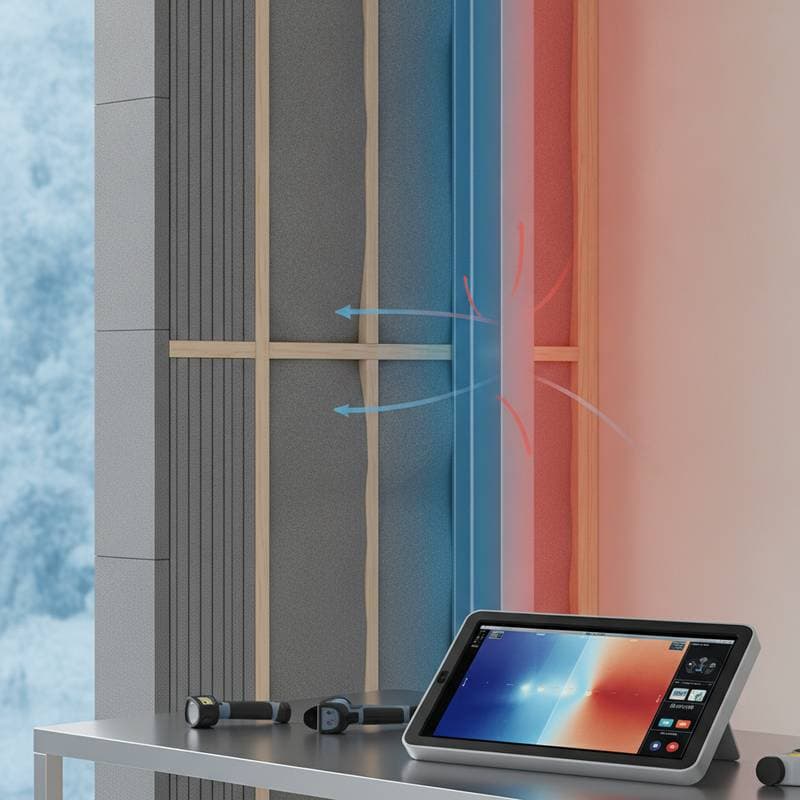
As much as 30 percent of conditioned air escapes via leaky ducts, forcing heating and cooling systems to overwork and consume excess fuel or electricity. Auditors use pressure tests to locate gaps, then recommend sealing with durable mastic compounds or reinforced foil tape. Insulating ducts in unconditioned spaces further minimizes heat transfer, enhancing overall system output.
2. Inadequate Insulation Coverage
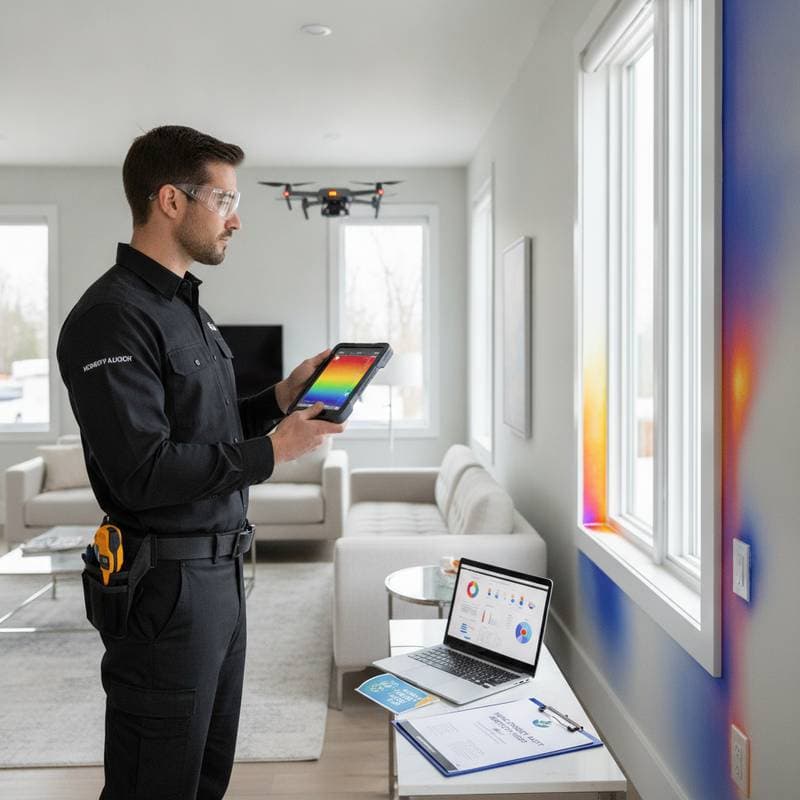
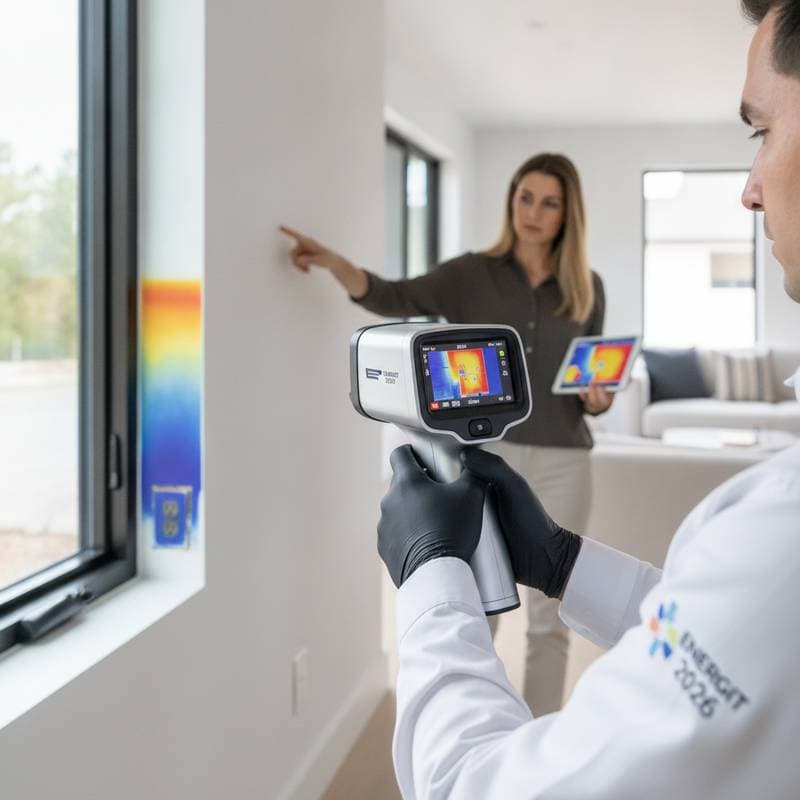
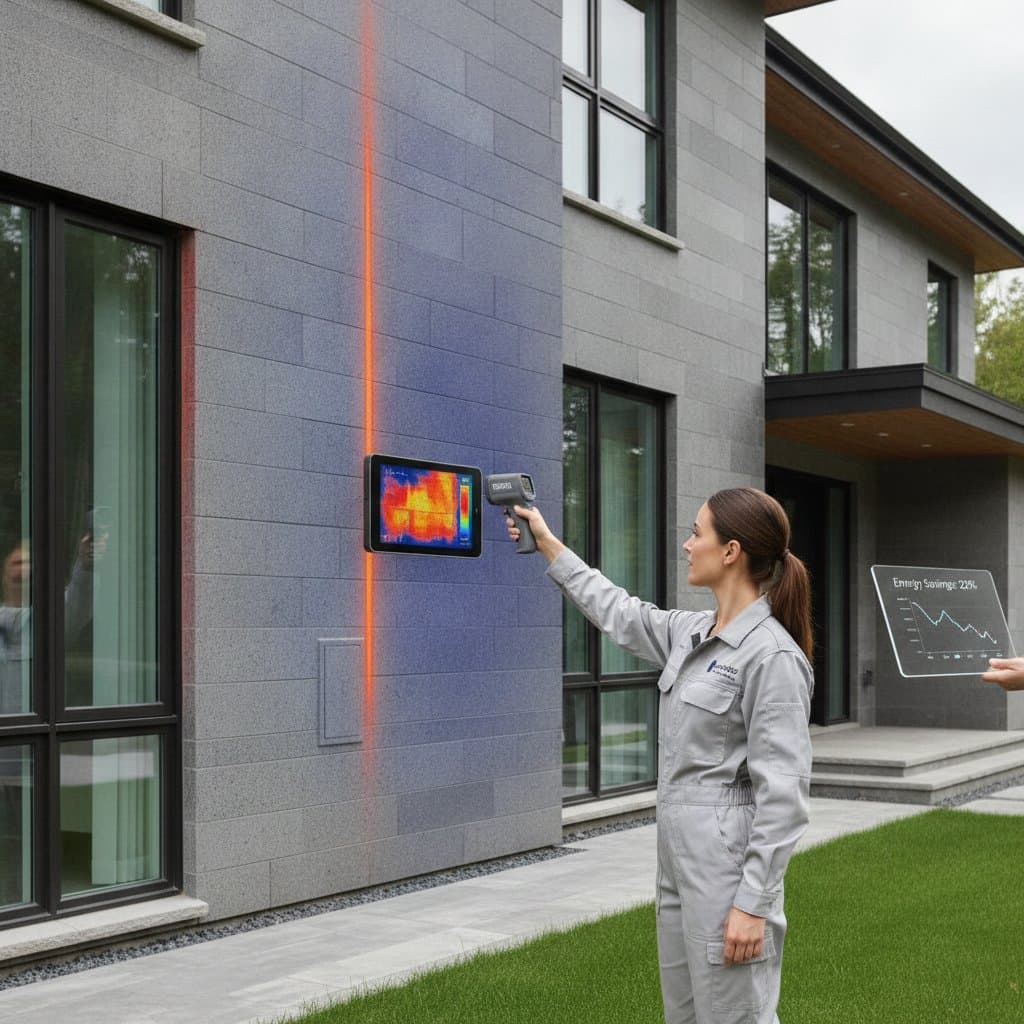
Gaps in attics, crawl spaces, and wall cavities allow temperature fluctuations that strain HVAC units. Thermal imaging during audits highlights these weak points, guiding precise insulation additions like blown-in cellulose or rigid foam boards. Enhanced barriers not only curb energy waste but also even out indoor climates for greater year-round livability.
3. Standby Power Consumption
Devices such as TVs, computers, and phone chargers draw electricity in standby mode, contributing up to 10 percent of household usage. Audits quantify these phantom loads through metering. Solutions include energy-efficient power strips that cut power to idle devices or programmable timers that align usage with active needs.
4. Outdated Household Appliances
Pre-2010 refrigerators and water heaters often use twice the energy of current models. Audits assess efficiency ratings and suggest replacements certified by ENERGY STAR. Upgrading a single unit, such as a high-efficiency washer, can recover costs through annual savings of $100 or more while reducing water and electricity demands.
Implement Audit Recommendations Effectively
Audit results guide prioritized actions that maximize savings with minimal disruption. Focus on high-yield changes first to build momentum.
Step 1: Address Air Sealing and Insulation First
These foundational measures prevent energy escape at the source. Professionals apply caulk to cracks around windows and doors, then layer insulation to R-values suited to your climate zone. Such steps lighten the load on HVAC systems, extending equipment life and cutting operational costs by 15 to 20 percent.
Step 2: Integrate Intelligent Thermostats
Devices like programmable or learning thermostats adapt to occupancy patterns, optimizing temperatures without manual input. Many integrate with home networks to deliver usage analytics via apps. Users report average savings of 10 percent on heating and cooling through automated adjustments.
Step 3: Modernize Lighting and Major Appliances
LED replacements slash lighting energy by 75 percent and last 25 times longer than incandescents. For appliances, prioritize those with the highest runtime, verifying ENERGY STAR compliance for verified performance. Bulk rebates often apply to these swaps, accelerating payback periods to under two years.
Step 4: Evaluate On-Site Renewables
With core efficiencies optimized, solar photovoltaic panels or geothermal heat pumps become viable. Site assessments during audits determine feasibility based on roof orientation and local incentives. These systems offset grid dependence, potentially eliminating bills entirely over a decade.
Sustain Efficiency Through Routine Practices
Audits initiate improvements, but consistent upkeep preserves gains. Reassess every three to five years or post-renovation to adapt to changes.
Adopt these maintenance strategies:
- Change HVAC filters quarterly to ensure optimal airflow and system efficiency.
- Clear registers and baseboards of furniture or debris to promote even air distribution.
- Adjust window treatments to block summer sun and retain winter warmth.
- Review monthly statements alongside smart meter data to spot usage trends early.
These practices compound audit benefits, guarding against efficiency erosion.
Schedule Your Audit and Secure Savings
View your home as an interconnected energy ecosystem. An audit maps consumption patterns, waste points, and conservation potential. Translate insights into upgrades scaled to your finances, from quick wins like sealing drafts to strategic shifts like appliance overhauls.
Certified auditors, often available through utilities, provide tailored plans. Leverage rebates to minimize outlays, achieving not just bill reductions but a resilient, eco-friendly residence. Efficiency upgrades deliver tangible returns, starting with your next informed decision.