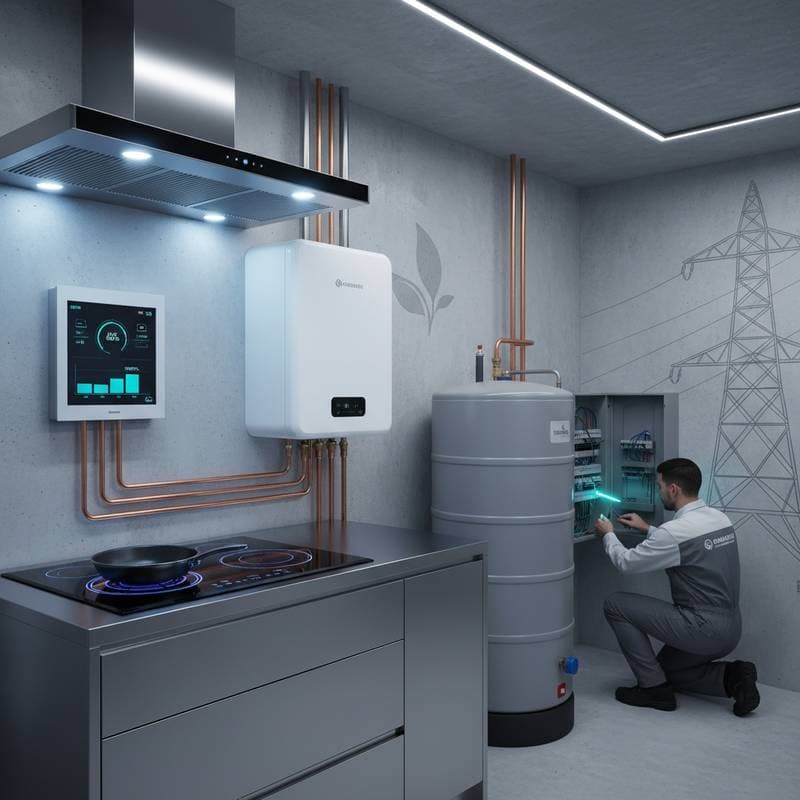
Key Points
- Transitioning from natural gas to electric systems can reduce household energy costs by up to 60 percent.
- Advanced electric technologies, including heat pumps and induction cooking, offer superior performance and lower emissions.
- Thoughtful planning, available incentives, and gradual upgrades render electrification feasible for various budgets.
- Accurate sizing, enhanced insulation, and careful equipment selection prove vital for realizing anticipated savings.
- Electrification enhances health outcomes, comfort levels, and property values while advancing sustainability objectives.
The Shift in Home Energy Use
Picture receiving a utility bill that shows energy expenses reduced by more than half, all while maintaining the same level of comfort. Numerous homeowners experience this change upon adopting electric systems in place of gas ones. Escalating fuel prices, outdated infrastructure, and heightened environmental consciousness present an ideal moment to reevaluate home power sources.
Electrification extends beyond mere trends. It constitutes a pragmatic financial and ecological approach, supported by established technologies. Homeowners who substitute gas appliances with contemporary electric counterparts find that efficiency and comfort align seamlessly with significant enduring savings.
Financial Advantages of Electrification
Energy efficiency forms the cornerstone of sustainable living, yet the financial aspects have grown especially persuasive. In numerous regions, the expense of running electric heat pumps, induction cooktops, and electric water heaters falls well below that of their gas counterparts.
A standard household that converts heating, water heating, and cooking systems may observe a 40 to 60 percent decline in overall energy consumption. Pairing electricity with effective design and renewable energy sources can elevate these operational savings further.
Average Cost Comparison
| System Type | Upfront Cost Range | Annual Operating Cost | Estimated ROI Period |
|---|---|---|---|
| Gas HVAC and Water Heater | Moderate | High | 10 to 15 years |
| Electric Heat Pump HVAC | Higher | Low | 5 to 8 years |
| Induction Cooking | Moderate | Low | 3 to 5 years |
Although certain electric systems carry elevated initial costs, diminished energy consumption generally recoups the investment within several years. Following the payback period, savings persist without interruption.
Principles of Electric Efficiency
The efficiency of electric systems stems from fundamental physics. Gas appliances dissipate a share of their energy through combustion and venting processes. Electric systems, however, transform almost all input energy into practical heat or power.
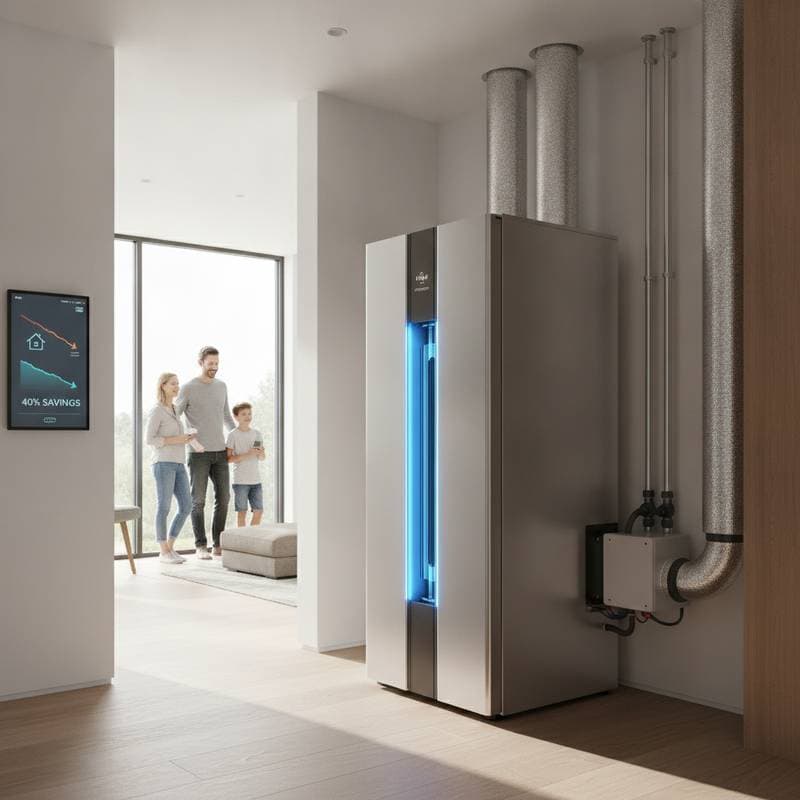
Heat Pumps: These units move heat rather than generate it anew. They produce three to four units of heating or cooling for each unit of electricity used, which directly lowers utility bills.
Induction Cooking: This technology employs magnetic fields to warm cookware directly, bypassing the cooktop surface. It achieves approximately double the efficiency of gas methods, yielding quicker, safer, and more accurate results.
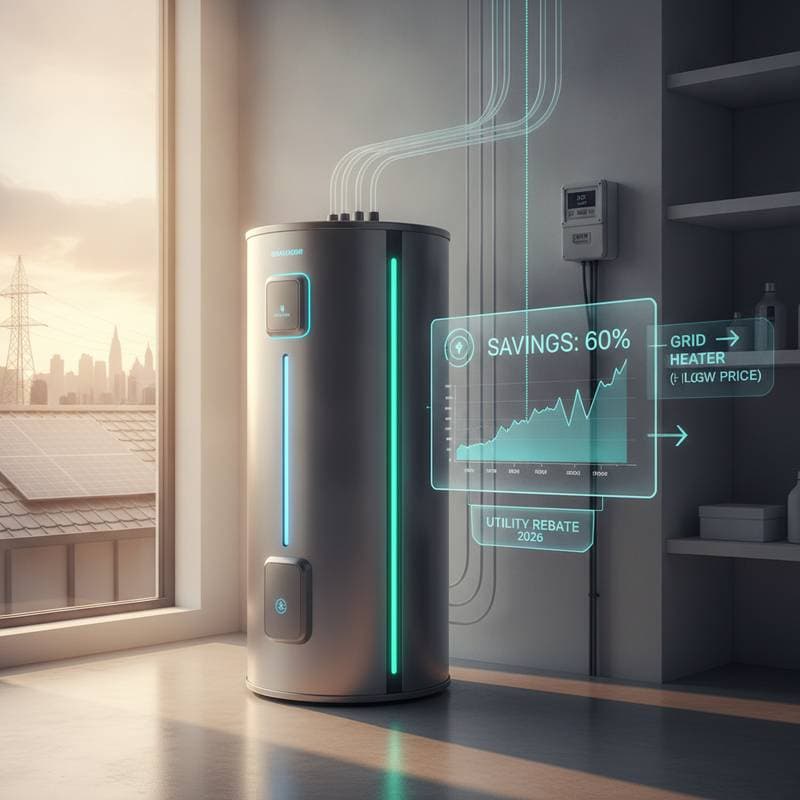
Electric Water Heating: Contemporary heat pump water heaters demonstrate up to three times the efficiency of gas units, particularly when integrated with intelligent controls that schedule operations during lower-demand periods.
Environmental and Health Advantages
Electrification yields benefits that surpass mere cost reductions by substantially curbing household emissions. Gas burning releases carbon dioxide and indoor contaminants like nitrogen dioxide, which build up in kitchens and living spaces. Electric systems eradicate these combustion emissions, thereby elevating air quality and resident well-being.
Environmentally, each installed electric appliance contributes to a reduced carbon profile. As electrical grids integrate greater renewable energy proportions, the environmental impact of electrified homes diminishes progressively.
Steps for a Smooth Transition
Homeowners need not electrify everything simultaneously. Deliberate planning enables a paced shift that leverages incentives and limits interruptions.
Step 1: Focus on Efficiency Improvements
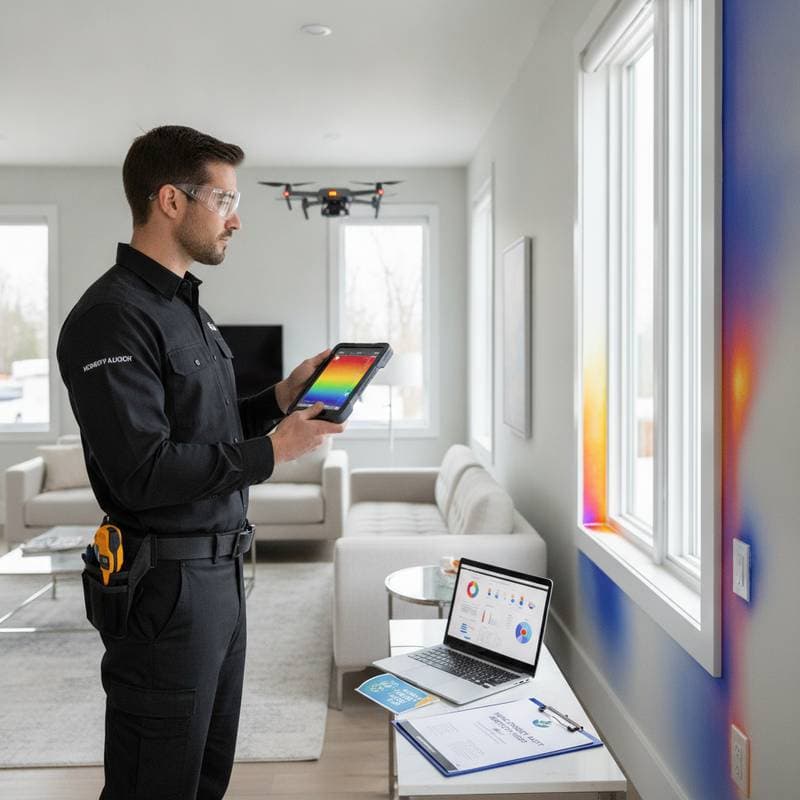
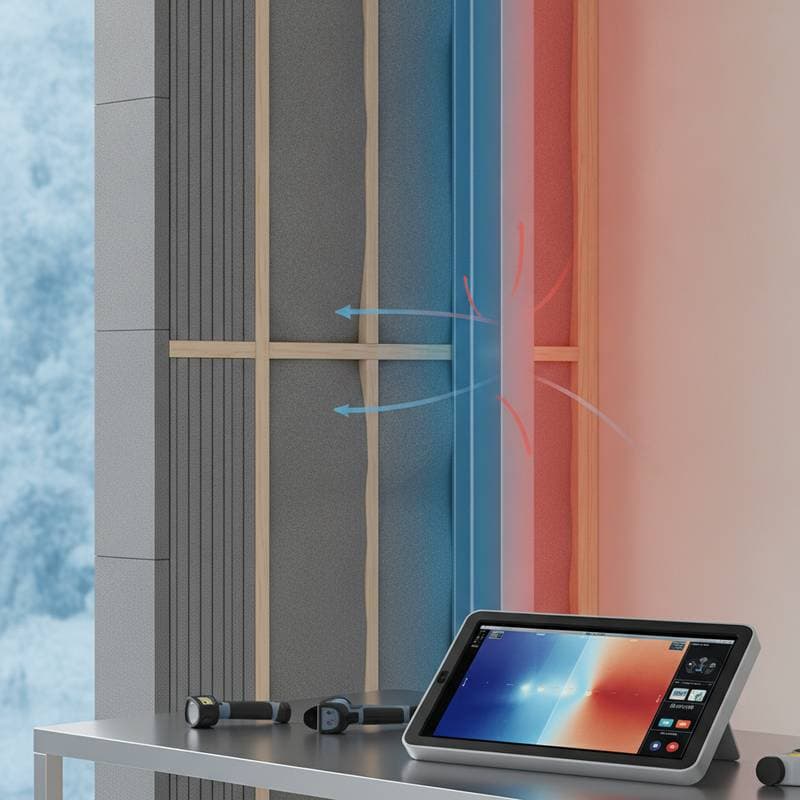
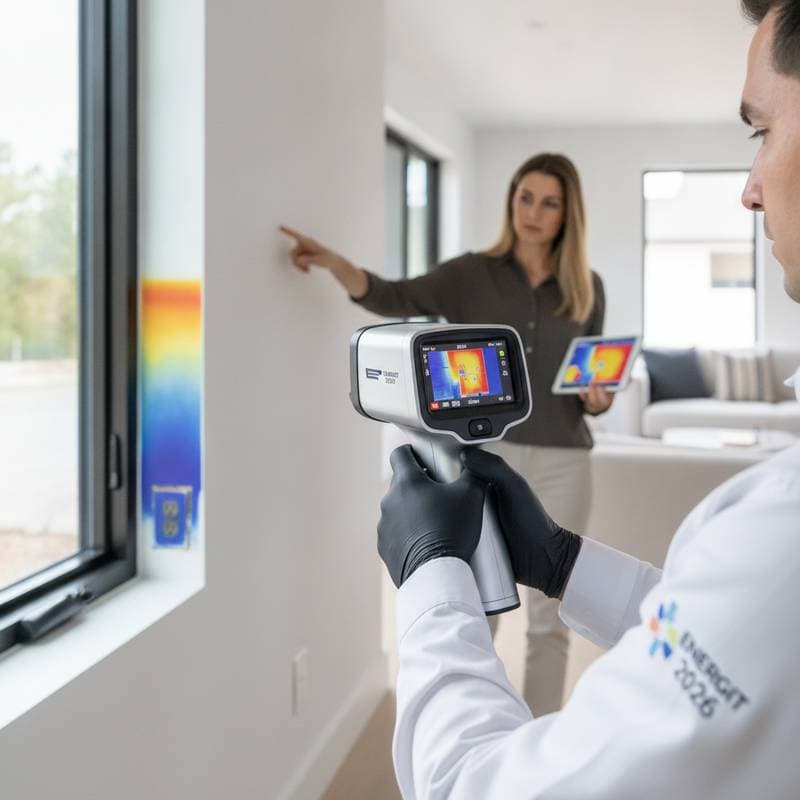
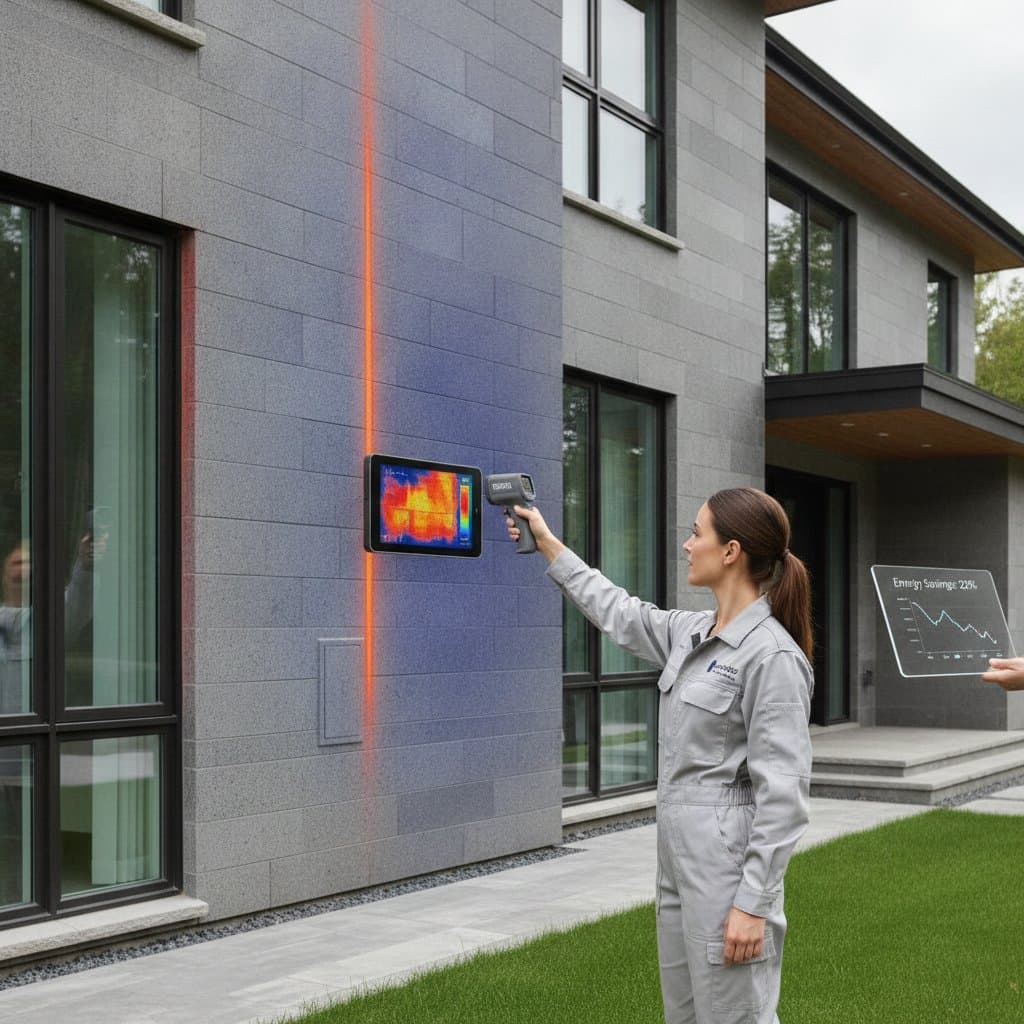
Prior to equipment replacement, enhance insulation, close air gaps, and update windows as necessary. A well-sealed building envelope guarantees optimal performance from new electric systems.
Step 2: Time Replacements with Equipment Lifecycle
Anticipate upgrades rather than react to failures. As a gas furnace or water heater approaches obsolescence, select an electric substitute in its place.
Step 3: Investigate Incentives and Funding Options
Utility initiatives and governmental rebates can offset initial expenses by thousands of dollars. Combine these with favorable energy loans to distribute costs across years.
Step 4: Evaluate Electrical Capacity
Aging residences might necessitate panel enhancements or extra circuits for new devices. Engage a certified electrician to review existing setup and suggest necessary adjustments.
Factors Influencing Costs
Electrification economics vary by regional utility rates and weather patterns, though broad patterns apply widely. Electricity costs remain steadier than gas, which fluctuates with international supply chains. This predictability aids in projecting future expenses.
Savings amplify when upgrading multiple systems concurrently. For instance, installing a heat pump for HVAC alongside an electric water heater and induction cooktop optimizes shared wiring and evens electrical demands.
Across 15 years, full electrification savings often surpass initial outlays multiple times. Factoring in resale premiums, properties equipped with efficient electric features attract higher market values owing to reduced running costs and updated amenities.
Addressing Persistent Myths
Homeowners frequently delay electrification based on antiquated views of reliability. Current innovations resolve many longstanding issues.
- Electric heating struggles in harsh winters. Advanced heat pumps function effectively in subzero temperatures, delivering steady warmth without supplementary fuels.
- Induction cooking offers limited responsiveness. Many professional cooks favor induction for its rapid heating and exactness; temperature shifts occur almost instantly.
- Electric operation proves costlier long-term. Efficient models leverage superior energy conversion and reduced upkeep, making electricity more economical overall.
Dispelling these myths requires recognizing technological progress. Independent evaluations confirm that modern electric systems excel over gas in comfort and expense metrics.
Practical Return on Investment Examples
Examine a medium-sized residence swapping a gas furnace and water heater for a variable-speed heat pump and hybrid electric water heater. Installation may incur several thousand dollars extra initially, yet it could halve yearly energy outlays. Within ten years, accumulated savings likely outpace the added cost substantially.
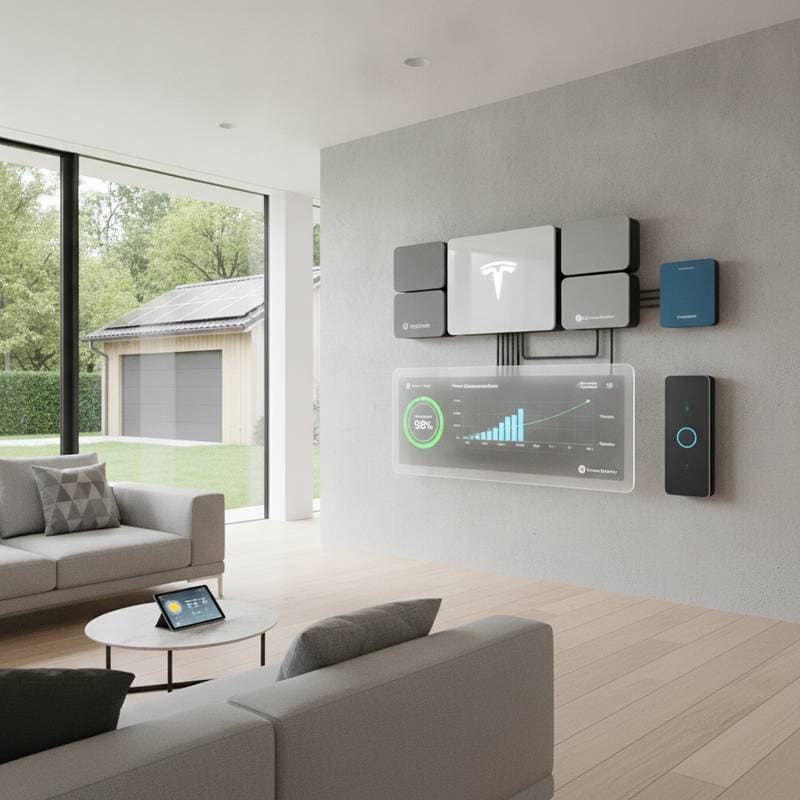
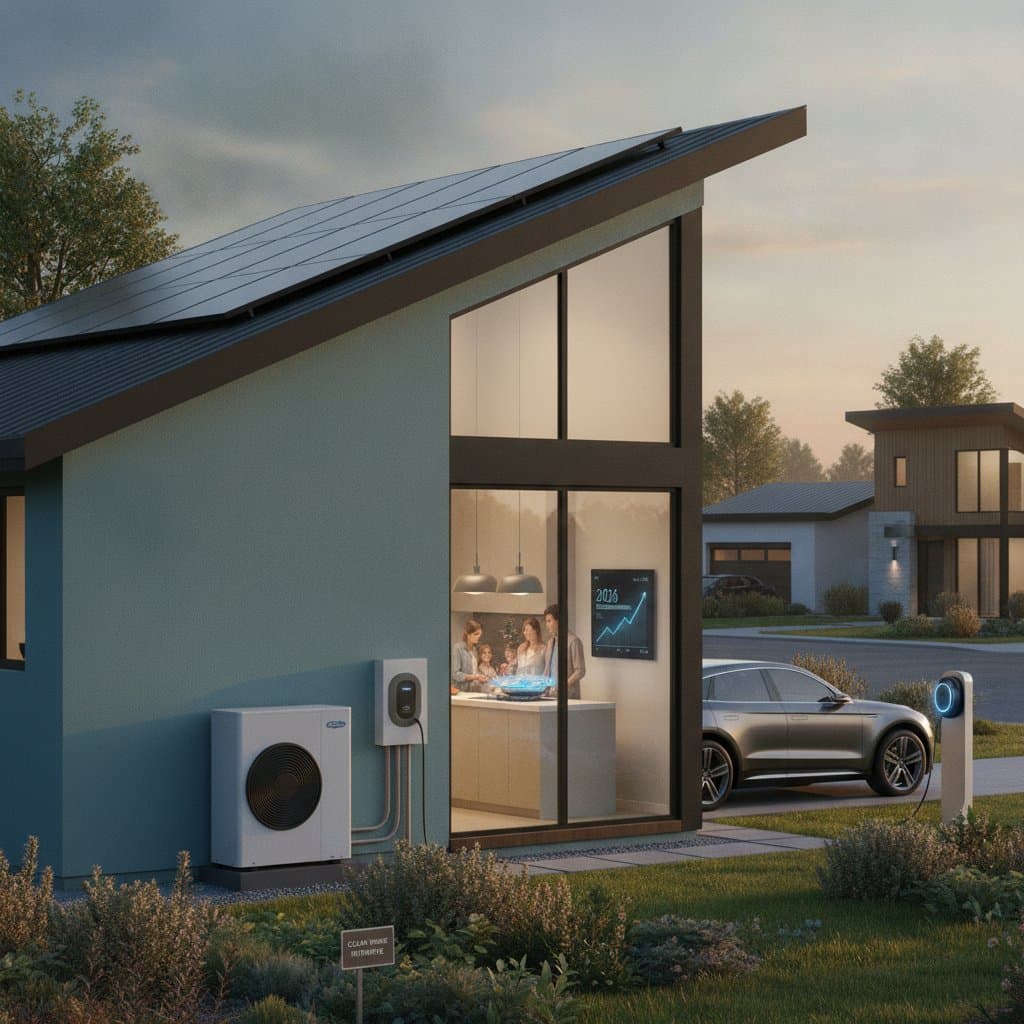
Subsequent solar panel integration further minimizes expenses. Electric setups pair effortlessly with on-site generation, paving the way for self-sufficient energy use.
Everyday Comfort and Well-Being Gains
Quantifiable finances matter, yet enhanced daily living often provides the greatest payoff. Electric systems sustain even temperatures, run silently, and demand minimal servicing. Indoor atmospheres feel fresher, meal preparation accelerates, and overall home ambiance improves.
Households with young children or those prone to allergies report swift enhancements in comfort. For numerous residents, these qualitative improvements rival monetary benefits in importance.
Implementing Your Electrification Plan
Embark on an electric home conversion with a structured strategy. First, analyze existing energy patterns, then seek advice from experts versed in building dynamics and regional regulations. Request precise load assessments, performance specifications, and full-cost projections.
Phase implementations by targeting least efficient components initially. Initial changes, such as adopting induction cooking or a heat pump water heater, yield prompt results and foster momentum for broader efforts.
These decisions coalesce over time into a residence that operates more affordably, offers superior comfort, and bolsters ecological aims. Achieving 60 percent reductions in gas-related costs emerges as an attainable outcome, enabled by user-friendly technology and informed strategies.
Regardless of urban density or rural setting, the prospects remain consistent. Electrification furnishes a dependable method to safeguard finances, elevate health, and foster enduring stability. Initiate the forthcoming energy evolution within your own walls, system by system.