Key Points
- Mycelium-based mushroom insulation provides natural thermal regulation and requires minimal energy during production.
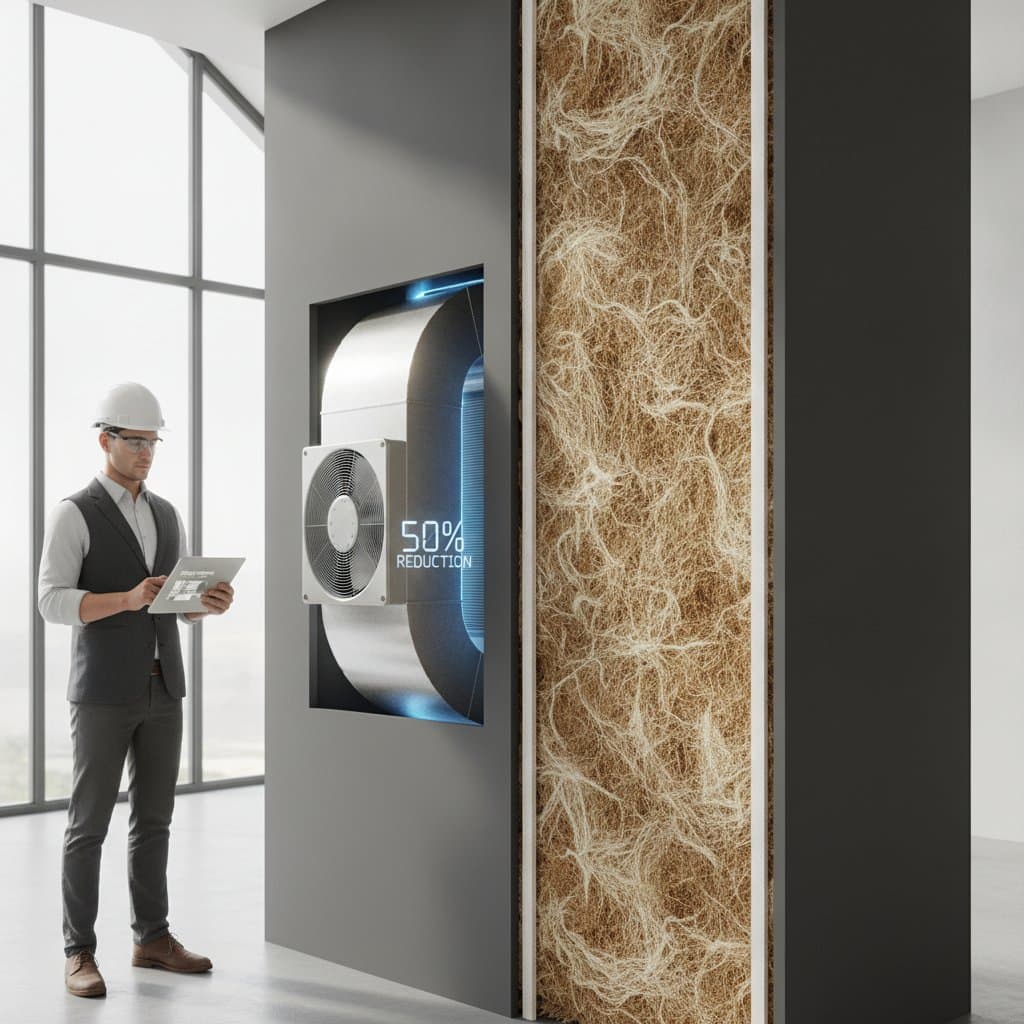
- Homeowners may achieve energy cost savings of 25 to 40 percent, based on factors such as home design and regional climate.
- This insulation matches the performance of traditional foams without introducing toxic chemicals or generating high manufacturing emissions.
- Its tolerance for moisture and full biodegradability position it as an ideal option for renovations and new builds.
- Pioneering users incorporate mycelium panels into walls, attics, and floors to support net-zero energy objectives.
The Need for Innovative Insulation Materials
Many homes lose energy through inadequately insulated walls, attics, and foundations. Contemporary building practices frequently depend on petrochemical foams or fiberglass batts, which deteriorate, shed microfibers, or consume substantial energy in production. Although these options function adequately, they impose significant environmental burdens. Mushroom insulation introduces a biological approach to thermal protection that prioritizes sustainability.
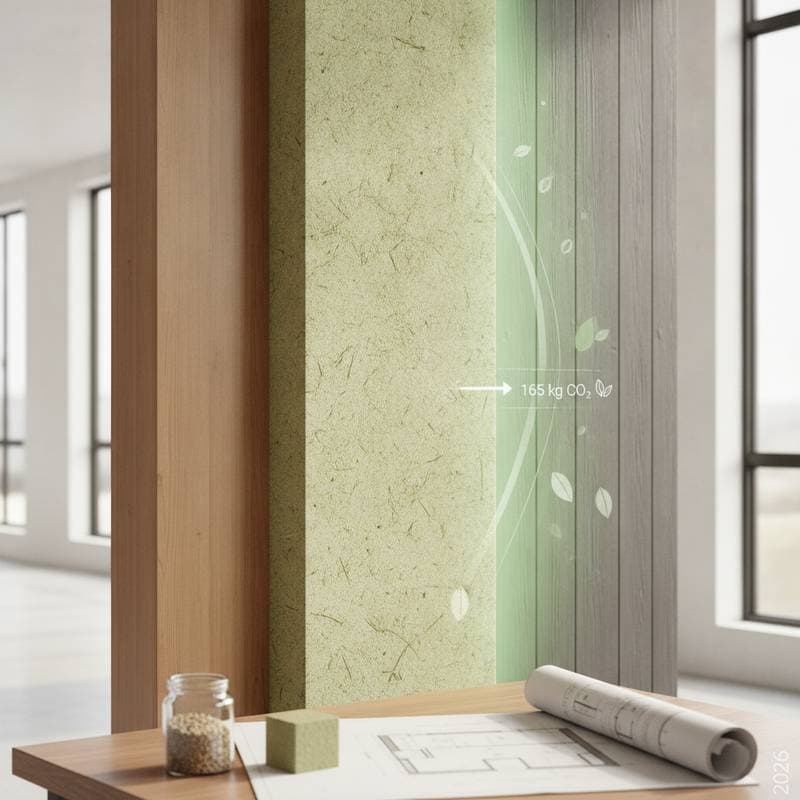
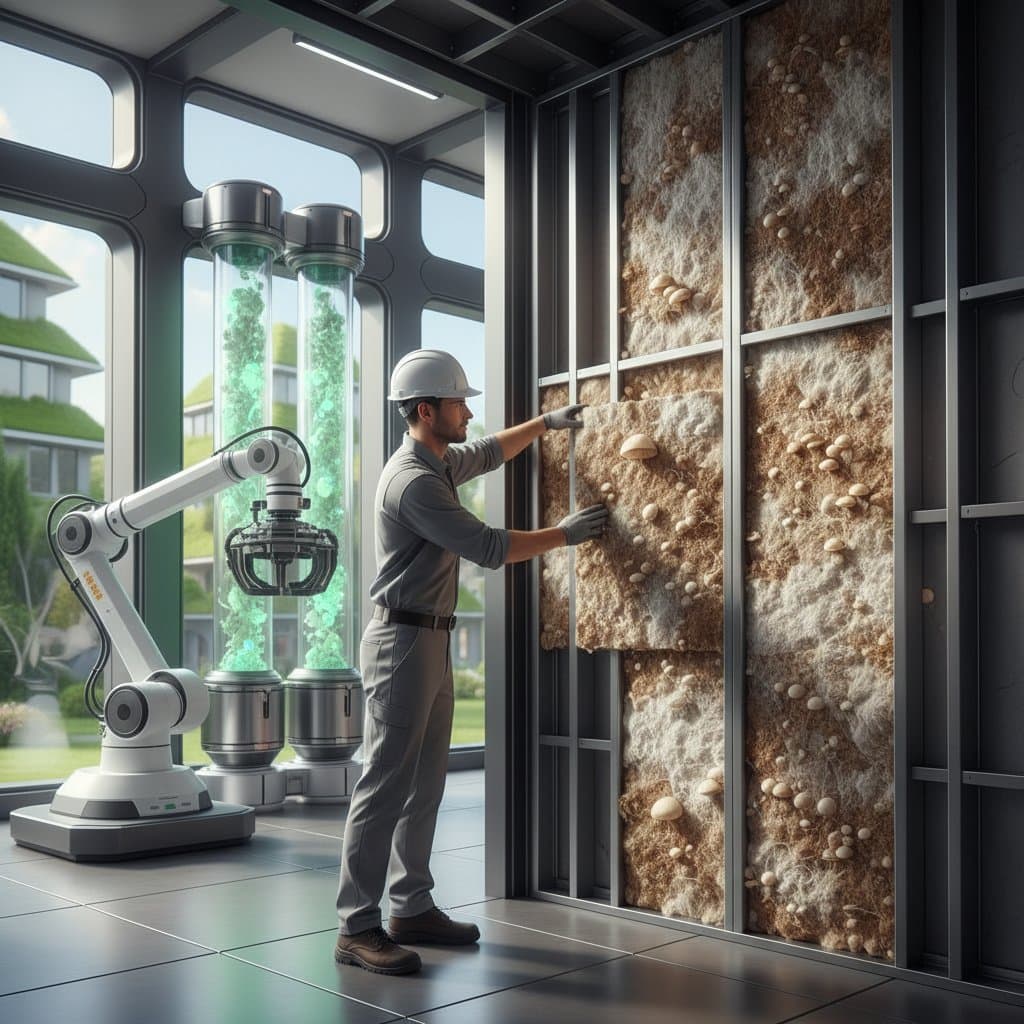
Mycelium, the thread-like network of fungi, develops from organic byproducts like hemp hurd, sawdust, or corn stalks. Under regulated growth conditions, it forms a sturdy, lightweight foam that shapes into panels for easy application. This process yields a renewable resource that sequesters carbon throughout its lifecycle.
Laboratory tests show mycelium insulation attains an R-value of 3.5 to 4 per inch, aligning with mineral wool or cellulose standards. Proper installation enhances breathability, which stabilizes indoor humidity and eases the load on heating, ventilation, and air conditioning systems.
Health and Environmental Advantages
Conventional insulation materials often compromise indoor air quality through emissions from adhesives or flame retardants containing formaldehyde. Such releases can irritate respiratory systems and persist over time. Mycelium insulation avoids these issues completely, as it relies on no synthetic additives or volatile substances, ensuring safety for vulnerable residents.
The material exhibits inherent fire resistance due to chitin, which promotes charring over burning. Once cured, it deters mold proliferation, a critical feature in damp regions prone to condensation. These properties maintain insulation integrity without additional treatments.
For households seeking improved living conditions, mycelium integration fosters purer air, consistent moisture balance, and minimal chemical contact. Homes equipped with this insulation maintain a fresh atmosphere, free from the odors or particulates linked to fiberglass or foam alternatives.
Mycelium Versus Conventional Options
Insulation selections vary by performance attributes, including expense, installation simplicity, longevity, and ecological effects. Decision-makers weigh these elements against project needs.
Fiberglass: Inexpensive and accessible, yet susceptible to fiber release and ineffective sealing.
Spray Foam: Superior as an air seal with elevated R-values, but costly, energy-intensive to produce, and potentially hazardous chemically.
Cellulose: Incorporates recycled elements with solid insulation, although it may compact and retain water over years.
Mycelium: Regenerative and decomposable, it delivers reliable thermal control, low carbon emissions, and innate moisture management.
Over the full lifecycle, mycelium frequently surpasses synthetics by minimizing replacements and curbing energy consumption. Initial costs, though elevated, yield returns through sustained efficiency and ecological gains.
Practical Applications for Mushroom Insulation
Mushroom insulation adapts to diverse projects, from comprehensive overhauls to targeted upgrades. Consider these implementation strategies:
- Attic Upgrades: Substitute aged fiberglass with mycelium panels to realize prompt reductions in energy loss.
- Wall Filling: Apply loose mycelium fill in legacy structures with restricted access to cavities.
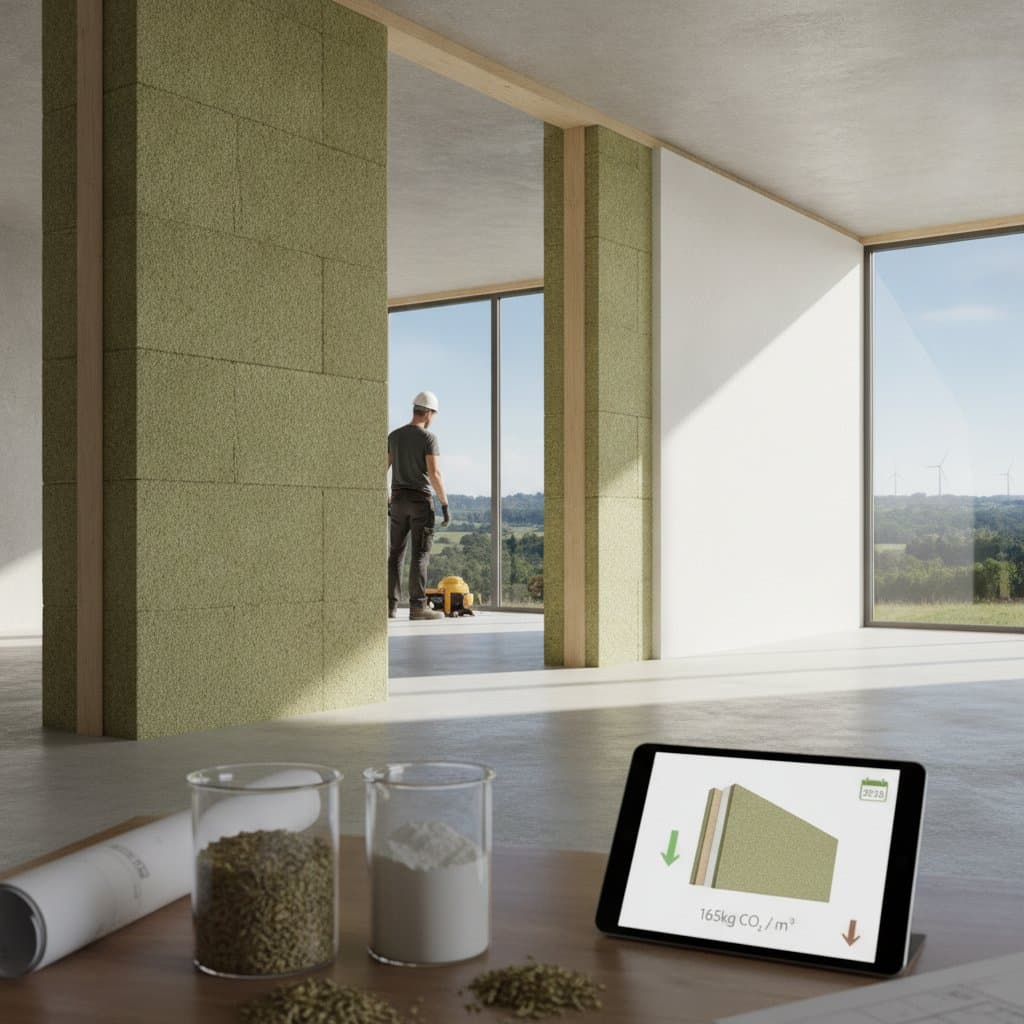
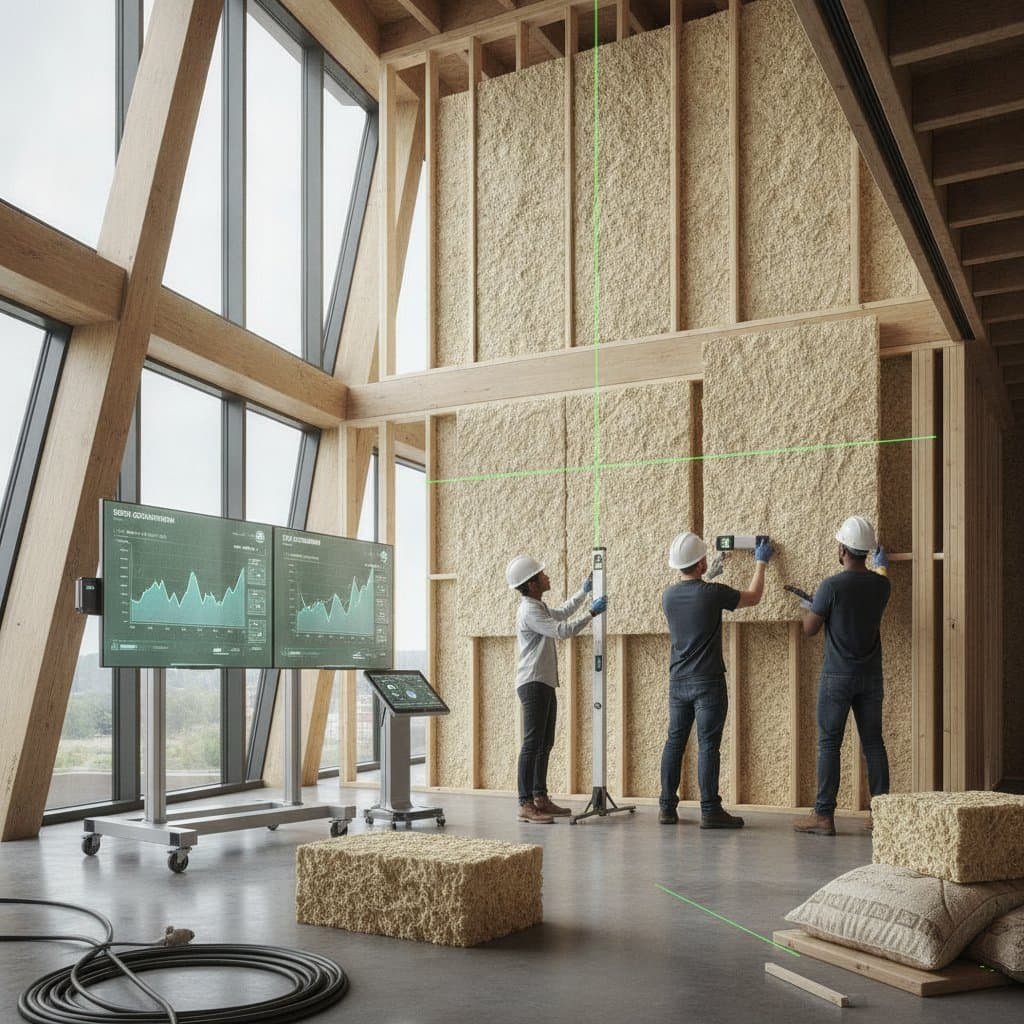
- Fresh Builds: Embed mycelium boards in structural insulated panels for an all-biological building shell.
- Flooring and Subfloors: Leverage moisture resilience to insulate against soil temperature fluctuations.
Budgeting should account for labor in panel alignment and customization, comparable to handling mineral wool or cellulose. Enthusiastic self-installers can access starter kits to cultivate panels at home, blending learning with economy.
Industry Trends and Adoption
Bio-based materials evolve from experimental to essential in construction. Mycelium insulation aligns with this momentum, supplanting high-impact alternatives. Developers note rising client preferences for traceable sourcing and reduced environmental footprints.
Property experts report heightened demand for residences featuring verified efficiency and non-toxic components. This insulation addresses those priorities, merging stewardship with economic advantages. Expanded production anticipates price declines, broadening reach to varied budgets and endeavors.
Beyond substitution, mycelium signals regenerative architecture, where elements aid ecological recovery. Professionals view it as a performance-equivalent class that advances decarbonization in building sectors.
Experiencing the Benefits of a Greener Home
After installation, mushroom insulation operates seamlessly, eliminating drafts, stabilizing temperatures, and trimming utility expenses. It dampens noise and humidity for a serene interior. Owners gain assurance from walls crafted by nature's recycler.
Effective design extends beyond mitigation to enhancement of daily life. Mycelium insulation realizes this vision, converting byproducts into thermal comfort, efficiency into fiscal relief, and progress into routine habitability. Those committing to durable, responsible choices find in it a blend of utility and intent that endures.