Key Points
- Mycelium-based mushroom insulation redefines sustainable energy efficiency for homeowners and builders.
- This biodegradable option lowers embodied carbon, stabilizes indoor temperatures, and resists fire and pests naturally.
- Long-term energy savings make installation costs comparable to traditional materials.
- Production utilizes agricultural byproducts, fostering local circular economies.
- Professional installation addresses moisture management, curing, and adherence to green building standards.
A New Chapter in Sustainable Comfort
Green building professionals observe homeowners grappling with escalating energy costs and the demand for environmentally sound improvements. Envision entering your home on a humid afternoon to encounter a cool, consistent atmosphere that eases the load on your air conditioning system. This level of comfort may soon derive from a material cultivated rather than produced in factories.
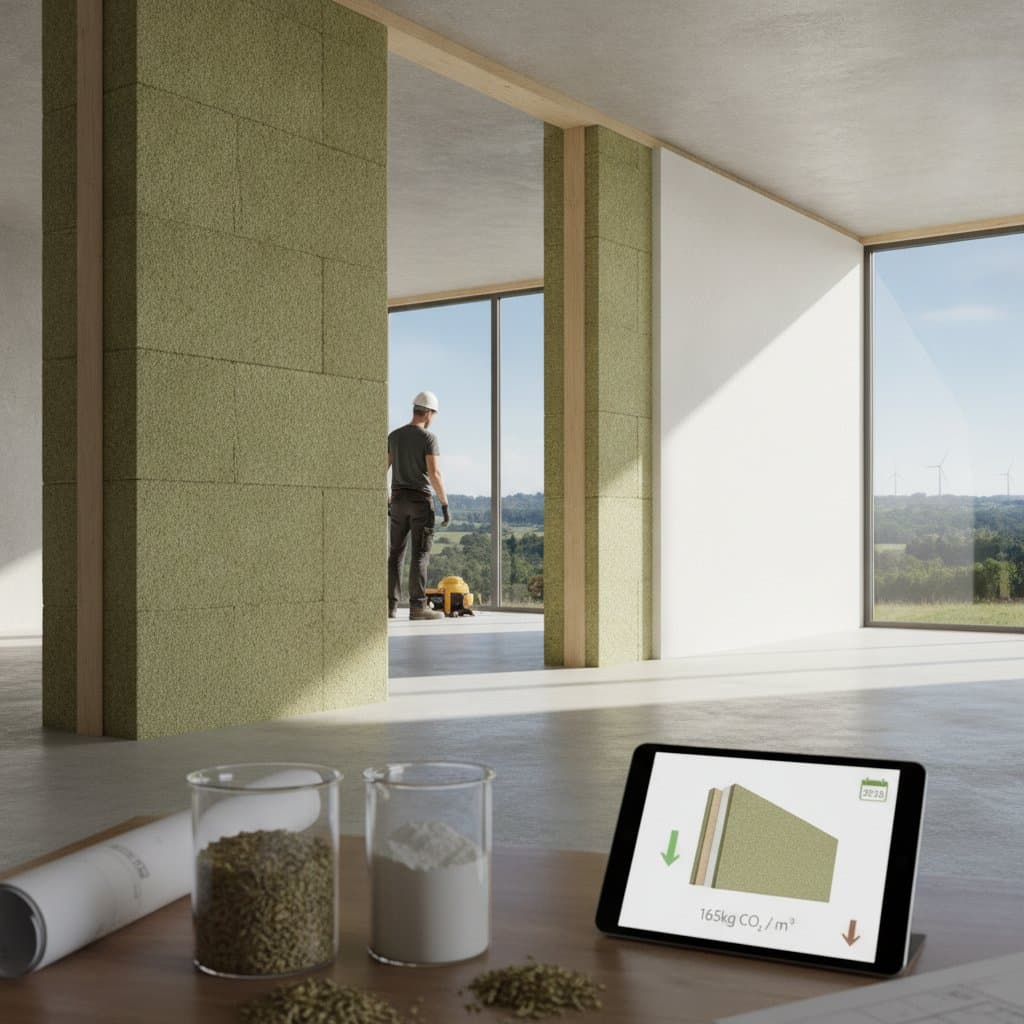
Mushroom insulation, derived from the root-like mycelium of fungi, gains prominence in sustainable construction. Producers combine mycelium with agricultural residues like corn husks or hemp stalks to grow dense, spongy panels. These panels match the thermal performance of conventional insulation while minimizing environmental impact.
Homeowners increasingly favor materials that integrate with natural ecosystems and promote planetary health. Mycelium insulation fulfills these preferences through its renewable sourcing, biodegradability, and superior energy performance.
The Problem: Wasteful Energy and Toxic Materials
Fiberglass and foam insulations have dominated for years, yet they impose significant drawbacks. These products frequently incorporate petrochemicals, produce non-recyclable waste, and emit volatile organic compounds that compromise indoor air quality.
In areas featuring hot summers and cool evenings, inadequate insulation elevates energy use by up to 30 percent. This burdens heating, ventilation, and air conditioning systems while increasing utility expenses. Additional issues include moisture accumulation, mold proliferation, and fluctuating indoor conditions.
With rising focus on embodied carbon—the emissions from production, transportation, and disposal—the construction sector faces pressure to adopt superior alternatives. Traditional insulations contribute substantial carbon emissions, whereas mycelium insulation captures carbon during its growth, reversing this trend.
The Opportunity: Harnessing Living Systems for Energy Efficiency
Mycelium insulation embodies a biological innovation that builds strength via natural processes instead of energy-intensive manufacturing. It molds into panels or applies as a spray to form a thermal barrier that adapts to a home's dynamics.
Upon curing, it delivers distinct benefits:
- Natural Fire Resistance: Chitin within mycelium inhibits combustion without synthetic additives.
- Moisture Regulation: The porous design manages humidity by absorbing and releasing it, which curbs mold and stabilizes air quality.
- Sound Insulation: Dense fibers dampen noise for a serene living space.
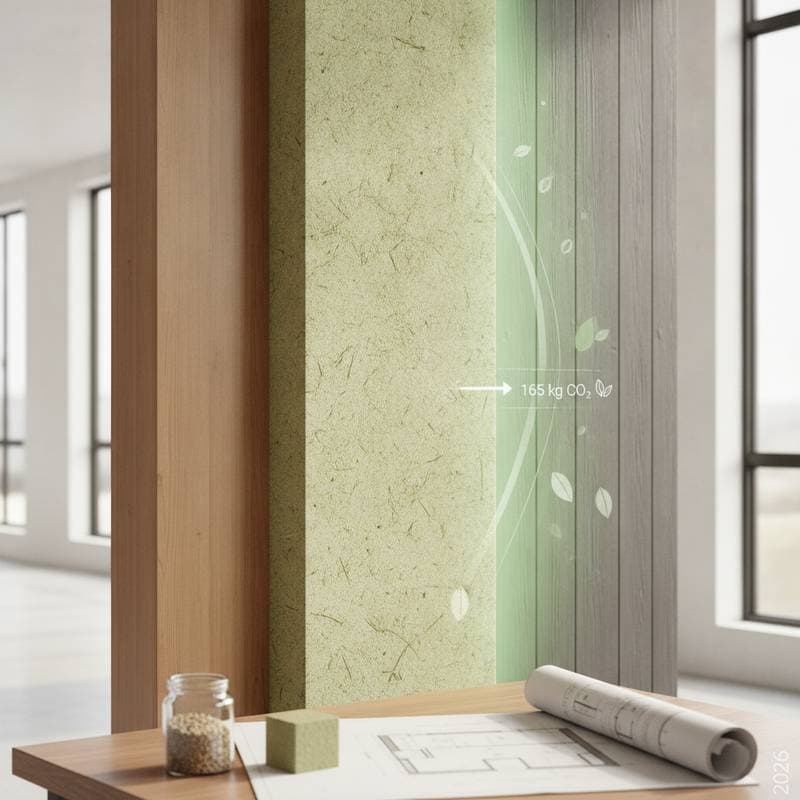
- Carbon Storage: Panels retain carbon from the growth stage, diminishing a home's carbon profile.
Green building specialists advocate mycelium insulation as a regenerative choice that converts waste into effective thermal protection, surpassing mere substitution for fiberglass.
How Mushroom Insulation Works
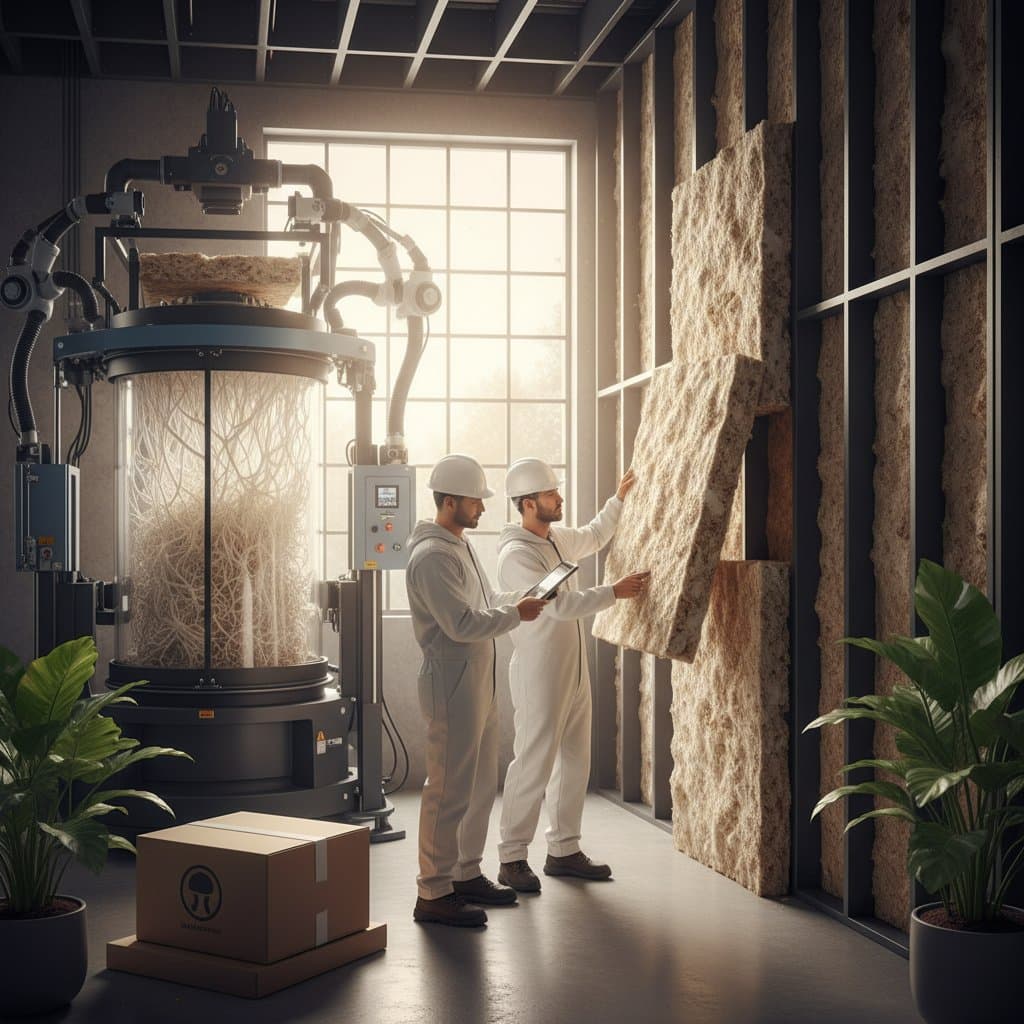
The creation process merges biological recycling with advanced construction techniques. It starts with sterilizing agricultural byproducts and introducing mycelium spores. Within days, mycelium networks through the substrate, forming a cohesive structure. Heat treatment then halts growth and ensures stability.
This method demands far less energy than producing foam or mineral wool. The outcome yields lightweight, permeable, and resilient insulation suitable for walls, attics, and floors.
Growth and Curing
Cultivation occurs in controlled humid settings to accelerate mycelium spread. Materials reach target density in molds for panels or blocks. Post-curing, the product achieves firmness while retaining flexibility for handling.
Installation
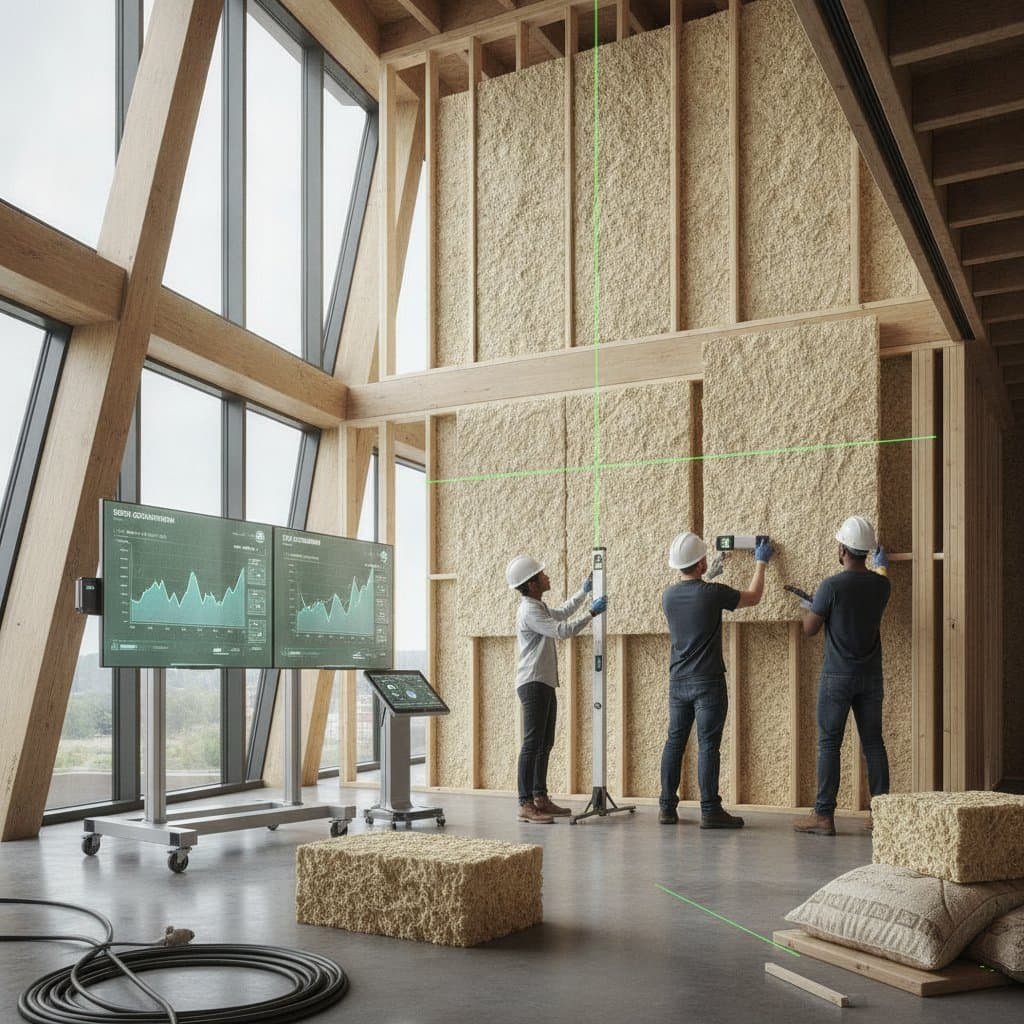
Mycelium panels cut easily with conventional tools and slot into stud bays or joists. Emerging spray formulations promise uniform application in complex areas.
Performance Over Time
Concerns about organic durability arise, but cured mycelium endures for decades in dry conditions with vapor barriers. It repels pests since biological activity ceases prior to use.
Expert Tips to Boost Your Home's Eco-Efficiency
For optimal results with mushroom insulation, implement these strategies:
- Conduct an Energy Audit First: Pinpoint heat loss in attics, crawl spaces, and rim joists to focus efforts.
- Check Local Climate Suitability: In humid or coastal zones, integrate vapor-permeable barriers to avoid condensation.
- Work with Certified Installers: Professionals handle curing, fire safety, and code adherence, though basic DIY suits simple panels.
- Layer for Optimal R-Value: Pair with reflective foils or cellulose to maximize thermal resistance.
- Maintain Ventilation: Balanced airflow prevents moisture issues and preserves air quality.
Real-World Use and Regional Performance
In temperate climates with moderate winters and summers, mycelium insulation sustains comfort with reduced reliance on mechanical systems. It complements passive solar designs in colder areas by conserving daytime heat for evening release.
Southern humid regions benefit from its breathability, which controls interior moisture. In dry climates, it moderates aridity by holding trace humidity.
Alex Rivera of EcoForm Construction noted, "When we first tested mushroom insulation in wall assemblies, we were surprised by its acoustic performance. It turned a noisy street-facing home into a quiet retreat."
Comparing Costs and Returns
Initial costs for mushroom insulation range from $2 to $4 per square foot installed, slightly above fiberglass, based on scale and sourcing. Yet, sustained advantages shift the equation.
- Energy Savings: Achieve 15 to 25 percent lower heating and cooling expenses.
- Health Benefits: Absence of VOCs fosters allergen-free indoor environments.
- Durability: Panels avoid settling, ensuring consistent performance over decades.
- Sustainability ROI: Eco-materials enhance property value for green-conscious buyers.
Sustainable enhancements yield returns in comfort and durability alongside financial gains. Mycelium insulation secures these outcomes while aligning homes with ecological resilience.
Environmental and Community Benefits
Mushroom insulation bolsters local economies by leveraging farm waste as input. Farmers redirect crop residues from landfills to producers, generating revenue and curbing methane from decay.
At lifecycle's end, the material decomposes harmlessly into soil, eliminating toxic remnants. This cycle reshapes waste management in building.
It supports certifications such as LEED and Living Building Challenge through renewable composition, reduced emissions, and local procurement. Mycelium meets these criteria without sacrificing reliability.
Safety and Compliance Considerations
Correct application maximizes mycelium insulation's advantages. Protect panels from direct water and enclose them with vapor barriers in damp zones.
Fire tests indicate charring over burning, but verify alignment with local codes. Manufacturers supply ASTM-compliant documentation.
For retrofits, confirm dry, sound framing. Consult suppliers and energy auditors to validate specifications and regulatory fit.
Taking Action: Bringing Nature into Your Walls
Selecting mushroom insulation advances beyond efficiency to integrate natural principles into home design. Panels function as thermal and acoustic buffers, fostering vibrant living spaces.
Proceed with these steps:
- Research Local Suppliers: Identify certified sources versed in green standards.
- Request Performance Data: Review R-values, moisture specs, and fire results for assurance.
- Consult a Vetted Green Building Expert: Evaluate site conditions and methods via professional assessment.
- Plan for Lifecycle Benefits: Assess total returns including savings and ecological impact.
- Stay Informed on Innovations: Track advances in mycelium hybrids with cellulose or hemp.
This choice elevates home performance and joins regenerative building practices.
FAQs
Q: How long does mushroom insulation last before needing replacement?
A: When properly installed and kept dry, mycelium insulation can last 40 to 50 years. Its structure remains stable and free from pests or mold due to the curing process that halts biological activity.
Q: Is it safe to install mushroom insulation yourself?
A: Basic panel installation can be a DIY project if you follow manufacturer guidelines and use proper protective gear. However, for large or moisture-sensitive areas, professional installation ensures correct curing and compliance with fire safety codes.