Key Points
- Mushroom insulation, cultivated from mycelium, redefines environmentally friendly construction materials through biodegradability, fire resistance, and energy efficiency.
- It matches or exceeds traditional insulation in thermal performance without synthetic toxins.
- Success depends on sourcing from verified producers and managing moisture during installation for enduring stability.
- Production scaling reduces costs, rendering this material practical for residential applications.
- Homeowners gain notable enhancements in indoor comfort and sustainability metrics upon adopting mycelium-based insulation.
Sustainable Comfort Redefined
As a professional in green building, I observe homeowners frequently grappling with the interplay of comfort, expense, and environmental impact. Numerous individuals continue to depend on fiberglass or foam insulation, often overlooking a superior natural option developed in laboratories and workshops nationwide. Envision entering a residence where walls integrate seamlessly with the surroundings, the insulation embodying the subtle efficiency of nature's premier recycler. Such is the potential of mushroom insulation, a transformative substance grown from mycelium, the fungal root system. This innovation emerges as a compelling method for sustainable home insulation and may soon establish itself as the norm among environmentally aware builders.
Drawbacks of Traditional Insulation
Standard insulation options such as fiberglass and polyurethane foam provide sufficient energy efficiency, yet they carry significant ecological burdens. Their production involves high-energy processes that emit substantial greenhouse gases. Disposal poses further challenges, as these non-biodegradable substances release microplastics or chemical residues into soil and water systems.
In regions with high humidity or proximity to coasts, synthetic insulation often retains moisture, fostering mold proliferation and compromising indoor air quality. Through extensive field experience, I witness these complications subtly diminish both resident well-being and real estate value. Investments in energy-efficient housing warrant materials that safeguard living areas and the broader environment alike.
Mushroom insulation addresses these issues directly. It supplies essential performance attributes, including thermal resistance, sound control, and fire protection, free from environmental trade-offs.
Mechanics of Mushroom Insulation
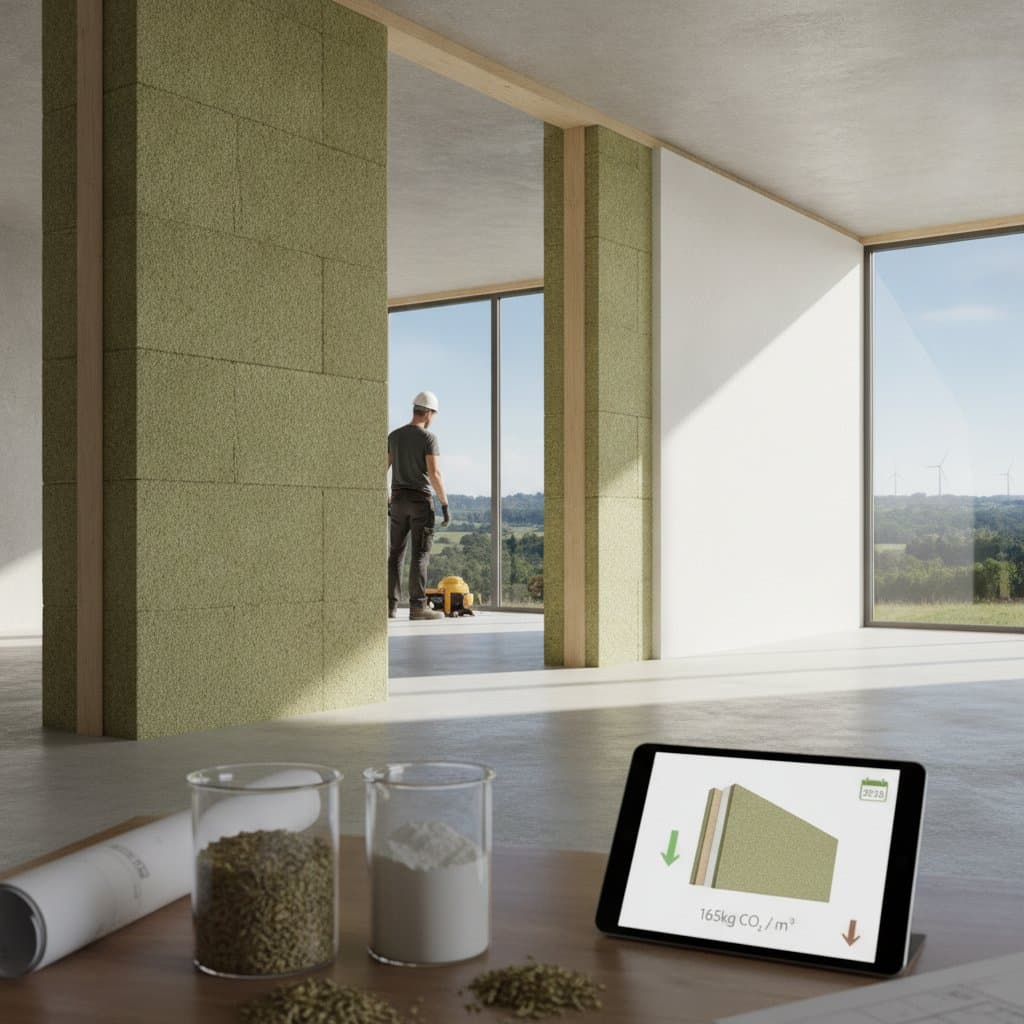
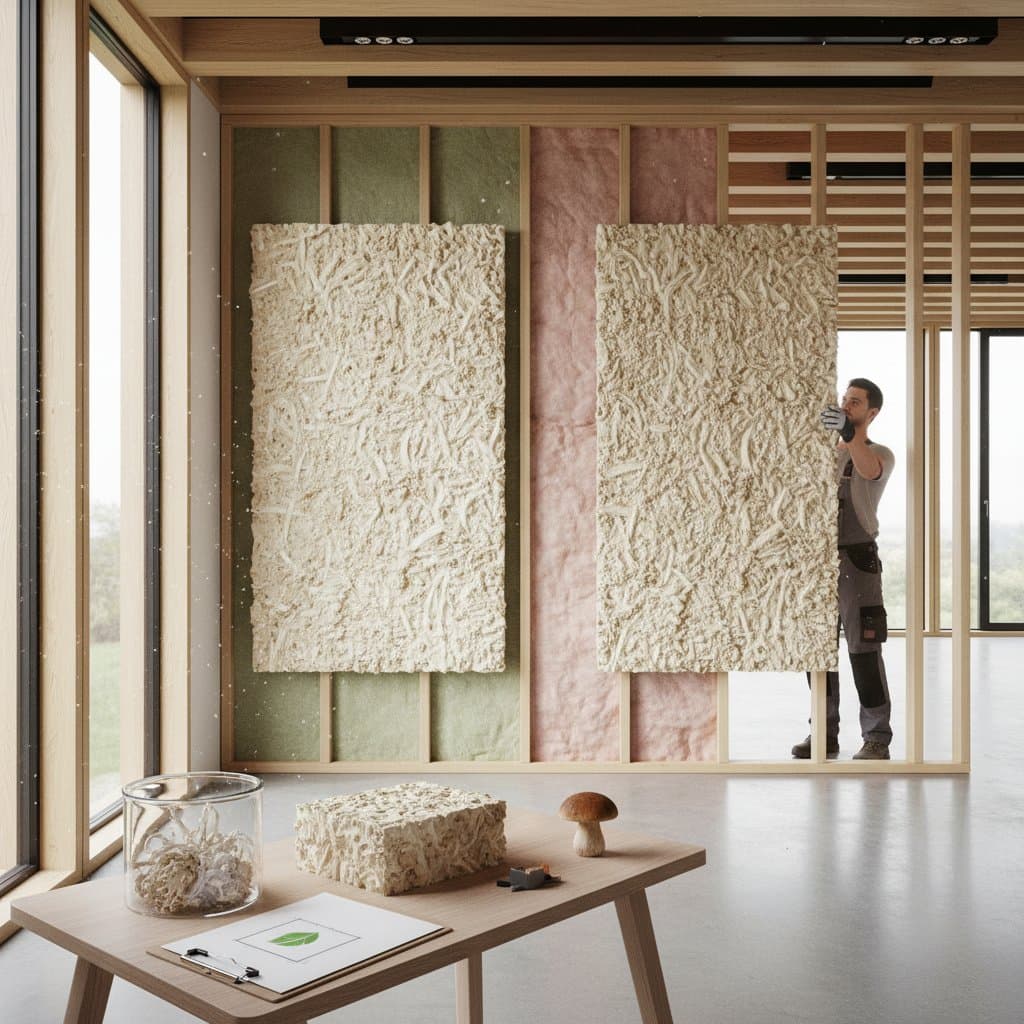
Mushroom insulation originates from mycelium, the intricate, fibrous root-like structure of fungi. Under regulated conditions, mycelium integrates with agricultural byproducts like hemp hurds, corn stalks, or sawdust to form a lightweight, porous substance. Following growth completion, heat treatment halts fungal development, yielding a firm, reliable insulation product.
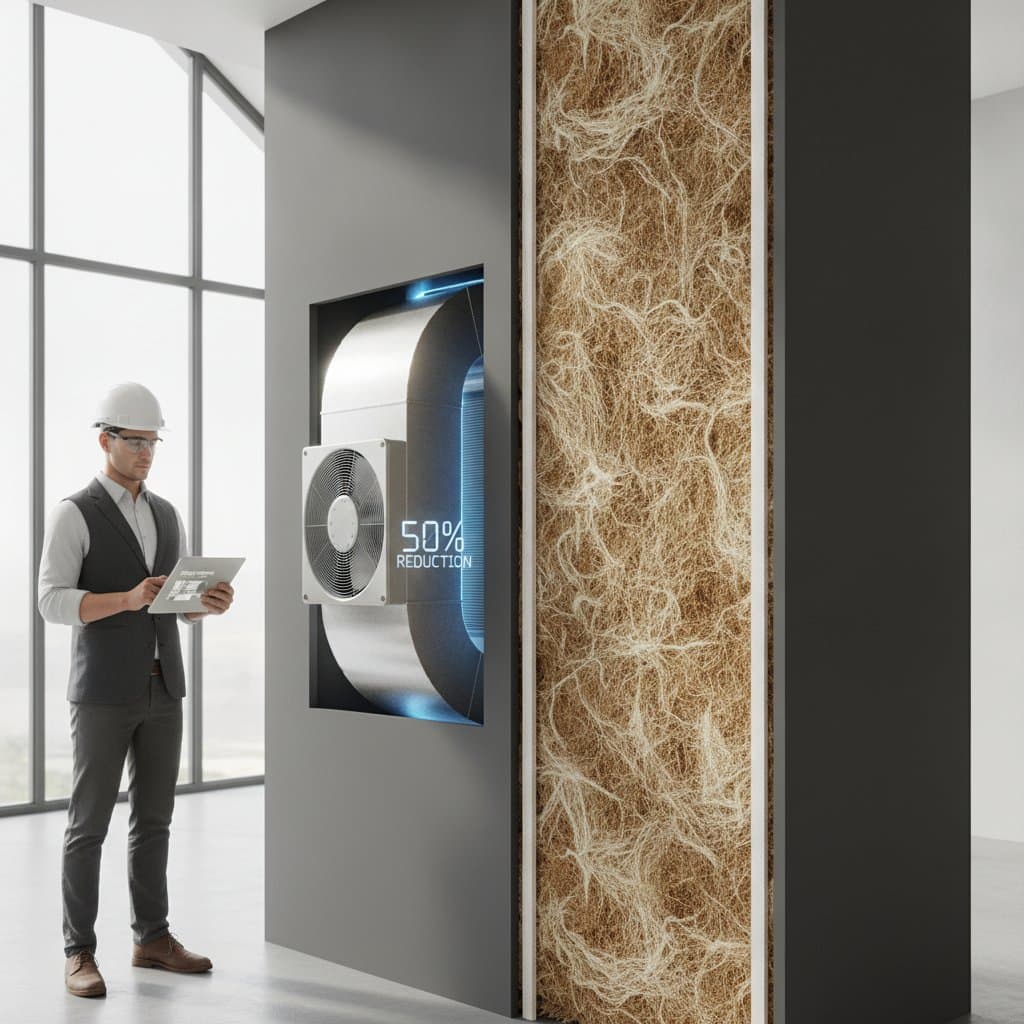
Its efficacy becomes clear through the R-value, a metric of thermal resistance. Mycelium panels generally attain R-3.5 to R-4 per inch, aligning closely with fiberglass standards. The distinction resides in sustainability: this insulation fully biodegrades, remains non-toxic, and demands far less energy in production compared to synthetic counterparts.
Strategies for Enhancing Home Efficiency with Mycelium
To incorporate mushroom insulation effectively, adhere to these professional guidelines for superior outcomes:
- Evaluate your regional climate. Mycelium excels in temperate or mildly humid settings. In highly moist areas, incorporate vapor barriers or permeable wall systems.
- Select accredited providers. Partner with manufacturers who validate their products for longevity, mold resistance, and fire safety. Certain firms offer panels compliant with ASTM building standards.
- Account for wall dimensions. Due to its lower density relative to foam, thicker walls or layered applications might be required to match target R-values.
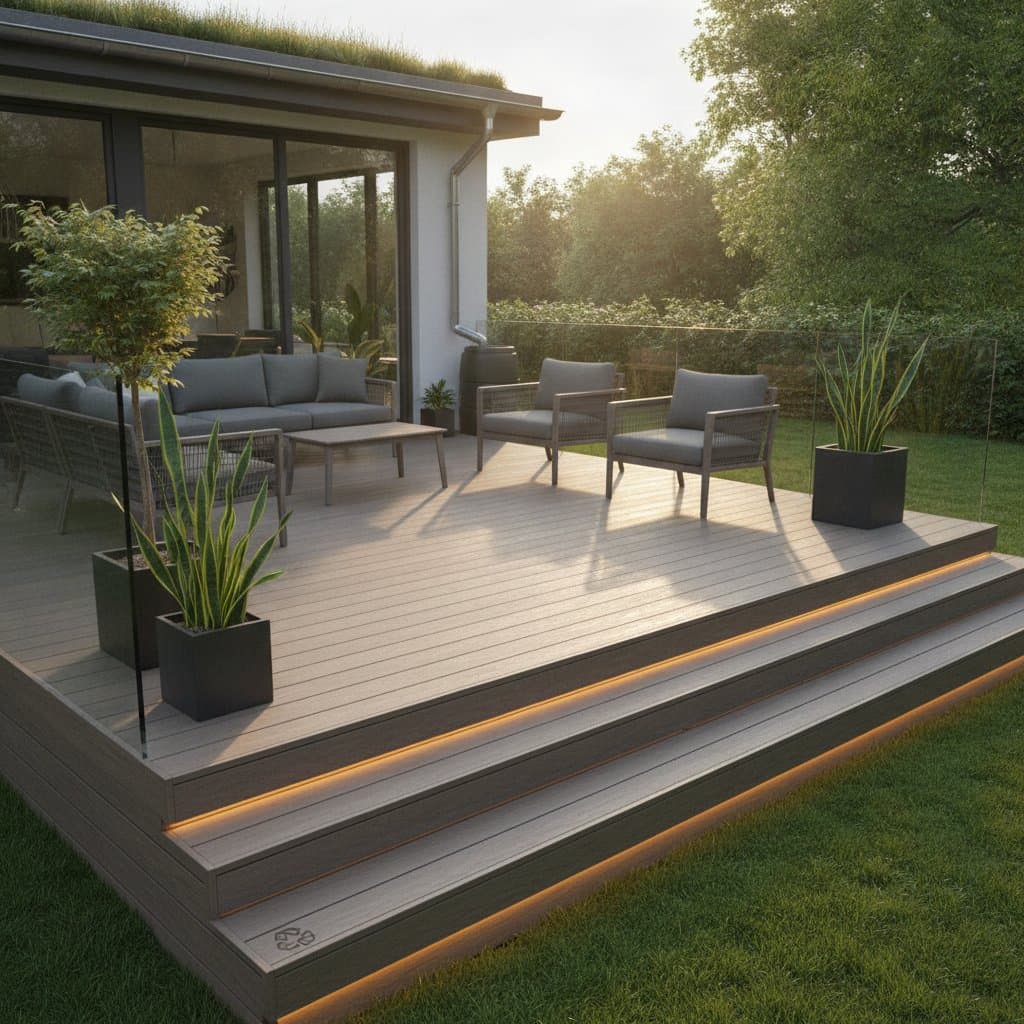
- Integrate natural airflow systems. Mycelium complements passive design elements. Combined with adjustable windows, solar shades, and vegetated roofs, it sustains consistent comfort using limited energy.
- Engage a specialist in green construction. Installers experienced with biological materials ensure airtight seals, moisture management, and adherence to regional regulations.
Everyday Advantages of Mycelium Insulation
Beyond temperature control, mycelium insulation elevates daily living in manners unattainable by synthetic options.
- Superior air quality: Absent formaldehyde or volatile organic compounds, it eliminates toxin inhalation.
- Enhanced fire safety: Mycelium carbonizes rather than burns, offering inherent protection.
- Effective noise reduction: Its fibrous composition absorbs sound, fostering a serene atmosphere.
- Full biodegradability: At structure's end, it decomposes harmlessly into soil without residues.
- Support for circular systems: Derived from waste, it promotes farming reuse and alleviates landfill pressures.
Dr. Lena Ortiz, a materials scientist focused on bio-based innovations, states, "Mycelium insulation embodies complete sustainability. It starts with waste, develops with low energy input, and returns to the earth without harm. That defines true circularity."
Analysis of Costs and Performance
Once a niche selection, mushroom insulation now competes on price as manufacturing grows. Panels range from $8 to $12 per square foot, varying by thickness and source. In contrast, premium spray foam approaches equivalent costs including labor and ventilation needs.
Energy-wise, mycelium-insulated homes cut heating and cooling requirements by 20 to 30 percent, influenced by architecture and locale. These reductions yield considerable utility reductions and diminished carbon emissions over time.
Installation mirrors other panel methods, typically spanning a few days for standard residences. Mycelium's lighter weight simplifies handling, eliminating needs for masks or gloves during cutting and placement.
Regulatory, Safety, and Standards Considerations
As a novel material in conventional construction, mycelium insulation might lack explicit mention in local codes. Consult your municipal building authority and obtain supplier data on fire ratings, moisture retention, and structural integrity.
For endeavors seeking LEED or comparable accreditations, it advances points in materials, indoor quality, and innovation areas. It aligns seamlessly with objectives for net-zero and carbon-neutral builds.
I advise combining it with complementary bio-materials like hempcrete or salvaged timber to amplify overall environmental efficacy. This pairing bolsters insulation while aiding thermal storage and moisture balance.
Addressing Typical Hesitations
Prospective users sometimes fear that cultivated insulation proves unreliable or decay-prone. In practice, construction-grade products undergo full inactivation via heat, resulting in a dry, resilient form resistant to insects and mold.
Concerns about odors or spore emission also arise. Cured mycelium remains odorless and allergy-neutral. Apply natural finishes like limewash or clay plaster for further safeguarding and visual appeal.
To mitigate moisture risks, employ vapor-permeable barriers or rainscreen exteriors. These facilitate moisture egress while blocking liquid ingress, securing prolonged performance.
Implementing Mushroom Insulation in Your Residence
To proceed with mushroom insulation, initiate a home energy assessment to identify insulation shortcomings. Subsequently, consult certified green building specialists via our network for obligation-free estimates. These professionals assess suitability for comprehensive wall systems, attic upgrades, or targeted modules based on your structure.
Successful initiatives stem from defined objectives. Prioritize cost savings, air purity improvements, or targeted certifications. Mycelium insulation advances all such aims, tailored to individual properties and routines.
Picture entertaining guests in a space that stays refreshingly cool amid summer humidity and cozily warm during autumn chills, all with reduced dependence on artificial climate control. This represents harmonious living through nature-derived solutions.
Frequently Asked Questions
How durable is mushroom insulation post-installation?
Properly placed mycelium insulation endures 30 to 50 years. It resists degradation absent prolonged moisture exposure, underscoring the importance of ventilation and protective layers.
Does it suit homes with allergy concerns?
Indeed. Cured mycelium proves inactive and spore-free, devoid of synthetic adhesives or chemicals, ideal for health-sensitive residents.