Key Points
- Mushroom insulation, cultivated from mycelium, achieves outstanding thermal performance with virtually no environmental footprint.
- Production utilizes local agricultural waste, which reduces transportation emissions and lowers material expenses.
- Proper installation of mycelium insulation improves indoor air quality, manages humidity, and offers inherent resistance to fire and pests.
- Homeowners achieve R-values equal to or exceeding those of foam or fiberglass, alongside complete compostability at end of life.
The Future of Insulation Emerges from Nature
As a green building professional, I observe homeowners frequently grappling with the challenge of combining comfort, sustainability, and cost-effectiveness. Envision entering your home on a humid afternoon, anticipating cool comfort, yet encountering warm air leaking through the walls. Conventional insulation materials diminish in effectiveness over time, often by retaining moisture or emitting harmful substances. Mushroom insulation, derived from the fungal root system known as mycelium, addresses these issues comprehensively.
This biological material represents a practical innovation, not mere speculation. It appears in numerous sustainable construction initiatives as a renewable, high-efficiency option that develops organically. For those confronting escalating energy expenses or contemplating environmental enhancements, mushroom insulation stands as a pivotal advancement toward a more sustainable residence.
Why Homeowners Adopt Mycelium Insulation
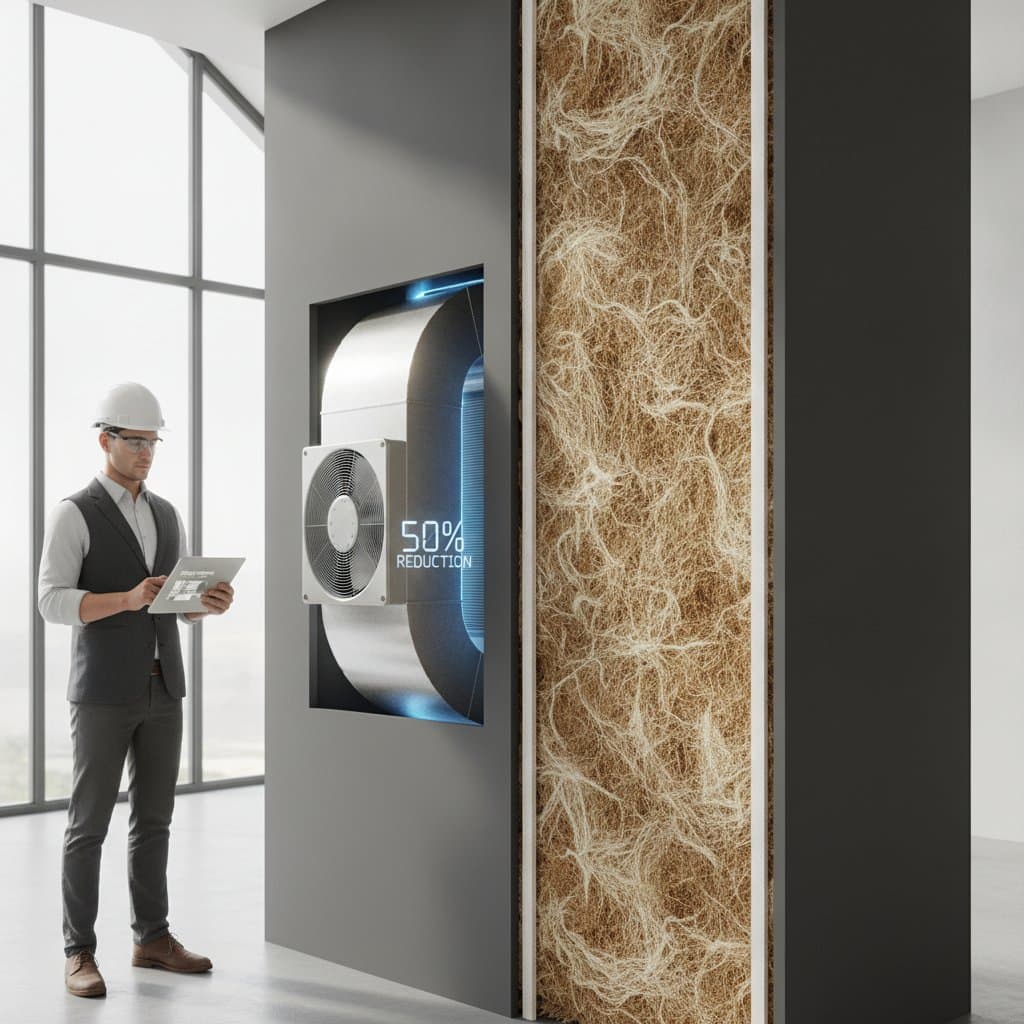
In areas prone to variable humidity or significant temperature variations, insulation degradation poses a frequent problem. Fiberglass tends to settle with age, while spray foams release volatile compounds that degrade indoor air quality. Mycelium insulation resolves these challenges through its dense, interconnected fibers, which form inherent air barriers for enhanced thermal insulation.
Research from sustainable building organizations indicates that mycelium attains R-values of R-3 to R-4 per inch, comparable to or better than standard options. The material remains vapor-permeable while maintaining an airtight seal, thereby minimizing condensation and mold development. Consequently, residents enjoy a healthier, more stable indoor climate.
How Mushroom Insulation Functions
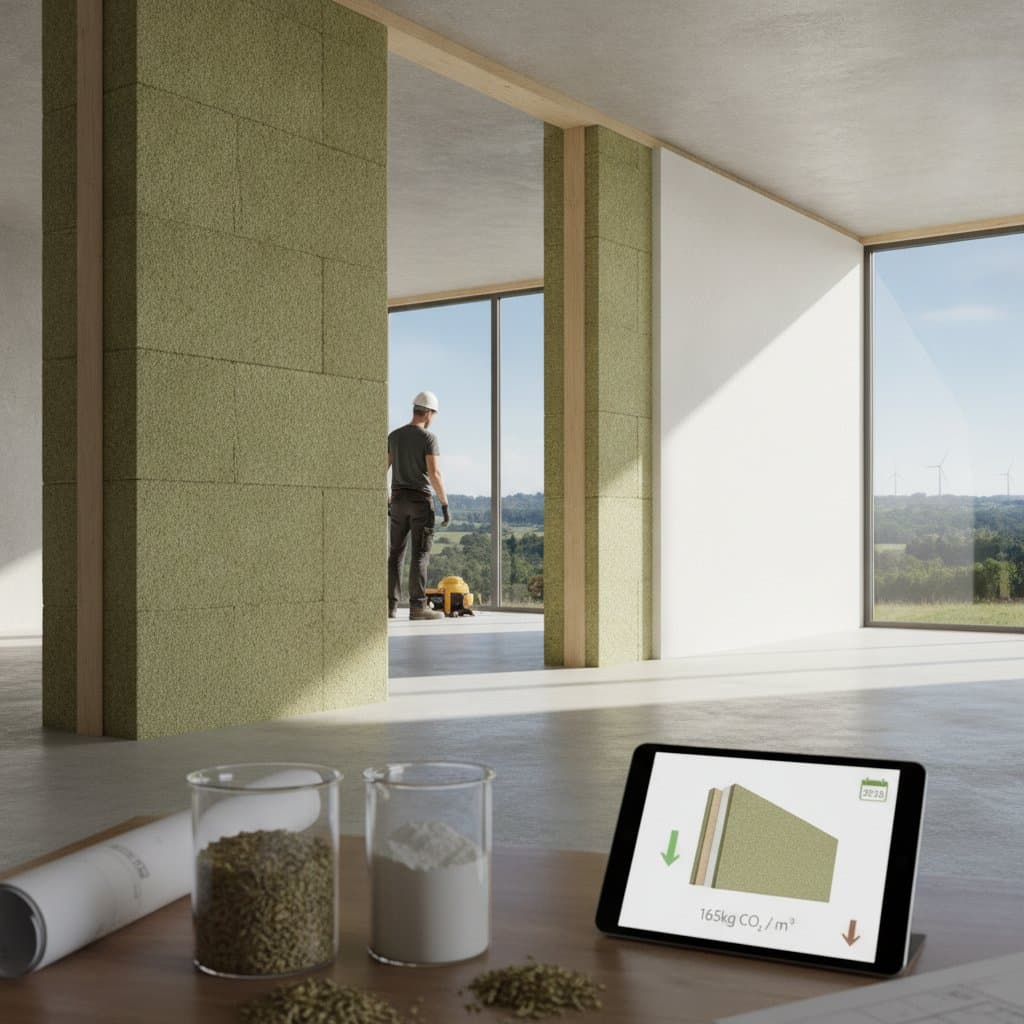
The creation process starts by inoculating agricultural residues, like corn stalks or hemp fibers, with mycelium spores. Within several days, the mycelium colonizes the substrate, forming a lightweight, durable structure resembling foam. After maturation, the material undergoes heat processing to halt growth and guarantee durability.
Principal benefits encompass:
- Zero waste manufacturing: All elements biodegrade fully, and production requires limited energy input.
- Fire resistance: Mycelium carbonizes instead of igniting, delivering inherent protection against flames.
- Moisture regulation: The permeable design controls humidity, mitigating risks of decay.
- Regional production: Cultivation occurs locally, bolstering agriculture and diminishing shipping-related emissions.
As a green building specialist, I advise combining mushroom insulation with complementary natural elements, such as lime-based plasters or cellulose fillers, to form an integrated, chemical-free building system.
Expert Strategies for Enhancing Home Eco-Efficiency
For retrofits or new constructions, consider these methods to incorporate mycelium insulation optimally.
1. Conduct a Home Energy Audit
Prior to selecting materials, arrange for a professional evaluation. This assessment pinpoints heat loss areas and moisture infiltration points. Targeting applications, like attics, wall voids, or underfloor spaces, maximizes the insulation's impact.
2. Select Appropriate Configurations
Mycelium insulation appears in batts, panels, or molded blocks.
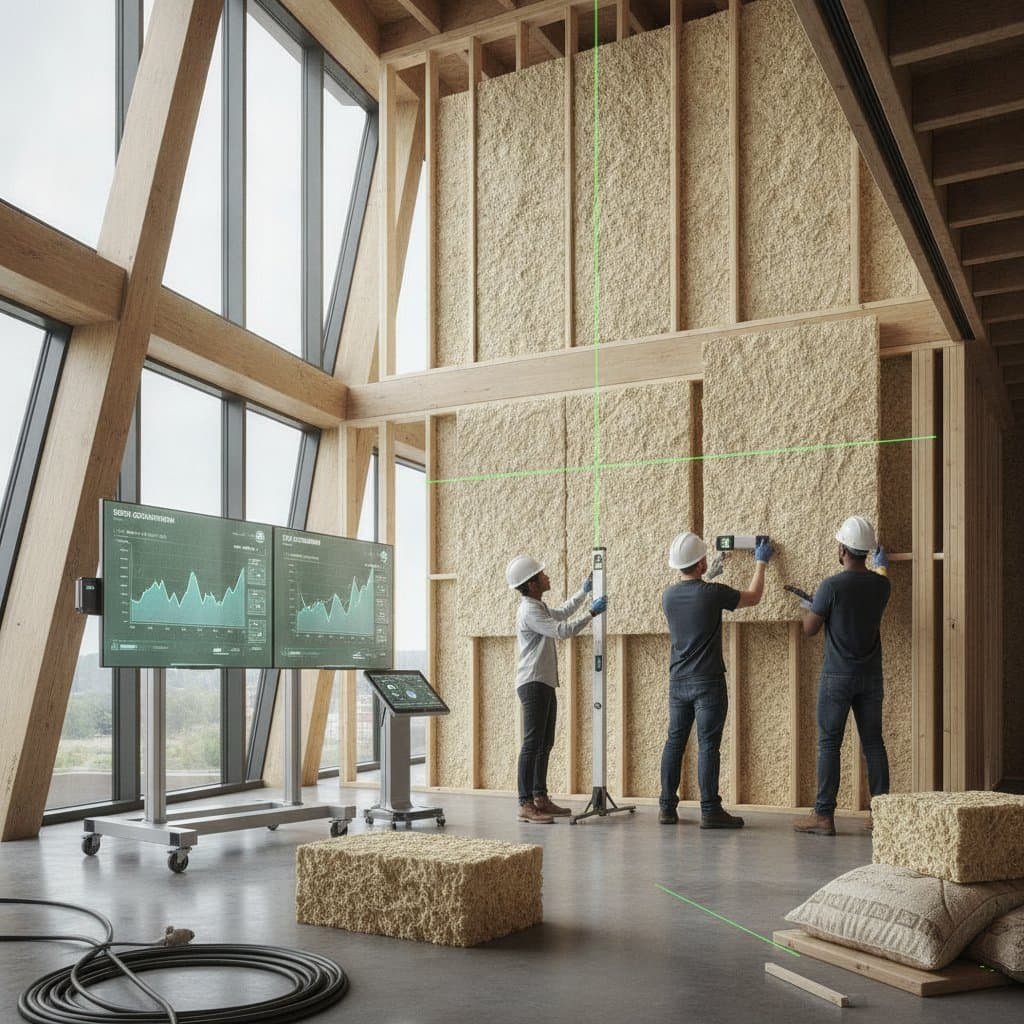
- Panels fit wall and roof cavities effectively.
- Batts work well for upgrades behind existing drywall.
- Blocks substitute for foam in foundations or outer layers.
3. Address Moisture Protection
Although mycelium withstands dampness, integrating vapor-open membranes extends its service life. View this as equipping your home with a permeable shield that expels excess moisture while preserving thermal properties.
4. Engage Qualified Installers for Integration
Skilled individuals manage minor projects, but extensive work demands certified sustainable builders. These experts ensure optimal curing and seamless sealing.
Cost Analysis, Return on Investment, and Performance Data
Based on extensive field experience, mushroom insulation installation costs range from $4 to $8 per square foot. Although this exceeds fiberglass pricing initially, the financial recovery proves substantial. Residences with mycelium insulation experience 20 to 30 percent reductions in annual heating and cooling expenditures.
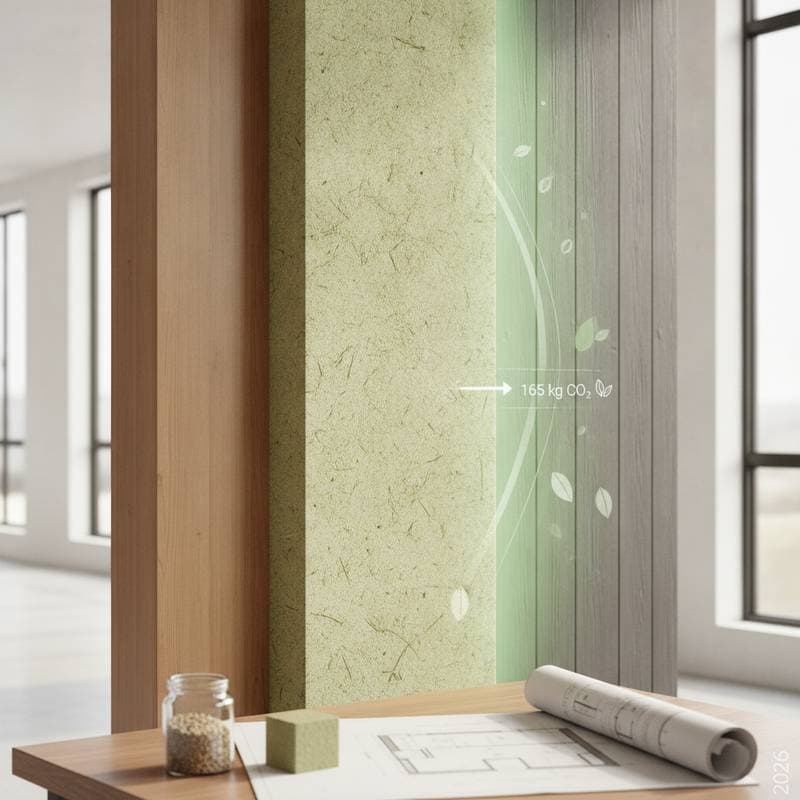
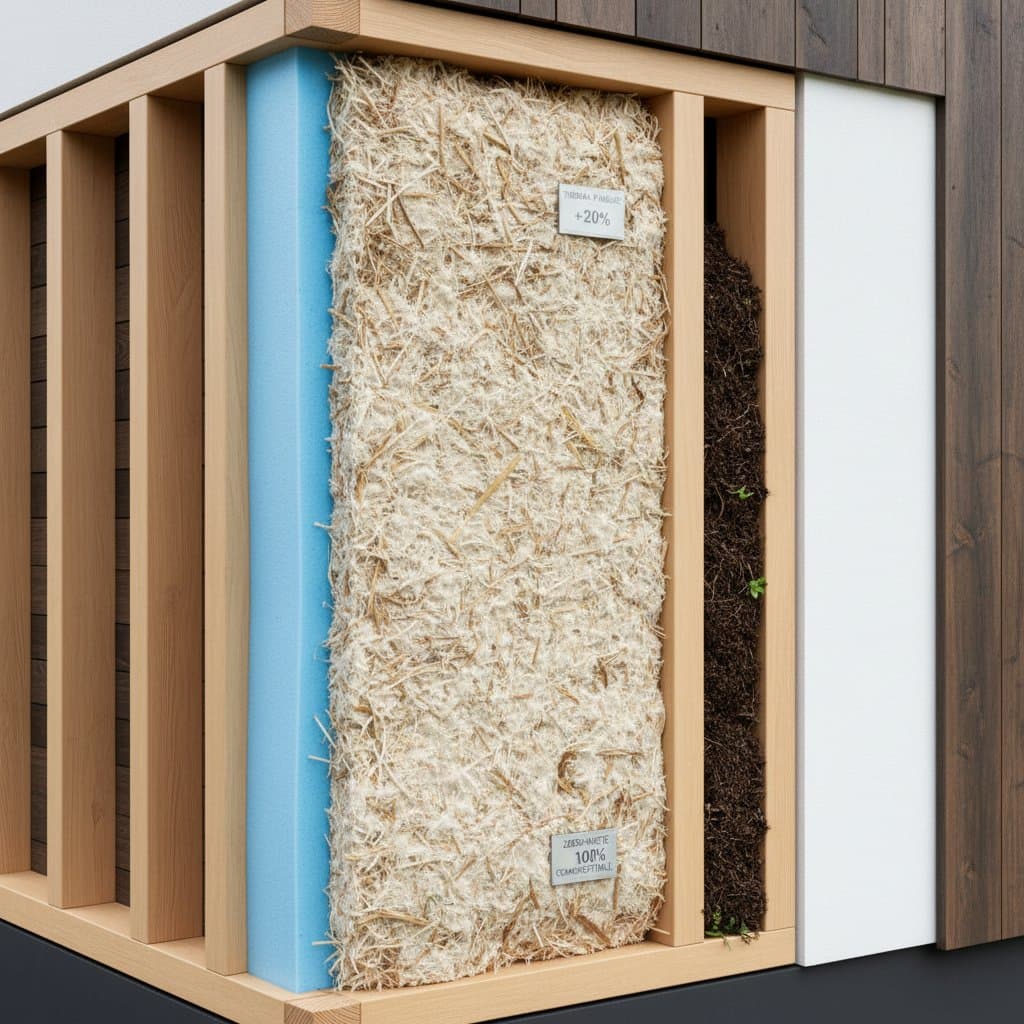
The material's carbon profile approaches zero, as it sequesters carbon during growth. At disposal, panels compost easily or enrich soil directly. This contrasts sharply with fiberglass or foam, which contribute to landfill accumulation and environmental harm.
Green building professionals note that project durations align with traditional approaches, spanning one to two weeks for average homes. Manufacturing handles the growth phase off-site, providing install-ready components without production delays.
Safety and Regulatory Aspects
Mycelium insulation poses no toxicity risks. It emits zero volatile organic compounds, suiting homes with allergy concerns. When procuring, confirm compliance with local codes and fire standards. Certain regions recognize it in green material rosters for LEED certification and Passive House designs.
In humid or seaside locales, seek verified moisture performance data. Mycelium excels in wet conditions, yet meticulous sealing at windows and bases secures enduring efficacy.
As Dr. Linh Carter, a researcher in sustainable materials, observes, "Mushroom insulation embodies a complete cycle, transforming waste into value while aligning comfort with ecological stewardship."
Implementing Sustainable Change
Adopting mushroom insulation extends beyond energy conservation. It redefines the bond between living spaces and the natural world. Consider walls that facilitate natural airflow, interiors that maintain steady temperatures, and components that decompose benignly after use.
Collaborate with verified sustainable experts via our platform to adhere to optimal protocols throughout your initiative. They assist with material choices, regulatory adherence, and techniques that optimize outcomes. For further insights, consult our eco-upgrade resources, detailing enhancements like solar control features and rainwater harvesting.
Opting for mycelium commits to a dynamic building approach that fosters balance between built environments and ecosystems. Success depends on assessing your climate specifics, defining performance objectives, and relying on sustainability-focused professionals.
Frequently Asked Questions
Q: How durable is mushroom insulation?
A: With correct placement and humidity oversight, mycelium insulation endures as long as conventional types, frequently surpassing 50 years without degradation.