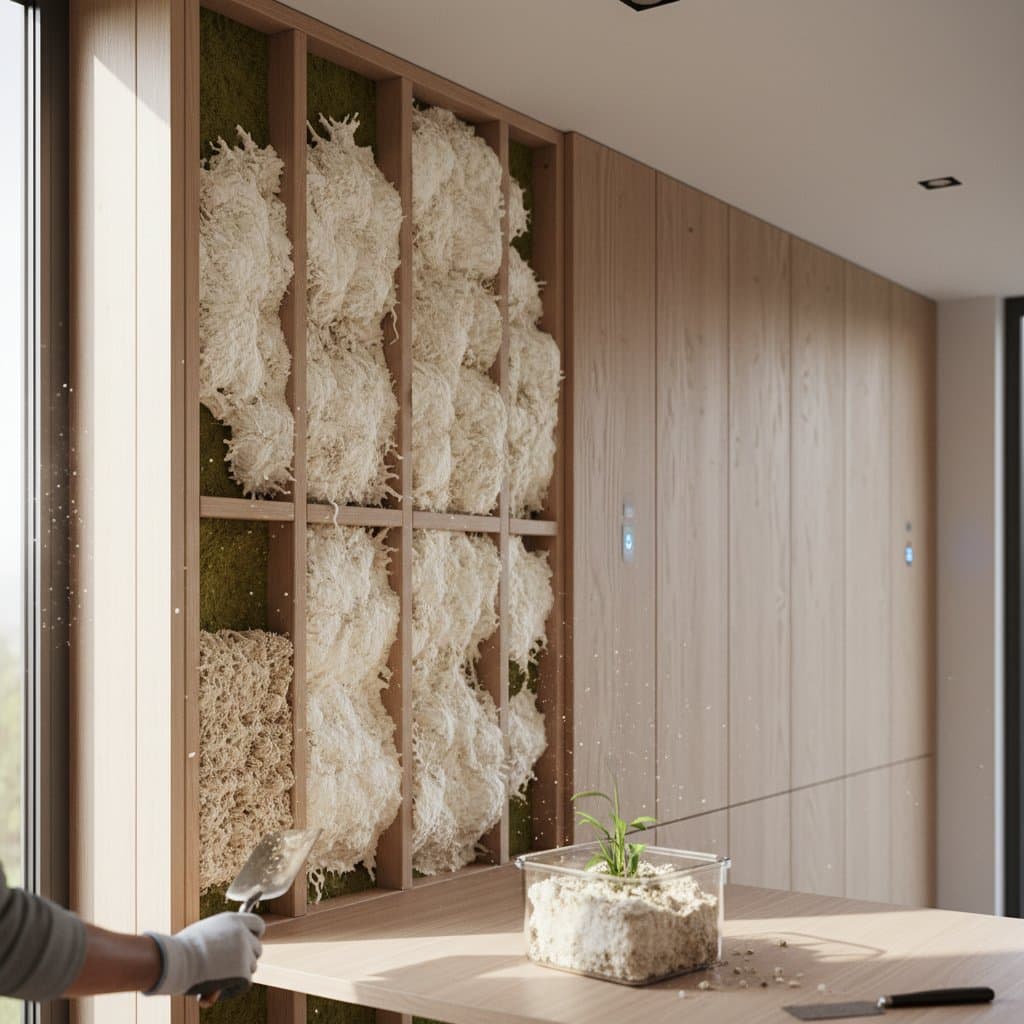
Mushroom Insulation: A Sustainable Revolution in Home Building
Mushroom insulation represents a breakthrough in eco-friendly building materials. Derived from mycelium, the root structure of mushrooms, this innovative product grows directly into building components. Homeowners now have access to a material that provides excellent thermal performance while remaining fully biodegradable.
Traditional insulation often relies on synthetic foams or fiberglass, which pose environmental challenges during production and disposal. Mycelium-based alternatives address these issues by harnessing natural fungal growth. This approach aligns with the growing demand for sustainable construction practices in 2025.
Understanding Mycelium and Its Role in Insulation
Mycelium consists of a network of thread-like filaments that bind organic substrates, such as agricultural waste, into a solid structure. Manufacturers inoculate these substrates with mushroom spores, allowing the mycelium to colonize and form a dense, insulating mass. The process requires minimal energy and produces no harmful byproducts.
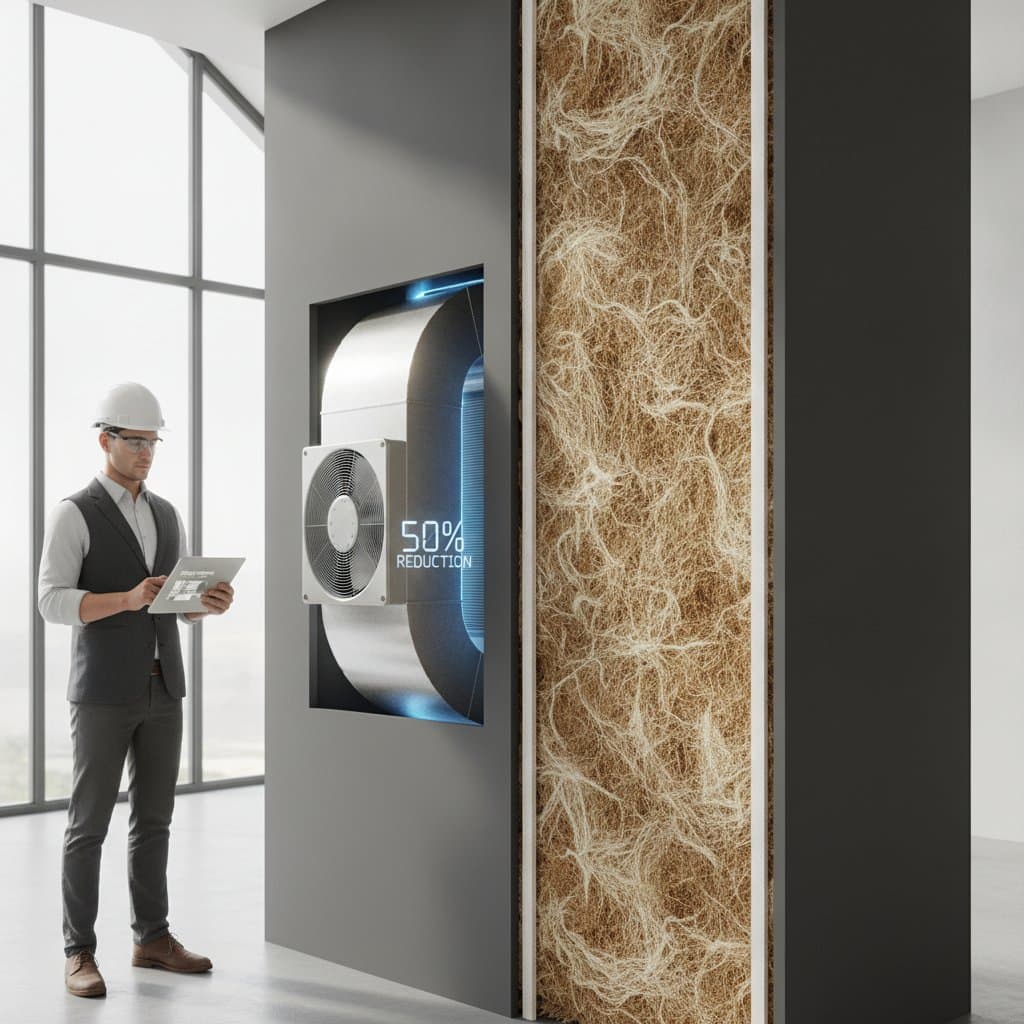
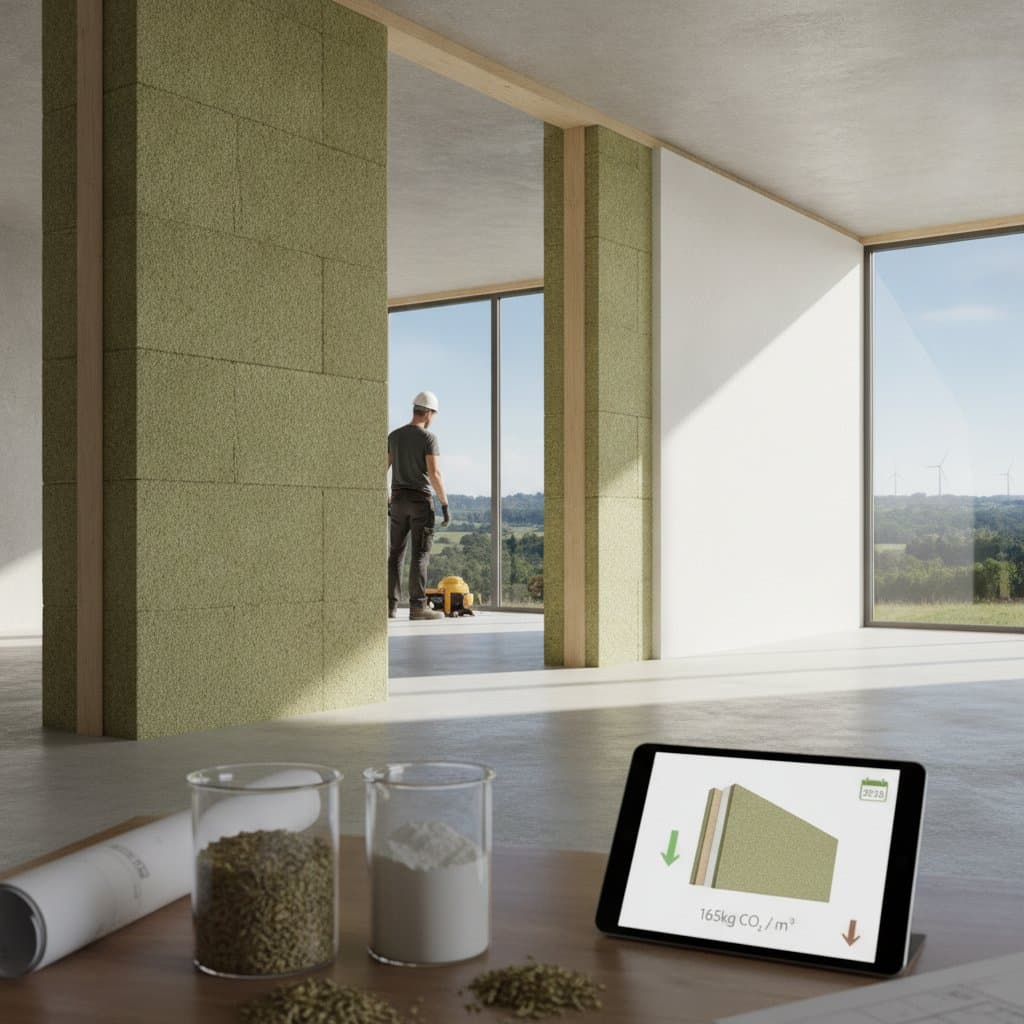
Once grown, the material undergoes a drying or heat treatment to halt fungal growth and enhance durability. The result is a lightweight panel or block that mimics the insulating properties of conventional materials. Researchers have found that mycelium insulation achieves R-values comparable to fiberglass, ensuring effective heat retention.
This natural composition also contributes to sound absorption. The porous structure dampens noise, creating quieter indoor environments. For urban dwellers or families in busy neighborhoods, this added benefit enhances overall living comfort.
Key Benefits of Mushroom Insulation
Energy efficiency stands out as a primary advantage. Mycelium insulation reduces heat loss by up to 30 percent compared to standard options, according to building science studies. Homeowners can expect lower heating and cooling bills, with potential savings accumulating over the years.
The material's fire resistance adds another layer of safety. Unlike some synthetic insulations that melt or release toxic fumes when exposed to flames, mycelium chars and self-extinguishes. This property meets rigorous building codes without the need for additional chemical treatments.
Air quality improves significantly with this choice. Free from volatile organic compounds (VOCs) found in many traditional insulations, mycelium promotes healthier indoor spaces. Individuals with allergies or respiratory sensitivities benefit from the non-toxic environment it creates.
Sustainability defines the core appeal. At the end of its lifecycle, typically 20 to 30 years, the insulation breaks down in a compost pile or soil. This compostability closes the loop on waste, reducing landfill contributions and supporting regenerative agriculture.
The Growth and Installation Process
Producing mushroom insulation begins with selecting substrates like corn stalks or hemp hurds. These materials, often byproducts from farming, receive fungal inoculation in controlled environments. Over seven to ten days, the mycelium binds the particles into custom shapes, such as wall panels or cavity fillers.
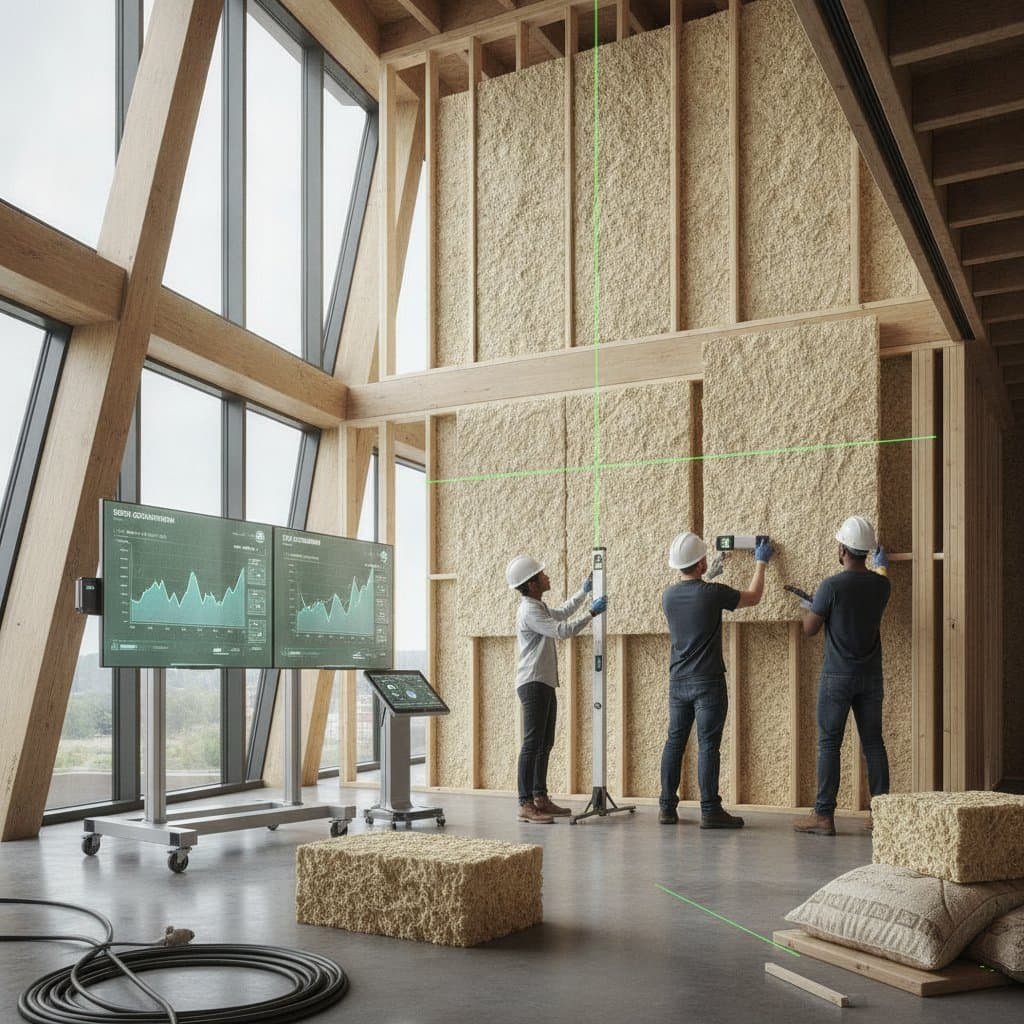
Installation follows familiar procedures for most builders. Workers cut the panels to fit standard wall cavities or roof spaces. The material adheres well to wood framing using natural binders or mechanical fasteners, requiring no specialized tools.
For retrofit projects, mycelium boards can replace existing insulation with minimal disruption. Professionals recommend sealing joints with biodegradable tapes to maximize airtightness. This step prevents drafts and optimizes energy performance.
Homeowners interested in DIY applications should start with smaller areas, like attics or interior walls. Local suppliers often provide guidance on handling the material to avoid moisture exposure during installation. Proper ventilation ensures the space remains dry post-installation.
Cost Considerations and Long-Term Value
Initial costs for mycelium insulation range from 10 to 20 percent higher than fiberglass equivalents. However, incentives such as green building rebates can offset this difference. Over time, reduced energy consumption delivers a strong return on investment.
Availability has expanded in 2025, with manufacturers scaling production to meet demand. Regional distributors now stock pre-grown panels, shortening lead times for construction projects. Bulk purchases further lower per-unit expenses.
Maintenance proves straightforward. The material resists mold when kept dry and requires no chemical preservatives. Periodic inspections ensure structural integrity, particularly in humid climates.
Integrating Mycelium into Modern Homes
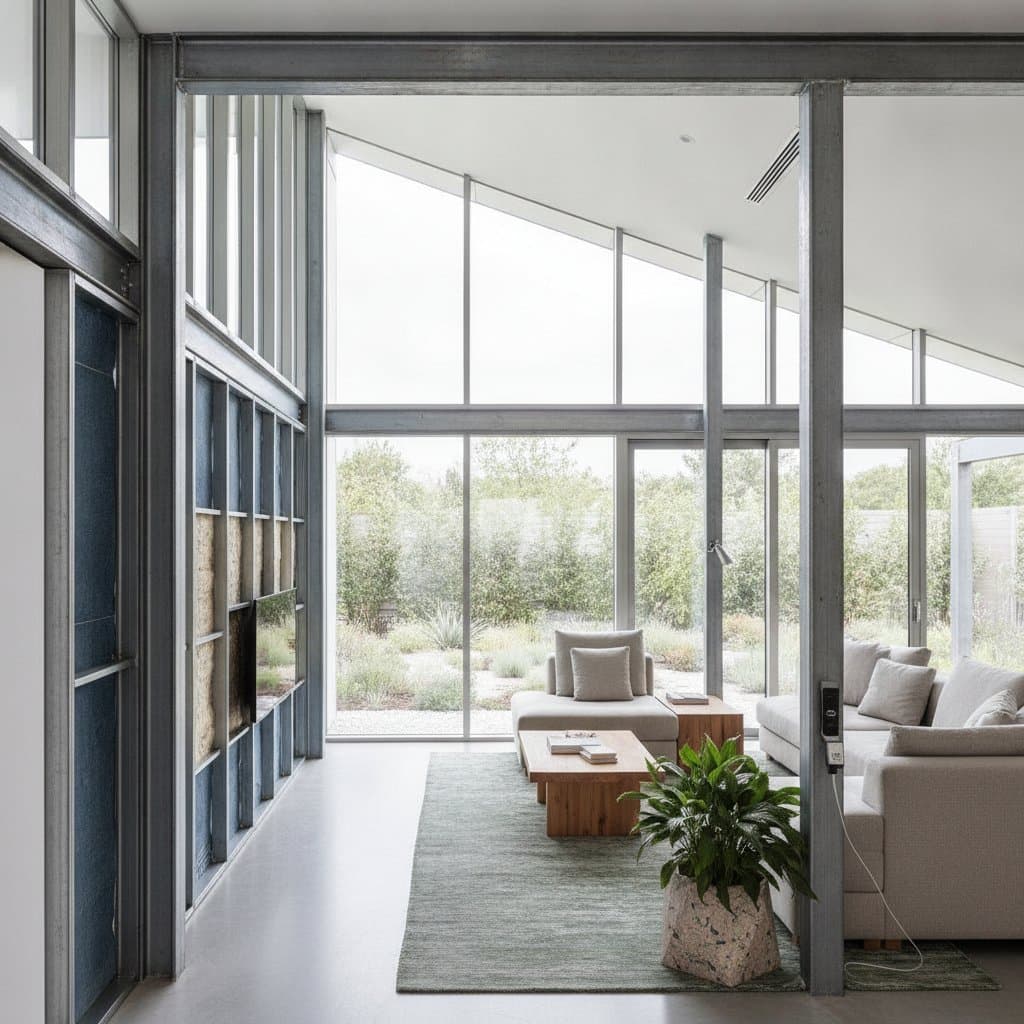
Architects increasingly incorporate mushroom insulation into passive house designs. These energy-neutral buildings leverage the material's thermal mass to maintain stable indoor temperatures. The aesthetic versatility allows seamless integration with various architectural styles.
For renovations, mycelium offers a pathway to certification under green building standards. Projects using this insulation qualify for points in systems like LEED, appealing to environmentally focused buyers. Resale value rises as sustainability becomes a key selling point.
Communities benefit from widespread adoption. Reduced reliance on petroleum-based materials lowers carbon footprints at a neighborhood scale. Educational workshops on mycelium technology empower residents to make informed choices.
Embracing a Compostable Future for Insulation
Mushroom insulation transforms how we think about building materials. It delivers performance without compromising the planet, offering comfort and savings in equal measure. As production advances, this option will become standard in eco-conscious homes.
Consider exploring mycelium for your next project. Consult certified installers to assess compatibility with your space. The shift toward natural, compostable solutions promises a healthier, more resilient built environment.