Mycelium Insulation: Revolutionizing Eco Homes in 2026
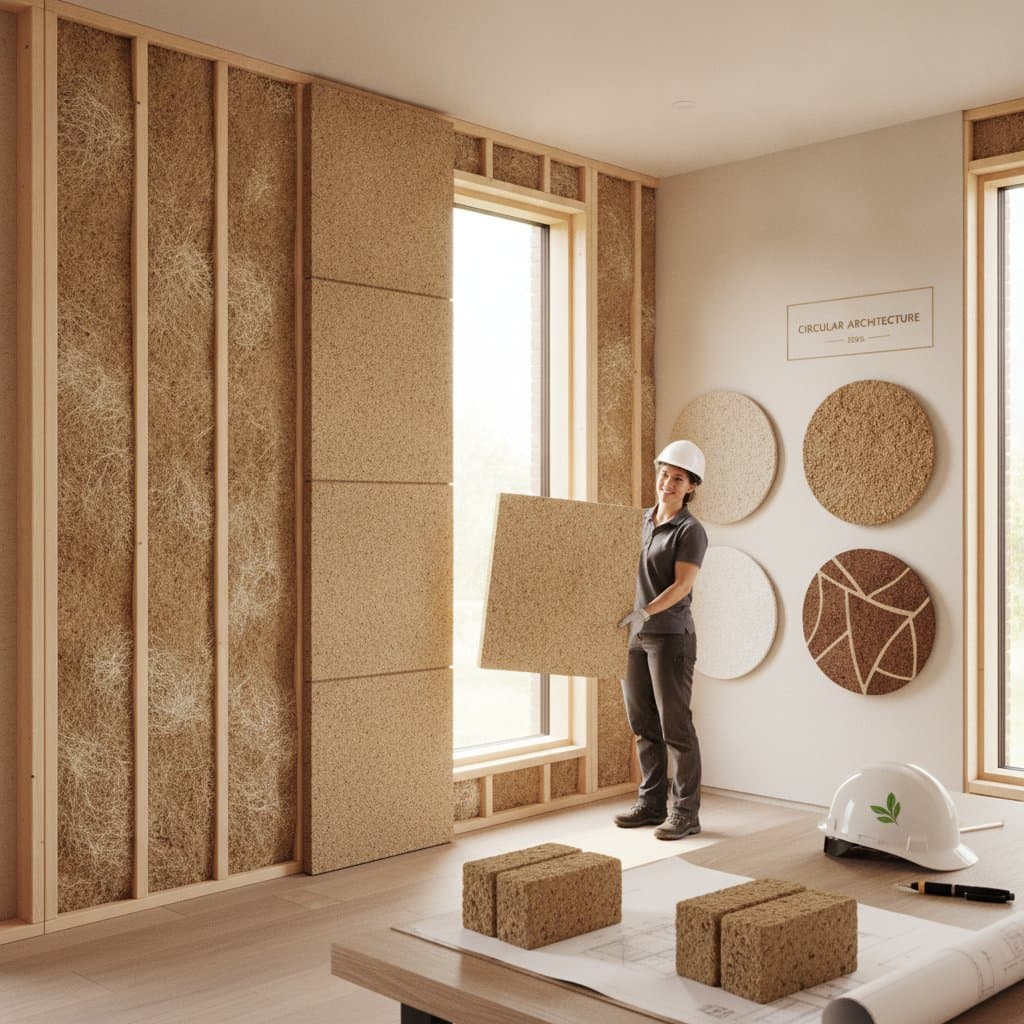
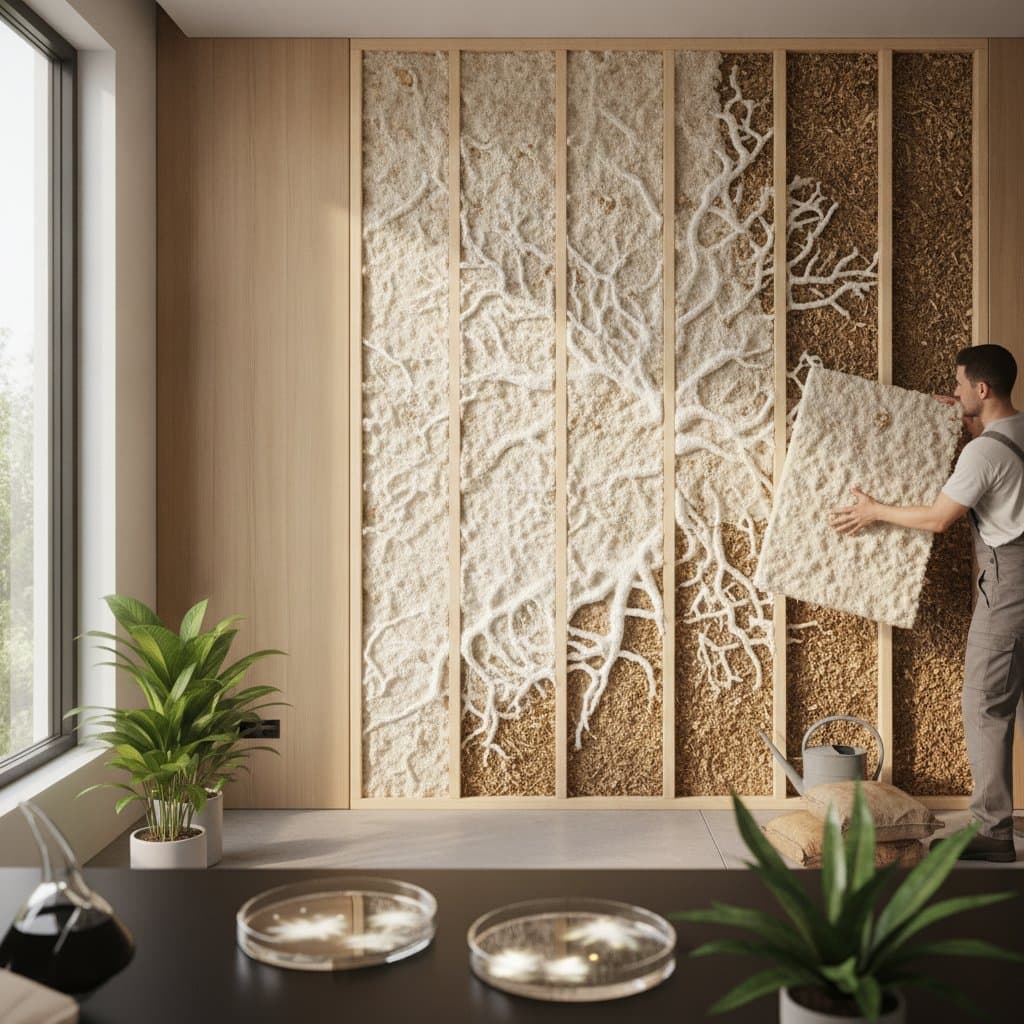
Picture the home of the future equipped with solar panels, smart thermostats, and recycled materials. One innovation emerging from labs and design studios involves fungus rather than metal or plastic. Mycelium insulation, a biodegradable and high-performance building material derived from fungal root networks, transforms sustainable home construction and daily living.
Key Advantages
- Mycelium insulation reduces energy bills by up to 25 percent through superior thermal resistance.
- It generates up to 90 percent less carbon during production compared to traditional foam insulation.
- The material excels in acoustic absorption, creating quieter and more energy-efficient interiors.
- Architects and builders adopting circular and regenerative design principles lead its implementation.
- Local growth of mycelium composites minimizes transportation emissions and bolsters regional economies.
Understanding Mycelium: Nature’s Structural Network
Mycelium forms the vegetative part of fungi, consisting of thread-like hyphae that extend through soil, wood, or organic substrates. Cultivated properly, these hyphae create dense, interlocking structures suitable for lightweight and durable materials.
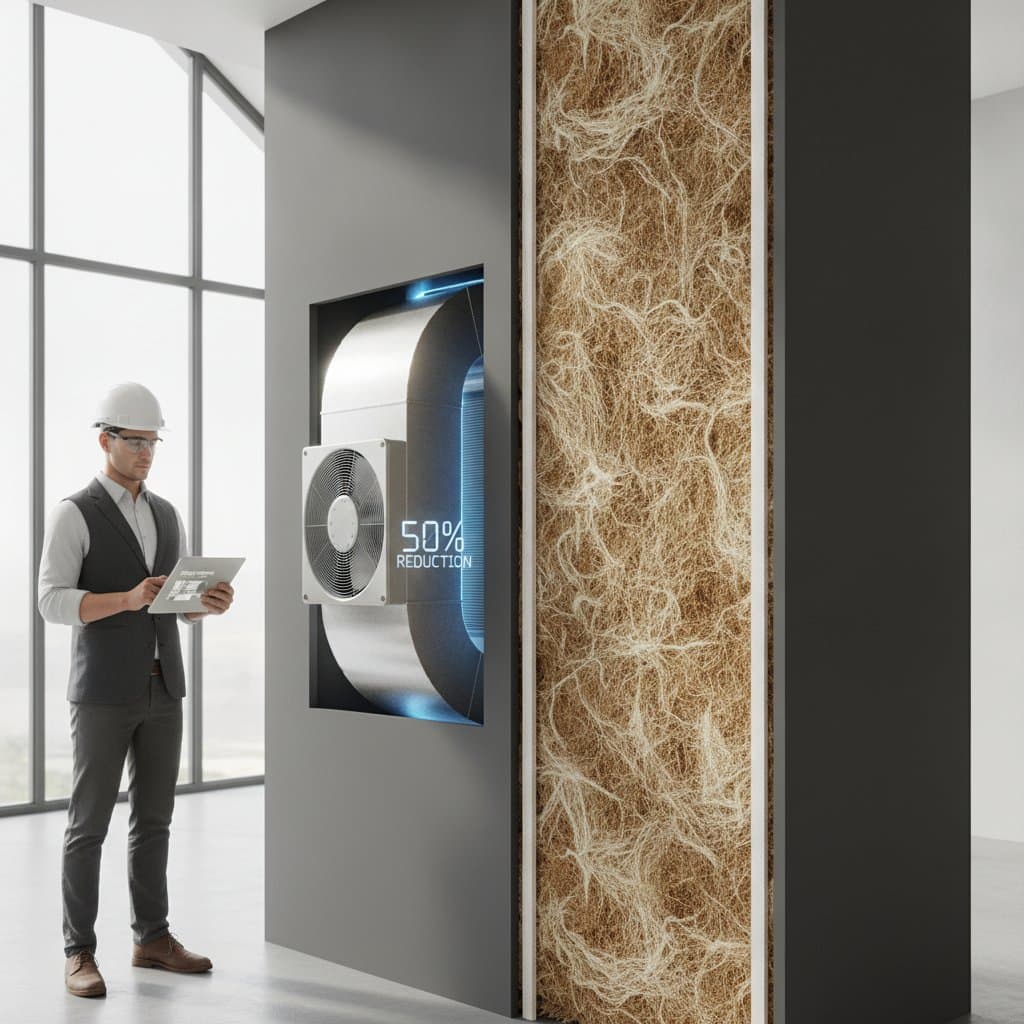
In controlled settings, mycelium grows on agricultural waste like hemp hurd, sawdust, or straw. The fungi bind the substrate into a solid composite. After reaching optimal density, drying or heat treatment halts growth, yielding a rigid, foam-like product that matches synthetic insulation in thermal performance while remaining fully natural and compostable.
Architectural researcher Dr. Lina Perez notes, “Mycelium’s strength derives from its microscopic structure. It functions as nature’s rebar, growing without external energy.”
Why Builders Choose Mycelium Over Traditional Options
Polyurethane foam, fiberglass, and polystyrene dominate insulation standards for their thermal resistance. However, these materials rely on petroleum, demand high production energy, and release toxins if burned or discarded improperly.
Mycelium addresses these drawbacks. Cultivation requires little energy, it emits no volatile organic compounds, and composting handles end-of-life disposal. Growth in molds eliminates cutting waste from sheet production.
Performance Comparison
| Property | Mycelium Insulation | Fiberglass | Polystyrene Foam |
|---|---|---|---|
| Thermal Resistance (R-value per inch) | 3.5 to 4.0 | 3.0 to 3.7 | 3.6 to 4.2 |
| Acoustic Absorption | High | Moderate | Low |
| Fire Resistance | Naturally self-extinguishing | Requires additives | Requires additives |
| Carbon Emissions (Manufacturing) | Very Low | High | Very High |
| End-of-Life Disposal | Compostable | Landfill | Landfill |
Mycelium matches synthetics in key metrics while shrinking environmental impact.
Science of Thermal and Acoustic Efficiency
Insulation traps air to impede heat transfer. Mycelium’s fibrous matrix forms tiny air pockets for this purpose. The same structure dampens sound waves, benefiting residential and commercial acoustic needs.
Research from a European building institute confirms mycelium composites reach R-values akin to mid-density foams with added breathability. This property regulates humidity, curbing condensation and mold. In eco homes emphasizing natural ventilation and air quality, breathability proves essential.
For fire safety, mycelium chars instead of melting, creating a barrier that restricts oxygen and halts burning. This trait eliminates reliance on toxic retardants found in synthetics.
Growing Insulation: A Low-Impact Process
Mycelium production shifts from extraction to cultivation, repurposing agricultural byproducts into building elements.
- Substrate Preparation: Sterilize waste like corn stalks or hemp fibers to remove contaminants.
- Inoculation: Introduce mycelium spores under precise conditions.
- Growth Phase: Allow several days for mycelium to bind the substrate into a mass over days.
- Molding: Shape the growing material to fit wall cavities or panels.
- Stabilization: Apply heat to cease growth and prepare for use.
This method conserves water and energy versus industrial processes. Local feedstocks further cut emissions.
Architectural engineer Kiran Desai states, “Growing insulation near construction sites revolutionizes supply chains.”
Economic Benefits and Environmental Impact
Mycelium costs more upfront than fiberglass or foam, but savings accrue over time. Users achieve 15 to 25 percent energy reductions based on climate and design. Breathability also preserves structures by avoiding moisture damage.
Cost and Return Analysis
| Factor | Mycelium Insulation | Conventional Foam |
|---|---|---|
| Upfront Cost (per square meter) | Moderate to High | Moderate |
| Energy Savings | 15% - 25% | 10% - 20% |
| Lifespan (years) | 20+ | 25+ |
| End-of-Life Cost | None (compostable) | Disposal fees |
| ROI Period | 5 - 7 years | 6 - 8 years |
Life-cycle assessments indicate up to 30 percent lower embodied carbon than standards. Paired with renewables, mycelium aids net-zero goals.
Applications in Eco Home Projects
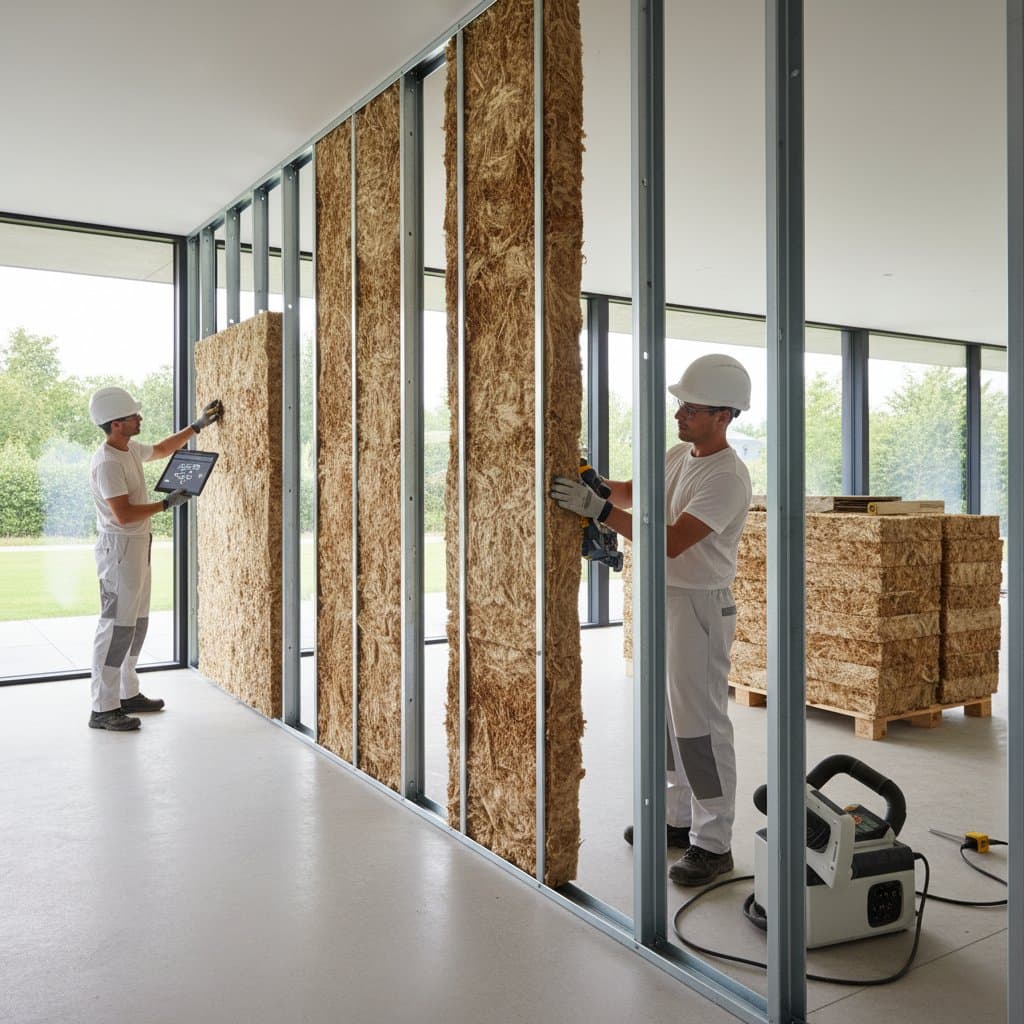
Mycelium suits walls, floors, and roofs in new builds or retrofits. Custom molding adapts it to irregular spaces better than rigid boards.
Ideal Scenarios
- Passive Houses: Enhances ultra-low energy designs with strong thermal barriers.
- Natural Builds: Complements clay, timber, or straw where permeability matters.
- Acoustic Areas: Improves soundproofing in studios or theaters.
- Prefabs: Integrates into panels to streamline assembly and cut waste.
It pairs seamlessly with lime plaster, clay, and timber for healthy, vapor-permeable systems.
Overcoming Barriers to Adoption
Scalability limits production, and biological variability demands strict quality controls for humidity, temperature, and substrates.
Concerns about “fungus walls” arise, but dried mycelium remains inert, free of spores or growth risks. For moisture, coatings like natural waxes or lime sealants provide protection without sacrificing breathability.
Material scientist Dr. Amira Collins explains, “Mycelium insulation harnesses fungal architecture to outperform plastics, not introduce mushrooms indoors.”
Advancements Driving Wider Use
Startups and institutions scale production via optimized fermentation. Hybrids with cellulose or hemp boost durability.
Modular systems grow insulation and structure together, simplifying builds. Policies incentivize bio-materials, easing costs amid rising demand for green spaces.
Steps to Incorporate Mycelium Insulation
For new eco homes or retrofits, follow these steps with expert input.
- Engage Specialists: Collaborate with architects versed in bio-materials for optimized designs.
- Select Verified Sources: Opt for suppliers offering tests on fire, thermal, and moisture performance.
- Install Carefully: Keep panels dry during fitting and seal promptly.
- Apply Compatible Finishes: Use clay or lime plasters to balance moisture.
- Manage End-of-Life: Compost panels to complete the cycle.
Adopters enjoy lower bills, better air quality, and market advantages in green building.
Benefits of Fungal Materials in Modern Homes
Fungal innovations blend biology with design for efficient, comfortable spaces rooted in ecology. They foster regenerative buildings that enhance rather than deplete resources.