Why Mycelium Insulation Stands Out
Homeowners constantly navigate the trade-offs between comfort, expenses, and environmental impact. Conventional insulation options such as fiberglass and foam boards control energy costs effectively, yet they depend on petroleum-derived components and release pollutants during manufacturing. As interest in eco-friendly lifestyles grows, innovators turn to nature-inspired solutions. Mycelium, the underground network of fungi, emerges as a promising alternative that aligns performance with planetary health.
The Science Behind Mycelium Panels
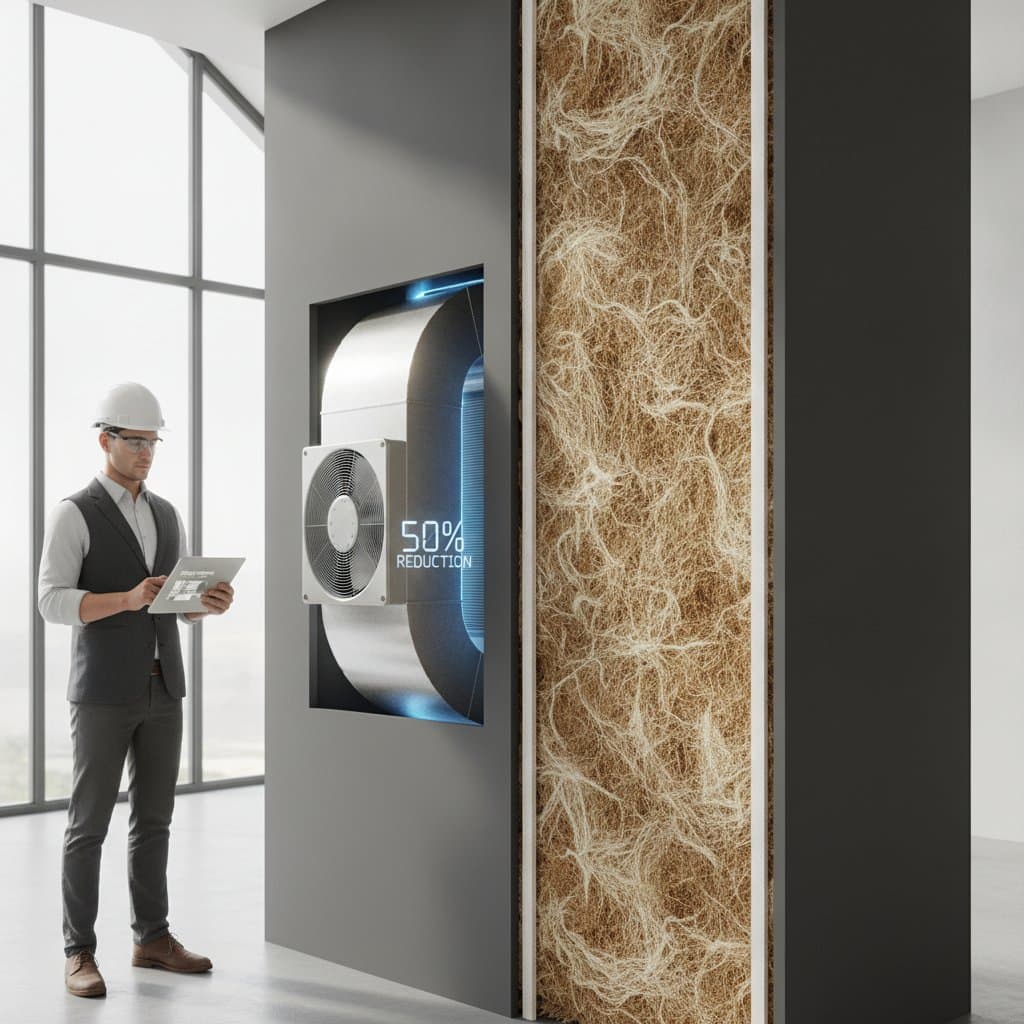
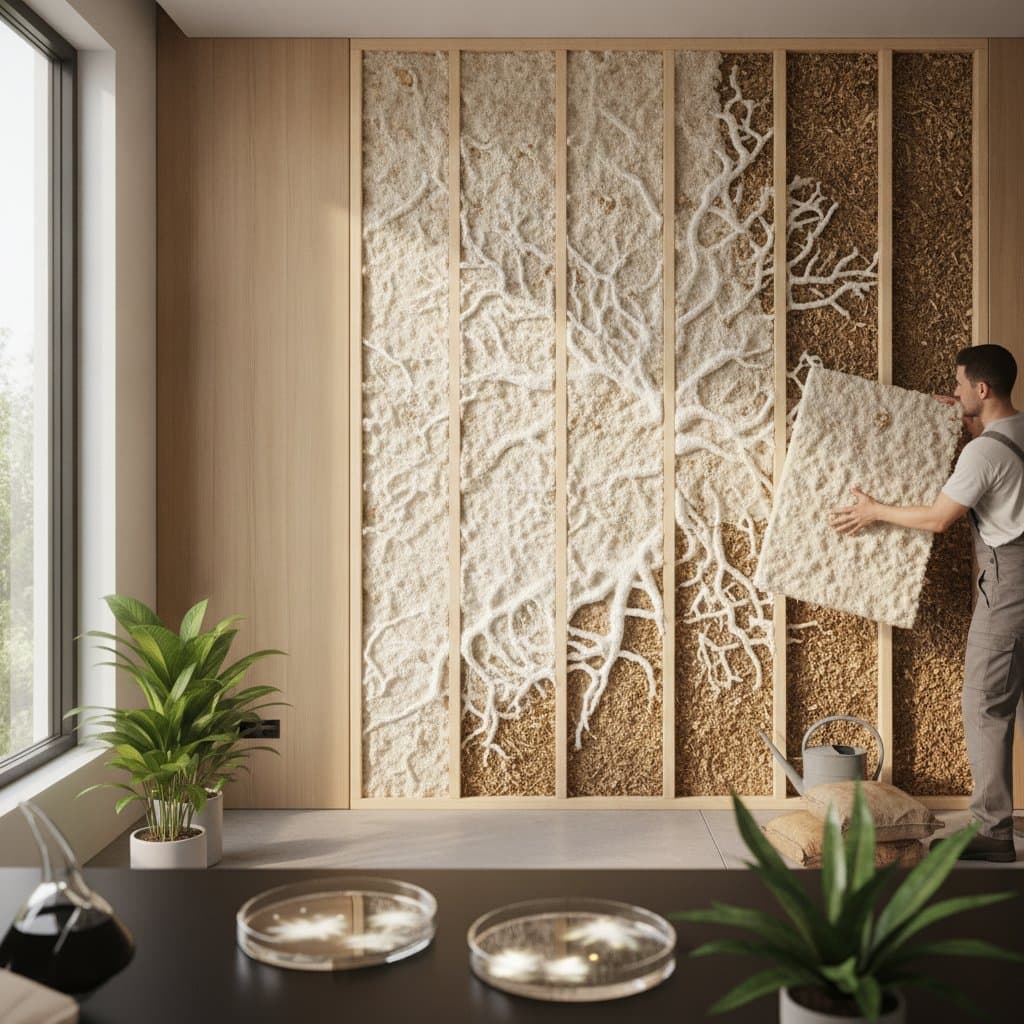
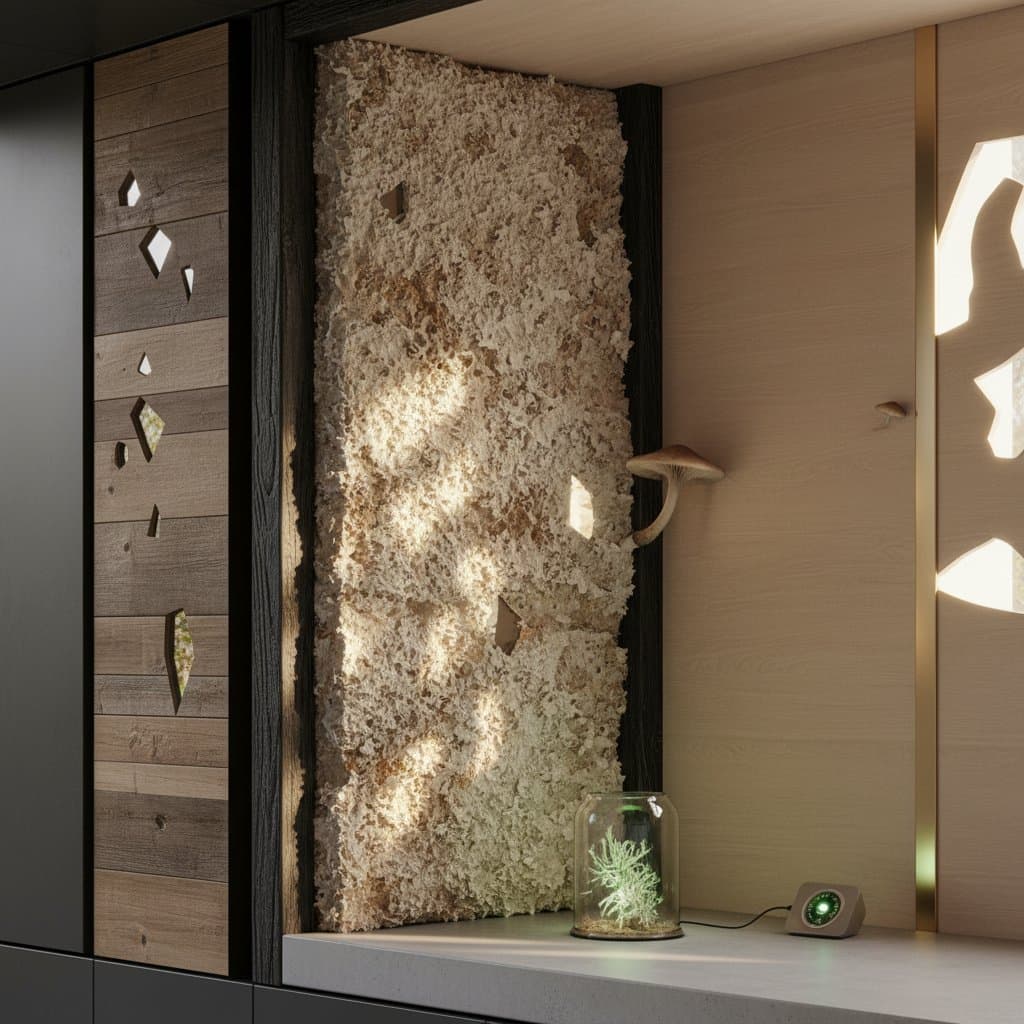
Mycelium binds agricultural byproducts like corn stalks or wood chips into sturdy, foam-like structures through a natural growth process. Once heated to halt fungal activity and treated for durability, these panels offer lightweight construction, inherent fire resistance, and reliable thermal barriers. Production demands little energy and produces negligible waste, positioning mycelium as a leader in low-impact building materials.
Financially, this insulation delivers measurable returns. Panels achieve R-values of 3.5 to 4.2 per inch, on par with fiberglass batts or spray foam. Integrated into sealed building envelopes, mycelium can reduce annual heating and cooling expenses by 15 to 30 percent, based on regional climate data and usage patterns.
Evaluating Costs and Returns
Mycelium insulation typically costs 15 to 25 percent more than standard mineral wool or cellulose. This upfront investment recoups through reduced utility bills, minimal upkeep needs, and eligibility for incentives like federal tax credits for renewable materials. Over a 20-year period, lifecycle analyses show net savings that exceed initial outlays by two to three times.
Environmental gains amplify these benefits. Each square foot of installed mycelium sequesters approximately 0.5 pounds of carbon dioxide equivalents, preventing atmospheric release from synthetic alternatives. Homeowners achieve quicker payback in high-energy-cost areas, often within three to five years, while contributing to broader carbon reduction efforts.
Installation Insights for Builders
Builders appreciate mycelium's ease of handling; its light weight and clean cutting reduce labor time compared to rigid foams. Proper application involves protecting panels from excess moisture during transport and installation, followed by airtight sealing to optimize performance. In wall assemblies, mycelium excels when combined with vapor-open barriers that manage humidity without fostering dampness.
Hybrid systems pair mycelium with complementary materials like recycled denim or cork boards to boost overall efficiency. These setups not only insulate but also leverage natural thermal inertia for stable indoor temperatures, minimizing reliance on mechanical systems.
Gaining Industry Recognition
Regulatory shifts toward net-zero construction elevate mycelium's profile. Organizations such as the U.S. Green Building Council credit bio-insulants for their low embodied energy and renewability. Financial institutions respond with favorable loan rates for certified sustainable projects, reflecting confidence in their longevity.
Market demand enhances property appeal. Homes featuring mycelium insulation often sell 5 to 10 percent above comparable listings, particularly in urban areas where buyers prioritize green features alongside energy-efficient appliances or native landscaping.
Promoting Healthier Homes
Mycelium supports occupant well-being by avoiding off-gassing of harmful chemicals common in petroleum-based products. Its breathable nature balances indoor moisture levels, curbing dust mites and mold growth that trigger allergies. Families with respiratory concerns benefit from these attributes, fostering spaces that promote restful living.
Acoustically, the material dampens sound transmission by up to 40 percent more than fiberglass in mid-frequency ranges, creating quieter interiors. This dual role in thermal and noise control elevates daily comfort without added complexity.
Tailoring to Regional Needs
Mycelium adapts seamlessly to varied environments. In coastal zones with high humidity, integrate it with permeable wraps to facilitate drying. For northern climates, thicker layers or exterior rigid boards enhance cold resistance without sacrificing breathability.
Sourcing locally from farm residues cuts shipping emissions by 50 percent or more versus imported synthetics. This approach strengthens community economies and ensures material freshness, optimizing both ecological and practical outcomes.
Practical Steps for Integration
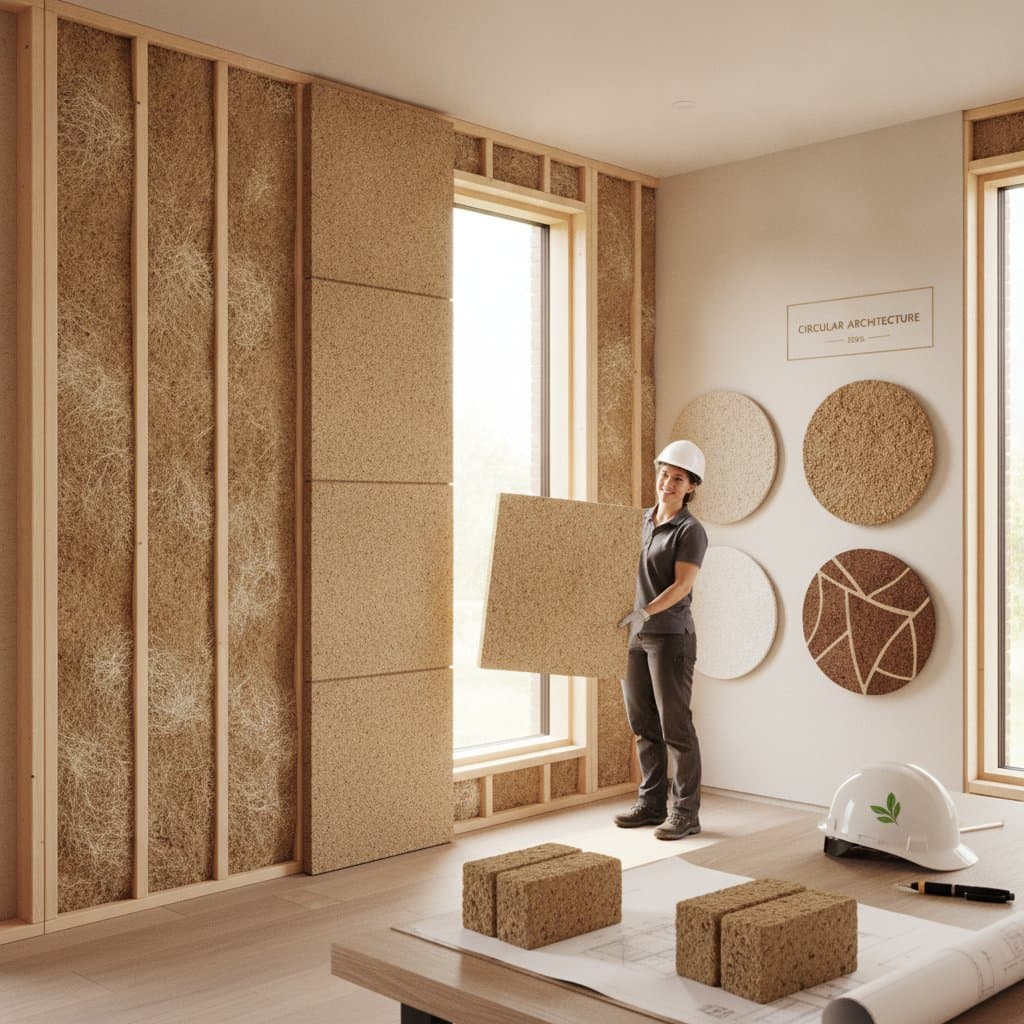
Renovation projects benefit from mycelium's versatility in retrofits; custom-cut panels slot into standard framing with minimal disruption. New constructions allow for molded blocks grown to precise dimensions, streamlining assembly and eliminating on-site trimming.
Consult certified installers versed in biological materials to address ventilation and sealing details. Regular inspections confirm performance, extending the material's effective life beyond 50 years.
Steps to Adopt Mycelium Insulation
- Identify core goals, such as slashing energy use, enhancing air purity, or advancing sustainability.
- Gather supplier specs on R-values, fire ratings, and independent lab tests for verification.
- Secure funding through eco-loans or local rebates targeted at innovative insulators.
- Select contractors experienced in bio-materials for seamless execution.
- Project future gains, including maintenance savings and elevated home equity.
Choosing mycelium insulation advances personal efficiency while supporting regenerative practices. This decision transforms homes into resilient, nurturing environments that endure for generations.