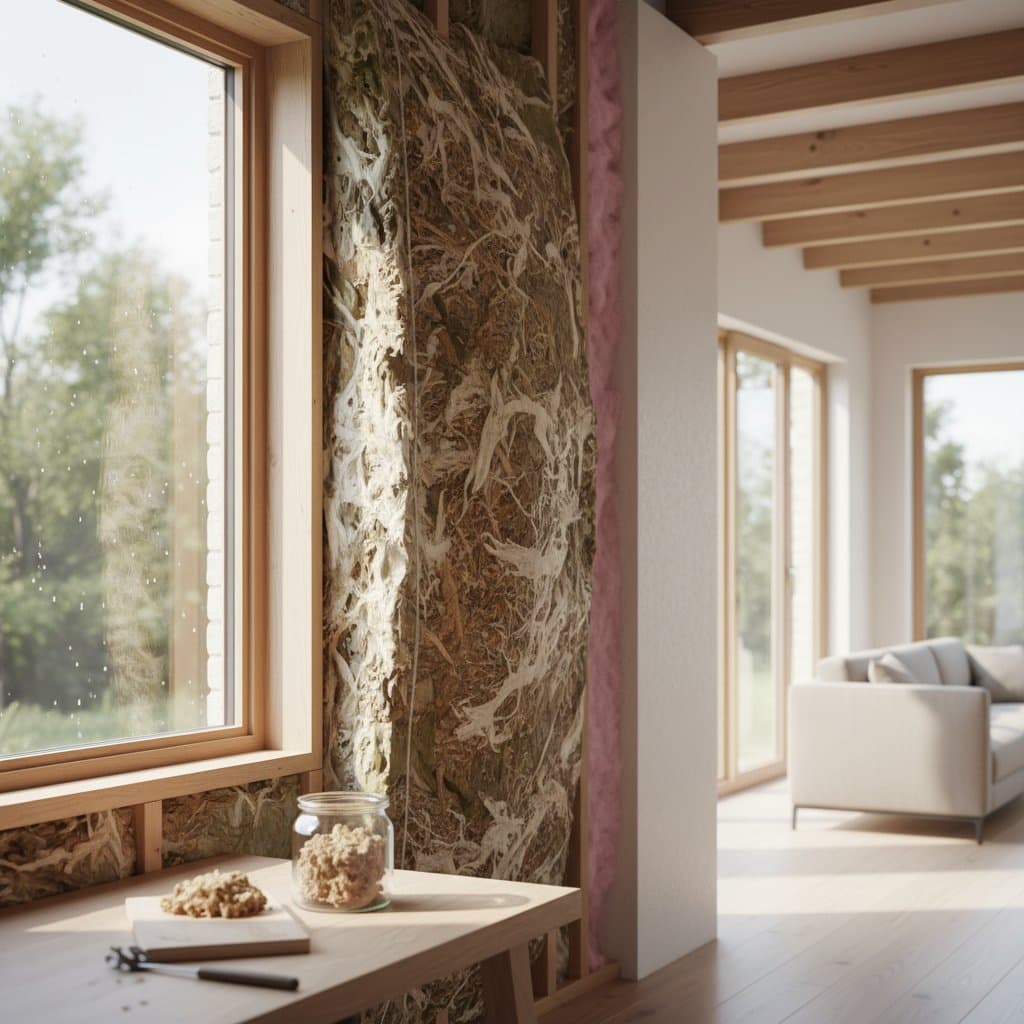
Key Points
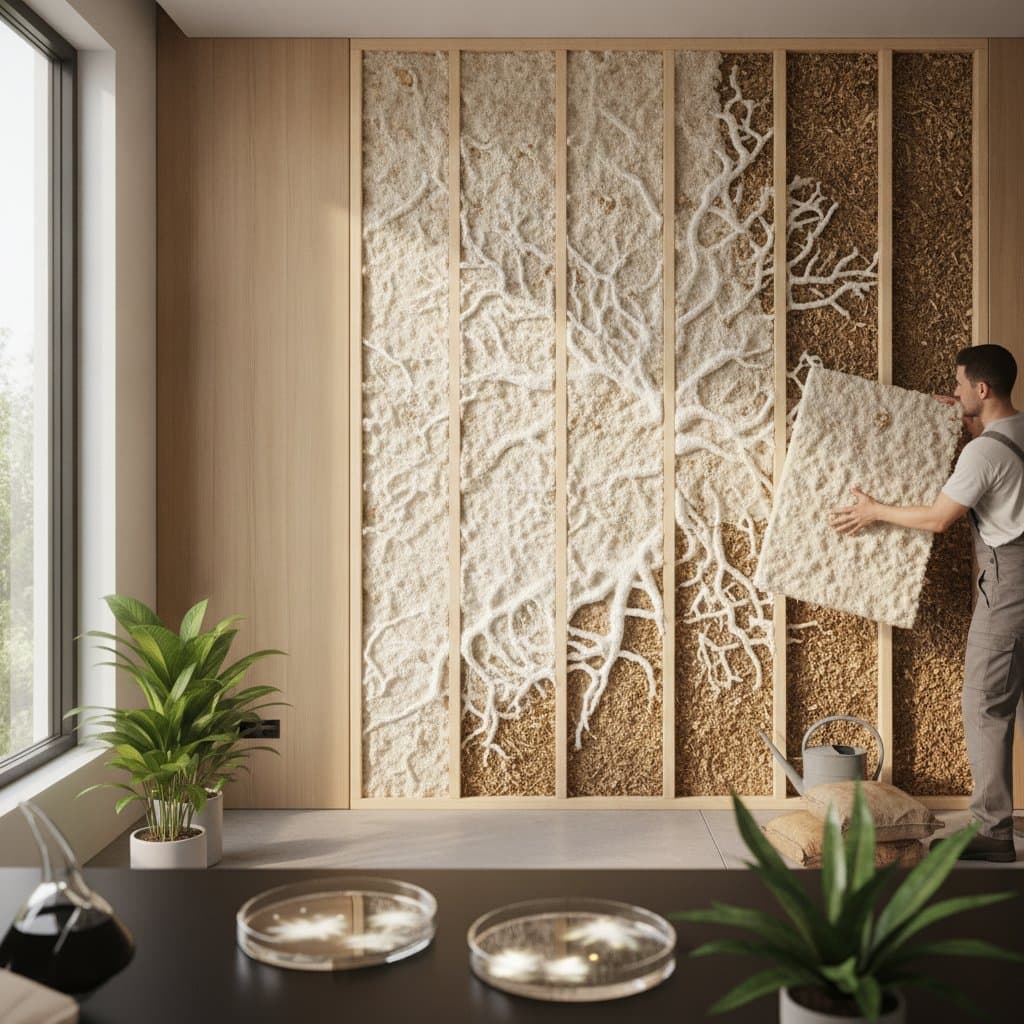
- Mushroom insulation, derived from mycelium, presents a fully biodegradable substitute for traditional foam and fiberglass materials.
- The product exhibits excellent thermal resistance, inherent fire retardancy, and effective moisture management, all without reliance on synthetic chemicals.
- Initial production expenses exceed those of conventional options, yet long-term savings and environmental advantages establish it as a worthwhile investment over time.
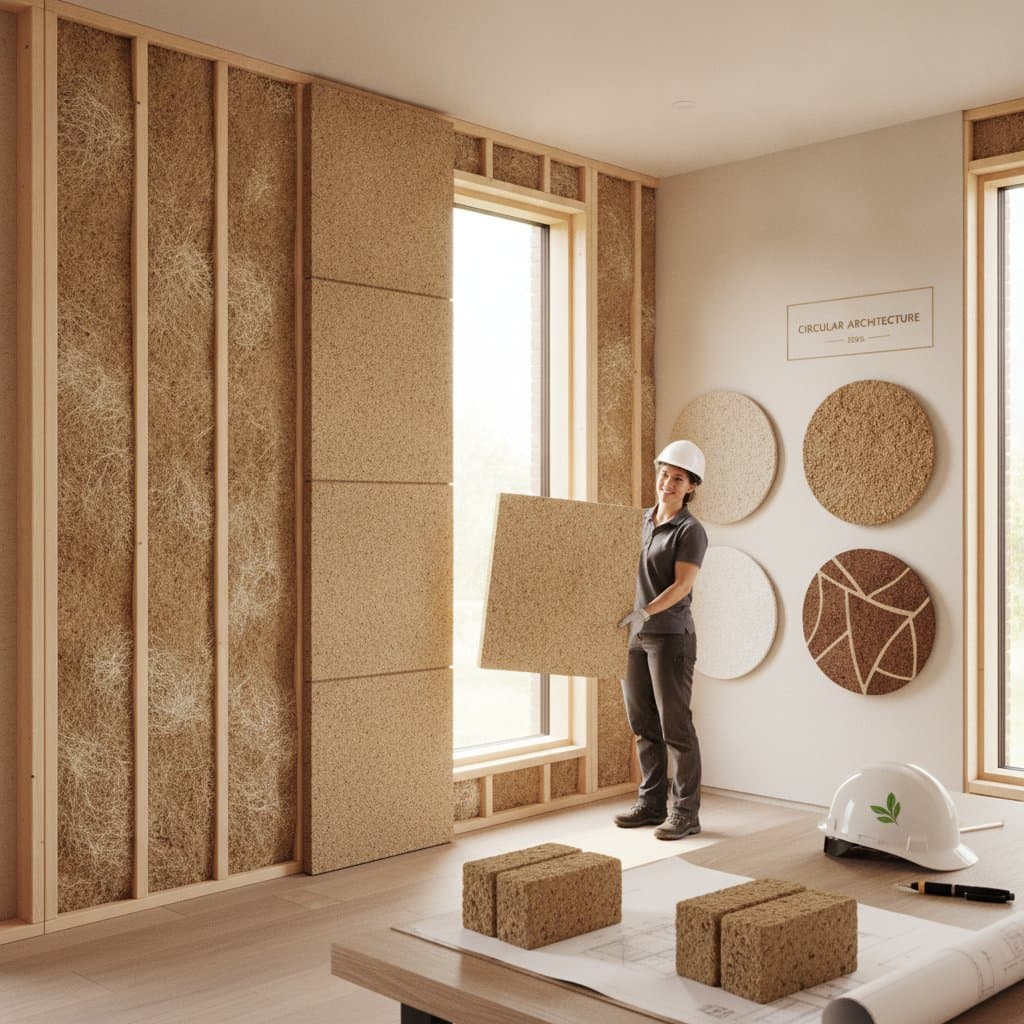
- Mycelium-based panels adapt easily to walls, roofs, and floors, accommodating both new construction projects and retrofit applications.
- Homeowners benefit from evaluating performance metrics, installation techniques, and longevity to determine alignment with personal sustainability objectives.
The Importance of Mushroom Insulation
Homeowners seek methods to lower energy expenses while minimizing environmental impact. Conventional insulation options, such as polystyrene and fiberglass, provide reliable performance but demand significant resources during production and pose recycling challenges. Mycelium insulation emerges as a low-carbon, biodegradable alternative that matches or surpasses these materials in various scenarios.
Energy inefficiency in homes contributes substantially to heating and cooling expenditures. Effective insulation recovers its cost through reduced utility payments, and mushroom insulation enhances this benefit by promoting healthier indoor environments and decreasing dependence on petroleum-derived products. For instance, proper installation can prevent up to 30 percent of heat loss in attics and walls, leading to noticeable improvements in comfort and efficiency.
Analyzing Costs and Return on Investment
Pricing for mycelium insulation fluctuates based on regional manufacturing and supply factors, typically aligning with high-end natural alternatives like sheep wool or cork. For a typical residence, installation expenses range from moderate to elevated relative to fiberglass, although economies of scale promise future price reductions.
Consider these cost elements:
- Material expenses: Approximately 10 to 15 percent above standard fiberglass per square foot.
- Installation requirements: Comparable to rigid panel systems, involving precise cutting and fitting without hazardous adhesives or protective gear.
- Energy cost reductions: Potential 15 to 20 percent decrease in annual heating and cooling bills, especially when paired with comprehensive air sealing measures.
- Overall return: Full payback often occurs within 5 to 7 years, bolstered by increased property value among environmentally aware purchasers.
Lifecycle considerations amplify the value proposition. At the conclusion of its service life, mushroom insulation composts naturally, avoiding disposal costs and landfill contributions. This approach not only conserves resources but also appeals to buyers prioritizing ethical and sustainable property features.
Core Sustainable Attributes and Performance Benefits
Mycelium insulation aligns with comprehensive sustainability principles through several standout features:
- Full biodegradability: The material decomposes harmlessly in soil at the end of its lifespan, supporting natural nutrient cycles.
- Low-energy production process: Fungal growth demands far less electricity and water than foam extrusion or fiberglass spinning.
- Inherent fire resistance: Mycelium withstands flames without added treatments, achieving Class A ratings in standardized tests.
- Absence of toxins: Free from formaldehyde, volatile organic compounds, or artificial binders, ensuring safe indoor air.
- Support for circular systems: Production utilizes agricultural residues as substrate, converting waste into a high-performance building resource.
These attributes extend beyond environmental gains to foster occupant well-being. In practice, homes insulated with mycelium report fewer allergy complaints and stable humidity levels, contributing to regenerative architecture that replenishes rather than depletes ecosystems. Research from material science labs indicates R-values comparable to spray foam, with added resilience in moderate climates.
Frequently Asked Questions
Does mushroom insulation pose risks for allergy sufferers?
Heat processing renders the mycelium inactive, preventing spore release. Individuals sensitive to mold or pollen generally experience no issues, as confirmed by independent air quality assessments.
Can mushroom insulation serve as a complete replacement for other types?
It excels in walls, ceilings, and floors but may require supplementation in high-moisture zones or for extreme insulation needs. Combining it with complementary materials often yields optimal results in diverse building scenarios.
How effective is it against pests?
Mycelium lacks nutritional appeal to rodents, unlike cellulose-based insulators. Sealing entry points during installation further deters infestations, with field reports showing minimal pest activity over decades.
Is widespread availability in place?
Manufacturing expands rapidly, with local facilities reducing shipping distances and emissions. Check with regional suppliers for current stock, as demand drives quicker distribution networks.
Does it comply with building regulations?
Certified mycelium products satisfy fire, moisture, and thermal standards under established protocols. Consult certified installers to verify adherence to specific local codes and obtain necessary approvals.
Steps to Integrate Mushroom Insulation
To adopt mushroom insulation, begin by assessing your home's current setup. Review energy statements, identify draft sources, and measure insulation gaps to pinpoint priorities. Compare mycelium specifications against options like recycled cellulose or rock wool, focusing on R-value, cost per unit, and environmental credentials.
Professional consultation ensures seamless integration. Energy auditors can model projected savings, while contractors familiar with bio-based materials handle custom fabrication. This preparation transforms a simple upgrade into a comprehensive enhancement for efficiency and resilience.
Selecting mycelium insulation represents a commitment to thoughtful living. Residences equipped with this innovation achieve superior performance while embodying principles of harmony between human needs and planetary health.