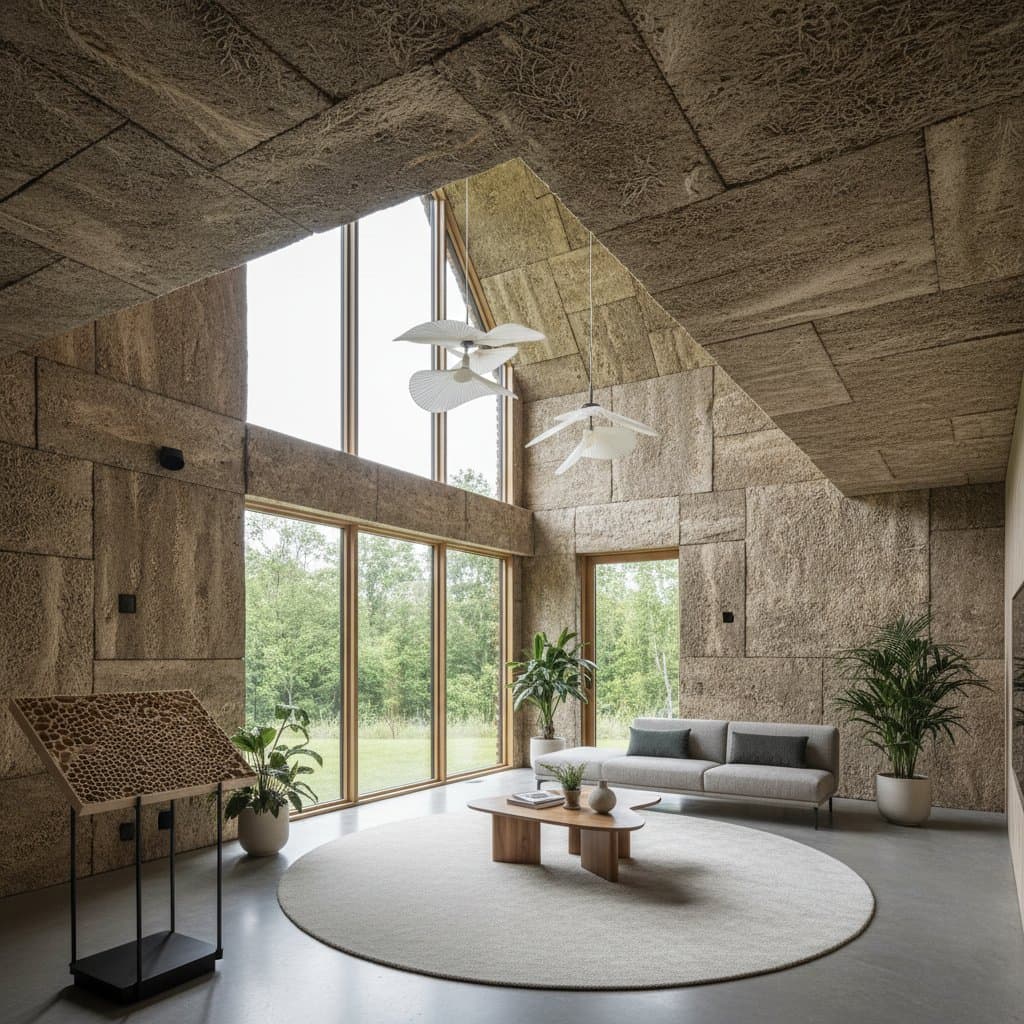
Key Points
- Mushroom insulation, derived from mycelium, advances sustainable building through its full biodegradability and superior energy efficiency.
- It matches the thermal performance of conventional options while featuring a lower carbon footprint and built-in fire resistance.
- Production scaling stabilizes costs, with lifecycle benefits frequently covering upfront investments.
- Mycelium materials promote healthier indoor environments and divert waste from landfills.
- Homeowners benefit from applying this insulation in new constructions or renovations, yielding environmental gains and financial advantages over time.
The Promise of a Living Material
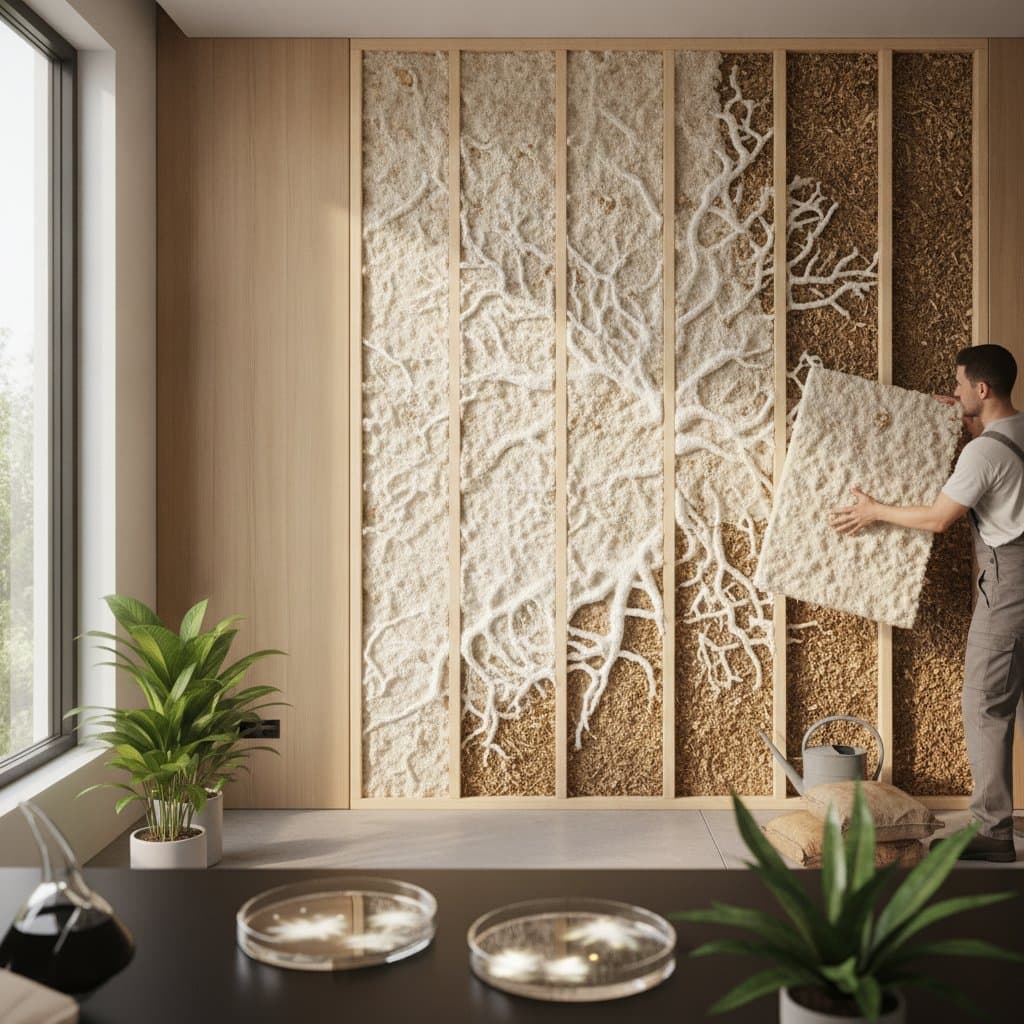
Picture insulation that develops organically rather than emerging from chemical-heavy factories. Mushroom insulation utilizes the fungal root network called mycelium to create panels that form in molds filled with agricultural waste. This process yields a lightweight, dense material that insulates effectively, allows vapor to pass through, and breaks down harmlessly at the end of its use.
Homeowners and builders prioritize materials that align performance with environmental stewardship and affordability. Mycelium insulation achieves this balance through its natural growth process and versatile applications.
Why Mushroom Insulation Matters
Standard insulation like fiberglass or foam boards performs well but carries significant ecological drawbacks. These products demand high-energy production, draw from finite resources, and release volatile chemicals over time. Mycelium insulation sidesteps these issues by growing from organic residues such as straw or corn husks with limited energy input.
Financially, it lowers utility expenses through efficient heat retention. Research indicates R-values of R-3 to R-4 per inch, similar to foam alternatives, leading to 15 to 25 percent reductions in heating and cooling costs based on regional climate and home design.
The environmental advantages extend further. During growth, it captures carbon; it repurposes farm waste to avoid landfills; and it decomposes without residue. These qualities support circular economy principles increasingly adopted in construction projects.
How It Works
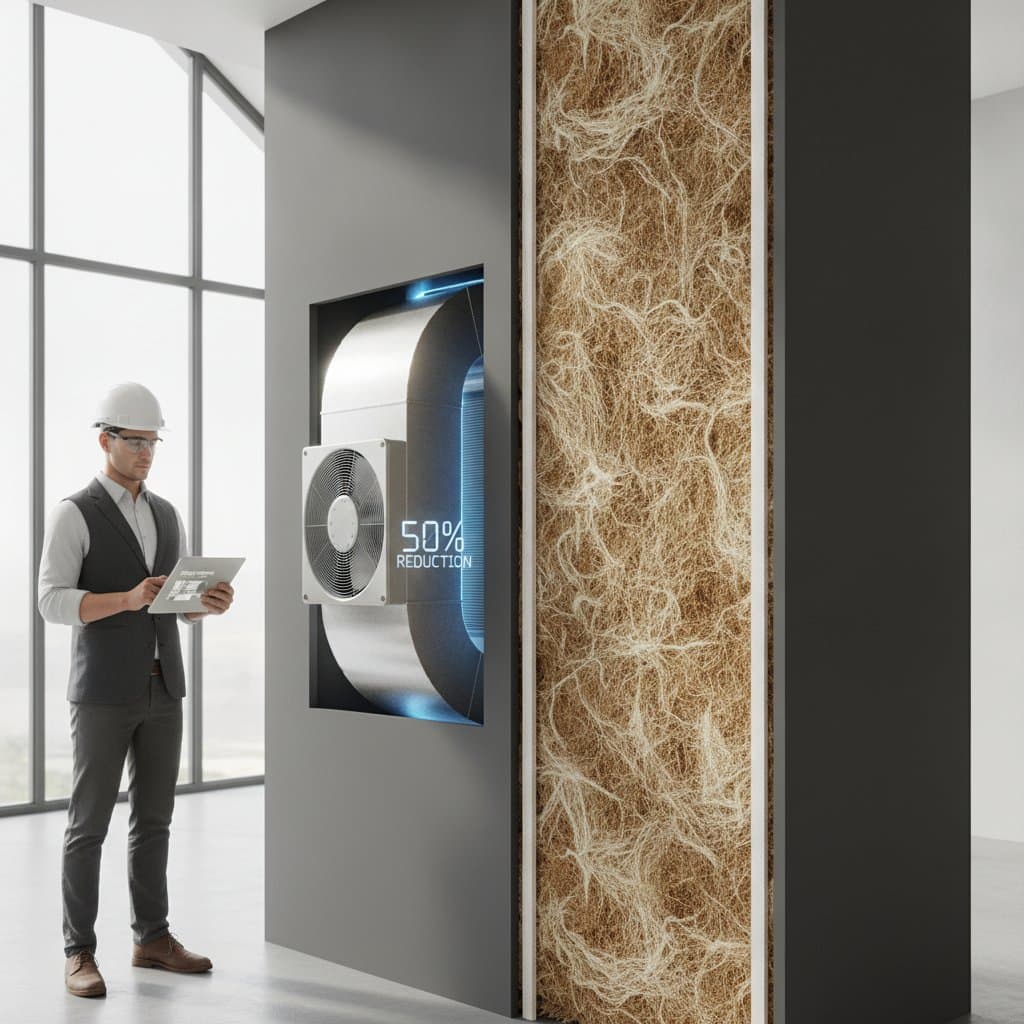
Mycelium functions as a biological binder. Mixed with plant fibers in a mold, it weaves through the substrate to form a cohesive block. After growth completes, low-heat drying stops the process, resulting in a stable, fire-resistant insulation ready for use.
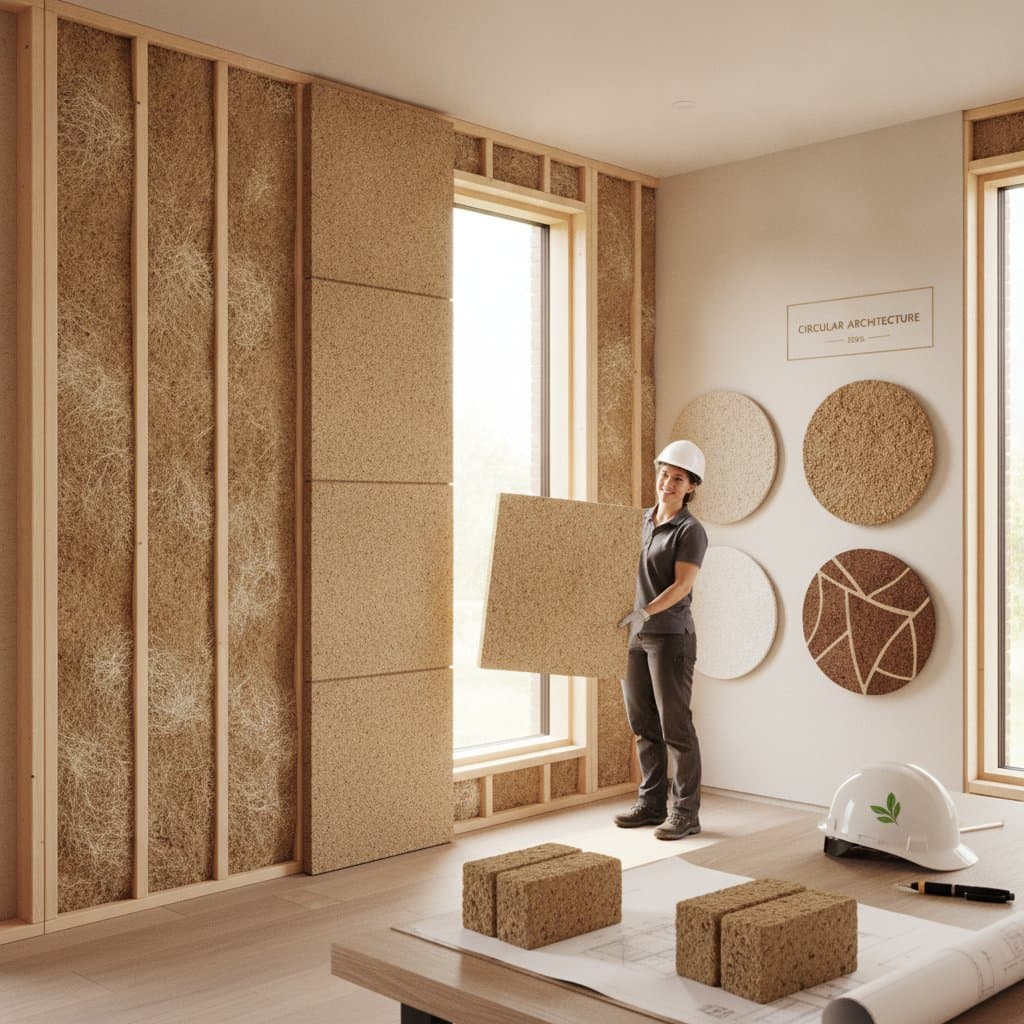
This method allows shaping into rigid panels, modular bricks, or loose fill for diverse applications like walls, roofs, or underfloors. Its breathable nature manages moisture levels, preventing mold buildup and extending building longevity.
Homeowners enjoy consistent indoor climates without excess humidity. Free from off-gassing chemicals, it fosters superior air quality compared to synthetic counterparts.
Comparing Costs and Returns
As a relatively new option, mushroom insulation commands a modest premium, often 10 to 25 percent above fiberglass or mineral wool prices. However, energy efficiencies and durability quickly diminish this gap.
Detailed analyses show payback periods under ten years for typical residences, particularly when paired with enhancements like energy-efficient windows or solar installations. Unlike foams vulnerable to water damage, mycelium maintains integrity for decades if shielded from prolonged moisture.
Builders appreciate localized production from nearby agricultural waste, which cuts shipping emissions and bolsters regional economies.
Durability, Safety, and Performance Metrics
Long-term reliability elevates a material from niche to essential. Cured mycelium creates pest-resistant structures with natural flame retardancy, charring externally to contain fires without added chemicals.
It sustains thermal efficiency amid fluctuating humidity, outperforming damp-sensitive options like cellulose. Mechanically robust, it serves in load-bearing composites for insulation, structure, and sound control.
Minimal upkeep preserves its effectiveness, as it resists settling or compression. These traits appeal to those prioritizing resilient, low-risk homes.
Health and Wellness Benefits
Mushroom insulation enhances occupant well-being by excluding synthetic binders, retardants, and formaldehydes common in traditional products. This composition minimizes respiratory risks and elevates air purity.
Humidity regulation discourages mold while promoting comfort. Paired with natural wall treatments like lime or clay, it forms a non-toxic, permeable barrier.
For health-conscious families, these elements deliver ongoing value and boost resale potential amid rising demand for clean living spaces.
Integration into Current Construction Practices
Professionals integrate mycelium insulation seamlessly into new and existing structures. It fits standard framing without adjustments, and its light weight eases handling during installation.
Prefabricated forms accelerate builds, curbing labor and debris. In green certifications like LEED or Passive House, it satisfies standards for low-carbon materials and healthy interiors.
Renovations benefit too: install it behind breathable barriers to modernize efficiency while preserving architectural heritage. This flexibility suits varied project scales.
Market and Material Evolution
The field of mycelium products grows rapidly through partnerships between innovators and manufacturers. Automated facilities and local farms promise consistent supply and declining prices.
Designers experiment with blends, such as mycelium-timber or mycelium-hemp systems, for entirely compostable envelopes. These innovations expand possibilities in housing and beyond.
Rising emphasis on material origins favors mycelium, offering verifiable natural composition that resonates with informed buyers.
Steps to Adopt Mushroom Insulation
Homeowners can incorporate this material by aligning it with specific objectives.
- Conduct an energy audit to pinpoint insulation weaknesses and maximize impact.
- Consult architects or builders experienced in bio-materials for compatibility checks.
- Source from local providers or cooperatives focused on mycelium solutions.
Each installation advances regenerative building practices. For those balancing comfort with sustainability, mycelium insulation provides a practical, impactful choice.