Key Points
- Mycelium insulation delivers strong thermal performance with very low embodied carbon.
- The material is fully biodegradable, nontoxic, and fire resistant.
- It grows from agricultural waste and supports circular economies.
- With correct moisture control it lasts as long as many synthetic products.
- Homeowners can use it in new construction or retrofits to lower energy use and improve indoor conditions.
The Living Future of Home Insulation
Imagine entering a home that stays cool on humid days and warm on cold nights. The air feels fresh, the walls allow vapor to pass, and the structure supports a quiet sense of balance. Mycelium insulation creates these conditions by turning fungal root networks into a functional building material.
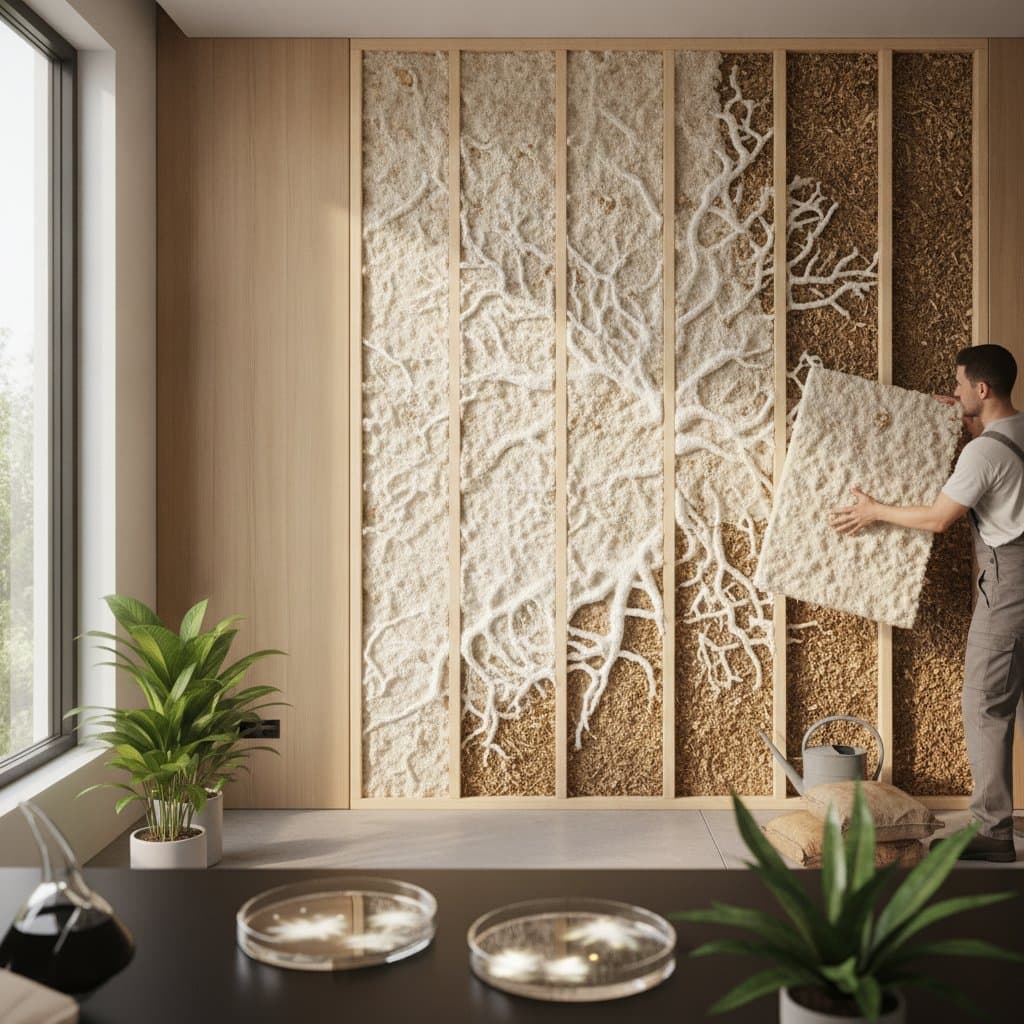
Mycelium forms when fungal spores colonize farm residues such as straw or sawdust. The resulting mass is dried to stop growth and then shaped into panels or blocks. This process replaces energy intensive manufacturing with a short period of cultivation.
Limits of Conventional Insulation
Many standard products contain petrochemical binders that release volatile compounds indoors. In damp climates they can hold moisture and encourage mold. In dry regions they allow air leaks that reduce effectiveness. Buildings account for roughly forty percent of global energy demand, and heating and cooling drive most of that load.
How Mycelium Insulation Is Produced
Growers pack agricultural waste into molds and introduce fungal spores. Within days the mycelium binds the particles into a lightweight matrix filled with air pockets. Drying halts further growth and yields a stable, moldable block. Because the feedstock is local waste, transport emissions stay low.
Performance Advantages
Thermal and Acoustic Properties
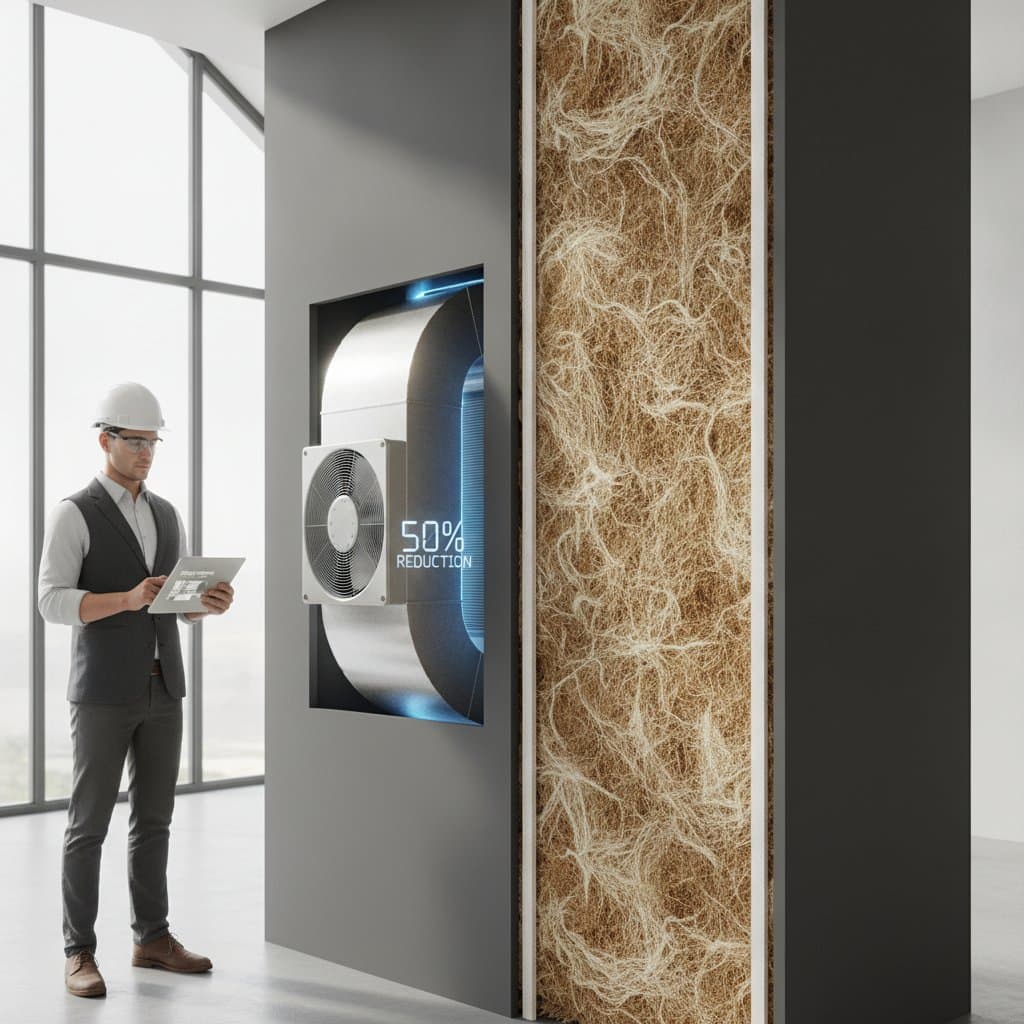
Mycelium panels provide an R value of three to four per inch. They also moderate temperature swings through modest thermal mass and reduce sound transmission between rooms.
Indoor Air Quality
No synthetic resins or chemical additives are required. The material resists mold and pests naturally and carries a Class A fire rating. Installers need no special protective equipment beyond standard dust masks.
Carbon and End of Life
Growth captures carbon dioxide that remains stored in the finished product. At the end of service the insulation can be composted, returning organic matter to the soil.
Moisture and Fire Behavior
When sealed correctly the panels manage humidity without decay. The chitin in fungal cell walls slows combustion, meeting strict fire codes.
Design Flexibility
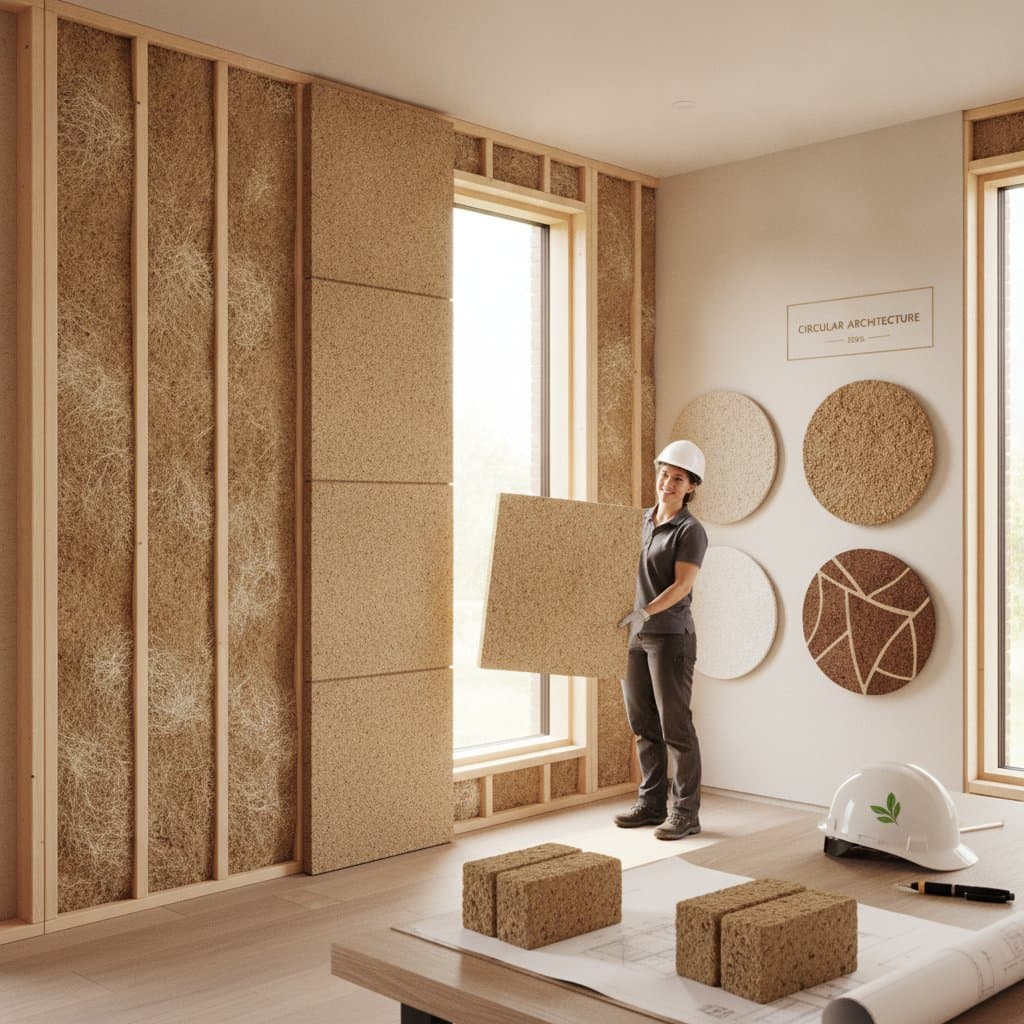
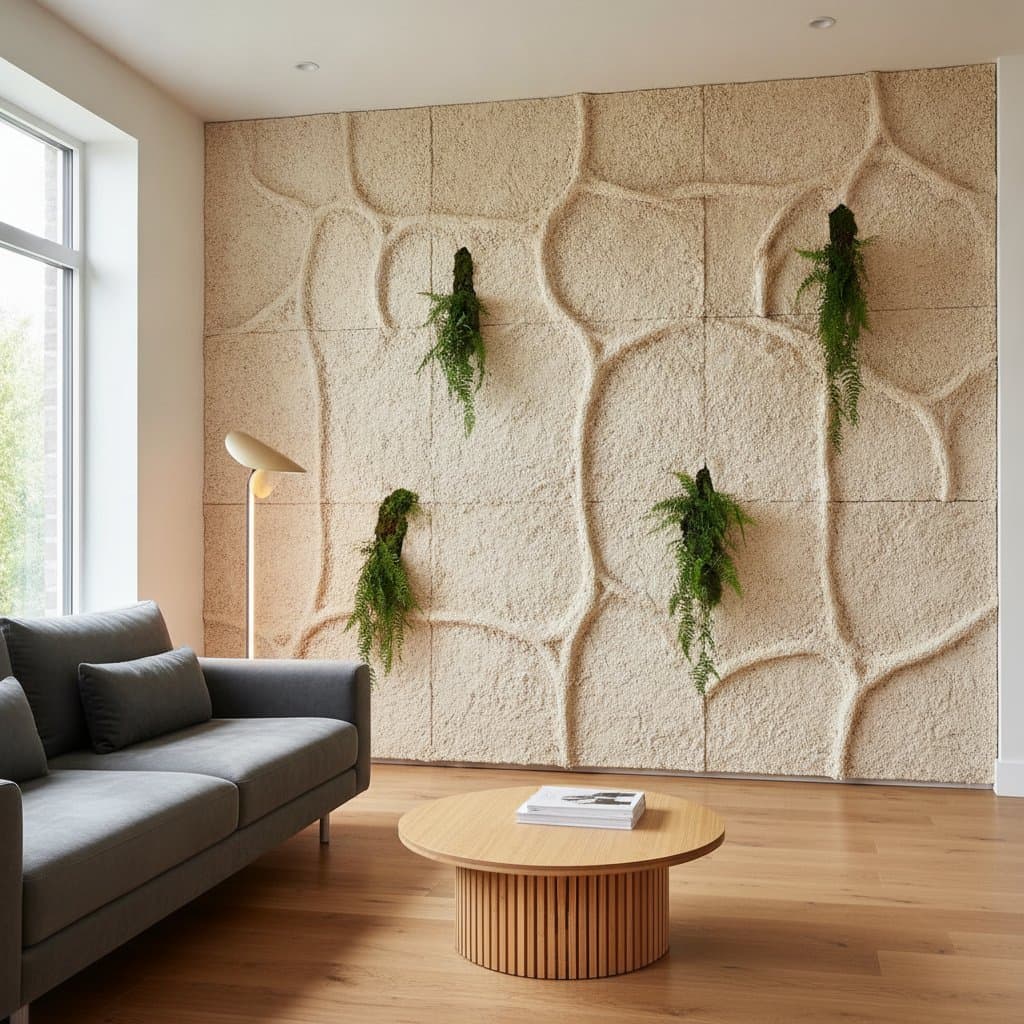
Panels can be molded into flat sheets, curved forms, or acoustic tiles. Architects use this freedom for both hidden insulation layers and visible interior features.
Steps to Integrate Mycelium Insulation
- Order an energy audit to locate the largest heat loss areas.
- Pair the insulation with strategic window placement and exterior shading.
- Install vapor retarders and ventilation to keep moisture levels stable.
- Select suppliers within your region to cut transport emissions.
- Combine the upgrade with on site renewables for the largest savings.
These measures can improve whole house efficiency by up to thirty percent.
Cost, Durability, and Code Issues
Current prices range from eight to twelve dollars per square foot. Installation is straightforward because the material is light and nontoxic. Professional crews usually finish an average house in one to three days plus one day for sealing. Properly installed panels last more than twenty years when humidity is controlled.
Many building codes now accept mycelium products under green certification programs. Projects pursuing LEED or Living Building Challenge credits often qualify for materials points. Confirm local acceptance before ordering.
Environmental Benefits
Production releases up to ninety percent less carbon dioxide than petrochemical alternatives. It also diverts farm waste that would otherwise generate methane in landfills.
Practical Experiences
Materials scientist Lena Ortiz notes that mycelium behaves like a living system that protects without environmental cost. Builder Samir Khan reports that clients notice a distinct comfort difference once the material is in place.
Next Actions for Homeowners
Begin with a professional assessment of current insulation performance. Discuss material options with a green building specialist who understands local climate and code requirements. For smaller projects, mycelium kits allow testing on interior panels or acoustic surfaces. Thoughtful integration of this grown material can lower operating costs while supporting healthier indoor environments.