Key Points
- Induction cooking uses electricity to heat cookware directly. This approach cuts wasted energy and improves indoor air quality.
- Switching from gas to electric lowers utility bills over time. Pairing the change with renewable energy or efficient appliances maximizes the benefit.
- Planning the transition now helps avoid future regulatory restrictions. Homeowners gain access to rebates or incentives before demand increases.
The Shift Away from Gas
Imagine simmering pasta sauce on a gas stove. The windows fog and a faint smell of combustion lingers in the air. It feels cozy, yet that blue flame releases pollutants inside the home and carbon emissions outside. Many cities encourage homeowners to transition to electric cooking and heating for cleaner and more efficient living.
The change arrives quickly and for solid reasons. Electric options, especially induction ranges, deliver power, sleek design, and long-term affordability. The move goes beyond future regulations. It supports healthier air, reduced energy costs, and technology that enhances cooking.
Benefits of the Electric Transition
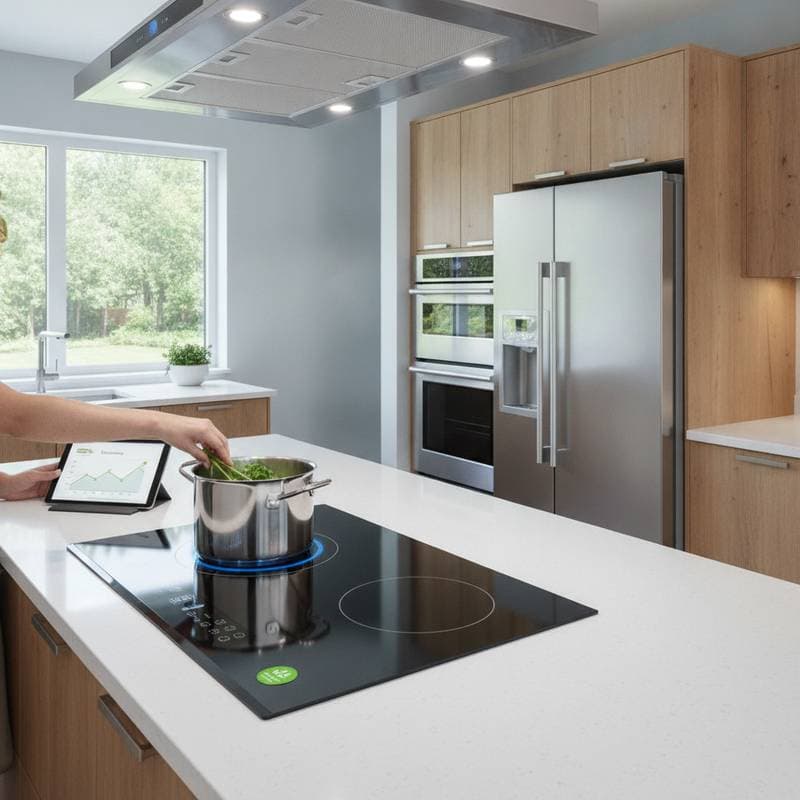
Induction cooktops convert 85 to 90 percent of energy into heat. Gas models achieve only 35 to 40 percent efficiency. More energy reaches the food rather than the kitchen air.
Gas combustion produces nitrogen dioxide and carbon monoxide. These gases can worsen asthma and respiratory conditions. Electric appliances eliminate these emissions. When combined with better insulation and renewable power, households achieve a smaller environmental footprint.
Upfront costs for electric upgrades may exceed those for gas. Reduced energy waste, lower maintenance, and rebates offset the investment within several years.
Planning Essentials
Consider these factors before removing the gas line:
- Electrical capacity: Older homes may require a circuit upgrade. A licensed electrician assesses panel capacity and wiring needs.
- Cookware compatibility: Induction requires magnetic pots and pans. Test with a magnet on the bottom.
- Ventilation adjustments: Induction generates less heat and no combustion gases. Ventilation systems can often be simplified.
- Rebates and incentives: Governments and utilities provide financial support for electric conversions, particularly efficient models.
These preparations turn the transition into an upgrade.
Cost and Return Analysis
A mid-range induction cooktop costs several hundred to a couple thousand dollars. Installation, electrical work, and old equipment disposal add several hundred more.
Long-term savings prove substantial. The switch can halve cooking energy use. Fully electric homes often see 10 to 20 percent lower annual energy costs. Solar panels or time-of-use plans increase the savings.
All-electric homes attract buyer interest. Sustainability and health benefits add market value.
Efficiency and Modern Features
Combine electric cooking with efficient water heating, insulation upgrades, and smart management for greater impact. Induction appliances offer precise temperature control. This precision reduces food waste and cooking time.
Some models feature automatic shutoff and smart connectivity. Power adjusts based on demand. These functions contribute to environmental and financial improvements.
Common Questions
Do I need to replace the entire kitchen at once?
No. Many begin with a portable induction unit. Replacing one appliance at a time spreads costs and builds familiarity.
Do electric stoves match gas power?
Induction heats cookware faster than gas. Water boils in half the time. Temperature adjustments occur instantly without flames.
How does this work with fossil-fuel electricity grids?
Electric systems reduce emissions through higher efficiency. As grids add renewable sources, household impact improves automatically.
Next Steps for Homeowners
Assess current appliances and electrical setup. Research local incentives. Consult professionals for upgrades. These actions lead to cleaner air, lower costs, and a future-ready home.