Key Points
- Mycelium insulation provides superior thermal performance and remains fully biodegradable.
- It naturally regulates indoor humidity and resists fire without relying on synthetic chemicals.
- Local production using waste-based feedstocks positions it as a sustainable, circular option compared to traditional insulation.
- Proper installation and moisture management prove essential for long-term durability.
- Costs align competitively, particularly when accounting for energy savings and minimized environmental effects.
How Mycelium Insulation Enhances Home Comfort
Imagine entering a home that maintains a naturally cool interior during humid afternoons and a steady warmth on cold nights. The air quality feels fresh, the walls permit natural airflow, and an underlying efficiency promotes a sense of well-being. As a professional in green building, I have observed numerous homeowners pursue this combination of comfort and environmental responsibility. Options such as recycled cellulose or sheep wool serve as alternatives, yet mycelium insulation emerges as a compelling advancement.
Based on extensive field experience, mycelium materials represent more than a temporary innovation. They contribute to a broader evolution in architecture toward biologically derived building components. For those interested in an insulation solution that conserves energy, advances local sustainability, and originates directly from natural processes, mycelium insulation warrants consideration as a strategic investment in ecological comfort.
Challenges with Traditional Insulation and Its Environmental Impact
Standard insulation products, including fiberglass and foam boards, depend on petrochemical feedstocks and energy-intensive production methods. These materials frequently release volatile organic compounds and persist in landfills for hundreds of years. In regions with high humidity or proximity to coastlines, they may retain moisture, fostering mold growth and compromising indoor air quality.
Green building research indicates that insulation accounts for as much as 15 percent of a home's embodied carbon. Consequently, the walls and roof may embody a significant portion of the structure's total emissions prior to occupancy.
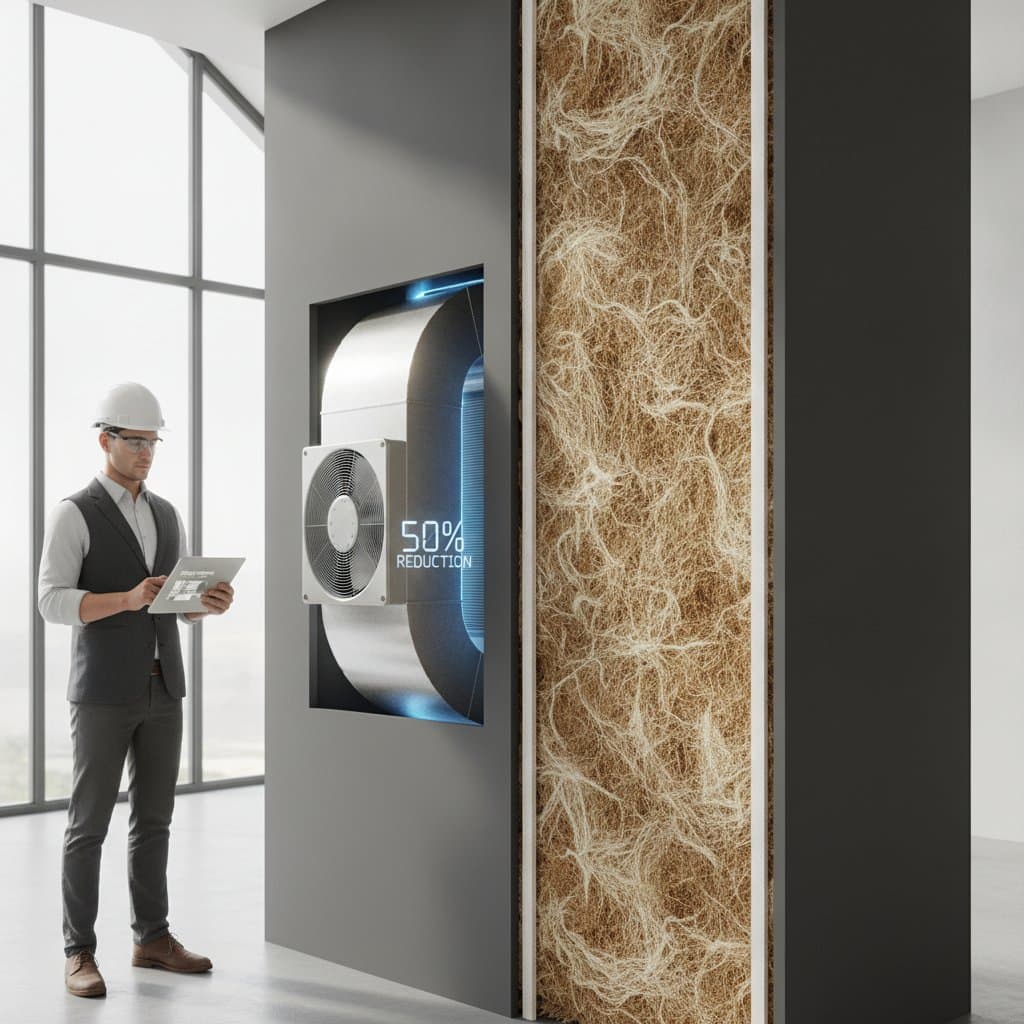
Mycelium, the filamentous root structure of fungi, presents a transformative solution. It proliferates quickly on substrates such as straw, sawdust, or hemp hurds, forming compact, absorbent panels that function in both structural and insulating capacities.
Advantages of Nature's Composite Material
Under regulated growth conditions, mycelium develops into a composite that matches the efficacy of synthetic counterparts. After drying, the resulting material proves lightweight, durable, and highly fire-resistant. At the conclusion of its service life, it decomposes entirely, enriching soil rather than contributing to pollution.
Dr. Lena Ortiz, a researcher in sustainable materials, states, "Mycelium insulation behaves like living architecture. It responds to humidity, maintains stability, and closes the loop on waste."
Homeowners benefit from a renewable resource that improves indoor air quality, moderates temperature fluctuations, and decreases energy requirements by up to 25 percent in select retrofit scenarios.
Strategies for Integrating Mycelium Insulation Effectively
To incorporate mycelium insulation successfully, evaluate its compatibility within the overall building envelope. Effective implementation hinges on meticulous integration and humidity oversight.
- Evaluate Building Envelope Areas: Examine wall cavities, attic regions, or floor assemblies suitable for insulation upgrades. Mycelium performs optimally in enclosed, low-moisture settings.
- Collaborate with Regional Producers: Engage small-scale operations that cultivate custom panels or blocks from local agricultural residues. Such partnerships bolster community-based resource cycles.
- Confirm Complete Dehydration: Ensure the insulation undergoes thorough drying prior to placement. Residual moisture risks unintended fungal activity or unpleasant odors.
- Incorporate Permeable Barriers: Select vapor-open membranes over impermeable plastics. These facilitate air circulation and mitigate condensation buildup.
- Conduct Routine Inspections: Perform yearly assessments to detect potential water ingress or pest interference that could compromise the material's integrity.
Individuals inclined toward hands-on projects may begin with applications in outbuildings like sheds or garden offices. For comprehensive residential upgrades, seek guidance from specialists versed in biological materials.
Reasons Builders Adopt Fungal-Based Insulation
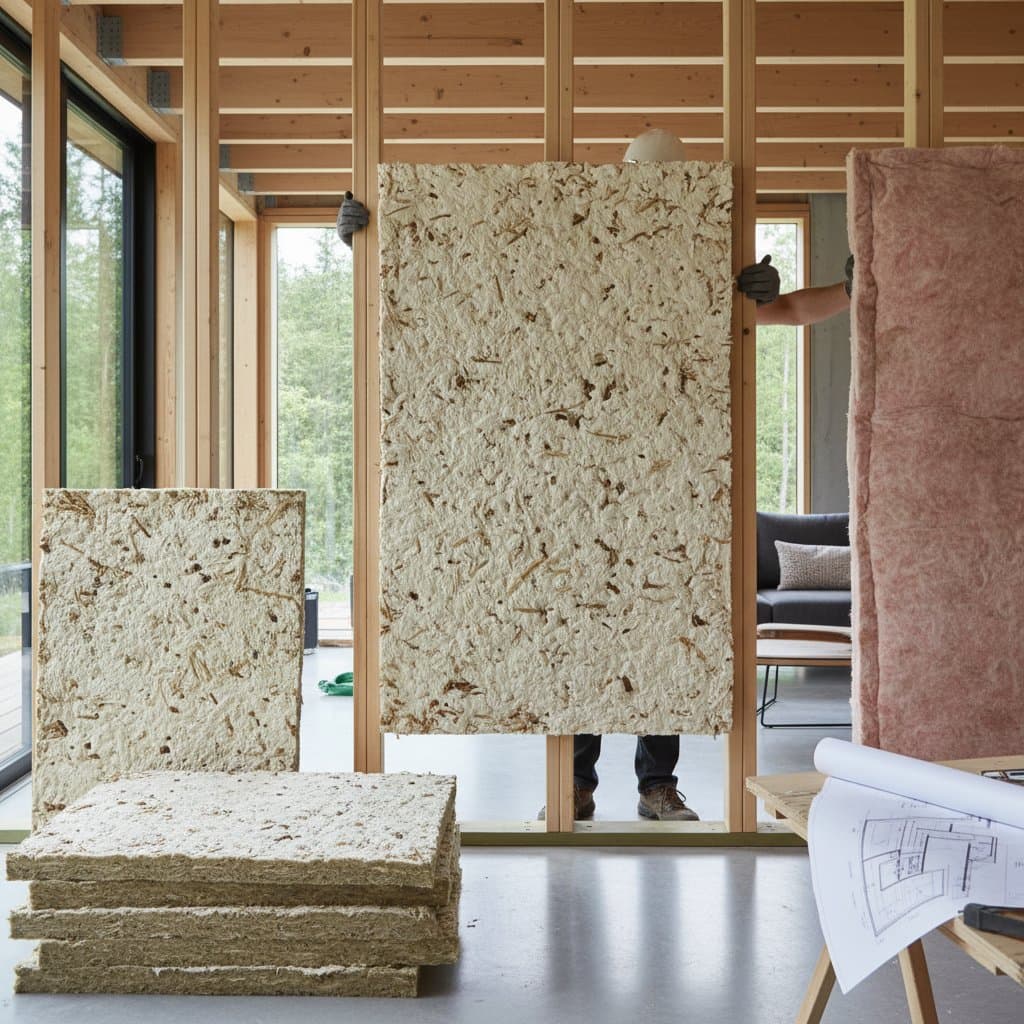
Construction professionals appreciate the adaptability of mycelium insulation. It lends itself to formation as rigid panels, foam-like applications, or sound-absorbing elements. Fire performance stands out, as the material carbonizes upon heat exposure rather than igniting, producing negligible smoke and zero hazardous fumes.
Structurally, mycelium composites deliver compression resistance akin to lightweight foams, all while remaining fully decomposable. A builder involved in a seaside development remarked, "Mycelium panels handled the humidity better than expected and created a steady, comfortable interior climate."
Essential Factors for Homeowners Considering Mycelium
Cost Analysis: Installed mycelium insulation typically ranges from $8 to $12 per square foot, varying by density and location. Although this exceeds basic fiberglass initially, energy efficiencies and elimination of end-of-life expenses yield parity within five years.
Thermal Efficiency: R-values, which quantify resistance to heat flow, span R-3 to R-4 per inch, comparable to cellulose. The material's humidity regulation enhances overall comfort beyond numerical metrics.
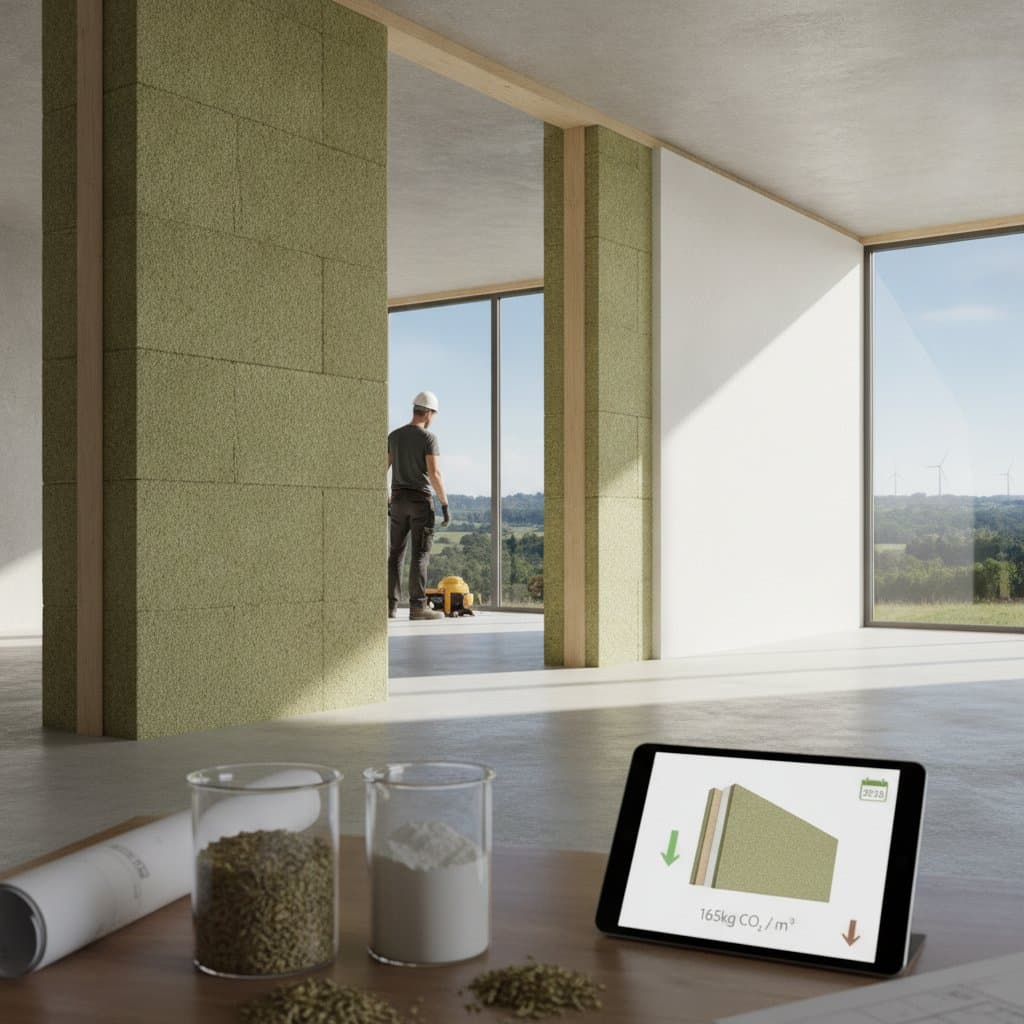
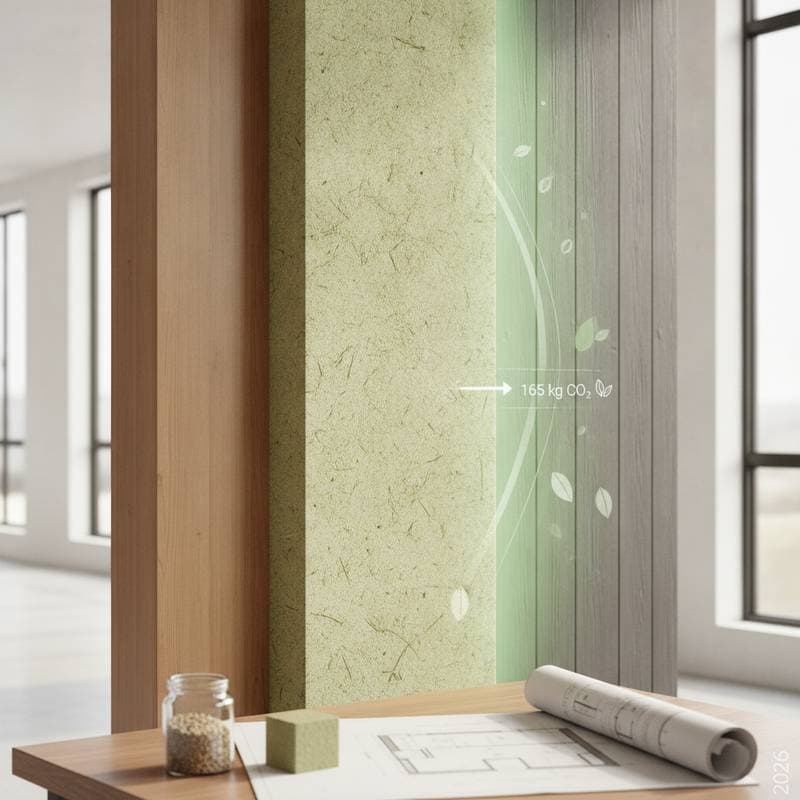
Environmental Benefits: Reliance on agricultural byproducts supplants extraction of virgin minerals or petroleum derivatives, substantially lowering embodied carbon. Panels derive from renewable sources that prevent waste accumulation.
Regulatory Alignment: Building authorities increasingly accept mycelium as a valid biological product. Confirm that suppliers furnish certifications for fire resistance and structural adequacy compliant with regional standards.
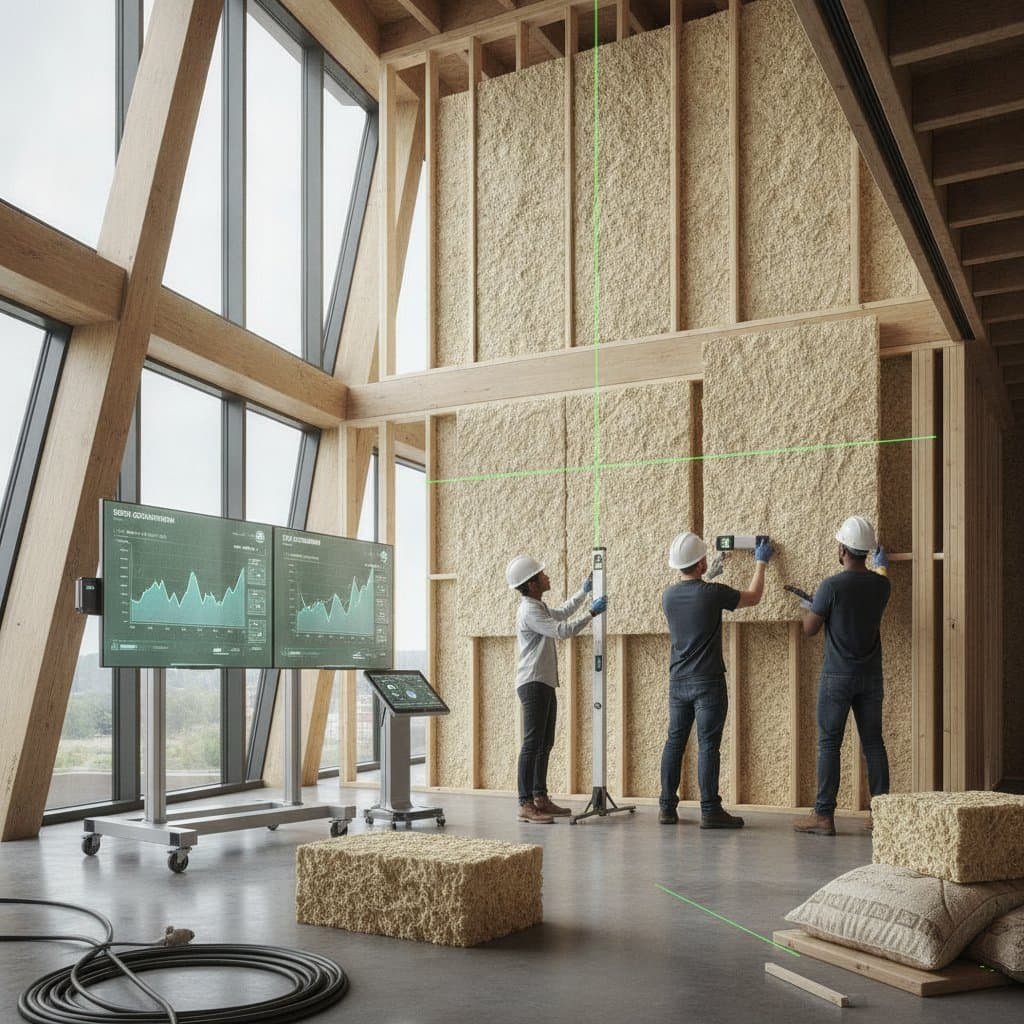
Project Timeline: Cultivation and curing require approximately two weeks before panels suit installation. On-site assembly parallels procedures for other rigid insulants.
Steps to Implement Mycelium Insulation
To proceed with this biological material, consult certified green building specialists via resources at itsacoolerplanet.com. Experts in fungal composites assist with planning, humidity protocols, and procurement.
Selecting mycelium insulation elevates residential performance while advancing regenerative construction practices. These approaches view byproducts as assets and prioritize comfort within ecological frameworks. In a space insulated with mycelium, the balanced atmosphere reflects a seamless integration with natural systems.