Key Points
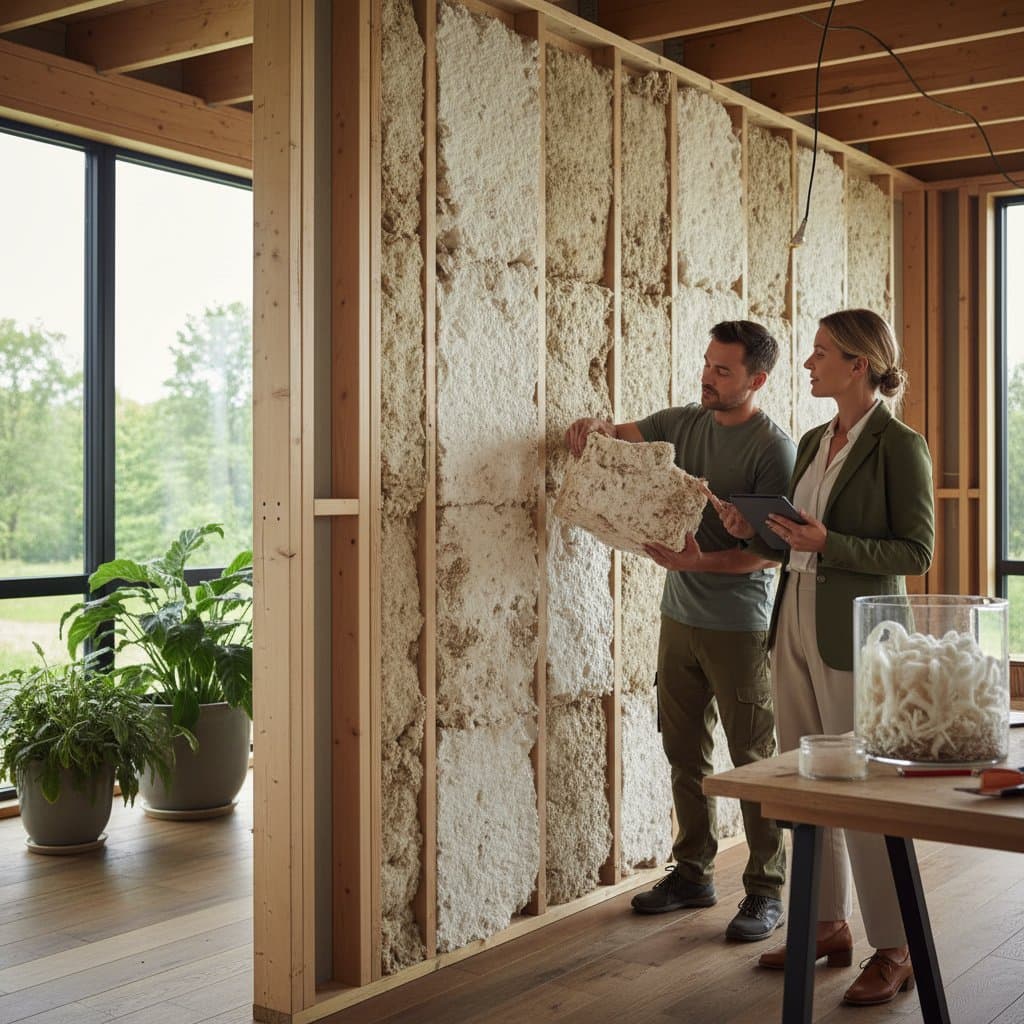
- Mycelium insulation, cultivated from the root-like structure of mushrooms, represents a leading bio-based material in sustainable construction practices.
- The material lowers embodied carbon emissions, enhances indoor air quality, and provides inherent resistance to fire and pests.
- Production costs decrease rapidly with scaling operations and ongoing research in the building materials sector.
- Effective moisture management and compatibility with standard insulation systems prove essential for optimal implementation.
- Pioneering users realize enduring benefits through reduced energy expenses, increased durability, and elevated appeal to environmentally aware purchasers.
Why Mycelium Matters for Homeowners
Energy-efficient insulation ranks among the most effective upgrades for residential properties. Such improvements influence heating and cooling expenses, overall comfort levels, and future property valuations. Conventional insulation options often depend on petrochemical derivatives or processes that consume substantial energy. Mycelium insulation alters this dynamic entirely.
Financial value:
- Energy bills decrease thanks to superior thermal resistance, generally ranging from R-3.5 to R-5 per inch of thickness.
- Disposal expenses diminish because the material composts fully and biodegrades without residue.
- Eligibility for insurance discounts and credits in sustainable building initiatives adds further economic advantages.
Environmental value:
- The growth process achieves carbon negativity by sequestering more carbon during cultivation than released in manufacturing.
- Waste generation stays minimal, as feedstocks draw from agricultural residues such as corn husks and wood shavings.
- Absence of off-gassing or microplastic release supports superior indoor air purity.
Practical value:
- Inherent fire and pest resistance eliminates the need for synthetic chemical treatments.
- The lightweight composition simplifies handling and installation, easing physical demands on workers.
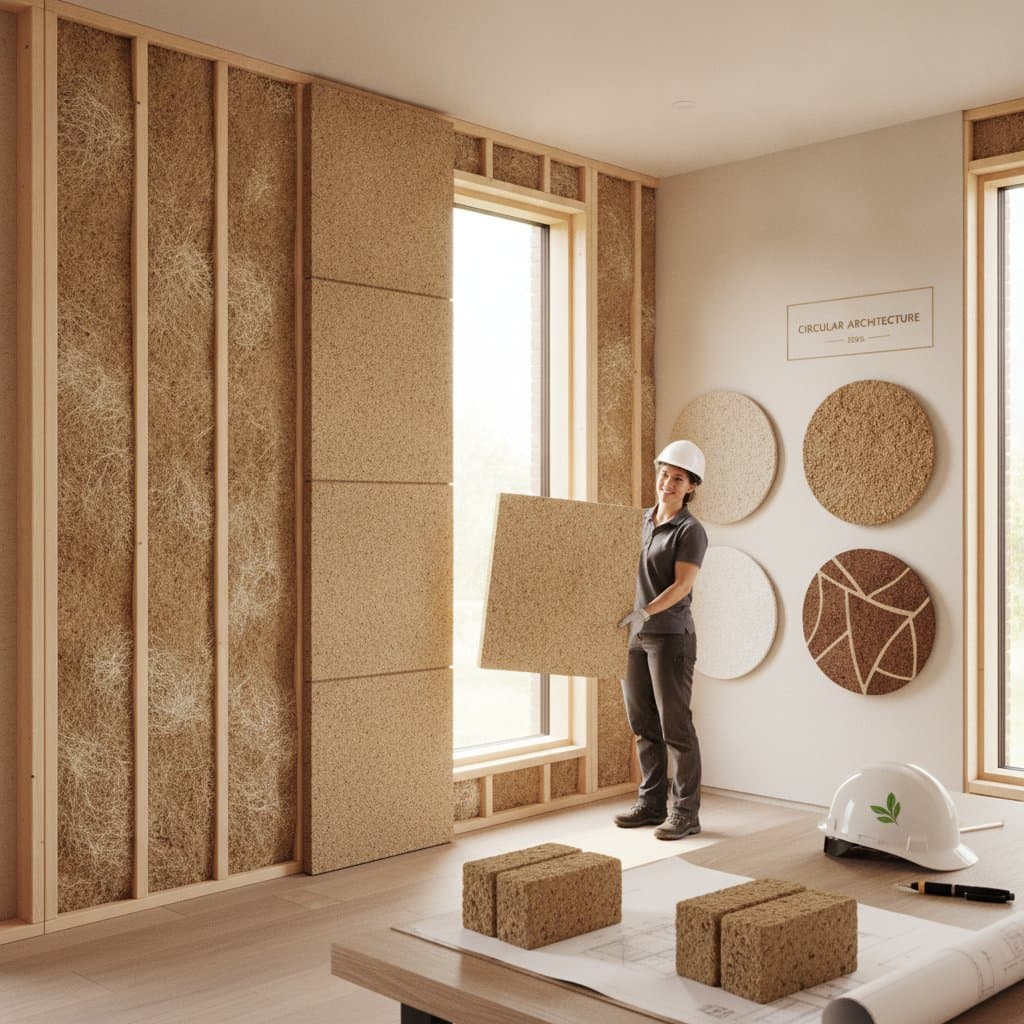
- Versatility allows shaping into rigid panels, solid blocks, or sprayable forms to suit diverse project needs.
This blend of economic benefits, ecological advantages, and user-friendly attributes draws widespread interest from homeowners and construction professionals.
Cost Breakdown and ROI Analysis
Project budgeting benefits from evaluating mycelium insulation across initial expenses, long-term economies, and market appreciation.
Upfront Costs:
- Material rates position it within moderate to higher-end natural insulation options, often competitive with cellulose or wool.
- Installation labor requirements lessen relative to spray foam methods, as panels typically snap into place with basic tools.
- Protective equipment needs decrease, given the non-toxic nature that avoids respiratory hazards during handling.
Lifecycle Savings:
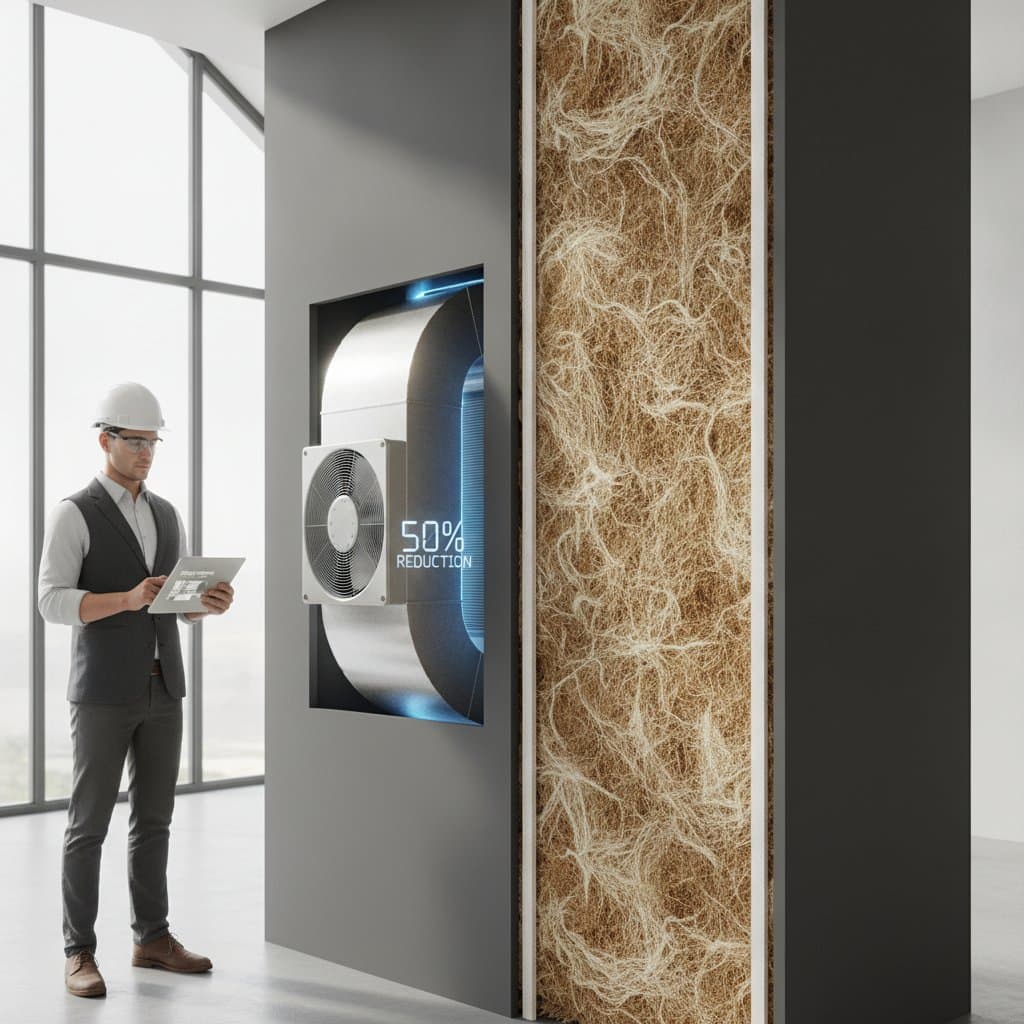
- Annual energy reductions reach 10 to 20 percent over standard code-compliant insulation, varying by regional climate and architectural layout.
- Maintenance demands remain low, as the material withstands pests and maintains integrity in typical environments.
- End-of-life expenses approach zero, with panels suitable for composting or material recovery.
Resale and Market Value:
- Eco-conscious buyers prioritize properties with verified green features, often yielding price premiums of 3 to 5 percent.
- Documentation via certifications like LEED or Energy Star amplifies marketability in competitive real estate sectors.
- Sustainable attributes enhance resilience to rising utility rates and appeal to demographics valuing regenerative design.
Investment returns transcend monetary gains to encompass stability amid economic shifts and the assurance of inhabiting a restorative residence.
Sustainable Features and Efficiency Gains
Mycelium insulation excels in thermal performance while advancing broader building wellness through underappreciated attributes.
1. Carbon Sequestration
The cultivation stage binds carbon from organic substrates into a stable matrix. Integrated into structures, this stored carbon persists for the building's lifespan, aiding pathways to carbon-neutral architecture.
2. Indoor Air Quality
Unlike synthetic insulators that may release volatile organic compounds, mycelium emits none. Its hygroscopic properties moderate humidity levels, fostering consistent comfort in sealed building envelopes.
3. Fire Safety
Heat processing renders mycelium self-extinguishing; it forms a char layer instead of sustaining flames. Compliance with international fire codes occurs without added flame retardants, minimizing potential toxin exposure during emergencies.
4. Acoustic Performance
The dense, fibrous texture dampens sound effectively, outperforming many rigid foams in noise reduction. Applications in walls or ceilings mitigate urban sounds or inter-room echoes for quieter interiors.
5. End-of-Life Circularity
Landfill diversion becomes feasible as the material decomposes naturally or supports new growth cycles. Innovative producers develop take-back programs to repurpose panels, establishing true circular economies in construction.
These integrated qualities yield structures that not only conserve resources but actively contribute to ecological restoration within and beyond their boundaries.
Frequently Asked Questions
What exactly is mycelium?
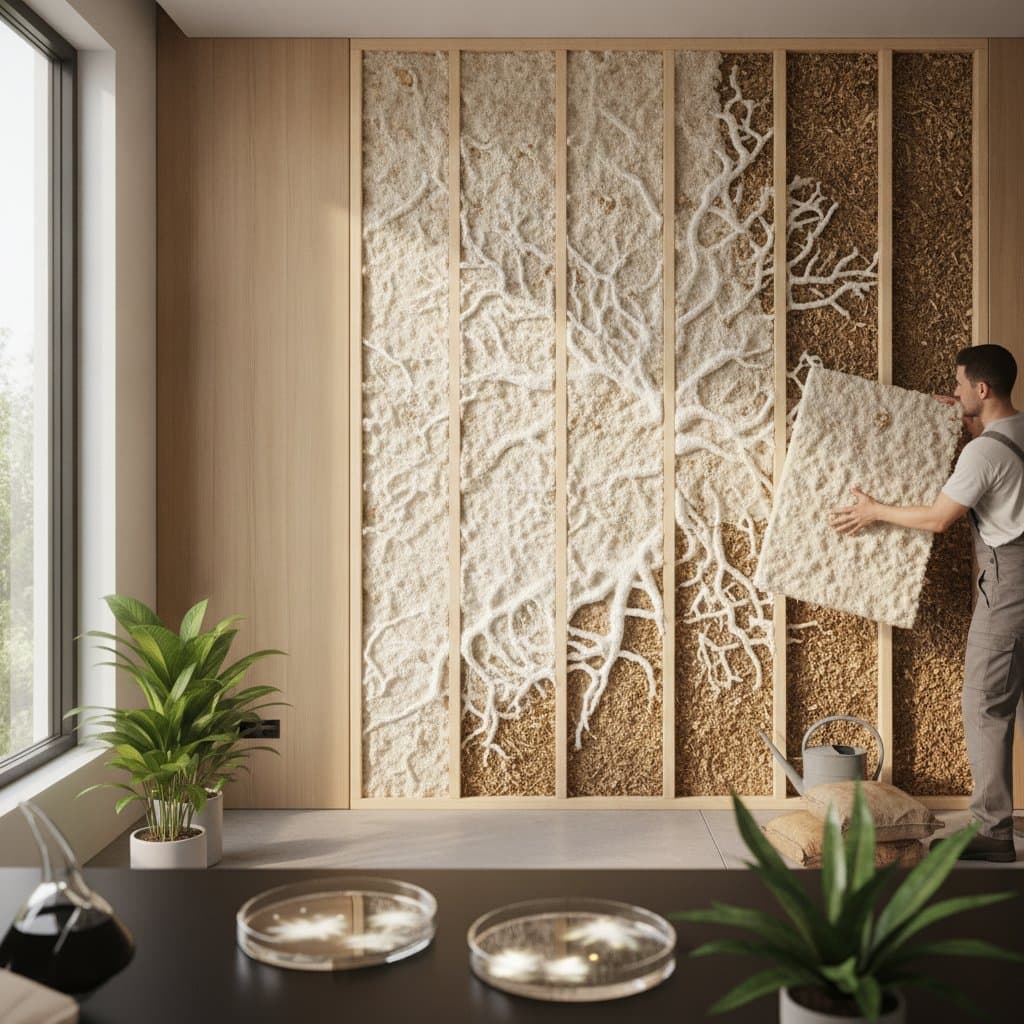
Mycelium forms the vegetative root system of fungi, which decomposes organic materials in ecosystems. Grown on farm waste substrates, it develops into a compact, fibrous body suitable for pressing and drying into durable insulation forms.
Is it safe for people with allergies?
Processed mycelium remains dormant post-treatment, releasing no spores or irritants. Its use indoors promotes cleaner air compared to dust-prone alternatives like fiberglass.
How does it compare to fiberglass in performance?
Insulation values align closely, with mycelium often achieving higher R-values per inch. Additional merits include humidity regulation and superior soundproofing, ideal for holistic comfort enhancements.
Can I install it myself?
Pre-cut panels or blocks lend themselves to homeowner installation using standard framing techniques. Specialized spray or molded variants demand expert application to achieve uniform density and seal integrity.
Does it attract pests or mold?
Treated mycelium offers no food source for insects or fungi, thanks to its stabilized composition. The structure inherently repels common threats without supplemental barriers.
What about fire ratings?
The material satisfies or surpasses Class A fire standards in many jurisdictions. Char formation limits flame spread, smoke production, and hazardous emissions.
Will it last as long as other materials?
In dry, sealed assemblies, mycelium endures for 30 to 50 years, matching premium natural insulators. Periodic inspections ensure longevity in variable climates.
Steps to Integrate Mycelium Insulation
Adopting mycelium insulation involves targeted planning to maximize its regenerative potential. Start by assessing your home's insulation gaps through a professional energy audit, which identifies high-impact areas like attics or exterior walls. Select certified suppliers offering locally sourced substrates to minimize transport emissions and support regional agriculture.
Next, coordinate with builders experienced in bio-materials to integrate panels seamlessly into your framing. Test small-scale applications, such as insulating a garage or shed, to familiarize yourself with handling and performance. Document the installation process for certification eligibility, unlocking rebates and enhancing property records.
Over time, monitor energy usage via smart meters to quantify savings and adjust as needed. This approach not only optimizes immediate benefits but positions your home as a model of forward-thinking, nature-aligned design.