Why Recycled Plastic Decking Leads Outdoor Trends
When you picture your ideal outdoor space, you probably imagine comfort, style, and durability without endless upkeep. Homeowners across neighborhoods are discovering that recycled plastic decking delivers exactly that combination. It is not just a passing fad but a reflection of how people want to live now, balancing environmental responsibility with design appeal and practical performance.
Key Benefits
- Recycled plastic decking can last up to twice as long as traditional wood without warping, cracking, or splintering.
- It typically contains over 90 percent recycled materials, reducing landfill waste and demand for virgin timber.
- Maintenance costs can be up to 60 percent lower than wood decking over its lifespan.
- Modern recycled decking offers realistic wood-like textures and colors that resist fading and staining.
- Many brands now provide warranties of 20 years or more, reinforcing the confidence behind this sustainable investment.
What Recycled Plastic Decking Really Is
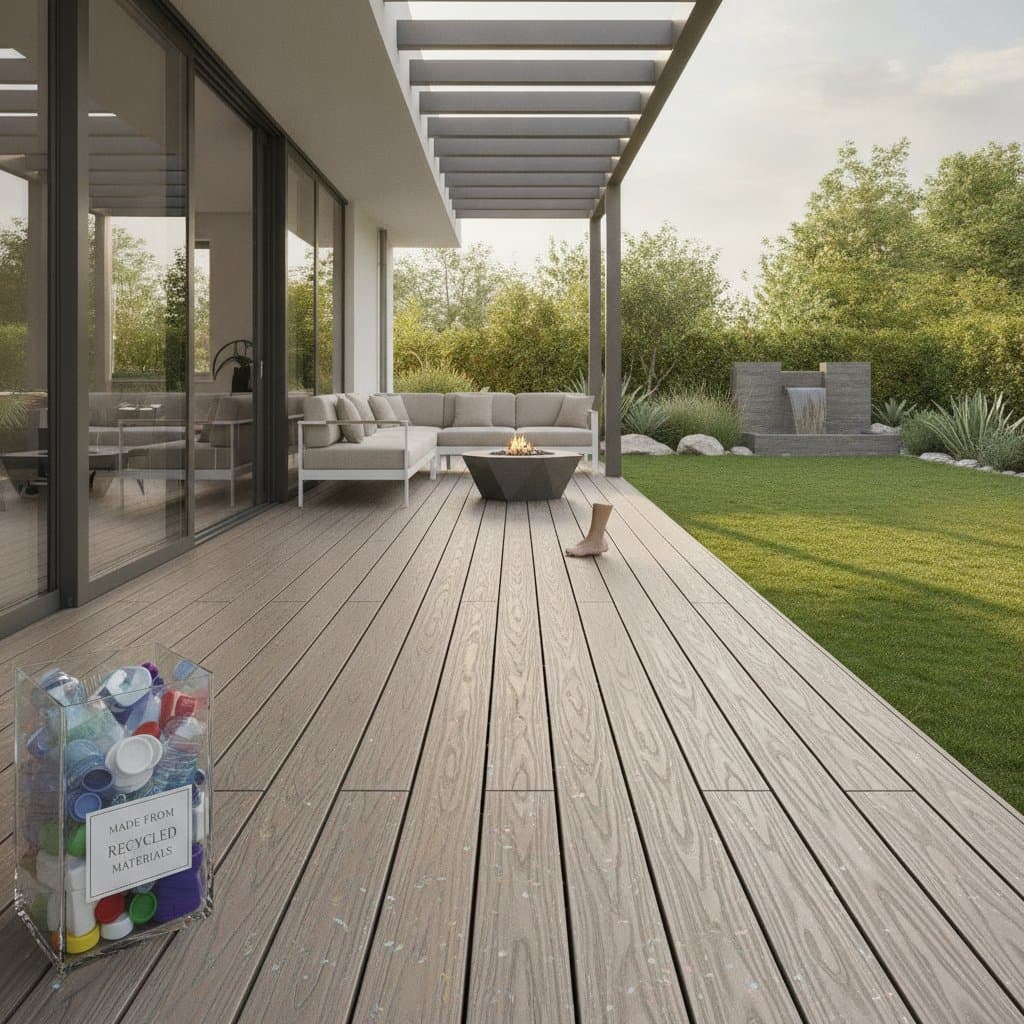
Recycled plastic decking is made from post-consumer plastics such as bottles, packaging films, and discarded household containers. These materials are cleaned, shredded, and combined with stabilizers and colorants to create boards that mimic the look of natural wood. Some manufacturers blend recycled plastic with reclaimed wood fibers, producing a composite that offers both strength and flexibility.
Recycled and composite decking now accounts for nearly half of all new deck installations. The shift centers on performance, lifespan, and environmental impact. Unlike wood, plastic-based boards do not absorb moisture, which means no rotting or insect damage. For homeowners in humid or coastal regions, this resistance translates to years of reliable use.
Environmental Benefits Beyond the Backyard
Every square foot of recycled plastic decking represents a tangible environmental gain. Industry reports estimate that a standard 500-square-foot deck can reuse roughly 140,000 plastic bags that would otherwise contribute to landfill waste or ocean pollution. This transformation of waste into a long-lasting product supports the broader circular economy movement, where materials are reused instead of discarded.
Recycled decking also helps conserve forests by decreasing demand for virgin lumber. It cuts down on the chemical treatments commonly used to preserve wood, which can leach into soil and waterways. That makes recycled plastic decking a cleaner, safer option for families, pets, and local ecosystems alike.
Comparing Costs and Durability
One of the biggest questions homeowners ask is whether recycled plastic decking truly pays off. The short answer is yes, particularly when you look beyond initial costs.
| Decking Material | Average Upfront Cost per Square Foot | Estimated Lifespan | Annual Maintenance Cost |
|---|---|---|---|
| Pressure-Treated Wood | $2 - $5 | 10 - 15 years | $150 - $300 |
| Cedar or Redwood | $4 - $8 | 15 - 20 years | $100 - $250 |
| Recycled Plastic | $5 - $9 | 25 - 30 years | $50 - $100 |
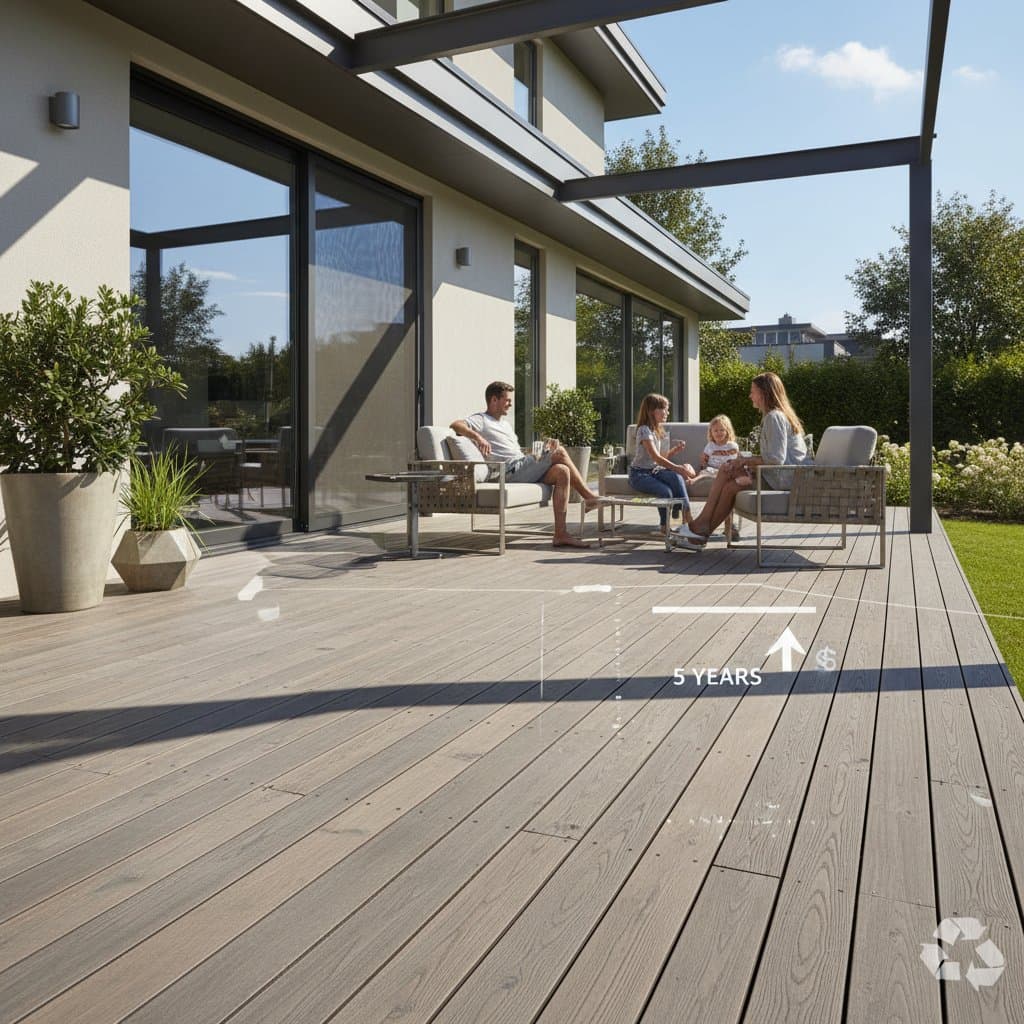
While recycled plastic boards may cost slightly more upfront, the savings in maintenance and replacement make them more economical over time. They never need staining, sealing, or painting. A simple rinse with water and mild soap usually restores their original appearance.
Contractors often cite a return on investment of up to 150 percent over two decades, particularly in areas where weather extremes cause wood decks to deteriorate quickly. The reduced need for repairs and refinishing also frees up time for enjoying your outdoor living space instead of maintaining it.
Design and Aesthetic Flexibility
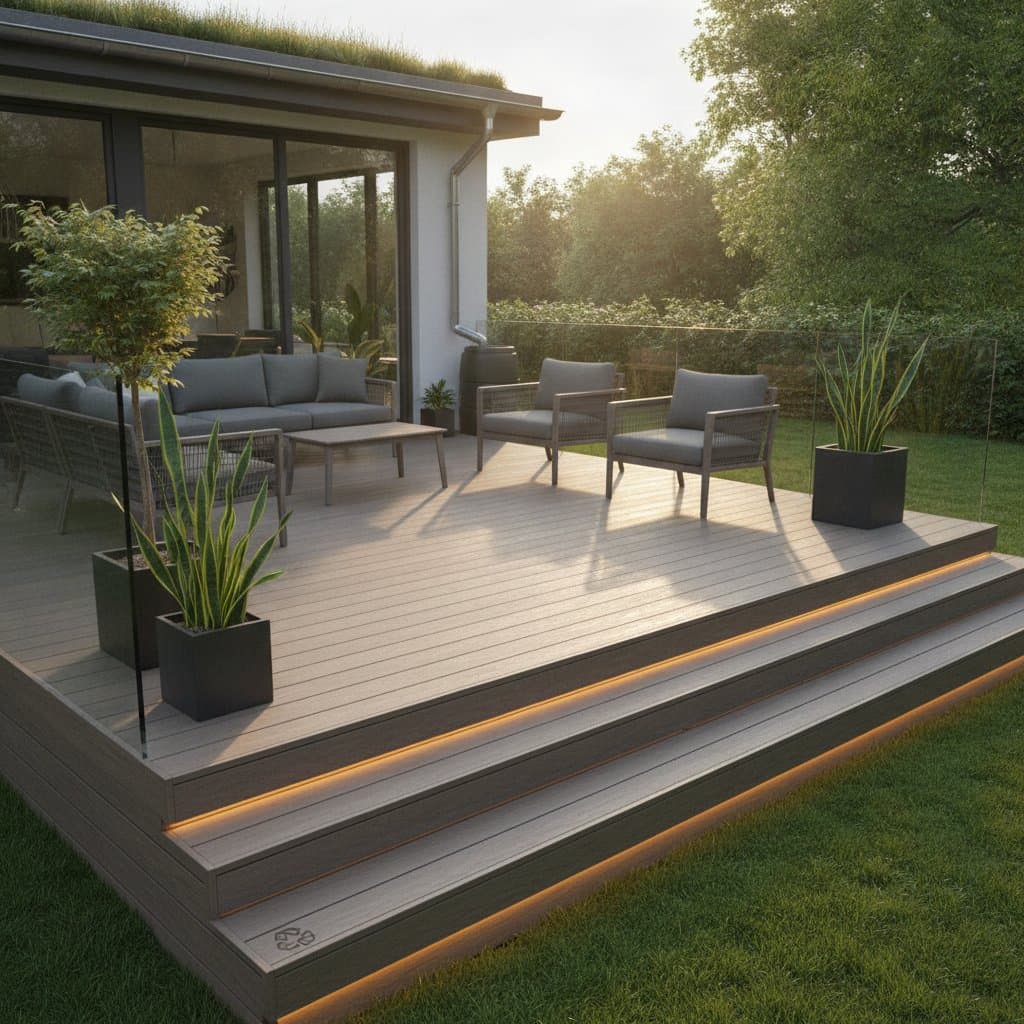
Early versions of synthetic decking looked artificial, but current technology has changed that reputation completely. Manufacturers now use advanced embossing and color-blending techniques to replicate the grain patterns and tonal variations of natural wood. From coastal gray to espresso brown, there are styles to match nearly any architectural aesthetic.
Homeowners can also choose from a wide range of board widths, finishes, and hidden fastening systems that create a seamless, high-end look. Some brands even incorporate cooling technology to prevent surfaces from getting too hot underfoot during sunny days, making the space more comfortable and usable throughout the year.
Landscape designers have embraced recycled decking for its versatility. It can be used for pool surrounds, rooftop terraces, and garden walkways. The boards consistent color and form make them ideal for creative layouts like herringbone or chevron patterns that elevate visual interest.
Practical Tips for Choosing and Installing Recycled Decking
- Check the recycled content percentage. Aim for products with at least 90 percent recycled material for the best environmental performance.
- Compare warranties carefully. Longer coverage usually reflects higher material quality and manufacturing confidence.
- Plan for ventilation. Even though plastic decking resists moisture, proper airflow beneath the boards helps maintain structural integrity.
- Use compatible fasteners. Some boards require specific clips or screws designed to prevent surface damage.
- Clean periodically. A gentle wash once or twice a year keeps the surface free from pollen, dirt, and grime buildup.
Planning Your Deck Upgrade
Recycled plastic decking merges eco-conscious manufacturing with low-maintenance practicality. It delivers a modern solution that suits both busy lifestyles and environmental values.
If you are planning a backyard renovation or simply replacing a worn wood deck, consider recycled plastic decking as your foundation for a cleaner, more enduring outdoor environment. The combination of beauty, resilience, and environmental responsibility makes it one of the smartest upgrades you can make for your home and the planet.